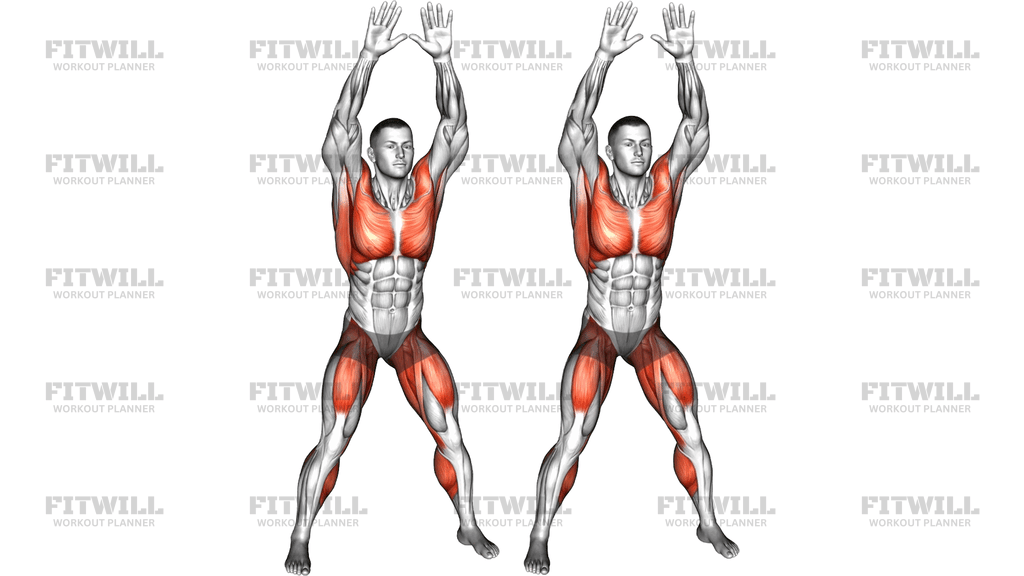
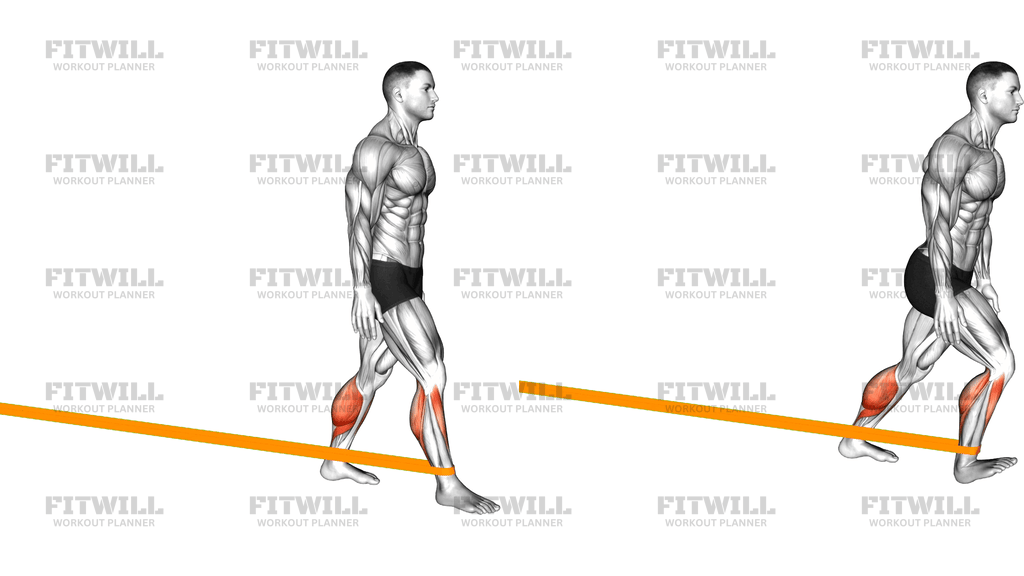
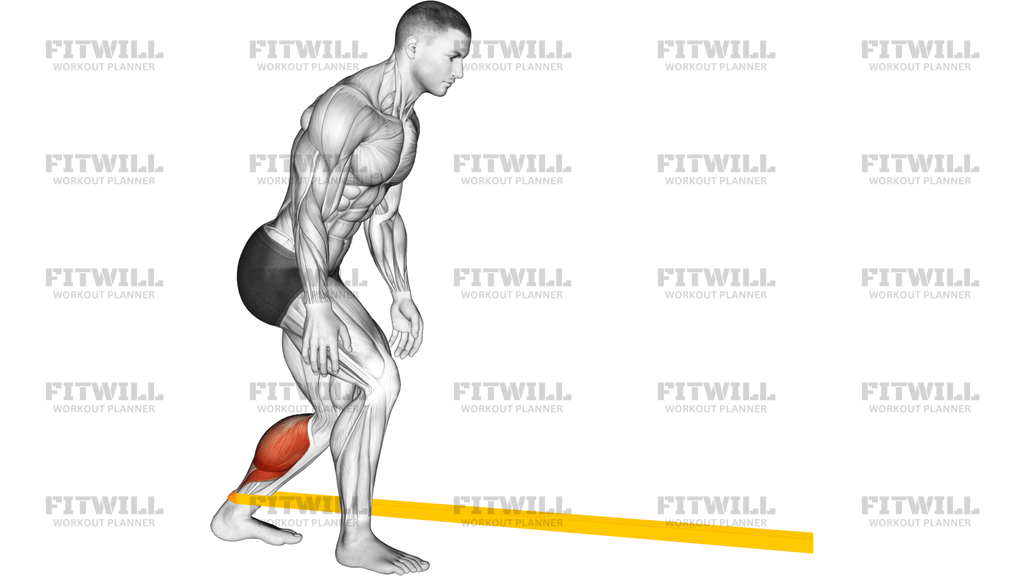
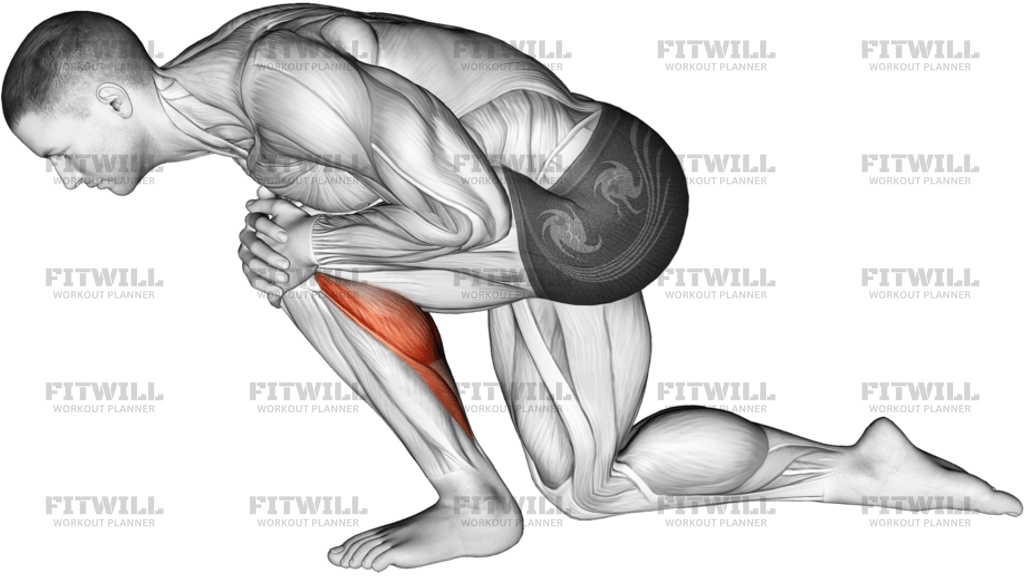
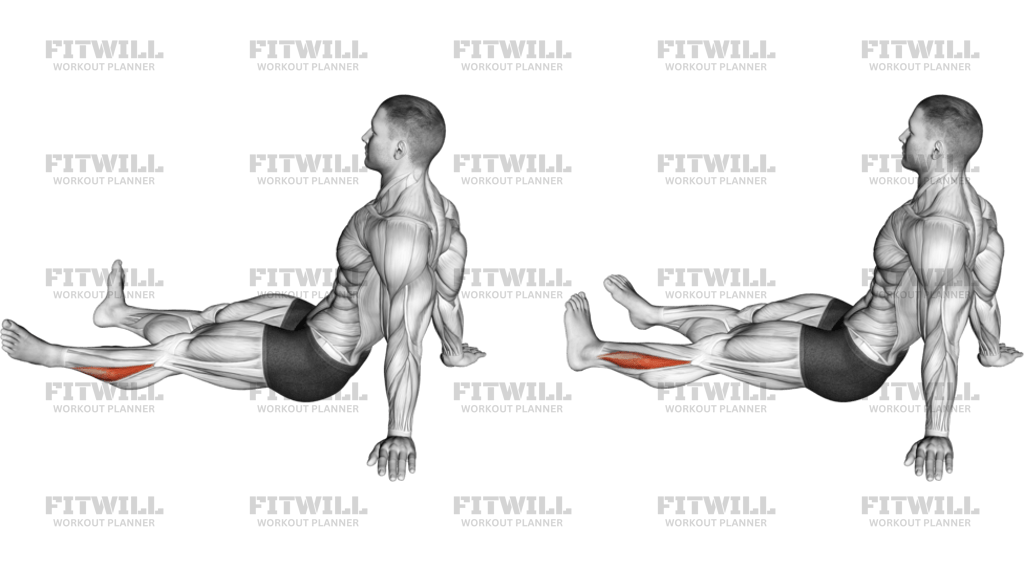
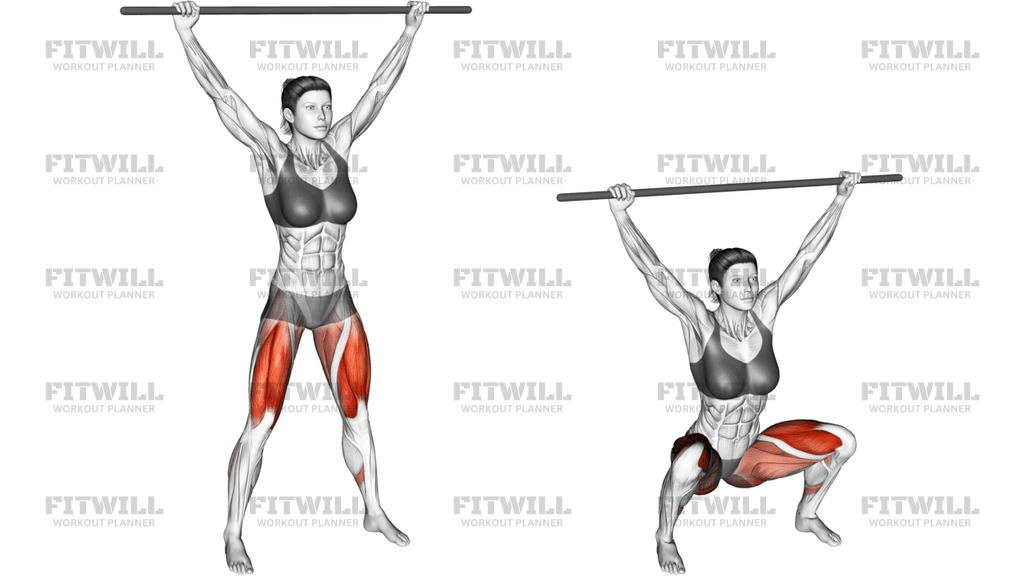
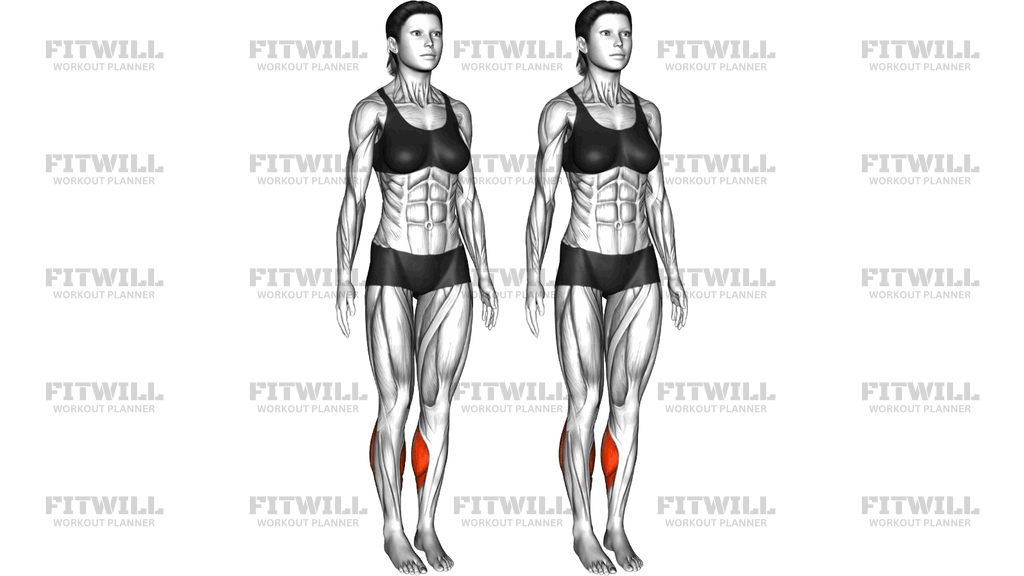
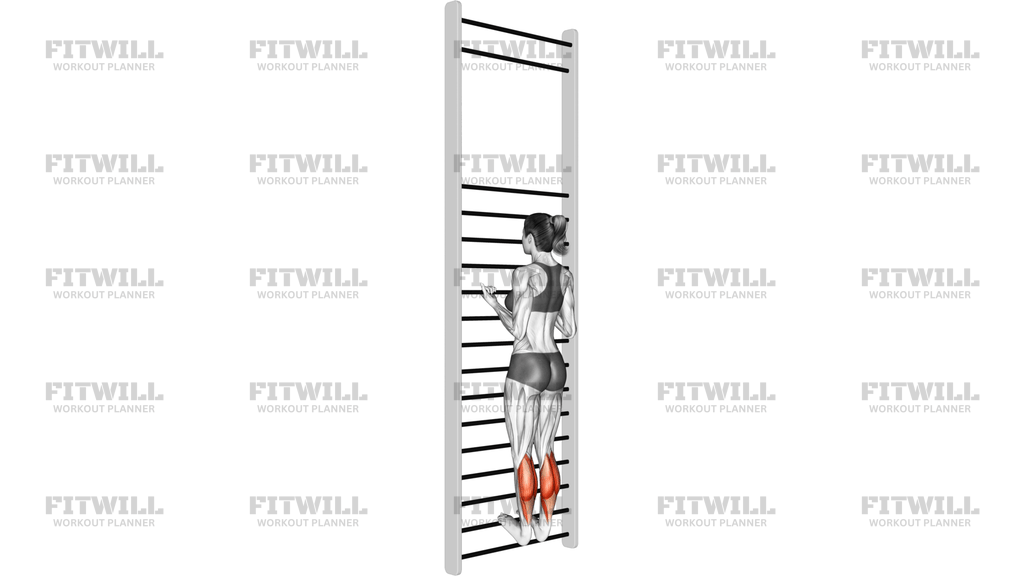
Standing Toe Up Calf Stretch
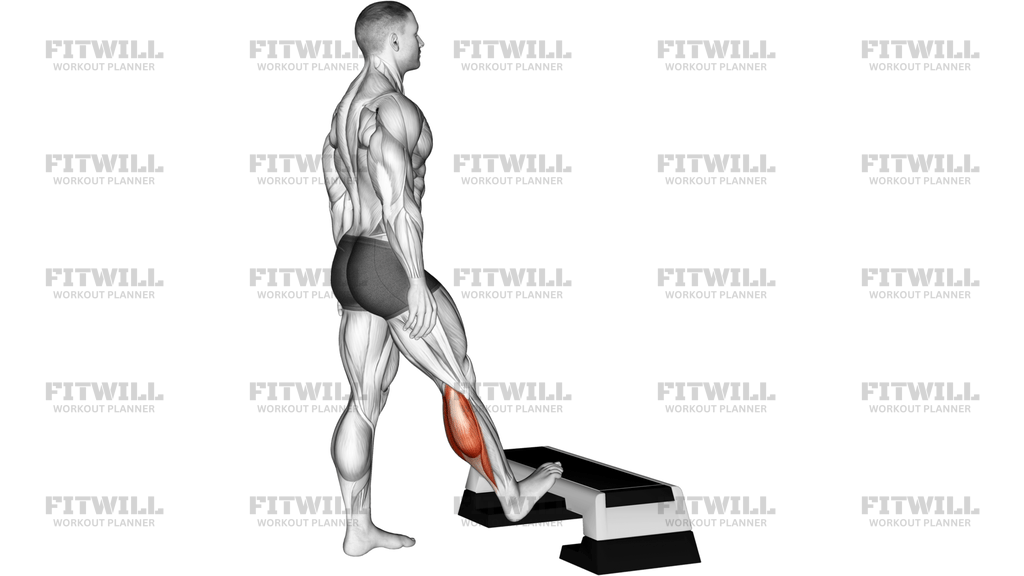
Standing Toe Up Calf Stretch is a standing lower-leg mobility drill that uses body weight and a low step, wedge, curb, or similar edge to lengthen the calf complex. By keeping the toes pulled up and the heel anchored, it places the ankle into dorsiflexion and targets the gastrocnemius and soleus in a position that is useful for restoring ankle motion after running, squatting, jumping, or long periods of standing.
The setup matters because a small change in foot angle changes where the stretch lands. Keep the working foot pointed straight ahead, the arch active, and the heel heavy so the stretch stays in the calf instead of collapsing into the ankle or rolling into the outside of the foot. Use the free leg, a wall, or a rack for balance if needed so the working side can stay square and relaxed.
Once you are set, lean forward slowly from the ankle and hips until you feel a firm stretch high in the calf and behind the Achilles, not a sharp pinch in the joint. Keep the knee straight to bias the upper calf, or soften it slightly to shift more tension into the deeper soleus. Breathe out as you settle into the position and let the calf lengthen without bouncing.
This is an isometric stretch, so the goal is a steady, repeatable position rather than a big aggressive range. Keep the foot tripod down, avoid letting the arch cave inward, and do not force through cramping or numbness. The stretch should feel strong but controllable, with a clear line of tension through the lower leg and no sharp pain at the tendon.
Use Standing Toe Up Calf Stretch in warm-ups with short holds or in cooldowns with longer relaxed holds, especially when ankle dorsiflexion is limiting your squat depth or stride mechanics. Done well, it improves lower-leg mobility without irritating the Achilles or turning the stretch into a sloppy forward lean.
Fitwill
Log Workouts, Track Progress & Build Strength.
Achieve more with Fitwill: explore over 9600 exercises with images and videos, access built-in and custom workouts, perfect for both gym and home sessions, and see real results.
Start your journey. Download today!




Instructions
- Stand facing a low step, wedge, curb, or raised edge and place one foot so the toes can lift while the heel stays anchored.
- Point the working foot straight ahead and keep the arch active instead of letting the ankle roll inward.
- Set the other foot slightly behind you or use a light hand support so you can balance without pushing off the working leg.
- Keep the working knee straight or only softly unlocked, depending on how much calf tension you want.
- Brace lightly through the torso and keep the hips square to the front leg.
- Lean forward slowly from the ankle and hips until you feel a clear stretch through the calf and into the Achilles area.
- Hold the end range with steady breathing and no bouncing or jerking.
- Ease back out with control, reset the foot, and repeat on the other side.
Tips & Tricks
- Start with a very low step or wedge; a big drop can cramp the calf before the stretch settles.
- Keep pressure through the heel and the base of the big toe so the arch stays supported.
- A straighter knee biases the gastrocnemius more, while a slight knee bend shifts some work to the soleus.
- If the stretch moves into a sharp Achilles pinch, back off a few degrees and keep the heel heavy.
- Do not turn the toes out to fake more range; that usually changes the stretch to the outer calf.
- Keep the chest long and avoid folding at the waist, which turns the drill into a back hinge.
- Exhale slowly as you settle into the stretch; holding your breath often makes the calf guard.
- Stop and reset if you feel tingling, numbness, or a grabbing pain instead of normal muscular tension.
Frequently Asked Questions
What muscles does Standing Toe Up Calf Stretch target most?
It mainly stretches the gastrocnemius and soleus, with the Achilles tendon and foot stabilizers also under tension.
Do I need a step or wedge for this stretch?
A low step, curb, wedge, or thick plate helps because it lets the toes lift while the heel stays anchored, but a flat-floor version can still work.
Should my knee stay straight?
A straight knee shifts more stretch into the upper calf. A slight bend softens the stretch and usually moves more of it toward the soleus.
Why does my arch collapse during the stretch?
Usually the surface is too high or the foot is turned out. Use a lower edge and keep the toes pointing forward so the pressure stays centered.
Can beginners do this safely?
Yes, as long as they start with a small elevation, keep balance support nearby, and avoid forcing the heel down into pain.
Should I feel it in the Achilles?
You should feel tension near the Achilles, but not a sharp pinch. If the tendon feels irritated, reduce the range and keep the hold shorter.
When is this stretch most useful?
It works well in warm-ups, cooldowns, or after lower-body training when the calves feel tight and ankle motion is limited.
What is the most common mistake?
Bouncing into the bottom position or leaning from the waist instead of moving from the ankle usually makes the stretch less effective and less controlled.