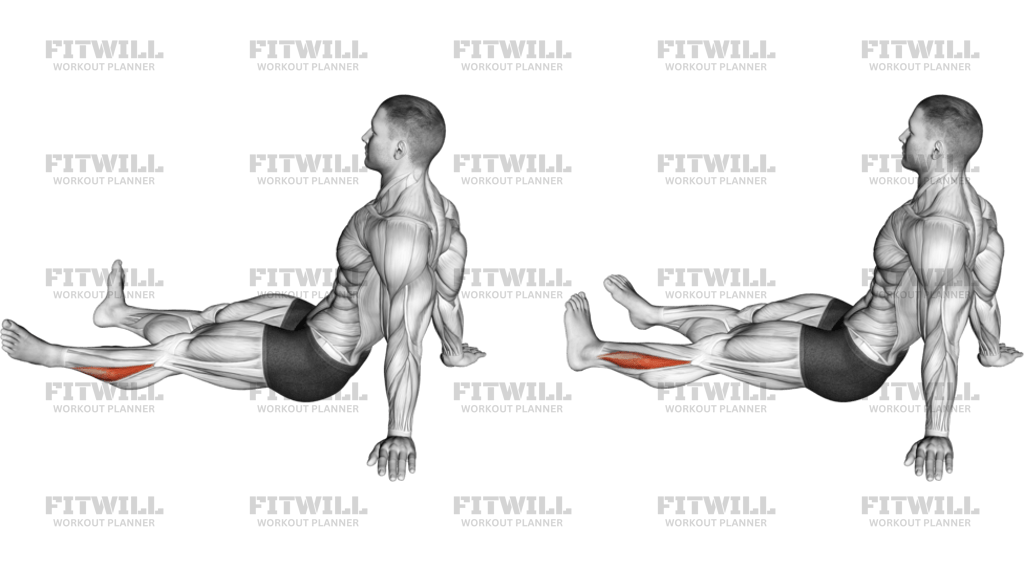
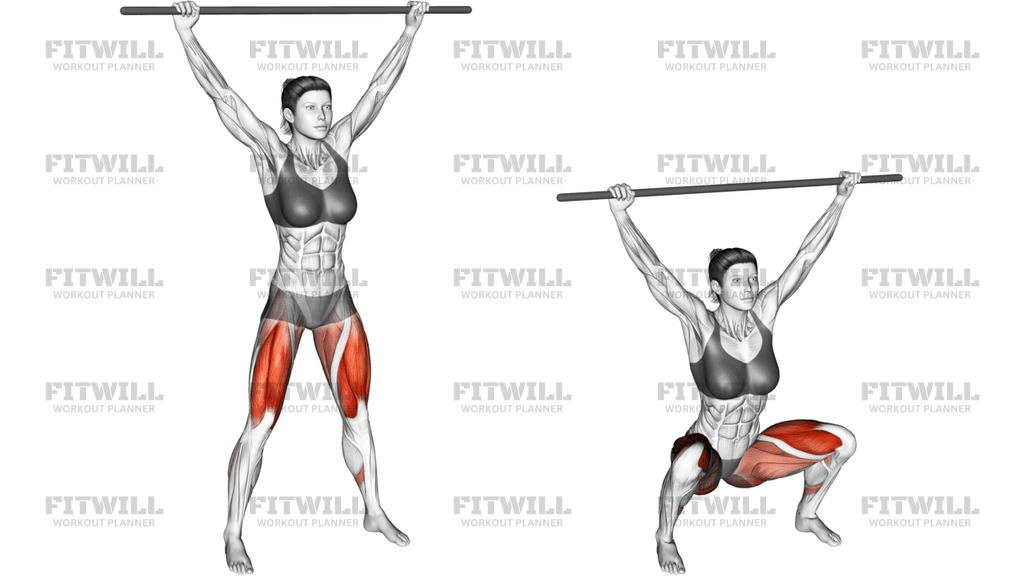
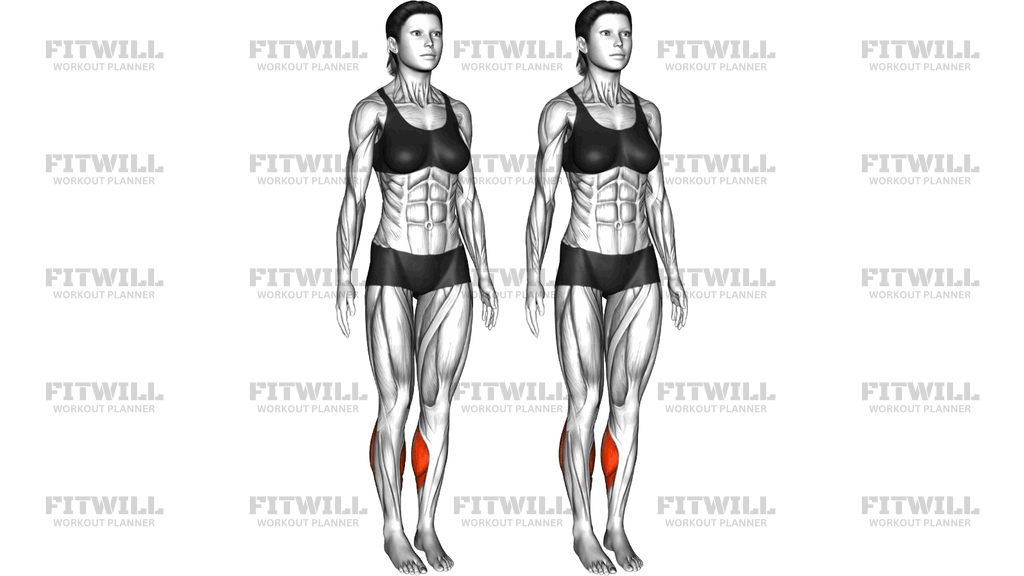
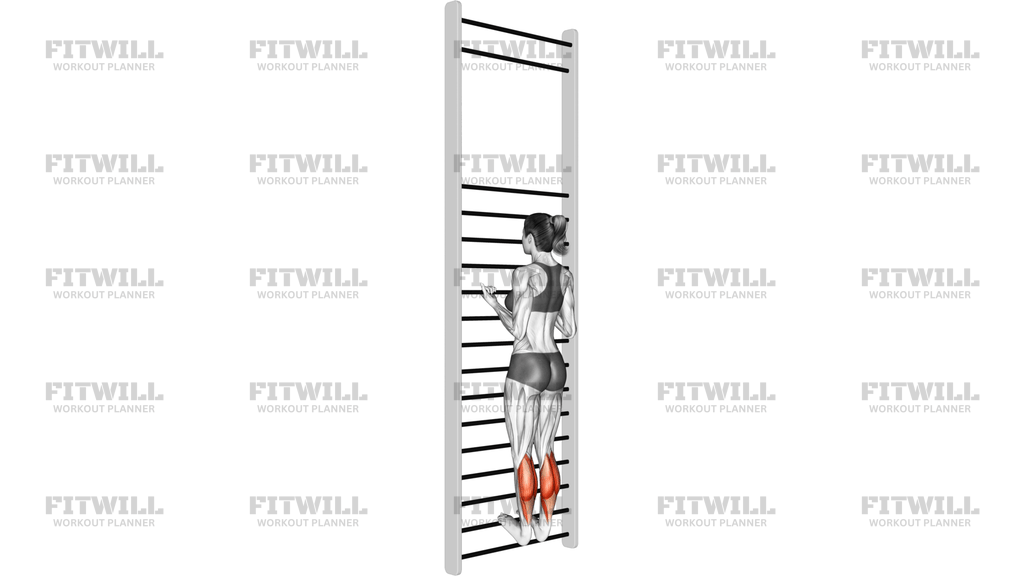
Tibial Stretch With Semi Flexed Knee
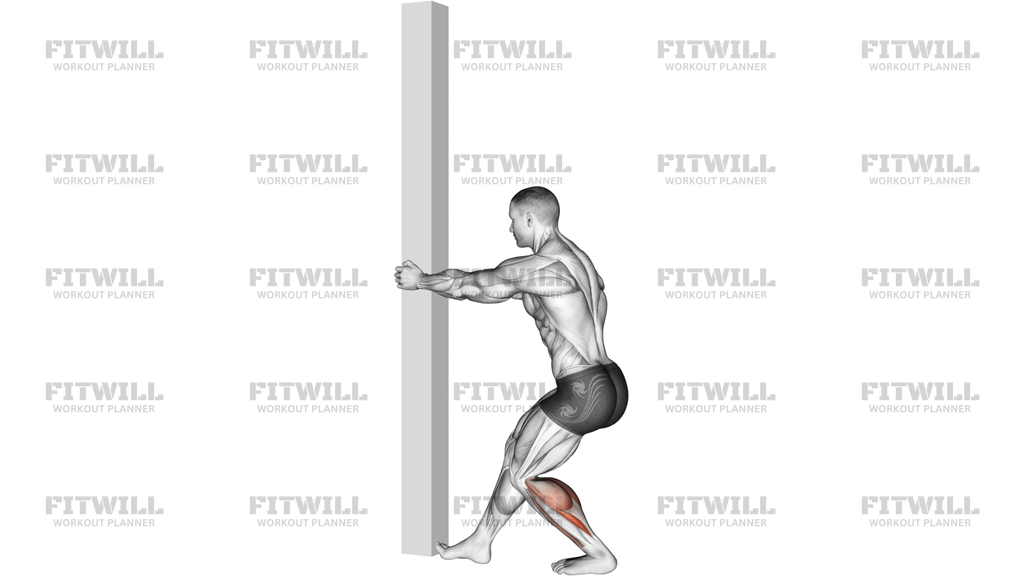
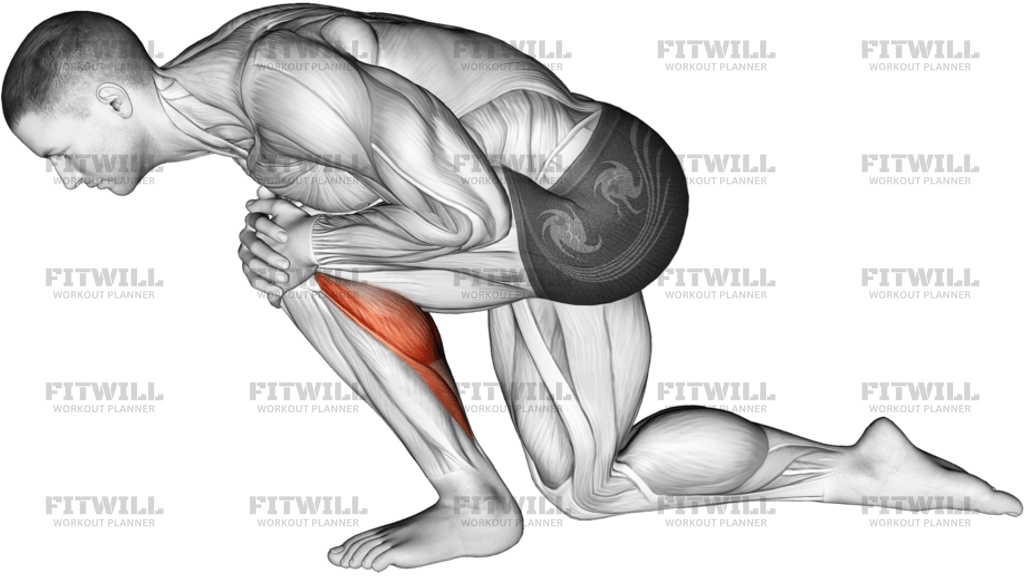
Tibial Stretch With Semi Flexed Knee is a standing lower-leg mobility drill that uses body weight to lengthen the tissues around the ankle, shin, and calf without loading the joint aggressively. The semi-flexed knee changes the line of pull through the lower leg so you can work into a useful stretch while still keeping the position organized and repeatable.
This movement is most useful when your lower legs feel tight from running, jumping, cycling, court sports, or long periods on your feet. It can also be helpful before squat, lunge, and landing work when you want better ankle freedom without jumping straight into a hard stretch. The emphasis is on a controlled position, not on forcing as much range as possible.
The setup matters more than it looks. A soft knee bend keeps the leg active, the foot stays planted, and the torso stays long so the stretch comes from the lower leg rather than from folding through the spine. If the position is rushed, the sensation often shifts into the knee, arch, or low back instead of staying where it belongs.
As you move through Tibial Stretch With Semi Flexed Knee, keep the heel grounded and ease into the end range until you feel firm tension in the lower leg. The sensation should be strong but manageable, with no pinching at the knee and no sharp pulling in the Achilles. Breathing steadily helps the tissues settle so you can hold the position long enough for the stretch to actually matter.
This is a practical accessory movement for warm-ups, cooldowns, or recovery sessions because it pairs well with calf raises, tibialis work, and ankle drills. It is also a good option for beginners because the load is just body weight, but the position still rewards patience and body awareness. Use it as a quality drill: clean setup, quiet breathing, controlled hold, and a calm return to standing.
Fitwill
Log Workouts, Track Progress & Build Strength.
Achieve more with Fitwill: explore over 9600 exercises with images and videos, access built-in and custom workouts, perfect for both gym and home sessions, and see real results.
Start your journey. Download today!




Instructions
- Stand tall on an exercise mat with one foot planted and the working knee slightly bent, keeping the heel of that foot down.
- Shift your weight forward just enough to feel tension build through the lower leg without letting the arch collapse or the knee cave inward.
- Keep the torso long and hinge only slightly from the hips so the stretch stays in the shin and calf instead of turning into a rounded-back fold.
- Let the front knee stay softly flexed while the ankle moves into the range where the lower leg feels lengthened but still controlled.
- Pause at the end range and breathe out slowly so the lower leg can relax into the position instead of bracing against it.
- Hold the stretch for the planned time without bouncing, dragging the heel, or chasing a deeper position on every breath.
- Ease back to the starting stance with the same control you used to enter the stretch.
- Repeat on the other side if the exercise is being used bilaterally, then stand up fully before moving to the next drill.
Tips & Tricks
- The stretch should stay in the lower leg; if the knee feels pinched, reduce the bend and shorten the range.
- Keep the heel planted. Lifting it turns the drill into a forefoot lean and removes the lower-leg line of pull.
- A small bend in the knee is enough; exaggerating the bend usually shifts tension away from the intended tissue.
- Use a long exhale to settle into the hold instead of trying to force more depth with the shoulders or back.
- If the arch collapses, make the stance narrower and keep the foot tripod pressed into the floor.
- Do not bounce in and out of the end range. This stretch works best as a calm, static hold.
- A mild stretch is productive here; sharp pulling at the Achilles or ankle is a sign to back off.
- Treat the return to standing as part of the rep so the lower leg does not get yanked out of position.
Frequently Asked Questions
What does Tibial Stretch With Semi Flexed Knee target?
It mainly targets the lower leg, especially the calf and shin line around the ankle.
Do I need any equipment for Tibial Stretch With Semi Flexed Knee?
No. Body weight is enough, and the mat simply gives you a stable surface if you are doing the drill on the floor.
How bent should the knee be in Tibial Stretch With Semi Flexed Knee?
Keep it only softly bent. The knee should feel relaxed, not deeply flexed, so the stretch stays in the lower leg.
Should my heel stay down during Tibial Stretch With Semi Flexed Knee?
Yes. Keeping the heel grounded is what keeps the stretch honest and prevents you from cheating the range.
What should I avoid feeling in this stretch?
You should not feel sharp pain in the knee, Achilles, or ankle joint. Back off if the sensation becomes pinchy or unstable.
Is Tibial Stretch With Semi Flexed Knee good before running?
Yes, it can be useful before running, jumping, or squat work when your lower legs need a little more freedom.
Can beginners do Tibial Stretch With Semi Flexed Knee?
Yes. Beginners usually do best with a smaller range, a shorter hold, and a focus on keeping the heel and foot position steady.
How is this different from a normal calf stretch?
The semi-flexed knee changes the emphasis in the lower leg, so you can target the area around the shin and ankle without locking the leg out.