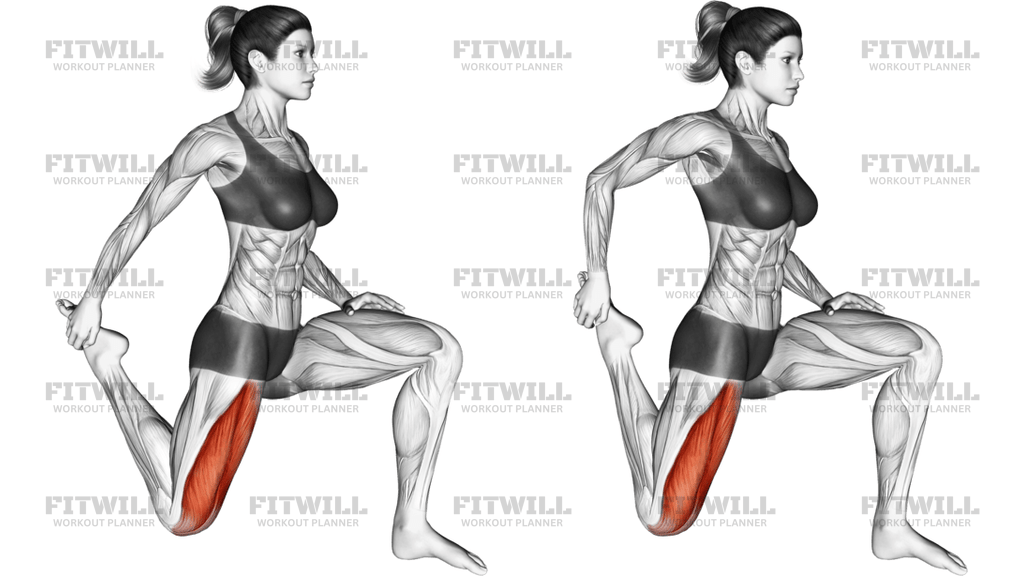
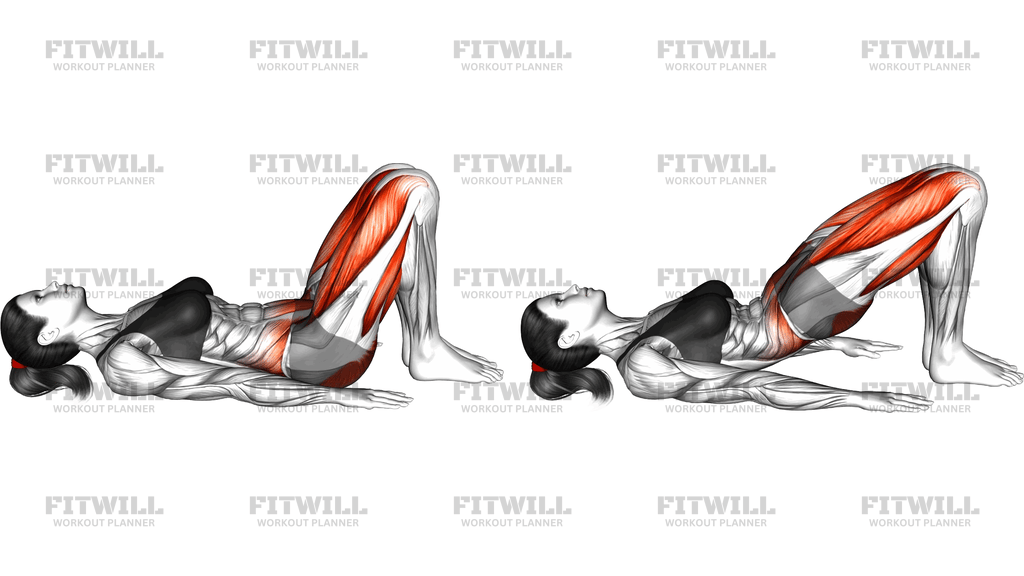
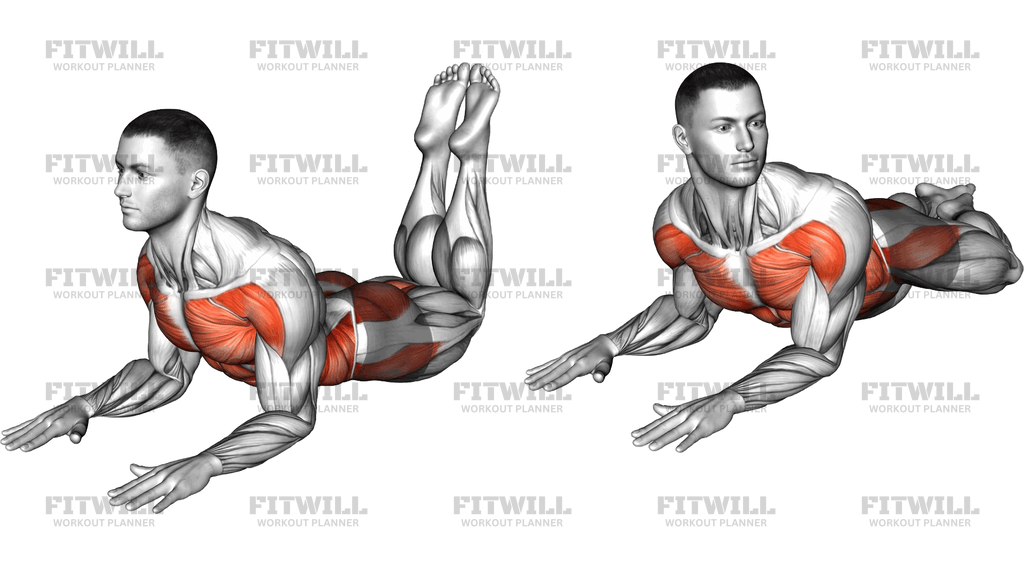
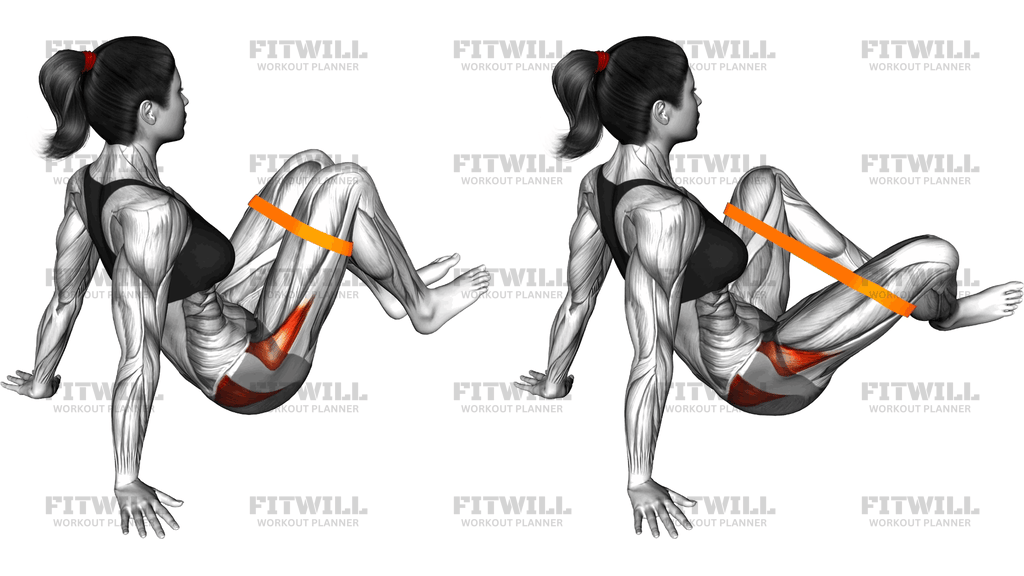
Supported One Leg Standing Hip Flexor And Knee Extensor Stretch
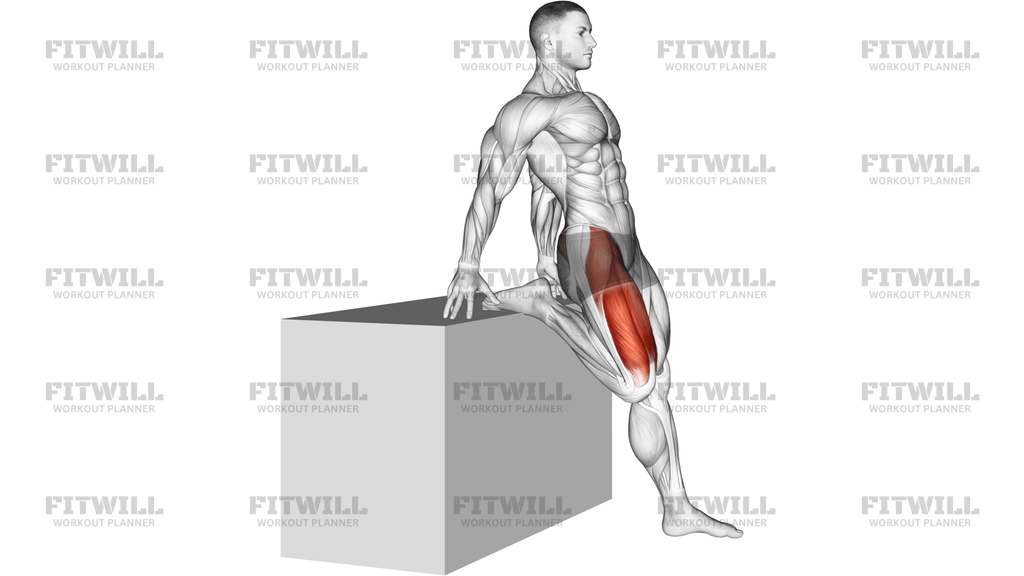
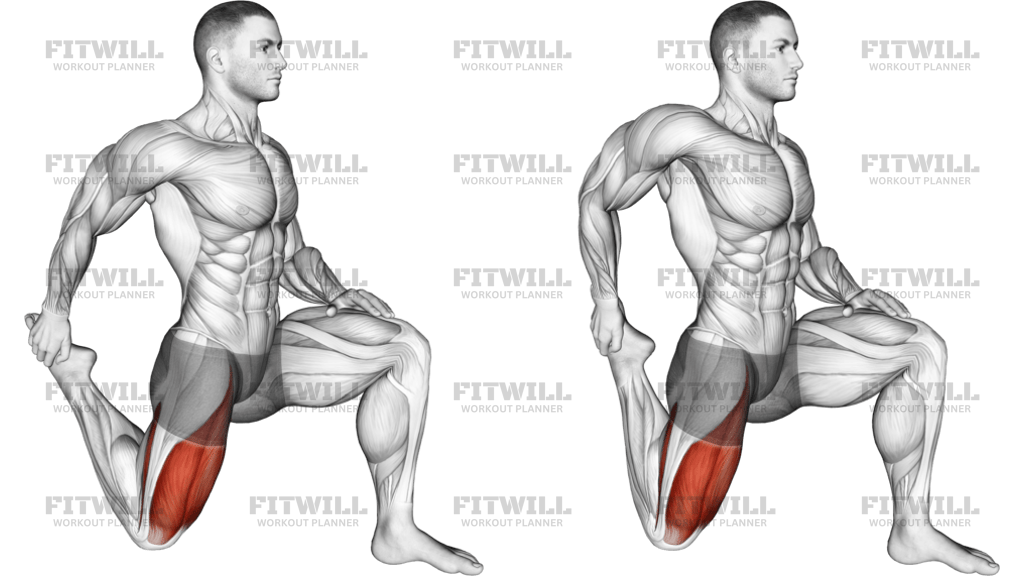
Supported One Leg Standing Hip Flexor And Knee Extensor Stretch is a standing rear-leg stretch for the quadriceps and hip flexors. The elevated back foot and upright torso create a long line through the front of the thigh while the front leg stays planted for balance. It is a controlled mobility drill, not a forceful backbend, and the setup matters as much as the stretch itself.
The main target is the front of the rear thigh, especially the rectus femoris, with additional length through the hip flexors of that side. The support point lets you balance without twisting the pelvis or dumping the stretch into the low back. When the torso stays stacked over the hips, the stretch stays where it belongs instead of leaking into the lumbar spine or the standing knee.
A good rep starts with a stable base: front foot flat, rear foot resting on a bench or box, and the support hand taking only enough pressure to stay steady. From there, gently squeeze the rear glute and tilt the pelvis slightly under so the low back stays long. Then glide the hips forward a few inches until the front of the rear thigh and hip open up. The goal is a strong, even stretch, not a dramatic arch.
This stretch fits well after lower-body lifting, running, cycling, or any session that leaves the quads and hip flexors feeling tight. It is also useful when the front of the hip feels stiff from sitting. Use a low support first, breathe slowly while holding the position, and come out of the stretch with control. If the knee feels compressed or the low back starts to pinch, reduce the range and reset the posture before going deeper.
[ Workout Log & Planner ]
Put your next workout in Fitwill
Keep your plan and training log ready when you are.


Instructions
- Stand beside a bench or box and place the back foot on top with the knee bent and the top of the foot resting on the pad.
- Take a light hold on the support with the same-side hand or the hand that keeps you most balanced.
- Keep the front foot flat on the floor and set it far enough forward that you can stay tall without tipping.
- Square your hips and stack your ribs over your pelvis before you move.
- Gently squeeze the back-leg glute and tuck the pelvis just enough to keep the low back long.
- Glide the hips forward a few inches until you feel a strong stretch through the front of the rear thigh and hip.
- Keep breathing slowly and relax the neck, shoulders, and free arm while you hold the position.
- Hold for the prescribed time, then ease out of the stretch without jerking the back leg off the support.
- Repeat on the other side with the same setup and hold time.
Tips & Tricks
- Use a low support first; a tall box often turns this into a low-back arch instead of a quad stretch.
- Keep the front foot rooted so the stretch stays in the rear leg instead of wobbling through the pelvis.
- The rear knee should be bent enough to load the quad, but not so much that the joint feels compressed against the support.
- A slight posterior pelvic tilt usually increases the front-of-thigh stretch more than pushing the chest forward.
- If the front of the hip is tight, think about squeezing the rear glute before you shift forward.
- Do not let the lifted knee flare wide; that usually opens the hip and reduces the target stretch.
- Keep the support hand light. If you are hanging on it, the position is too aggressive.
- Back off immediately if you feel pinching in the lumbar spine or sharp pain in the knee.
- Shorter holds with clean alignment are better than forcing a deeper position.
- Use this after lower-body training or conditioning, when the tissue is already warm.
Frequently Asked Questions
What does Supported One Leg Standing Hip Flexor And Knee Extensor Stretch target most?
It mainly targets the rear leg's quadriceps and hip flexors, especially the rectus femoris.
Is this more of a hip flexor stretch or a quad stretch?
It is both. The bent knee and extended hip of the rear leg make it a strong front-of-thigh stretch.
How high should the bench or box be?
Low enough that you can keep your pelvis square and your low back neutral. For most people, lower is better.
Should I hold the support with a strong grip?
No. The hand is there for balance, not to pull yourself into a deeper stretch.
Where should I feel the stretch?
Across the front of the rear thigh and into the front of the hip, not in the knee joint or low back.
Can beginners do this version?
Yes, if they start with a low support and a small range of motion.
Why does my low back take over?
Usually the ribs are drifting forward or the pelvis is tipping too far. Tuck slightly and keep the torso stacked.
What can I use instead of a bench?
A box, low step, padded platform, or couch edge works as long as it is stable.