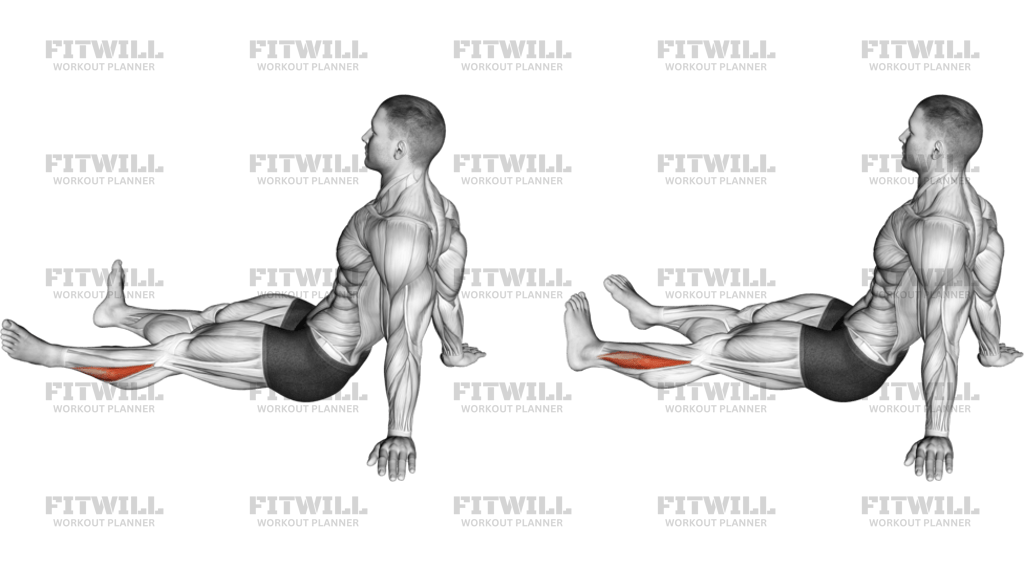
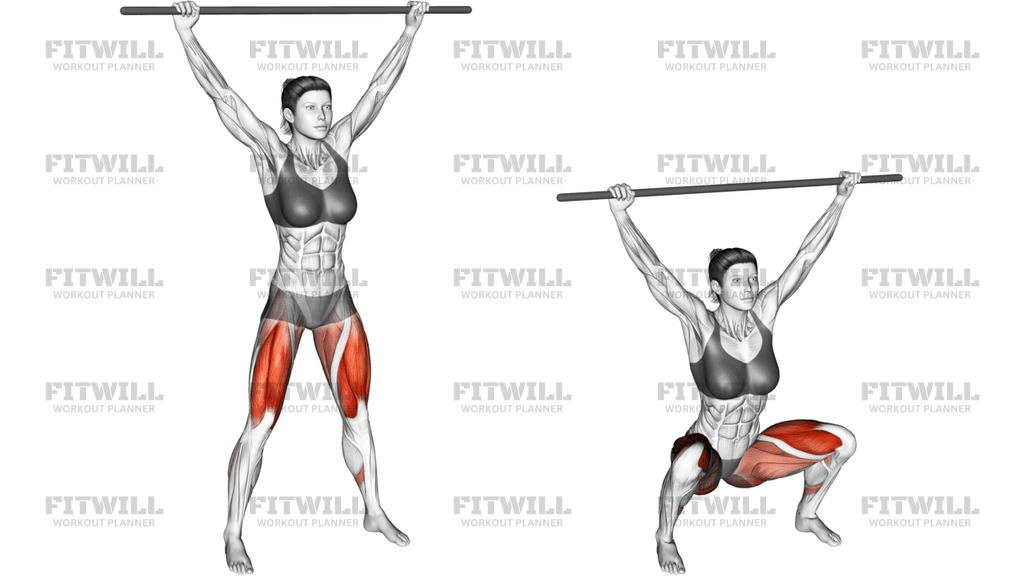
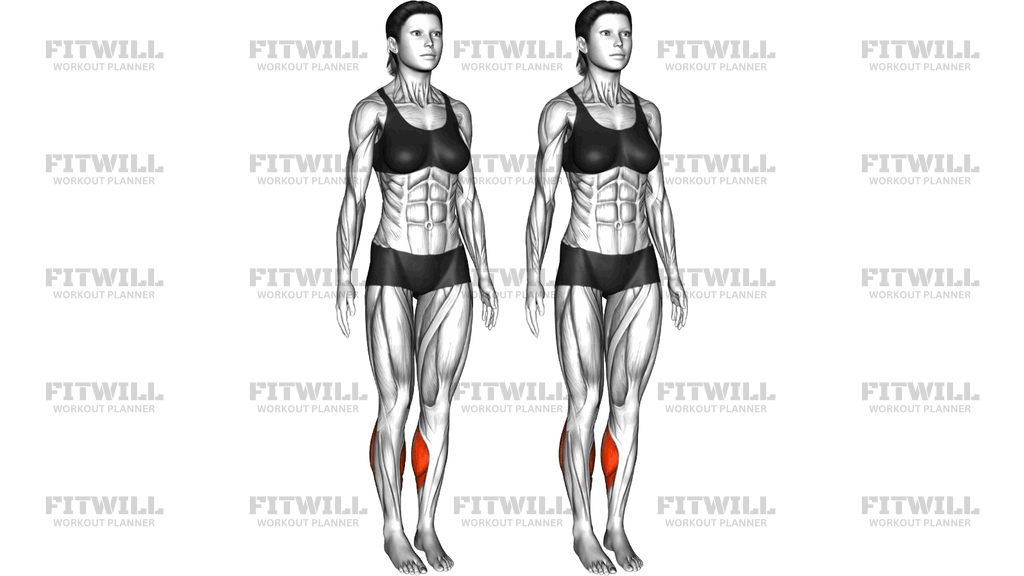
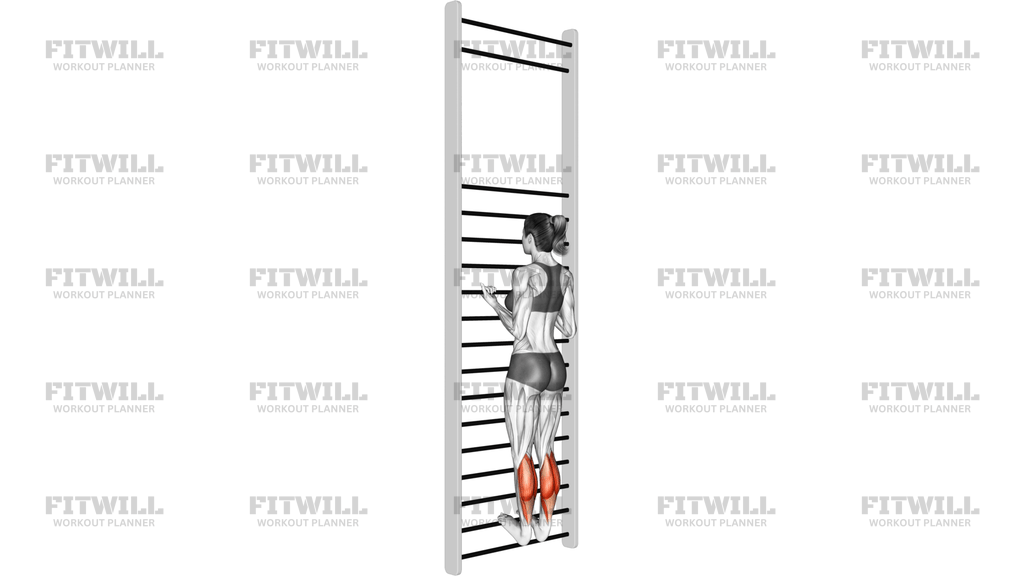
Double Kneeling Shin Stretch
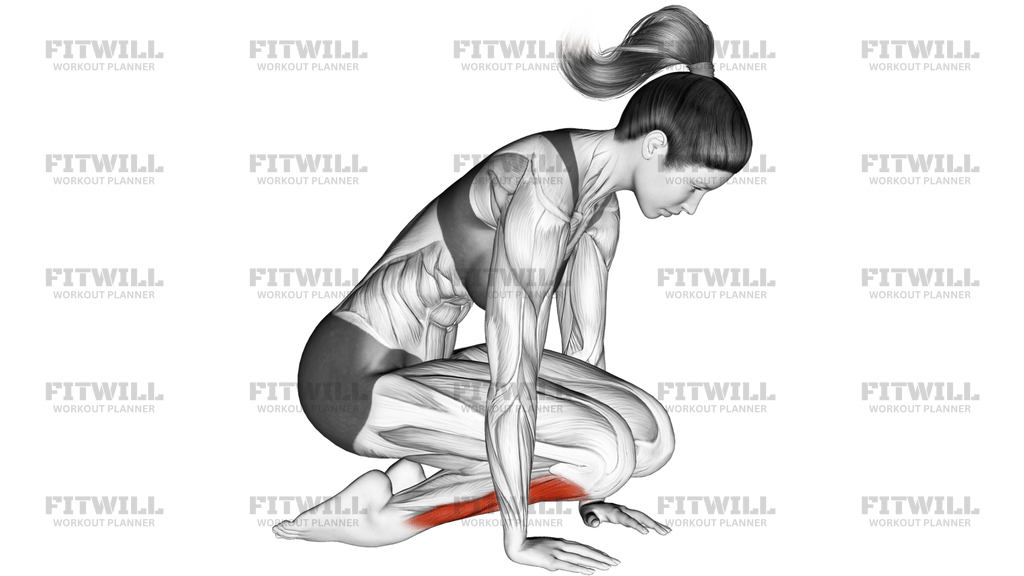
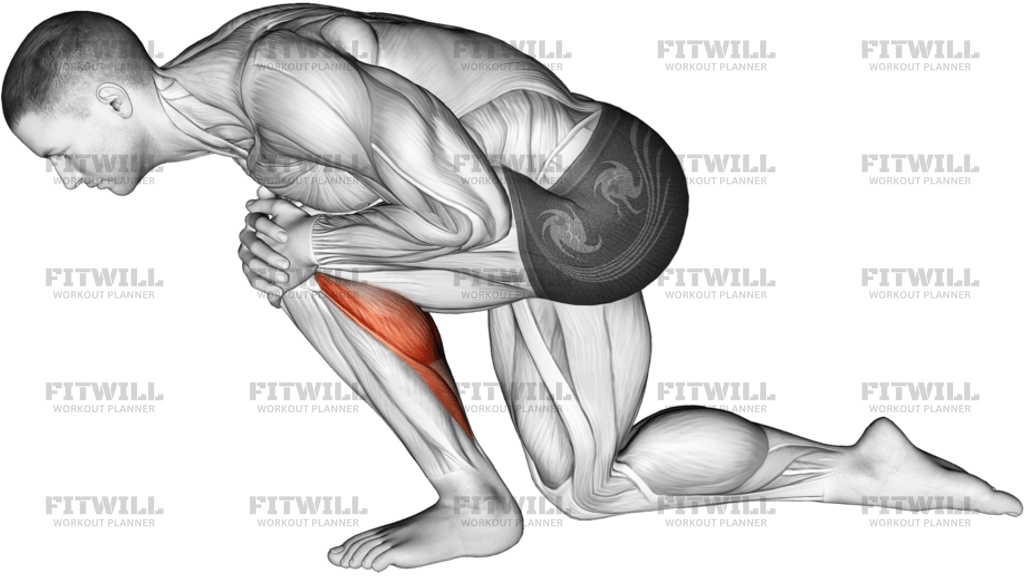
Double Kneeling Shin Stretch is a floor-based mobility drill for the front of the lower leg, ankles, and feet. It is performed on an exercise mat with both knees down and the tops of the feet on the floor, then sitting the hips back to create a controlled stretch through the shins and ankle flexors. The movement looks simple, but the setup matters because a small change in knee width, ankle angle, or how far you sit back can turn it from a useful mobility drill into a sharp kneeling position.
This exercise is useful when the front of the ankles feels stiff, the toes and feet are tired from running or jumping, or you want a low-intensity reset between harder lower-body sets. It is often used in warm-ups, mobility blocks, recovery sessions, or as a short cooldown after work that loads the feet and ankles. The goal is not to force a dramatic stretch; the goal is to find a pressure level you can breathe through while keeping the knees, hips, and trunk organized.
Double Kneeling Shin Stretch also asks for a little active control, not just passive sitting. As you ease the hips back, the stretch should spread across the front of the shins and into the ankles, while the hands stay ready on the floor for balance. If the knees drift too far apart or the hips shift hard to one side, the stretch stops being even and the pressure can move into the knees instead of the lower legs. A steady setup makes it easier to hold the position without compensating.
Because this is a stretch, the best repetitions are the ones that stay calm and repeatable. Move in gradually, pause long enough to let the tissue settle, then come out with the same control you used to enter it. That rhythm lets you accumulate useful time in the end range without bouncing or fighting the floor. It is a good choice for beginners because the intensity is easy to adjust, but it still rewards attention to detail from experienced lifters.
Use Double Kneeling Shin Stretch when you need better ankle comfort for squats, lunges, crawling patterns, or any movement that asks the feet and lower legs to tolerate deep positions. Keep the stretch pain-free and respect the front of the knees; if the pressure feels harsh on the joint instead of the shin and ankle, reduce how far you sit back or shorten the hold. The position should feel like a controlled mobility drill, not a forced test of flexibility.
Fitwill
Log Workouts, Track Progress & Build Strength.
Achieve more with Fitwill: explore over 9600 exercises with images and videos, access built-in and custom workouts, perfect for both gym and home sessions, and see real results.
Start your journey. Download today!




Instructions
- Place an exercise mat on the floor and kneel with both knees under your hips, hands on the floor in front of you for support.
- Set the tops of your feet flat on the mat and keep your toes pointed straight back so both ankles are loaded evenly.
- Keep your knees about hip-width apart and stack your torso over your thighs before you shift any weight back.
- Brace lightly through your trunk and start to sit your hips toward your heels until you feel a stretch across the shins and ankles.
- Hold the position with your hands supporting as much balance as you need, keeping the pressure even on both feet.
- Breathe slowly into the stretch and avoid forcing the hips lower once the front of the lower legs reaches a strong but tolerable tension.
- Pause for a short hold, then ease your hips forward to reduce the stretch without yanking the knees or ankles.
- Repeat the sit-back and release for the planned reps, keeping both sides symmetrical and stopping if the front of the knees feel pinched.
Tips & Tricks
- The stretch should land in the front of the shins and ankles, not as a sharp pressure on the kneecaps.
- Keep the tops of both feet down; if one foot lifts, that ankle is usually doing less work than the other.
- If the position is too intense, widen the knees a little or sit back less so the load is easier to tolerate.
- Keep your hands on the floor so you can control the amount of bodyweight you send into the stretch.
- Do not twist the hips to one side to escape the tension, or one ankle will get most of the load.
- A slow exhale often lets you sink a little deeper without forcing the knees forward.
- Use a thicker mat if the floor pressure distracts you more than the ankle stretch itself.
- Short, repeated holds usually work better than long, forced holds when the front of the ankles are very stiff.
Frequently Asked Questions
What does Double Kneeling Shin Stretch target most?
It mainly targets the front of the lower leg, especially the ankle and shin area, while the feet and knees help hold the position.
Can beginners perform this exercise?
Yes. It is usually very beginner-friendly because you can control the intensity by how far you sit back and how much weight you place through your hands.
Should my toes point back or tuck under in Double Kneeling Shin Stretch?
Keep the tops of the feet on the floor with the toes pointed back. Tucking the toes changes the stretch and reduces the direct load on the shin and ankle line.
What is a common mistake with the knee and foot setup?
Letting the knees flare wide or letting one foot slip out of position usually makes the stretch uneven. Keep both knees lined up and both feet flat so the pressure stays balanced.
Why do I feel this more in my knees than my shins?
That usually means you are sitting back too far or using too little padding. Reduce the depth, add a thicker mat, and keep the pressure focused on the lower leg instead of forcing the joint.
How long should I hold the stretch?
Short holds of 15-30 seconds work well for most people, especially if the ankles are stiff. Use multiple calm holds instead of forcing one long, aggressive position.
Can I use Double Kneeling Shin Stretch before squats or lunges?
Yes. It is a good warm-up choice when you want the ankles and feet to tolerate more knee travel in squats, lunges, or crawling drills.
What should I do if the tops of my feet cramp?
Back out of the stretch, reset the feet, and keep the hold shorter. If cramping keeps happening, reduce the depth and spend less time at the end range.