Seated Toe Extensor Stretch
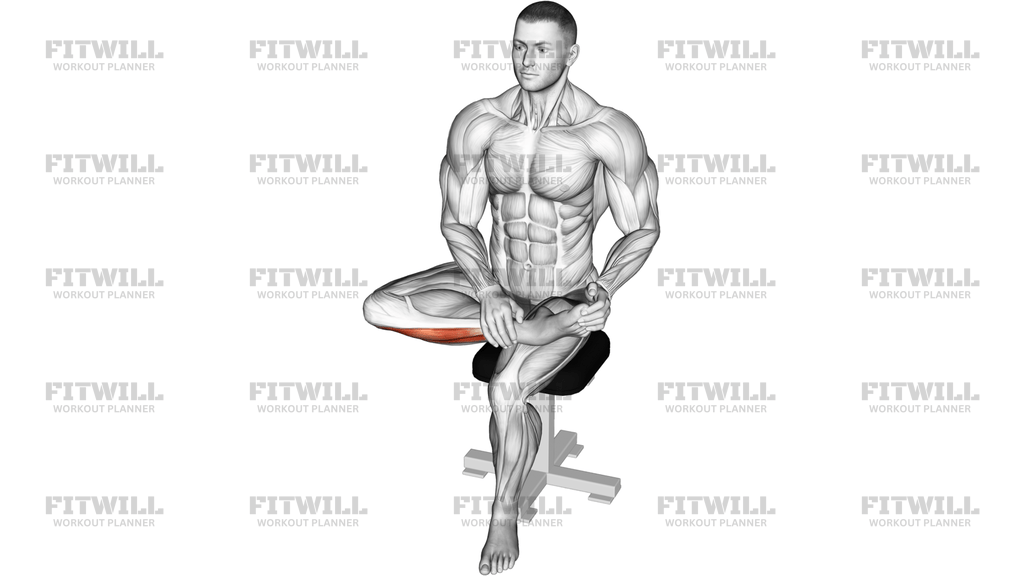
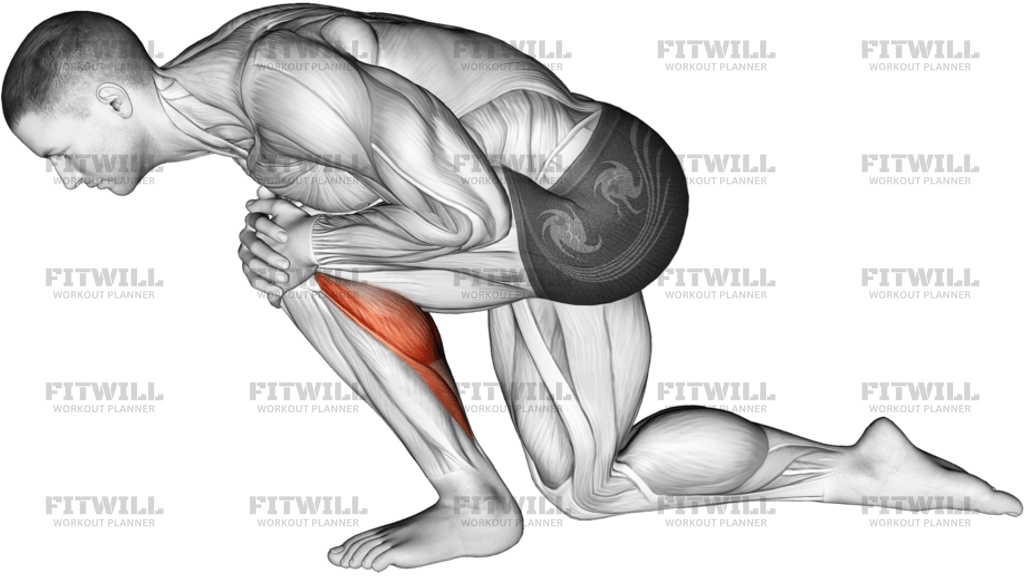
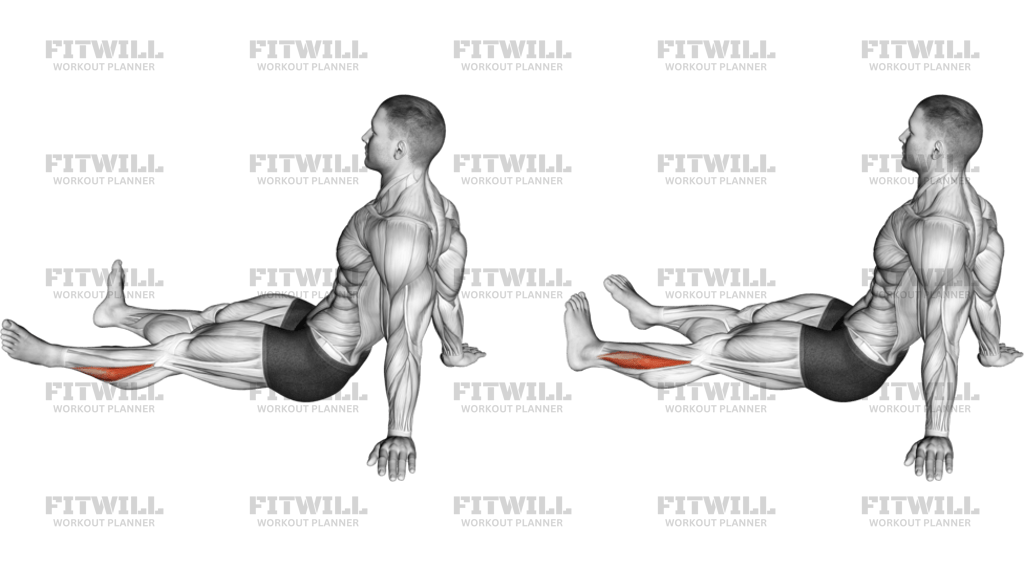
Seated Toe Extensor Stretch is a seated mobility drill that lengthens the muscles and tendons along the top of the foot and front of the ankle. In the image, the stretch is done from a supported seated position with one ankle crossed over the opposite thigh, which lets you control the foot directly instead of relying on bodyweight alone. That setup matters because toe and foot stretches can turn into joint pressure very quickly if the knee, ankle, or toes are forced into the position instead of eased there.
This movement is useful when the top of the foot feels tight from running, squatting, kneeling, barefoot work, or long periods in stiff shoes. The target sensation should be a steady pull across the toe extensors and instep, not a sharp pinch in the toes or inside the knee. A clean rep is calm and precise: sit tall, keep the lifted leg relaxed, and guide the foot only as far as you can keep breathing normally.
The seated position gives you a simple way to dose the stretch. You can soften or deepen it by changing how much you curl the toes, how much you pull the forefoot, and how high the crossed leg sits on the opposite thigh. The goal is not to win a bigger range every second, but to find a repeatable position that opens the front of the foot without cramping the arch or collapsing the ankle.
Use this stretch in a warm-up, between lower-body sets, or during a cool-down when you want better foot comfort and ankle mobility. It works well for beginners because the range is easy to control, but it still rewards careful pacing. Keep the pressure mild, release slowly, and stop if the stretch turns into pain, numbness, or a hard pinch at the toes.
Fitwill
Log Workouts, Track Progress & Build Strength.
Achieve more with Fitwill: explore over 9600 exercises with images and videos, access built-in and custom workouts, perfect for both gym and home sessions, and see real results.
Start your journey. Download today!




Instructions
- Sit on a bench or chair with one foot planted and the other ankle crossed over the opposite thigh.
- Keep your torso tall and let the lifted leg relax so the top of the foot can move freely.
- Hold the forefoot and toes with both hands, one hand stabilizing the ankle and the other controlling the toes.
- Gently curl the toes and forefoot toward the shin until you feel a mild stretch across the top of the foot.
- Keep the crossed knee quiet and avoid twisting the leg inward to fake more range.
- Breathe out as you settle into the stretch and keep the pressure smooth instead of bouncing.
- Pause at the end range for a controlled hold, then ease off slowly before the foot starts to cramp.
- Reset the ankle and repeat on the other side with the same amount of pressure.
Tips & Tricks
- Aim for a stretch in the top of the foot and front of the ankle, not a pinch in the knee joint.
- If the toes cramp, reduce the pull and keep the forefoot closer to neutral for a few breaths.
- A higher crossed-leg position usually feels easier on the knee than letting the ankle hang low.
- Use one hand to stabilize the ankle so the other hand does not drag the whole leg around.
- Small changes in toe curl matter more than force; a few millimeters is often enough.
- Exhale slowly while you settle deeper so the foot muscles stop guarding against the stretch.
- If the arch starts to wrinkle hard or feel sharp, back off before the tension spreads into the midfoot.
- This stretch should feel controlled and local; if you feel it in the hip or low back, reset the seated position.
Frequently Asked Questions
What muscle does Seated Toe Extensor Stretch target most?
It mainly targets the toe extensors and the tissues across the top of the foot and front of the ankle.
Can beginners perform this exercise?
Yes. It is beginner-friendly because you can control the stretch with your hands and keep the pressure very light.
Where should I feel the stretch?
You should feel it across the top of the foot, through the toes, or lightly at the front of the ankle. It should not feel like a sharp knee twist.
How do I set up the seated position?
Sit on a bench or chair, plant one foot, and cross the other ankle over the opposite thigh so you can reach the toes and forefoot easily.
Should I pull hard on the toes?
No. Use just enough pressure to create a steady stretch. Pulling hard usually turns the stretch into toe or arch discomfort.
Can I use this before squats or running?
Yes. It can work well before lower-body training if you want the front of the foot to feel looser and more mobile.
What mistake makes this stretch less effective?
Letting the knee, hip, or whole leg rotate to chase range hides the real foot tension and makes the stretch less precise.
What should I do if my toes cramp?
Back off the stretch, spread the toes a little, and use shorter holds with slower breathing until the foot relaxes.