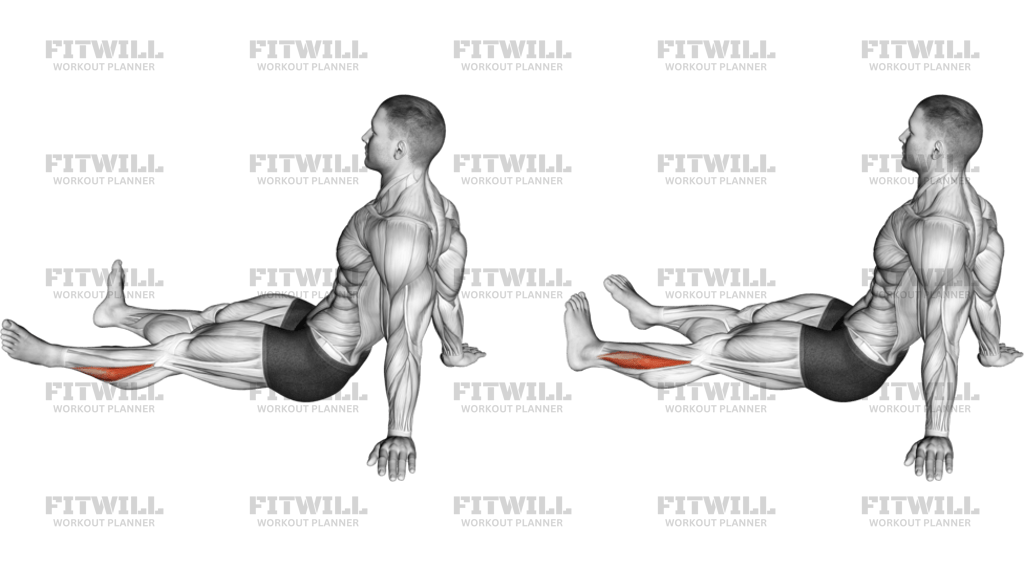
Seated Toe Flexor Stretch
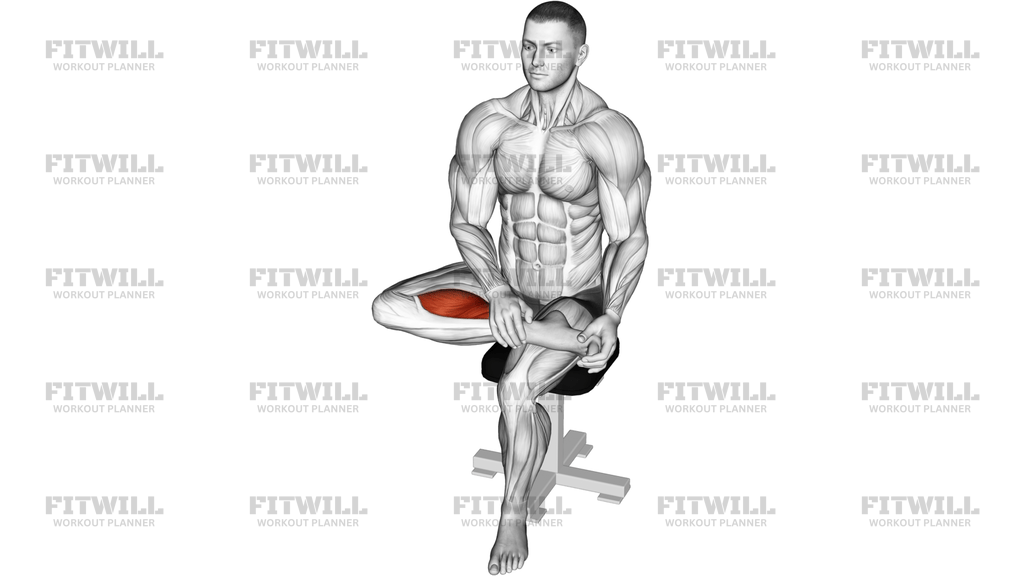
Seated Toe Flexor Stretch is a seated mobility drill for the toes, forefoot, plantar fascia, and lower calf. The goal is not to force a dramatic range, but to create a clean, repeatable stretch through the small flexor muscles of the foot while the ankle, knee, and hips stay relaxed enough to let the tissues open up.
The setup matters because toe and foot stretches often get turned into sloppy knee or ankle twists. In a good position, the pelvis stays square, the spine stays tall, and the foot is supported so the stretch comes from toe extension and gentle tension through the sole rather than from collapsing the whole leg inward. That makes the stretch easier to control and easier to repeat on both sides.
Use a slow, steady pull to bring the toes back until you feel a firm stretch along the bottom of the foot, the toe flexors, and sometimes the lower calf. The pressure should feel clear but manageable, with no sharp pain, numbness, or pinching in the arch or big toe joint. A small lean of the torso can deepen the sensation, but it should never replace the actual toe stretch.
This movement fits well in a warm-up, cooldown, or recovery block, especially if your feet feel stiff after running, jumping, squatting, or long periods of standing. It can also help before sessions that demand better foot contact and balance. Keep the hold calm, release gradually, and change sides without rushing so the tissue has time to settle instead of snapping back tight.
If the exercise feels more in the knee or inner thigh than in the foot, the position is usually off. Back off the range, reset the foot, and make the toe pull more precise. Beginners can use it as a gentle daily mobility drill, while more advanced lifters and runners can treat it as a targeted reset before lower-body training.
[ Workout Log & Planner ]
Put your next workout in Fitwill
Keep your plan and training log ready when you are.


Instructions
- Sit on a mat or bench and cross one ankle over the opposite thigh so the foot you are stretching is easy to reach.
- Keep your torso tall, your hips square, and the raised knee relaxed instead of twisting it outward.
- Stabilize the heel and midfoot with one hand while the other hand reaches across the toes and forefoot.
- Gently pull the toes back toward the shin until you feel a stretch through the sole of the foot and the toe flexors.
- Keep the ankle from rolling outward or inward so the stretch stays on the foot rather than the knee.
- Breathe out slowly as you settle into the position and keep your jaw, shoulders, and hands relaxed.
- Hold the end range for a controlled stretch, or use small pulse-free release-and-return motions if that is the version you are following.
- Ease the toes forward gradually, place the foot back down, and repeat on the other side with the same setup.
Tips & Tricks
- Keep the heel anchored while the toes move; if the whole foot rotates, the stretch is drifting away from the toe flexors.
- Pull through the toes and forefoot, not by yanking the knee farther across the body.
- A tall torso usually gives a cleaner stretch than folding hard over the leg.
- If the big toe joint feels jammed, reduce the pull and focus on a smoother extension through all the toes.
- Short, calm holds are better than forcing a large range that makes the arch cramp.
- If the front of the ankle pinches, move the foot higher on the opposite thigh and try again.
- Keep pressure even across the forefoot so one toe is not taking all the load.
- Stop if you feel tingling, numbness, or a sharp pull in the arch or inside of the ankle.
Frequently Asked Questions
What does Seated Toe Flexor Stretch target most?
It targets the toe flexors, the bottom of the foot, and the lower calf, with the biggest stretch usually felt through the sole and forefoot.
How do I set up the foot for this stretch?
Cross one ankle over the opposite thigh, keep the heel supported, and pull the toes back without twisting the whole leg.
Should I feel Seated Toe Flexor Stretch in my calf or in my foot?
The main sensation should be in the bottom of the foot and the toes, with the lower calf sometimes joining in if the ankle is tight.
Why does this stretch sometimes feel like it is in my knee?
That usually means the leg is twisting instead of the toes being pulled back cleanly. Reset the ankle position and keep the knee relaxed.
How long should I hold the stretch?
A short, steady hold works well for most people, usually long enough to feel the foot relax without letting the arch cramp.
Is this a good warm-up for squats or running?
Yes. It can help if your feet feel stiff before lower-body work, especially when you need better foot contact and toe mobility.
What is the biggest form mistake?
Forcing the whole leg into a twist or cranking the toes so hard that the arch or big toe joint starts to pinch.
Can beginners do Seated Toe Flexor Stretch safely?
Yes. Start with a gentle pull, keep the ankle supported, and stop well before any sharp pain or numbness appears.