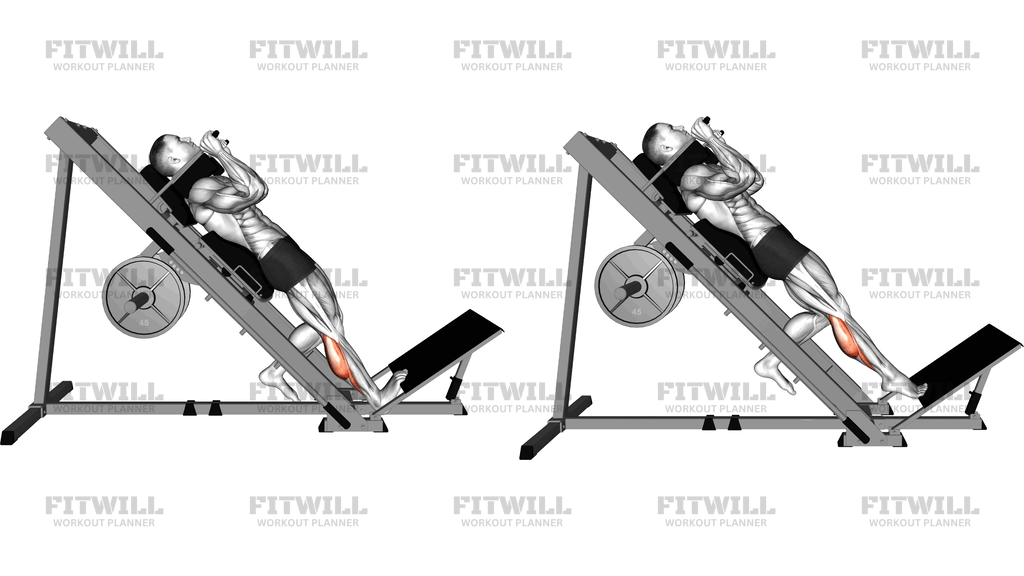
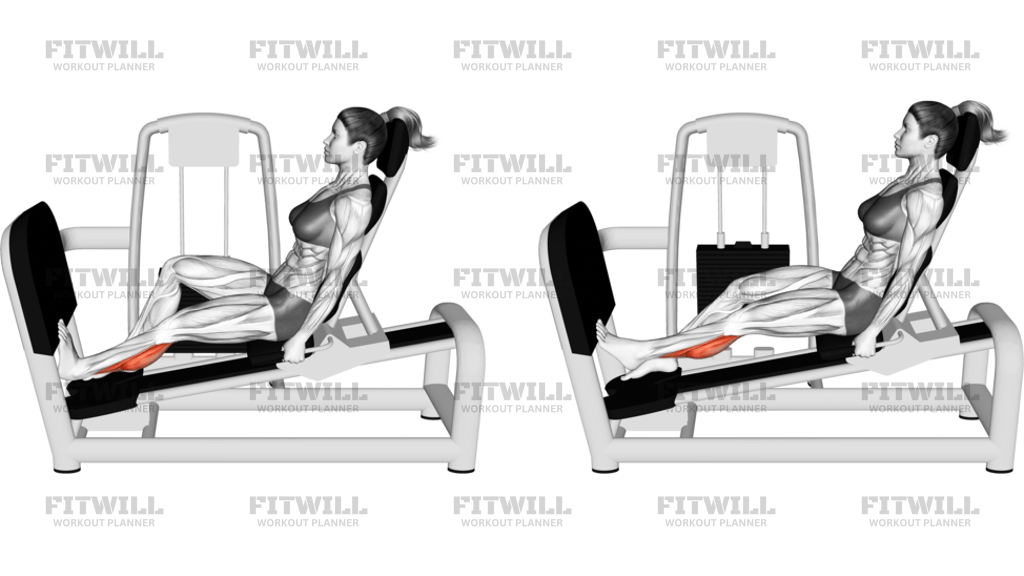
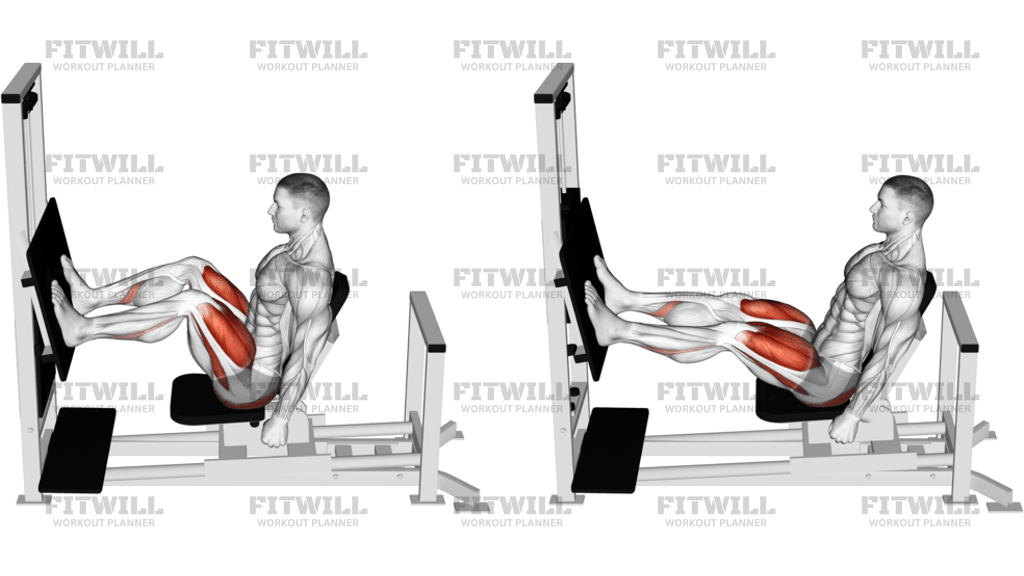
Lever Rotary Calf
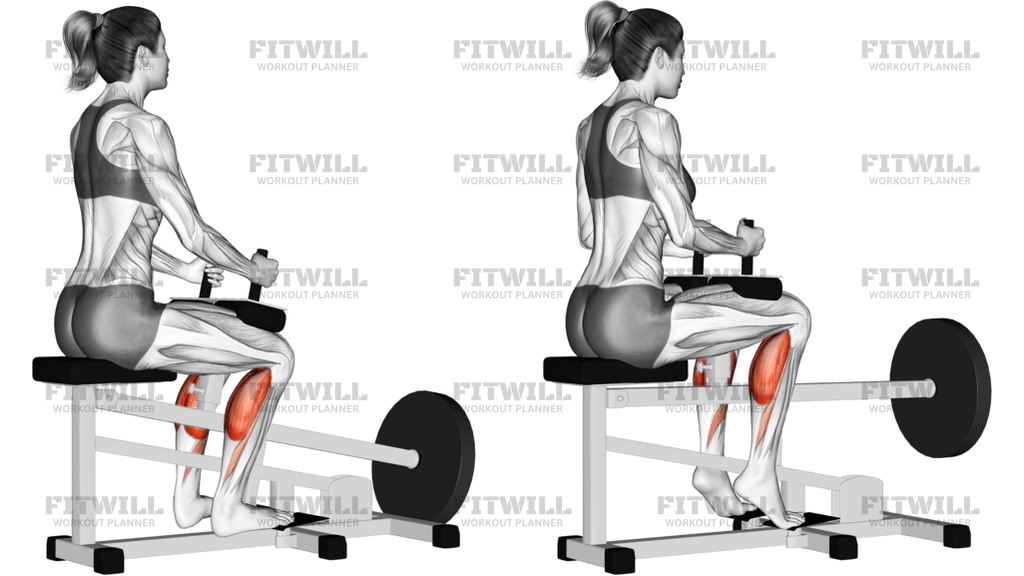
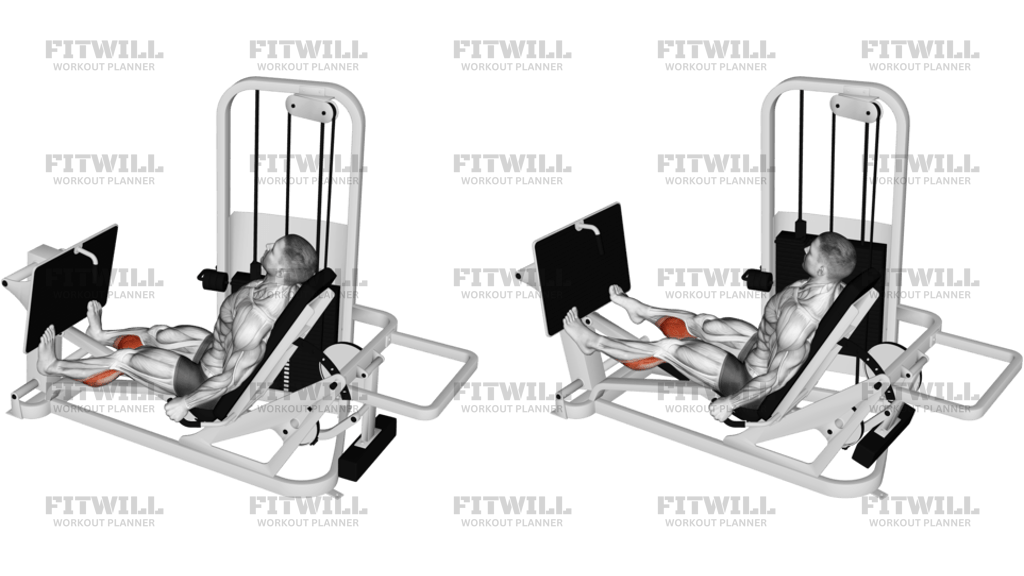
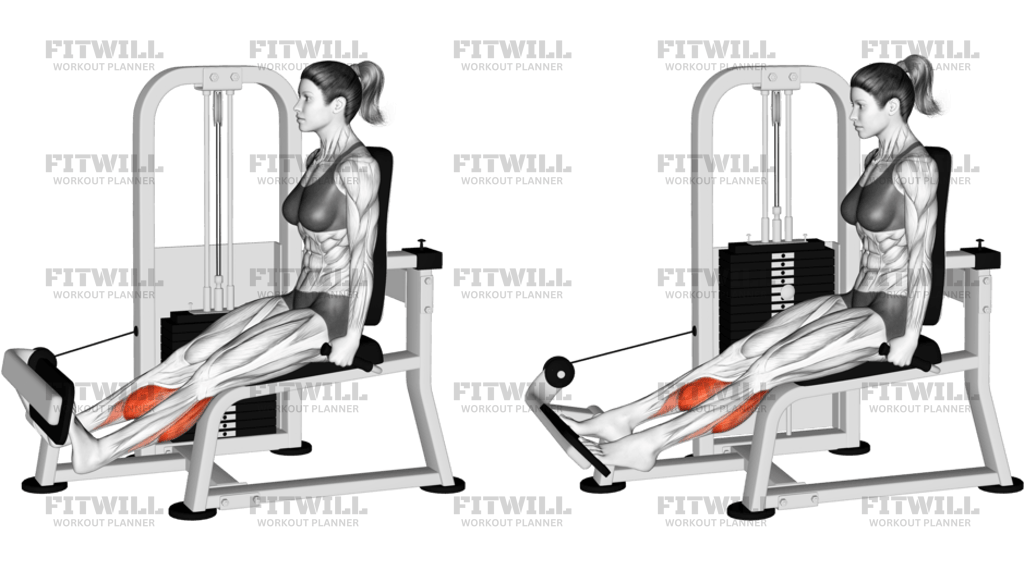
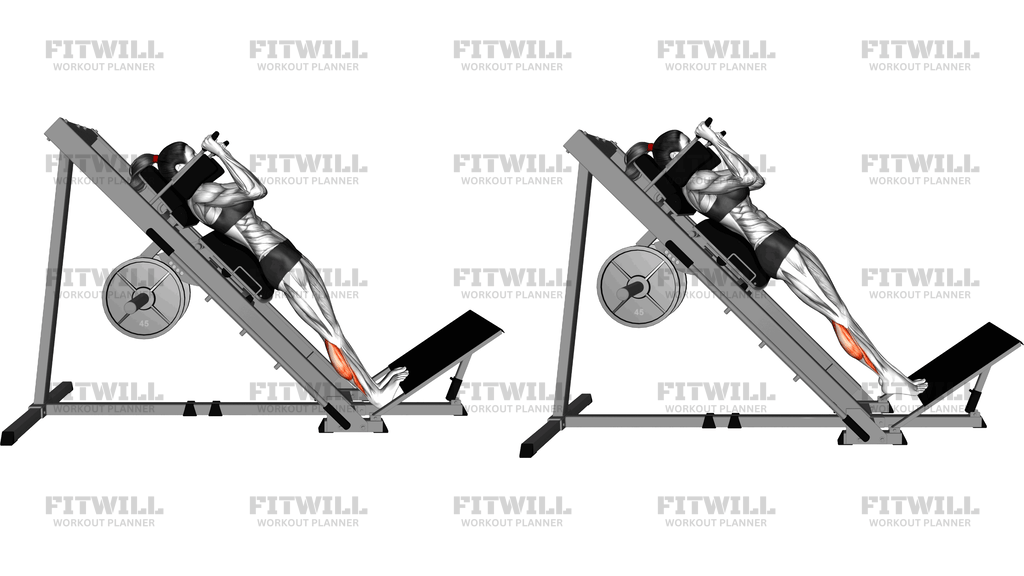
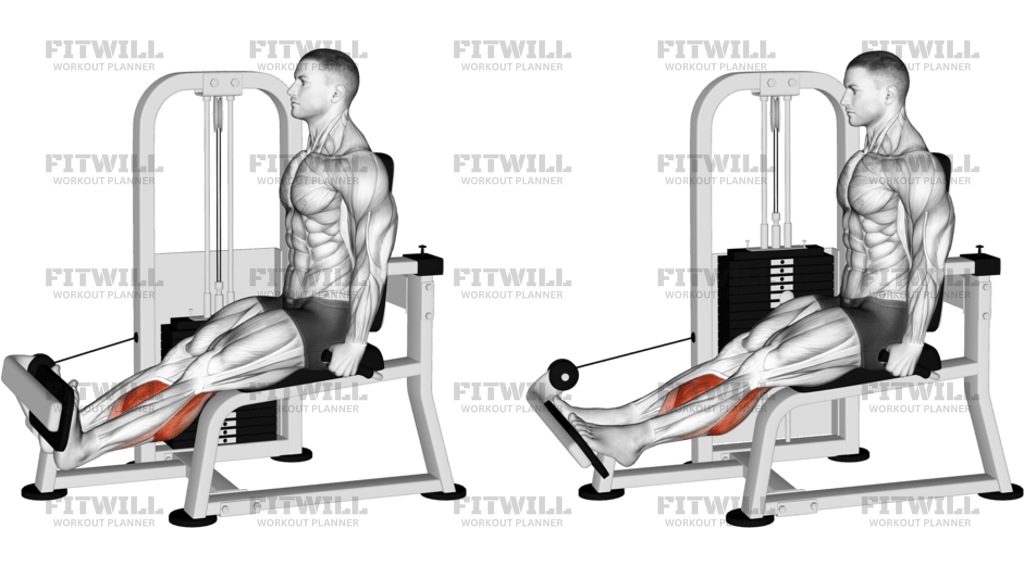
Lever Rotary Calf is a machine calf raise built around a guided lever and a fixed seated setup, so the ankle can do the work without requiring balance or body English. With the knees supported and the feet pushing through the machine footplate, the movement trains the calves through repeated plantarflexion while keeping the rest of the body quiet.
This exercise is especially useful when you want direct calf work with a stable machine path. The bent-knee position shifts a lot of the load onto the lower calf complex, while the lever arm keeps the resistance smooth from the first inch of the rep to the last. That makes the exercise a good fit for hypertrophy, controlled strength work, and higher-rep accessory sets.
The setup matters more than it first appears. Sit so your thighs and knees are held comfortably in place, place the balls of your feet on the platform, and let the heels hang enough to create a real stretch at the bottom. If your feet are too far forward or the seat is out of position, the lever will feel unstable and the calves will lose tension before the top of the rep.
Each repetition should begin from a quiet stretch, rise by pressing the forefoot down and lifting the heels, then finish with a short squeeze at the top before a slow return. Keep the ankles moving together, keep the hips pinned to the seat, and avoid bouncing off the bottom. The goal is smooth calf contraction through a full pain-free range, not a fast kick of the weight.
Lever Rotary Calf works well as a dedicated calf builder after compound lower-body lifts or as a stand-alone accessory when you want focused lower-leg volume. Beginners can learn it quickly because the machine removes a lot of balance demands, but the exercise still rewards precise foot placement, controlled tempo, and a load that does not force you to twist, bounce, or shorten the range.
Fitwill
Log Workouts, Track Progress & Build Strength.
Achieve more with Fitwill: explore over 9600 exercises with images and videos, access built-in and custom workouts, perfect for both gym and home sessions, and see real results.
Start your journey. Download today!




Instructions
- Sit on the rotary calf machine with your thighs supported, your knees comfortably bent, and the balls of your feet planted on the footplate while your heels hang free.
- Grip the handles or seat sides, keep your chest tall, and line your knees and toes up so the lever tracks straight over the middle of your feet.
- Start from the bottom by lowering your heels until you feel a strong calf stretch without letting your feet slip or your hips lift.
- Brace lightly through your torso, then press the balls of your feet into the platform to drive the heels upward.
- Lift through the ankles only and keep the knees and thighs anchored against the pad or seat.
- Pause for a brief squeeze at the top when your calves are fully shortened and the lever has risen as far as your range allows.
- Lower the weight slowly until the calves lengthen again and the heels return to the stretched start position.
- Keep your breathing steady and repeat for the planned number of repetitions before racking the machine carefully.
Tips & Tricks
- Place pressure through the big toe, second toe, and outer forefoot so the lever rises evenly instead of rolling to one side.
- Let the heels drop only as far as you can control; if the bottom stretch pulls your ankles or crams the Achilles, shorten the range slightly.
- Keep the thighs heavy on the support pad so the rep comes from ankle movement, not from shifting your body against the seat.
- Use a slow lowering phase because the bottom position is where the calves get the most useful tension on this machine.
- Do not bounce out of the stretched position; a dead stop and controlled drive are cleaner and safer on the rotary lever.
- If the top squeeze disappears, reduce the load until you can fully rise onto the forefoot without losing foot contact.
- Keep both feet moving together unless you intentionally switch to single-leg work for a side-to-side imbalance.
- Stop the set when the lever starts getting pushed by momentum, hip movement, or half reps instead of ankle force.
Frequently Asked Questions
What muscle does Lever Rotary Calf target most?
The calves are the main target, with the bent-knee setup putting a lot of emphasis on the lower calf complex.
Where should my feet sit on the lever?
Place the balls of your feet on the platform with your heels hanging off enough to create a stretch at the bottom without losing control.
Should my knees stay bent during the whole set?
Yes. Keep your thighs and knees supported so the ankles do the movement instead of letting the legs straighten and turn it into a different pattern.
What is the most common mistake on this machine?
Most people rush the bottom stretch or bounce the lever with their body instead of pressing cleanly through the forefoot.
Can I use a full range of motion?
Use the full range that stays pain-free. You want a clear heel drop and a full toe-point at the top, but not a forced stretch through the Achilles.
Can beginners use Lever Rotary Calf?
Yes. The machine is beginner-friendly because it removes balance demands, but light loads and slow reps are still important.
How do I keep the lever from wobbling side to side?
Keep both feet centered on the platform, drive evenly through the forefoot, and avoid shifting your hips or leaning into one leg.
How should I progress this exercise?
Increase load only when you can keep the same heel drop, top squeeze, and slow return without losing foot contact or turning the rep into a bounce.