Single Leg Squat With Support
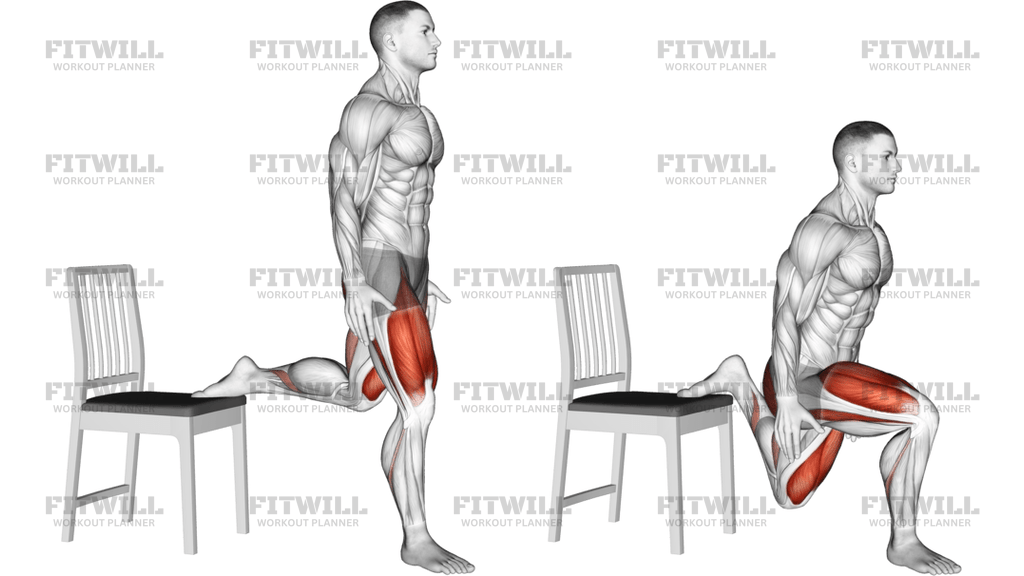
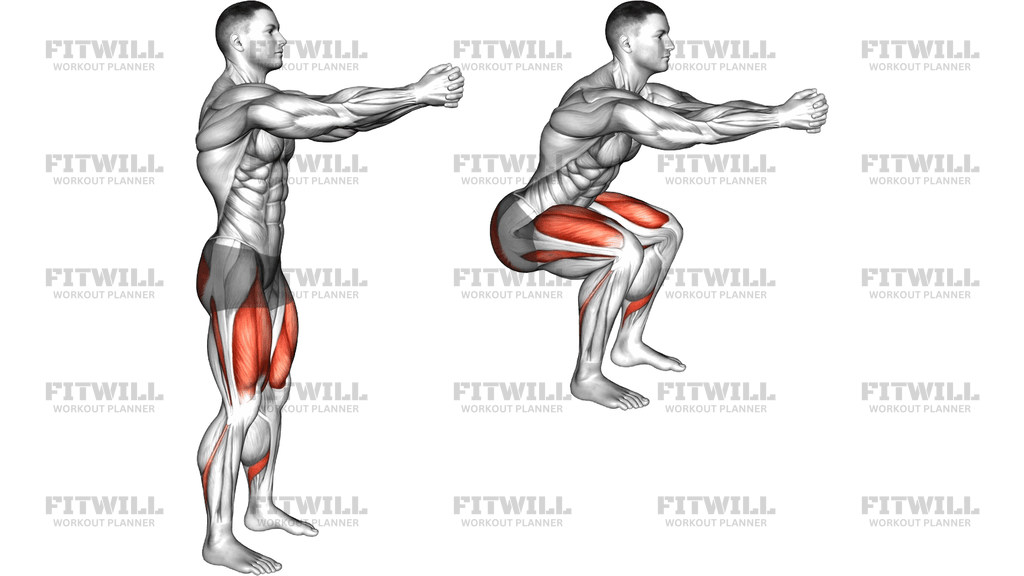
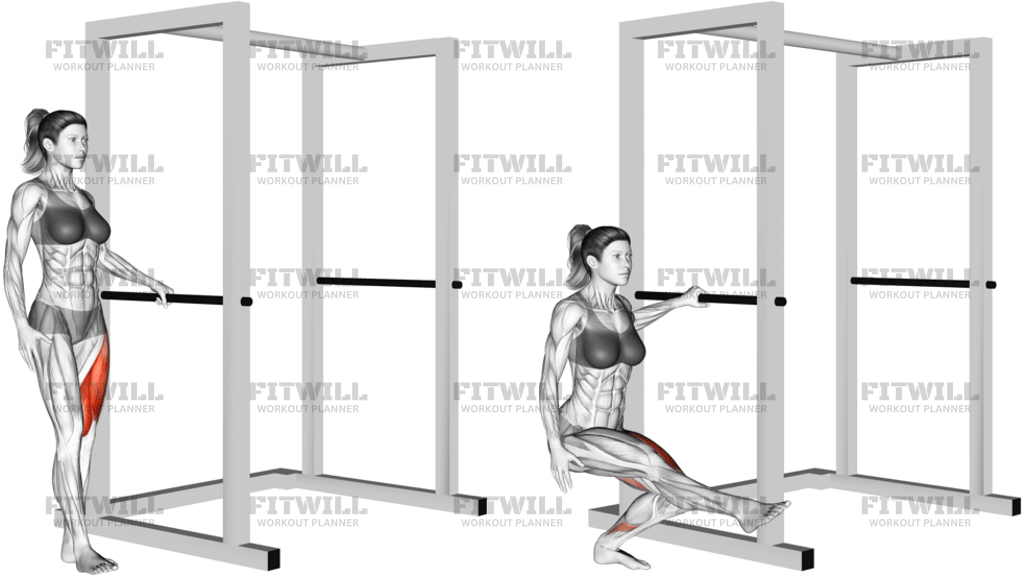
Single Leg Squat With Support is a body-weight unilateral squat performed beside a fixed bar or rack so you can train one leg hard without losing balance. The support hand gives just enough stability to keep the rep clean, but the working leg still has to control the entire lowering and standing phase. That makes this a useful option for building single-leg strength before moving to a true pistol squat.
The main emphasis is on the glutes and thighs of the standing leg, with the hamstrings, core, and lower back helping you stay stacked and controlled. Because the support reduces wobble, you can focus on how the hip, knee, and ankle line up through the rep instead of fighting for balance. It is especially helpful when one side is clearly weaker, when body-weight squats are no longer challenging, or when you want a low-equipment lower-body accessory.
Set up beside a stable rack bar or upright and hold it lightly with the hand closest to the support. Plant the working foot flat, then lift the other leg slightly forward so the heel stays off the floor. Keep the torso tall, ribs stacked over the pelvis, and the standing knee ready to track over the middle toes before you start the descent.
Lower by bending the standing knee and hip together, as if sitting back and down to a low seat. Let the free leg stay extended forward rather than dropping under you, and keep the heel of the working foot planted. At the bottom, the pelvis should stay level as much as possible; then drive through the midfoot and heel to stand back up without yanking on the bar.
The exercise works well in warm-ups, accessory lower-body sessions, and any program where clean repetition quality matters more than loading. Use a smaller range if the heel lifts, the knee dives inward, or the trunk has to twist to finish the rep. Over time, you can make the movement harder by reducing hand pressure, pausing at the bottom, or slowing the lowering phase while keeping the same smooth path. It also teaches you how to own the bottom position without collapsing into the support side, which carries over well to other one-leg squatting and step-up patterns.
[ Workout Log & Planner ]
Put your next workout in Fitwill
Keep your plan and training log ready when you are.


Instructions
- Stand beside a fixed rack bar or upright and hold it lightly with the hand closest to the support.
- Plant the working foot flat on the floor and lift the other leg slightly forward so the heel stays off the ground.
- Stack your ribs over your pelvis, keep your chest tall, and brace your trunk before you descend.
- Bend the working knee and hip together, sitting back and down while keeping the free leg extended forward.
- Keep the working heel planted and let the knee track over the middle toes as you lower.
- Descend until you reach the deepest position you can control without losing balance or letting the pelvis twist.
- Drive through the midfoot and heel to stand back up, using the hand only for light balance.
- Exhale as you rise, reset the free leg, and repeat on the same side before switching.
Tips & Tricks
- Hold the bar lightly; if you pull hard with the arm, the standing leg stops doing the work.
- Keep the free leg out in front of you. Letting it drop underneath usually turns the rep into a different squat pattern.
- If the working heel starts to peel up, shorten the range before you chase depth.
- Aim the standing knee over the second or third toe so the hip does not collapse inward.
- Use a slower lowering phase to make the glute and thigh work harder without adding weight.
- Pause for a beat near the bottom if you tend to bounce off the end range.
- If your torso folds forward, lower a little less and keep the chest lifted instead of reaching for extra depth.
- Reduce hand pressure over time to progress the exercise without changing the setup.
- Stop the set when the pelvis starts rotating or the free leg swings to save the rep.
Frequently Asked Questions
What muscles does Single Leg Squat With Support train?
It mainly trains the glutes and thighs on the standing leg, with the hamstrings, core, and lower back helping you stay controlled.
How much should I use the support bar?
Use only enough pressure to keep your balance. If the bar starts to pull you through the rep, the working leg is no longer getting the full challenge.
What should my free leg do during Single Leg Squat With Support?
Keep it lifted slightly in front of you instead of letting it hang under the body. That position helps keep the squat honest and prevents the other foot from taking over.
How low should I go on Single Leg Squat With Support?
Go as low as you can while keeping the working heel down, the knee tracking over the toes, and the pelvis level. Depth should never come from twisting or bouncing.
Is Single Leg Squat With Support good for beginners?
Yes. The support makes the balance demand manageable while you learn single-leg control, so it is a good bridge toward unassisted pistol squat work.
Why does my knee cave inward on this exercise?
That usually means the hip is losing control or the range is too deep for the current setup. Shorten the squat slightly and keep the knee aimed over the middle toes.
How is this different from a pistol squat?
The movement pattern is similar, but the support bar removes some balance demand so you can focus on one leg at a time with better control.
Where should I hold the support bar?
Hold a fixed bar or upright around waist to chest height, wherever you can stay tall without leaning or shrugging into the shoulder.