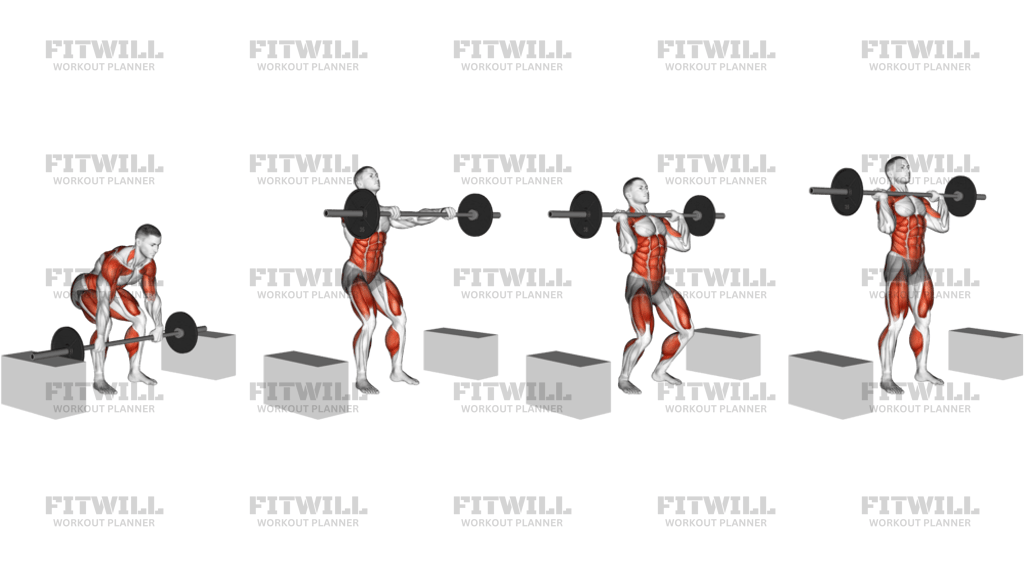
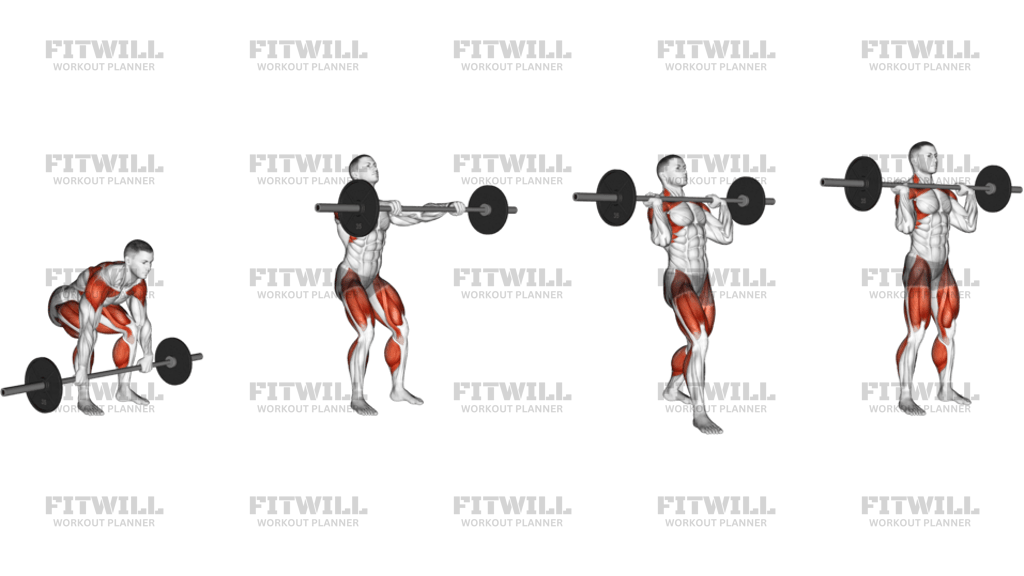
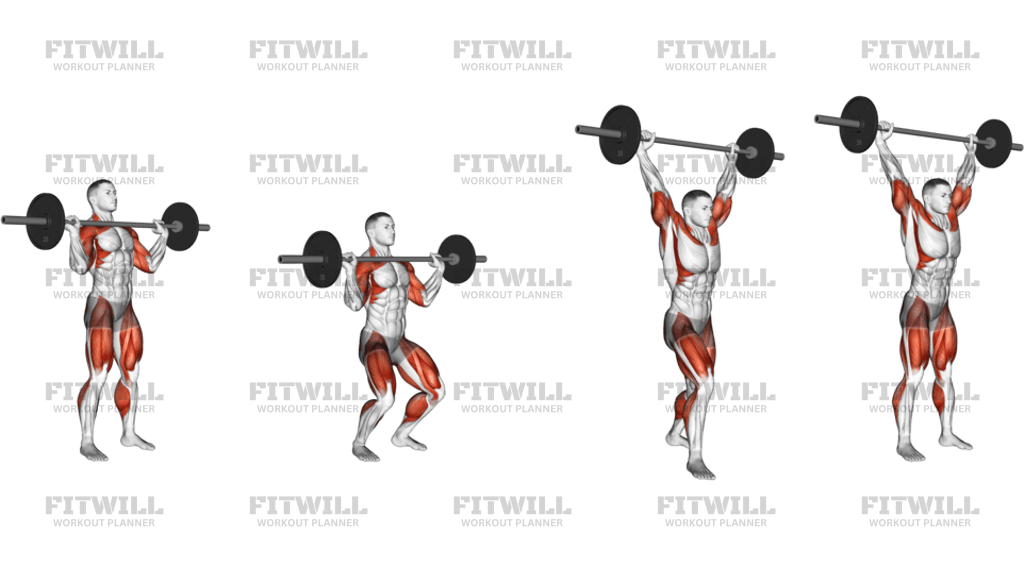
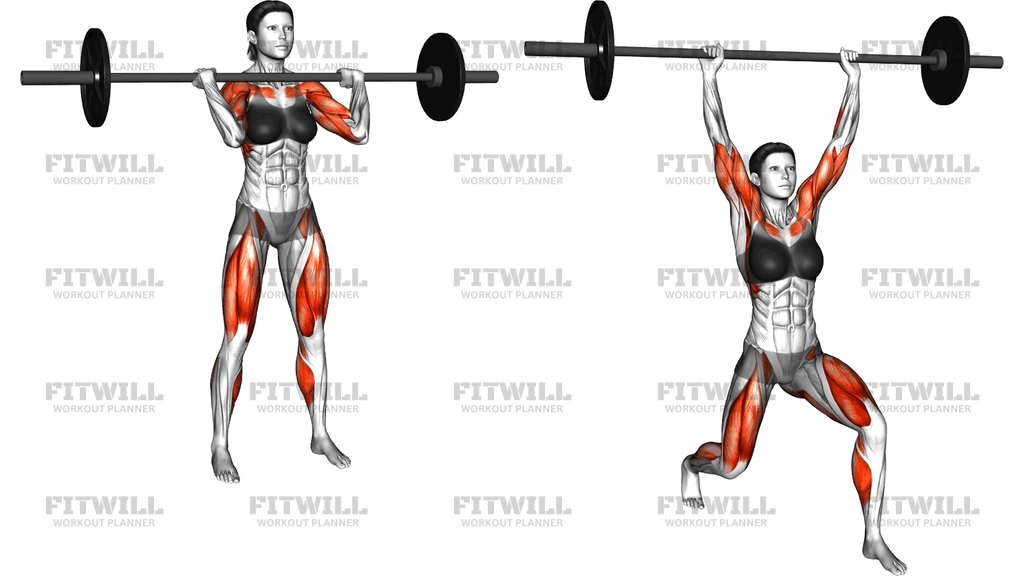
Strongman Crucifix Hold
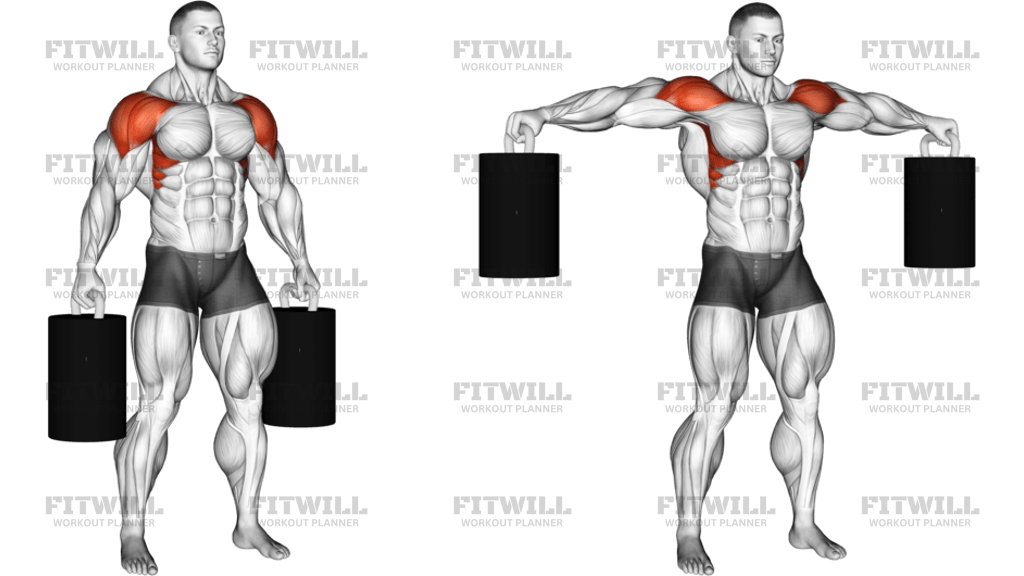
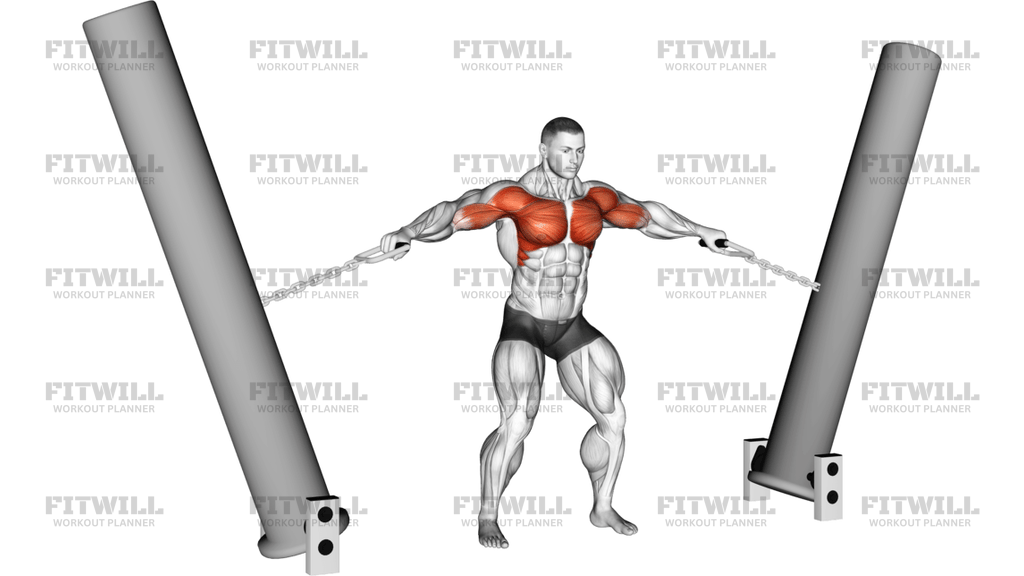
Strongman Crucifix Hold is an isometric shoulder and upper-back exercise where you stand tall and hold two implements out to the sides at roughly shoulder height. The position looks simple, but the leverage is severe: the farther your arms travel from your torso, the more the deltoids, upper traps, rotator cuff, grip, and trunk have to work to keep the arms steady.
This hold is useful for building shoulder endurance, posture under load, and the kind of static control that carries over to strongman events, overhead work, and demanding carries. It is not a speed or power movement. The goal is to create a clean T-shaped body position and keep it from collapsing into shrugging, leaning, elbow bend, or rib flare.
Setup matters more here than in many exercises because a poor start immediately turns the hold into a neck and low-back compensation drill. Start with your feet planted, ribs stacked over pelvis, and the shoulder blades set without pinching hard together. Keep the wrists neutral and the implements level so the load sits in the hands instead of tugging them out of position.
During the hold, think about reaching wide through the hands while keeping the shoulders down and the torso quiet. The elbows should stay long without being aggressively locked, and the arms should remain at a level you can own for the full prescribed time. Small, steady breaths are better than big chest breaths that pop the ribs forward and make the shoulders drift.
Because the lever arm is long, this exercise usually needs lighter loading than people expect. It works well as accessory strength, grip and shoulder endurance work, or a finishing test after heavy presses and pulls. If the shoulders start to rise, the body starts to lean, or one arm drops first, the set is done. That is the point where the challenge has shifted from clean control to compensation.
[ Workout Log & Planner ]
Put your next workout in Fitwill
Keep your plan and training log ready when you are.


Instructions
- Stand tall with your feet about hip-width apart and a weight in each hand, letting the implements hang by your sides first.
- Stack your ribs over your pelvis, look forward, and let your shoulders settle down away from your ears before you lift.
- Brace your midsection and keep your wrists neutral so the handles sit deep in your hands.
- Raise both arms out to the sides until they are level with your shoulders, keeping the elbows long and the hands steady.
- Keep the weights in line with your shoulders and avoid drifting the arms forward, back, or above shoulder height.
- Hold the top position without leaning, twisting, or shrugging while you breathe in small controlled breaths.
- Maintain the hold for the prescribed time, then lower the weights slowly back to your sides.
- Reset your posture before the next hold and stop the set if one side starts to collapse or your shoulders rise.
Tips & Tricks
- Start lighter than you think you need; the long lever at shoulder height makes the hold much harder than a side raise.
- If the traps take over immediately, reduce the load and think about keeping the shoulders heavy and wide instead of jammed upward.
- A slight elbow softness is fine, but do not turn the hold into a bent-arm raise.
- Keep the ribs from flaring when you inhale, or the low back will arch and the shoulders will drift forward.
- If one hand sits lower than the other, the set is already too heavy for clean work.
- Neutral wrists help the load sit on the hands instead of pulling the forearms and elbows out of line.
- A small forward angle in the arms can feel friendlier on the shoulders than forcing the hands perfectly straight out to the sides.
- Stop the hold as soon as the neck tightens or the torso starts swaying; that is the point where the exercise stops training the position you want.
Frequently Asked Questions
What muscles does Strongman Crucifix Hold work most?
It mainly challenges the lateral delts, upper traps, rotator cuff, serratus, grip, and trunk stabilizers.
Can beginners perform this exercise?
Yes, but only with very light loads and short holds. Beginners should learn to keep the ribs stacked and the shoulders from shrugging before increasing time or weight.
Do I need special strongman handles to do the crucifix hold?
No. Strongman implements are ideal, but dumbbells or other safe hand-held weights can work if they let you keep a neutral wrist and a stable shoulder line.
How high should my arms be during the hold?
Aim for shoulder height or slightly below if mobility is limited. Going higher usually turns the hold into a shrugging battle instead of a clean lateral shoulder test.
Why do my shoulders burn before my grip does?
That is normal. The hold places a huge demand on the deltoids and upper traps because the arms are extended far from the body.
What is the most common form mistake?
Shrugging, leaning to one side, and letting the ribs flare are the big ones. All three reduce the quality of the shoulder position and make the hold less specific.
How should I breathe during the hold?
Use small, steady breaths without losing torso position. Big chest breaths tend to push the ribs up and make the shoulders drift.
How do I progress Strongman Crucifix Hold over time?
Add time first, then load. You can also progress by keeping the shoulders level for longer before the grip or upper traps start to fail.