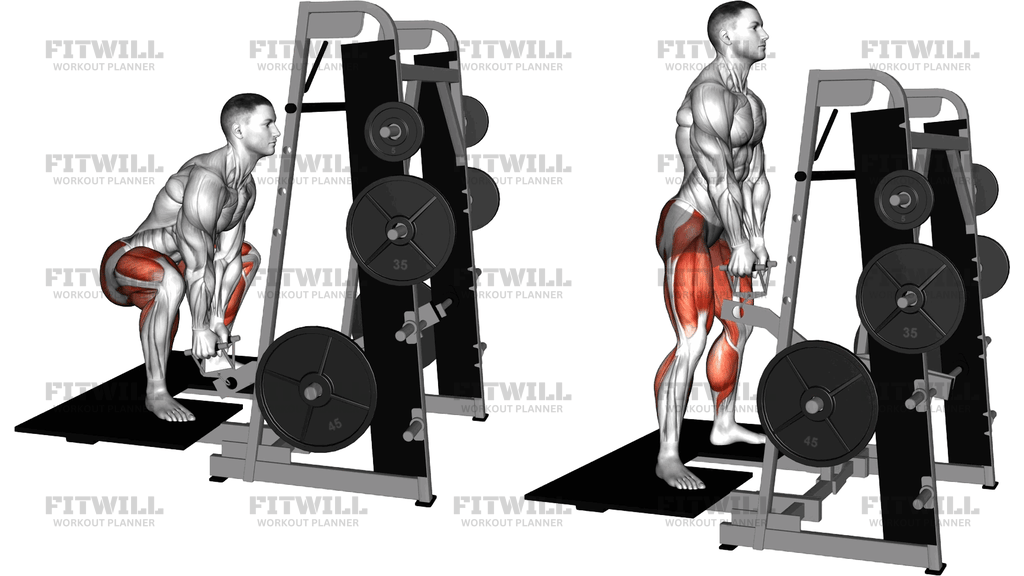
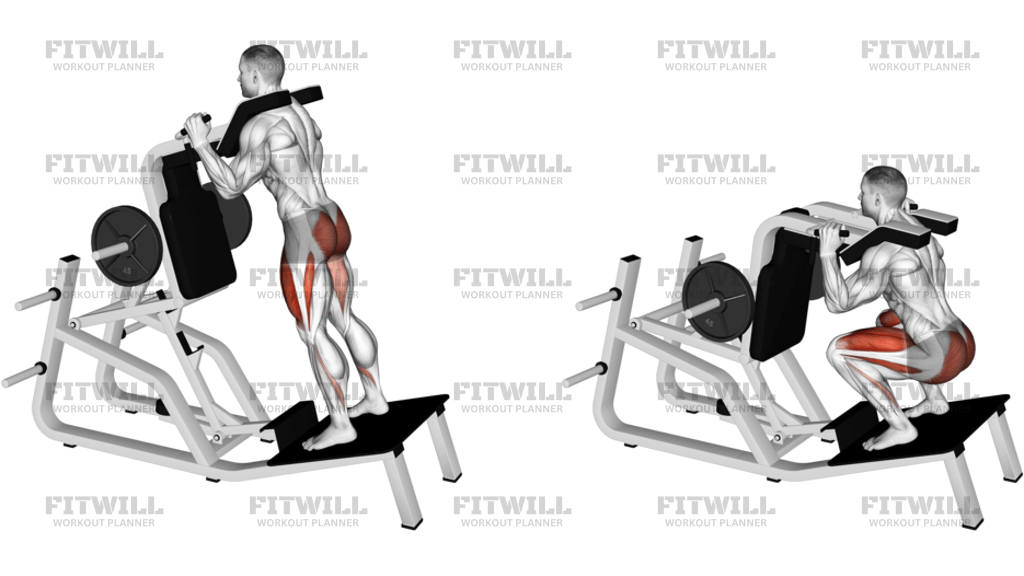
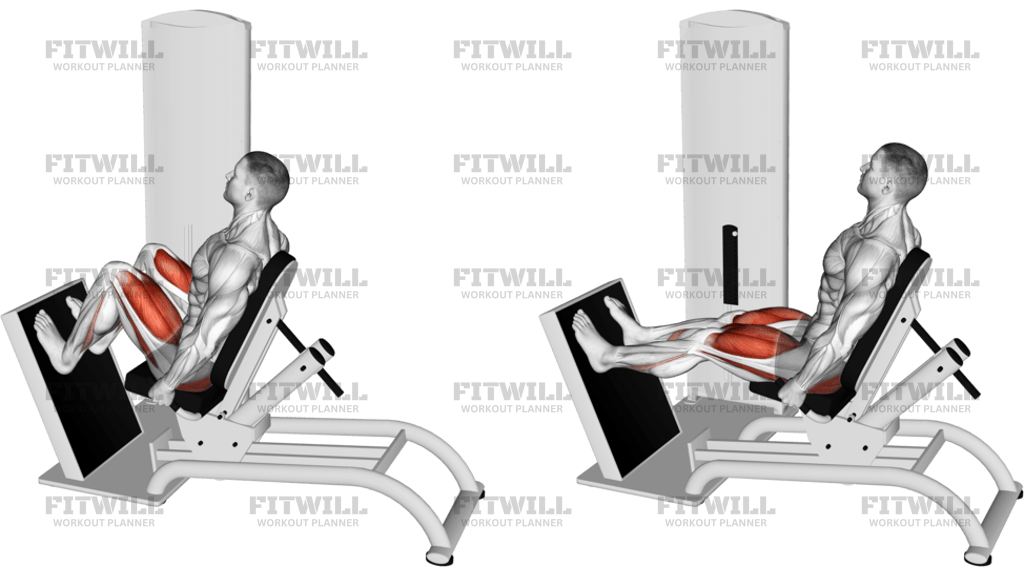
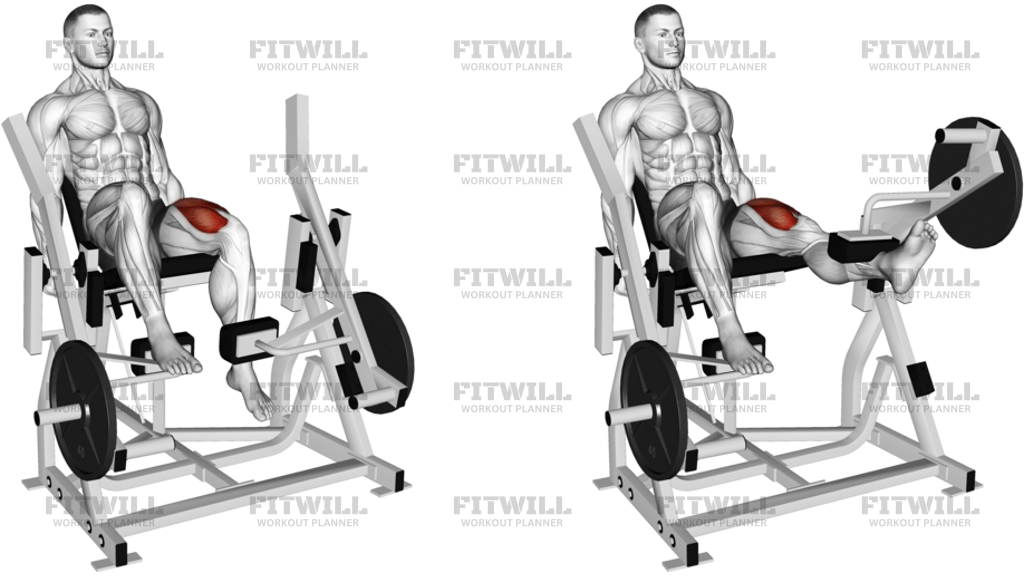
Lever Abduction Squat
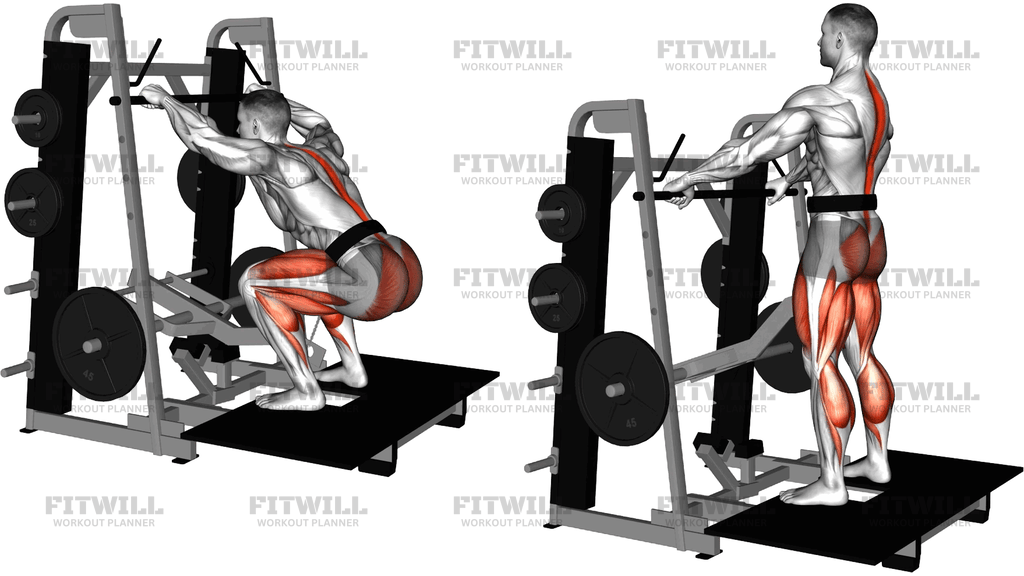
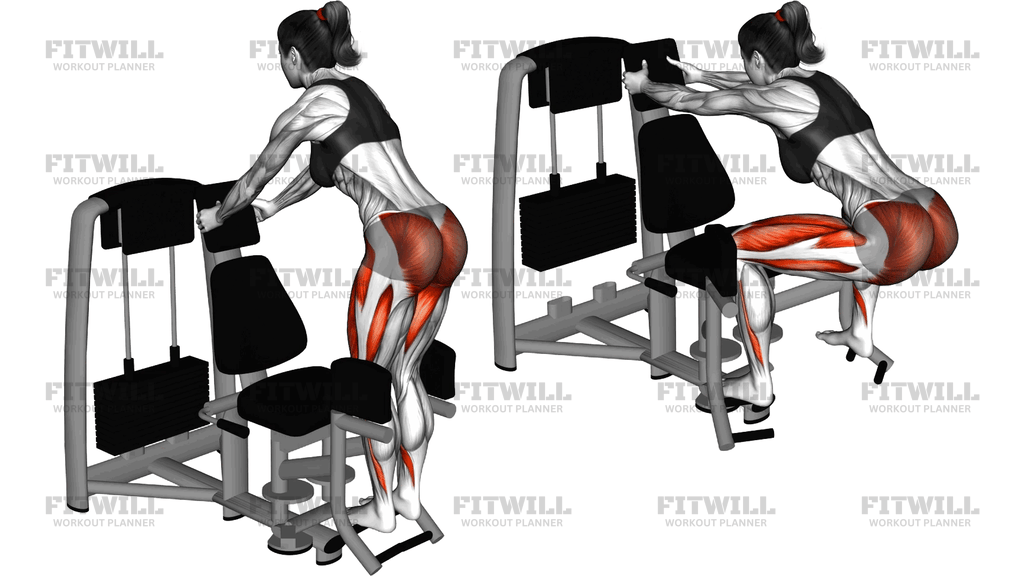
Lever Abduction Squat is a machine-assisted lower-body squat that lets you train the legs with a stable grip point and a guided path. The leverage machine reduces balance demands, so you can focus on the squat itself: feet planted, knees tracking cleanly, and hips moving under control. That makes it a practical choice for quad-focused work, general leg development, or accessory volume when you want a hard leg set without loading your spine the way a barbell squat does.
The main demand falls on the quads, while the glutes, hips, and core help keep the torso steady as you descend and rise. Because the machine sets the environment, the setup matters more than people expect. Foot placement, stance width, and how firmly you hold the front handles will decide whether the squat feels smooth and repeatable or awkward and unstable.
A good repetition starts by creating full-foot pressure and keeping the chest supported without collapsing forward. As you lower, let the knees travel in line with the toes and allow the hips to sit back and down together instead of turning the rep into a hinge. The bottom position should feel controlled, not forced, and the ascent should come from driving the floor away until the legs are straight again.
Lever Abduction Squat works well in hypertrophy blocks, leg sessions, or as a safer squat pattern for beginners who need a machine-guided option. It is also useful for experienced lifters who want extra quad volume with less setup complexity than a free squat. Keep the reps smooth, stop before the pelvis tucks under, and adjust stance or depth if the machine starts pulling your knees inward or your heels start to lift.
When the movement is done well, the machine should feel like a support tool rather than the thing doing the work for you. Use a load that lets you stay braced, keep your heels down, and finish each rep without bouncing out of the bottom. That combination gives you a squat pattern that is controlled, repeatable, and easy to progress over time.
[ Workout Log & Planner ]
Put your next workout in Fitwill
Keep your plan and training log ready when you are.


Instructions
- Step into the machine and place both feet on the platforms about shoulder-width apart, with your toes turned slightly out.
- Grip the front handles firmly enough to steady yourself, and set your chest tall before starting the squat.
- Keep your weight spread through your whole foot and unlock your hips and knees at the same time.
- Lower your body between your legs, letting the knees track over the toes instead of caving inward.
- Keep the torso controlled and the heels down as you descend to a depth you can own without losing position.
- Drive through the floor and stand back up, pressing the knees gently outward as you rise.
- Finish tall without leaning back or snapping the knees into lockout.
- Reset your breath at the top, keep the handles lightly braced, and repeat for the next rep.
Tips & Tricks
- Choose a stance where your knees can open slightly without your heels peeling off the platforms.
- Use the handles for balance only; do not pull yourself up with your arms.
- If the bottom position rounds your low back, shorten the depth before adding load.
- A slower lower keeps the quads working harder and makes the machine path feel more controlled.
- Think about sitting between your hips, not folding at the waist.
- Keep pressure through the big toe, little toe, and heel so your feet do not tip side to side.
- If your knees drift inward, reduce the load and reset your stance before the next set.
- Exhale as you drive up, then take a fresh breath and brace before each descent.
Frequently Asked Questions
What does Lever Abduction Squat work most?
It mainly trains the quads, with the glutes, hips, and core helping you stay stable through the squat.
How wide should my feet be on the platforms?
Start around shoulder-width and adjust slightly wider or narrower until you can keep your knees tracking over your toes without your heels lifting.
Should I hold the front handles the whole time?
Yes, hold them for balance and torso control, but keep the arms quiet so the legs still do the work.
How deep should I lower in Lever Abduction Squat?
Go only as low as you can while keeping your heels down, your knees aligned, and your lower back from rounding.
Is Lever Abduction Squat good for beginners?
Yes. The machine gives you support and a guided path, which makes it easier to learn squat mechanics with light resistance.
Why do my knees want to cave in during Lever Abduction Squat?
Usually the stance is too narrow, the load is too heavy, or you are dropping too fast. Lighten the weight and reset so the knees can track in line with the toes.
What is a common mistake on this machine squat?
Rushing into the bottom and bouncing back up is the biggest one. Keep the descent controlled and start the drive from a stable, paused position.
Can I use Lever Abduction Squat instead of a barbell squat?
You can use it as a quad-focused substitute or accessory, but it does not replace the full balance and trunk demand of a free squat.