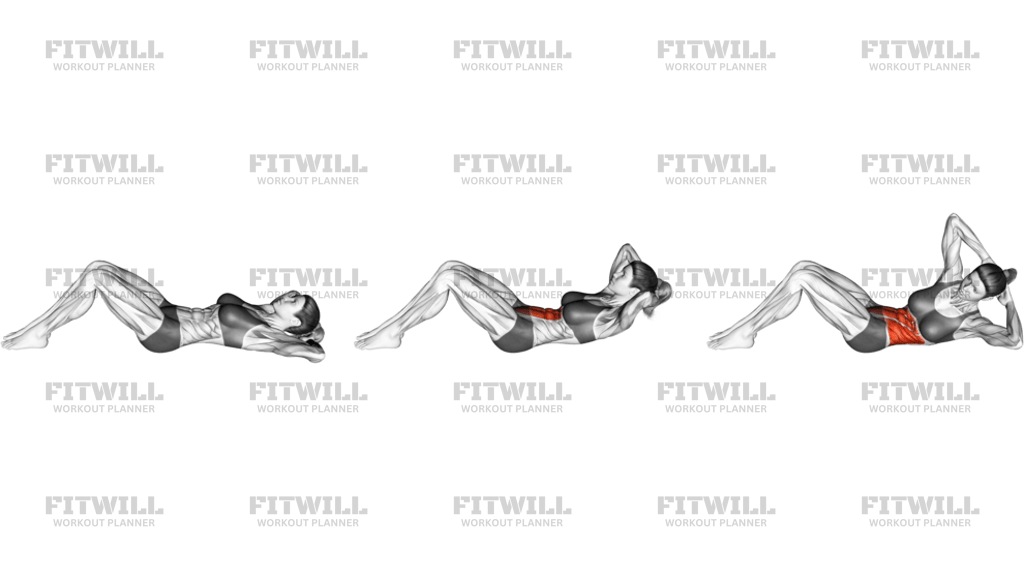
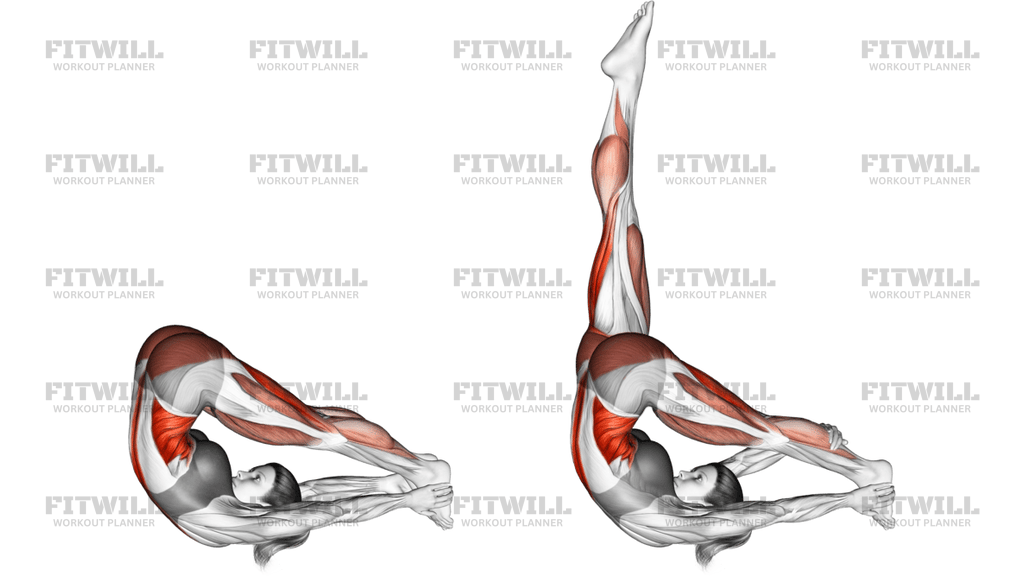
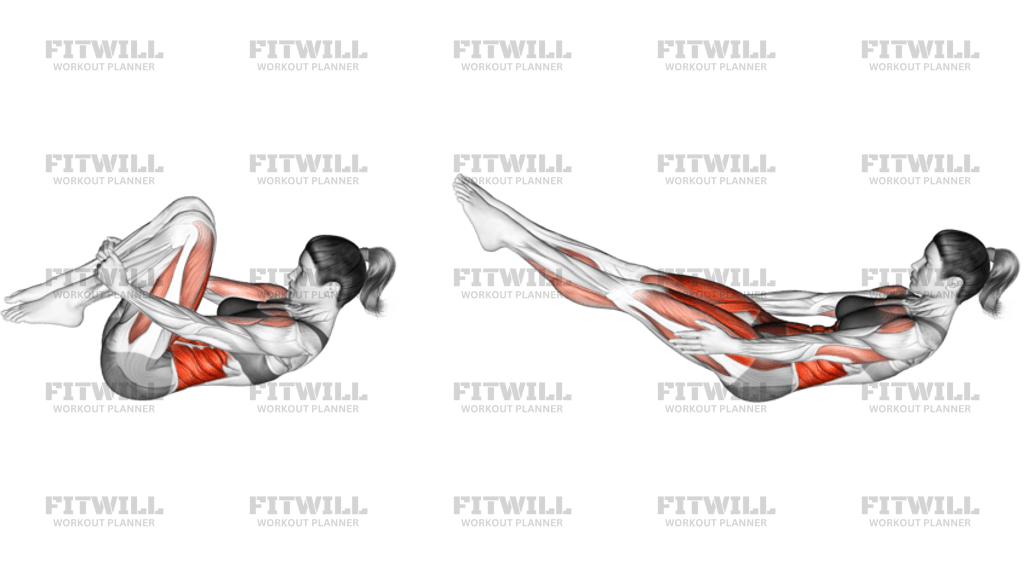
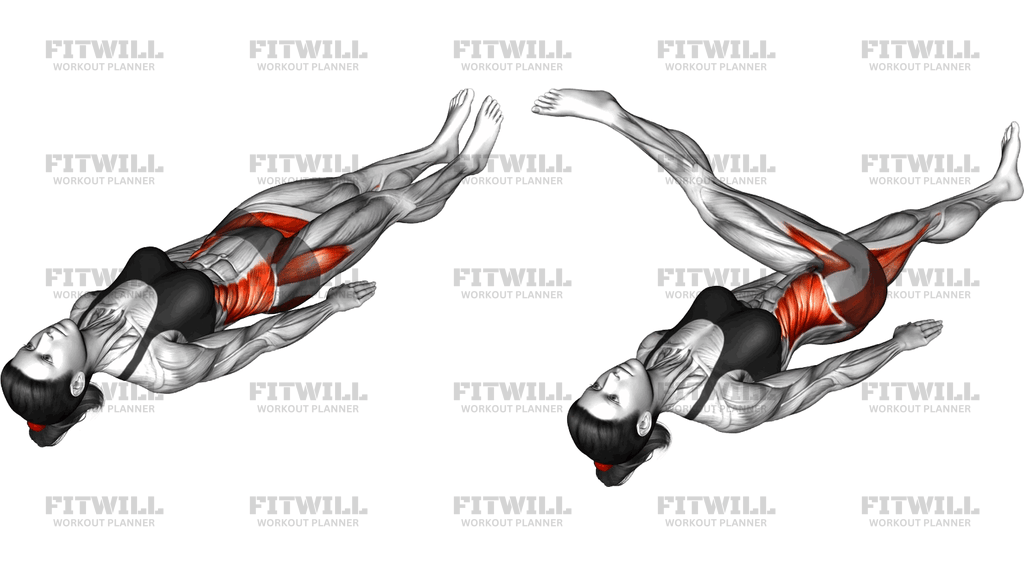
Single Straight Leg Stretch
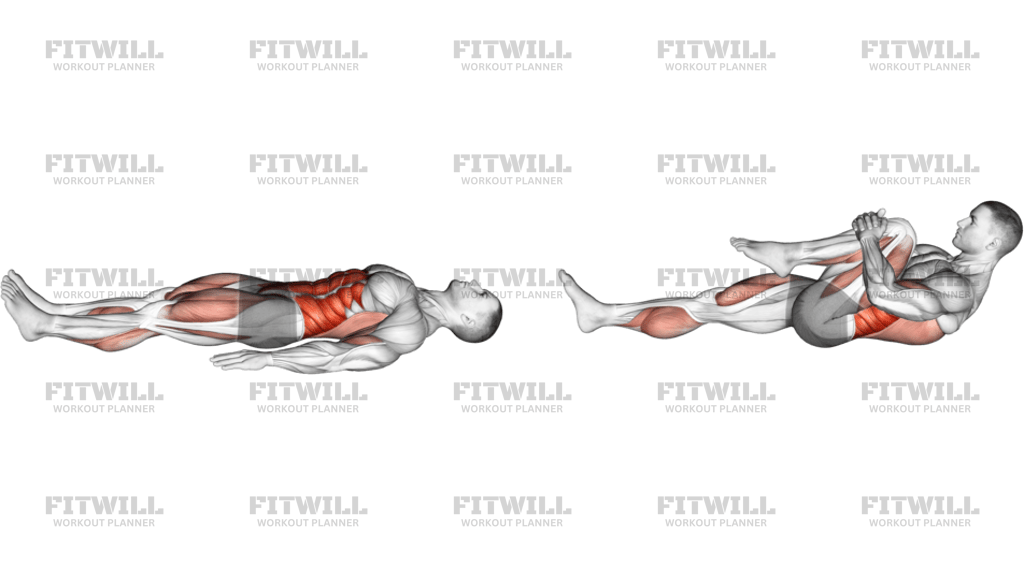
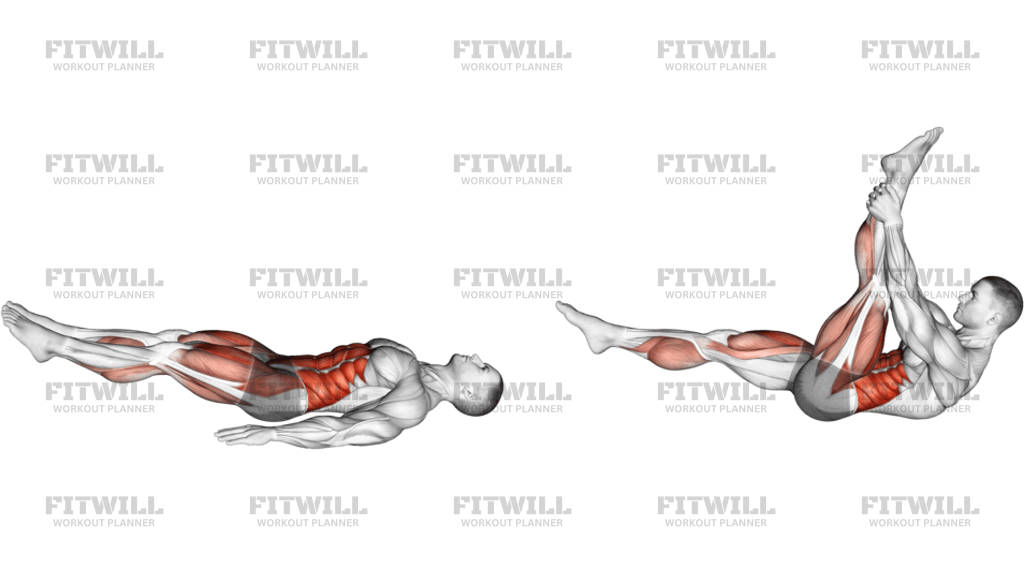
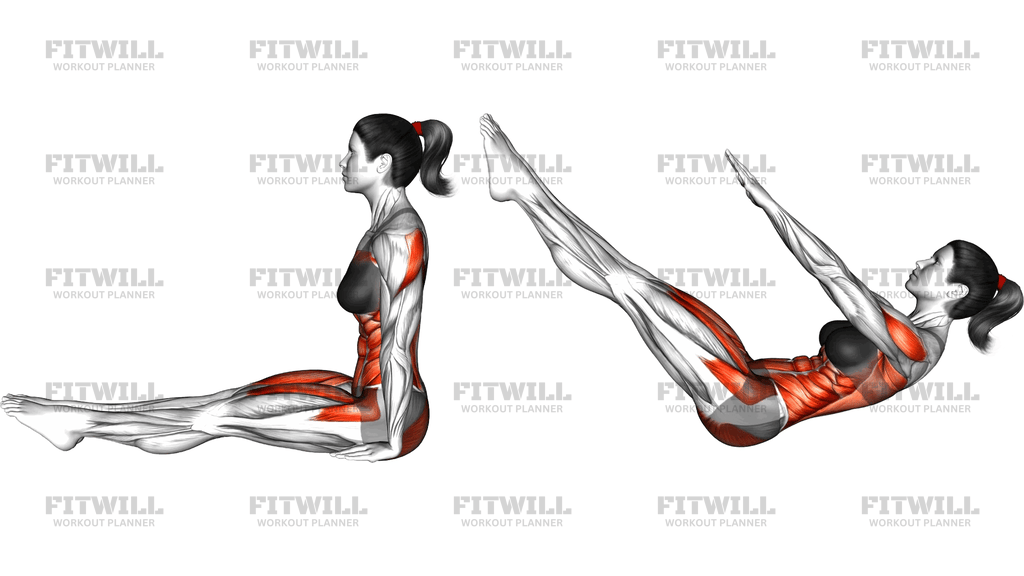
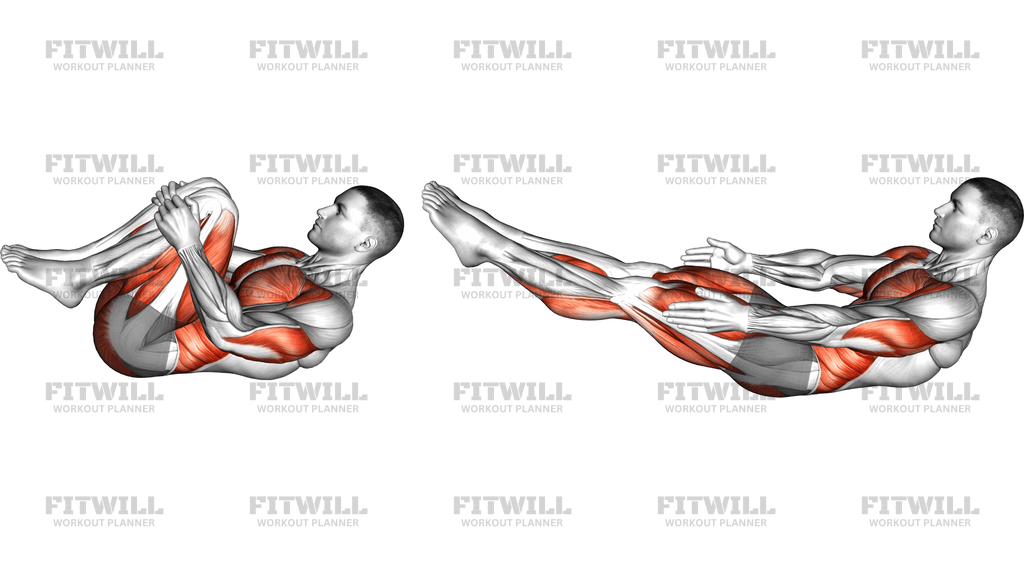
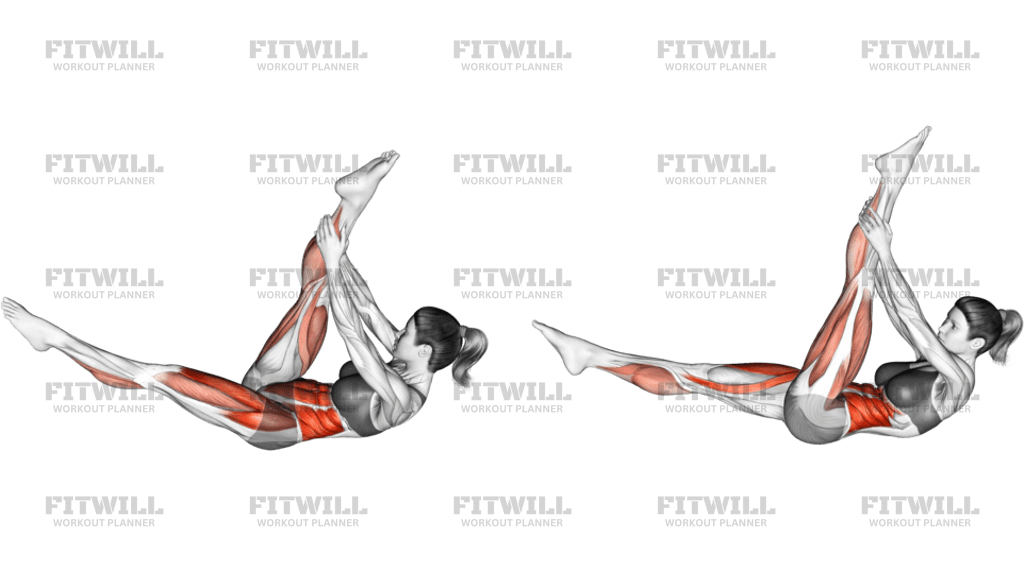
Single Straight Leg Stretch is a classic Pilates mat exercise built around a curled trunk, one leg reaching straight up, and the other leg staying long and low. In the image, the hands hold the raised leg while the opposite leg extends away from the body, creating a strong abdominal challenge rather than a fast kick. The purpose is to keep the torso quiet while the legs alternate, so the deep core, hip flexors, and hamstrings work without the pelvis rocking or the lower back taking over.
This movement is useful when you want control, coordination, and trunk endurance more than load. The mat removes external resistance, which makes the position itself the challenge: shoulders stay lifted, ribs stay knitted down, and the working leg changes while the low leg hovers just above the floor. That hovering leg is important. If it drops too far, the lumbar spine arches and the exercise becomes easier in the wrong places. If it stays too high, the abdominals lose some of the leverage that makes the drill effective.
The cleanest version starts with a Pilates curl, not a relaxed head-down position. One leg comes up toward vertical, both hands support that leg near the calf or ankle, and the opposite leg reaches long with a pointed foot or strong extension through the heel. From there, the rep is a controlled switch: pull the raised leg in with the torso stable, then change legs smoothly so the other leg takes the vertical position while the first leg extends away. The movement should feel precise and rhythmic, not like a bicycle kick or a hamstring stretch performed with momentum.
Because the exercise is position-dependent, range of motion matters more than trying to get the legs farther apart. Keep the pelvis level, keep the neck long, and let the exhale help you switch sides without flaring the ribs. If hamstrings are tight, slightly bend the top knee or keep the low leg higher until you can hold alignment. The goal is a repeatable Pilates pattern with clean transitions, even breathing, and a stable torso from the first rep to the last.
Single Straight Leg Stretch fits well in Pilates sessions, core circuits, warmups, or accessory work where you want abdominal control and lower-body coordination without equipment. It also works as a quality check for trunk stability: if the low back arches, the shoulders tense, or the leg switch becomes jerky, the setup or range is too ambitious. Use a smaller range and slower pace first, then build toward smoother switches with better control.
[ Workout Log & Planner ]
Put your next workout in Fitwill
Keep your plan and training log ready when you are.


Instructions
- Lie on your back on the mat and lift your head and shoulders into a Pilates curl, keeping the ribs drawn down.
- Extend one leg straight up toward the ceiling and reach the other leg long and low without letting the pelvis rock.
- Hold the raised leg near the calf or ankle with both hands and keep the elbows soft and open.
- Set the low leg just above the floor, only as low as you can keep the lower back quiet.
- Exhale to pull the raised leg in with a small, controlled pulse while the trunk stays steady.
- Inhale as you switch legs so the previously low leg comes up to vertical and the other leg reaches long.
- Keep the switch smooth and precise, with both legs staying straight and the toes lengthened.
- Alternate sides for the planned number of reps, then lower the head and shoulders back to the mat with control.
Tips & Tricks
- Think about keeping the pelvis heavy and level; the switch should happen in the legs, not in the hips.
- Lower the extended leg only until you can keep the low back from arching or lifting off the mat.
- Use a light reach through the heel of the long leg instead of locking the knee aggressively.
- Grip the raised leg lightly so the arms support the position without yanking the neck forward.
- If the hamstrings are tight, bend the top knee slightly or keep the bottom leg higher.
- Make the exhale happen on the switch so the trunk can stay organized during the hardest part of the rep.
- Keep the shoulder blades anchored and avoid collapsing the chest when the leg changes sides.
- Slow the tempo down before adding more repetitions; this drill rewards precision more than speed.
Frequently Asked Questions
What does Single Straight Leg Stretch train most?
It primarily challenges the abdominals and deep trunk control, with strong work from the hip flexors and some hamstring length under tension.
Do I need the leg fully vertical for the raised side?
No. Bring it up as high as you can while keeping the pelvis stable and the low back from arching.
How low should the extended leg go?
Only as low as you can hold the mat contact and keep the torso quiet. A higher low leg is better than losing alignment.
Should my head and shoulders stay lifted the whole time?
Yes for the working set. The curl-up position is part of the exercise and is what makes the core work harder.
What is the most common mistake with the leg switch?
The usual error is swinging the legs and letting the pelvis rock. The switch should feel smooth and controlled.
Can I bend my knee if my hamstrings are tight?
Yes. A slight bend in the top leg or a higher position for the low leg can keep the movement clean while you build mobility.
Is this a beginner-friendly Pilates exercise?
It can be, but beginners often need a smaller range and a slower tempo before they can keep the torso steady.
What should I feel in the neck?
The neck should feel supported, not strained. If the neck works too hard, reduce the curl height or the leg range.