Bodyweight Standing One-Arm Row
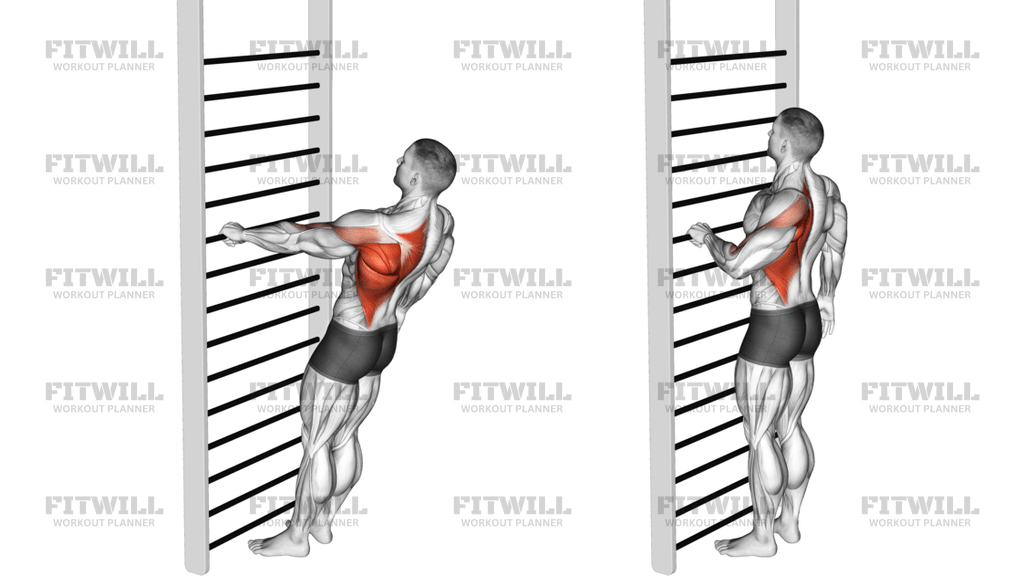
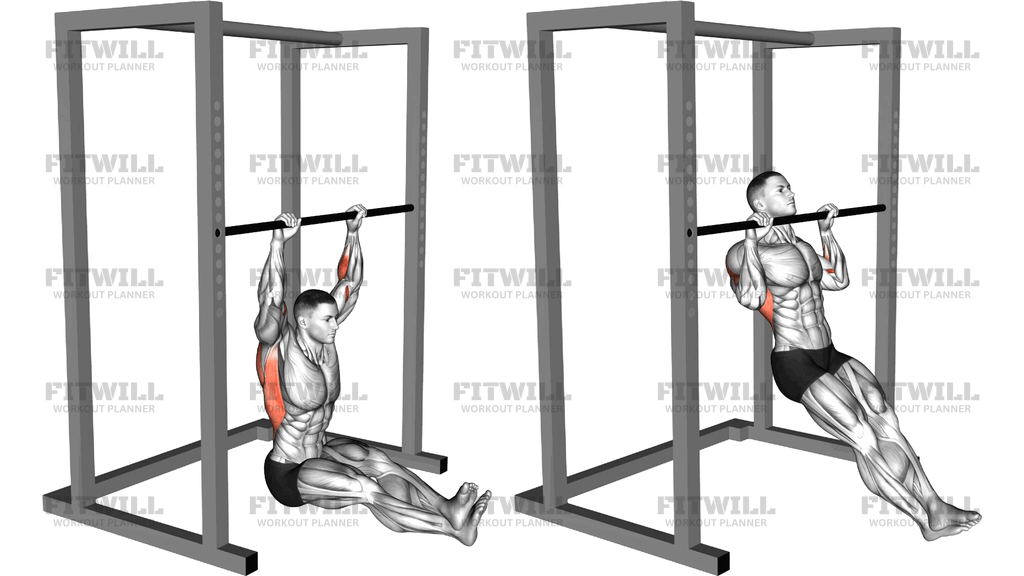
Bodyweight Standing One-Arm Row is a standing horizontal pull done against a fixed handhold, such as a wall bar, stall bar, or similar anchored rung. One hand stays on the bar while the body leans back at an angle, so each rep asks you to control your bodyweight instead of just moving an external load. That makes the exercise useful for learning how to pull with the back while keeping the torso organized.
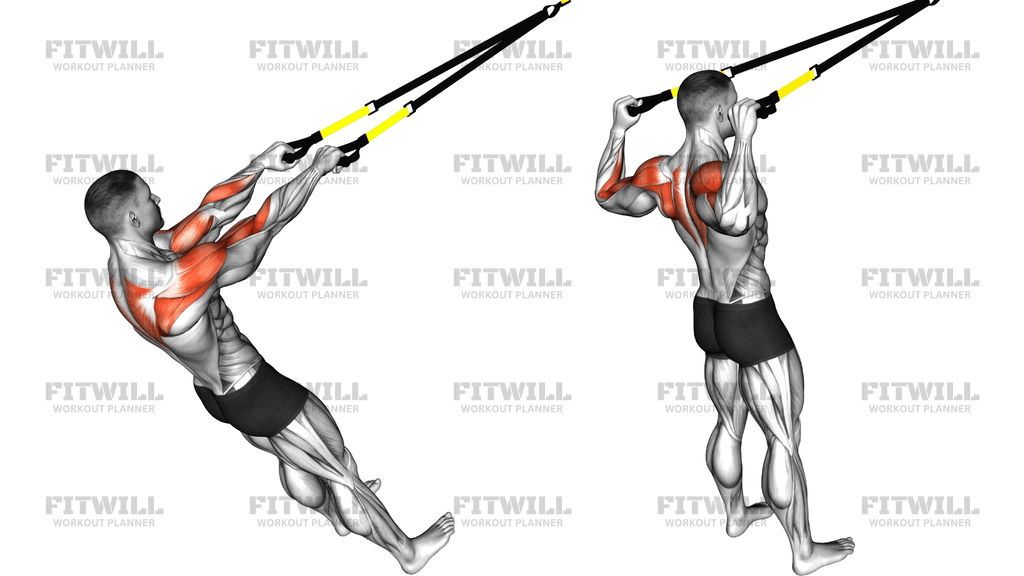
This movement places the strongest emphasis on the upper back and traps, with the lats, rhomboids, rear shoulders, and biceps helping to guide the pull. Because the hand is fixed, the angle of your body changes the difficulty more than the grip itself. A steeper lean makes the row harder, while a more upright stance turns it into a lighter activation drill.
The setup matters a lot. Stand far enough from the bar that you can lean back with a straight line from head to heels, then grip the rung with the working hand and let the arm fully lengthen before you start the pull. Keep your feet planted, keep your ribs from flaring, and avoid letting the shoulder roll forward at the bottom. If the shoulder sits high or the lower back arches hard, the row turns into a whole-body swing instead of a back exercise.
During each repetition, drive the elbow back and slightly down as if you are trying to bring the handhold toward your lower ribs. At the top, squeeze the shoulder blade toward the spine without shrugging into the neck, then lower under control until the arm is long again. The free arm should stay relaxed by your side or lightly behind your body, and the torso should stay mostly square to the bar with only a small amount of natural rotation.
Bodyweight Standing One-Arm Row works well as a technique builder, a warm-up for heavier pulling, or a strength accessory when you want single-sided back work without cables or dumbbells. It is especially helpful for lifters who need cleaner scapular control, better side-to-side balance, or a lower-joint-stress rowing option. Use the angle of your body to scale the load, and stop the set when the pull turns into a shrug, a twist, or a fast drop back to the start.
[ Workout Log & Planner ]
Put your next workout in Fitwill
Keep your plan and training log ready when you are.


Instructions
- Stand beside a wall bar or fixed rung and grip it with one hand at about chest height, then walk your feet out until your body leans back in a straight line from head to heels.
- Plant both feet, keep the working arm straight, and let the shoulder blade reach forward slightly so the back starts from a long position.
- Set the free arm along your side or slightly behind you and brace your ribs so your torso does not flare open as you pull.
- Pull your elbow back and down toward your lower ribs while keeping the wrist straight and the shoulder away from your ear.
- Squeeze the upper back at the top for a brief pause without twisting your chest toward the bar.
- Lower yourself slowly until the working arm is fully extended again and the shoulder blade can glide forward under control.
- Breathe out as you pull and inhale as you return to the stretched start position.
- Reset your feet and grip before the next rep if the angle changes or your body starts to lose its line.
Tips & Tricks
- The more horizontal your body becomes, the harder Bodyweight Standing One-Arm Row feels, so step your feet farther away only when you can keep the torso rigid.
- If your shoulder shrugs toward your ear at the top, lower the pulling angle or shorten the range until the neck stays long.
- Let the shoulder blade reach forward at the bottom; cutting that reach short turns the rep into a half-row and leaves upper-back tension on the table.
- Keep the elbow traveling back and slightly toward the hip, not straight out to the side, if you want the lats to help instead of only the rear shoulder.
- A small amount of trunk rotation is fine, but if your chest opens dramatically you are using body English instead of one-arm pulling strength.
- Use the fixed rung as a ruler: if the hand starts slipping upward or downward between reps, the set is getting too loose and the angle is changing.
- A slower lowering phase makes this exercise much harder, especially when you stay long through the shoulder at the bottom.
- If the grip feels like the weak link, wrap the thumb fully around the rung and keep the wrist stacked so the forearm does not leak force.
Frequently Asked Questions
What muscles does Bodyweight Standing One-Arm Row train most?
It mainly trains the upper back and traps, with the lats, rhomboids, rear shoulders, and biceps helping during the pull.
Is Bodyweight Standing One-Arm Row beginner-friendly?
Yes, if you keep your body more upright and use a short range at first. Beginners should feel the shoulder blade moving before they try to lean farther back.
How do I make Bodyweight Standing One-Arm Row easier or harder?
Step closer to the bar to make it easier and farther away to make it harder. A steeper lean increases how much of your bodyweight you have to control.
Where should my hand and elbow go on Bodyweight Standing One-Arm Row?
Grip the fixed rung at chest height and pull the elbow back and slightly down. That line keeps the shoulder packed and the row focused on the back instead of the neck.
Should my torso twist during the row?
Only a small amount of natural rotation is normal. If your chest opens a lot toward the bar, the load is too heavy or your stance is too wide.
Why does Bodyweight Standing One-Arm Row stress the shoulder blade so much?
Because the hand is fixed, the shoulder has to glide forward at the bottom and pull back without losing position. That makes it a strong exercise for scapular control.
Can I use Bodyweight Standing One-Arm Row as a warm-up for heavier pulling?
Yes. Use a more upright body angle and crisp pauses to wake up the upper back before rows, pull-ups, or deadlifts.
What should I do if I feel this mostly in my neck?
Lower the difficulty by stepping closer to the bar and keep the shoulder away from the ear on every rep. The pull should stay in the upper back, not turn into a shrug.