Bodyweight Standing Close-Grip Row
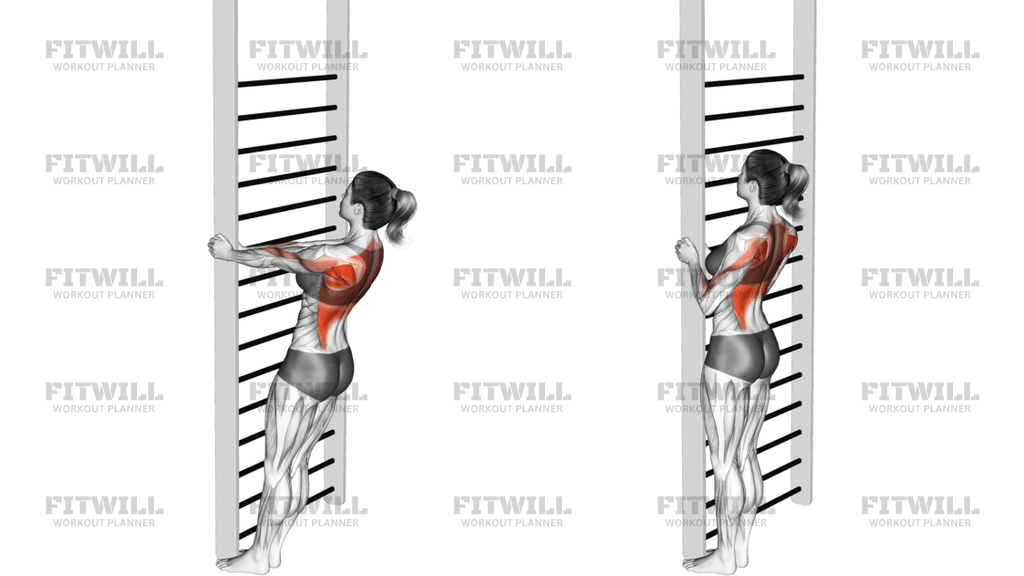
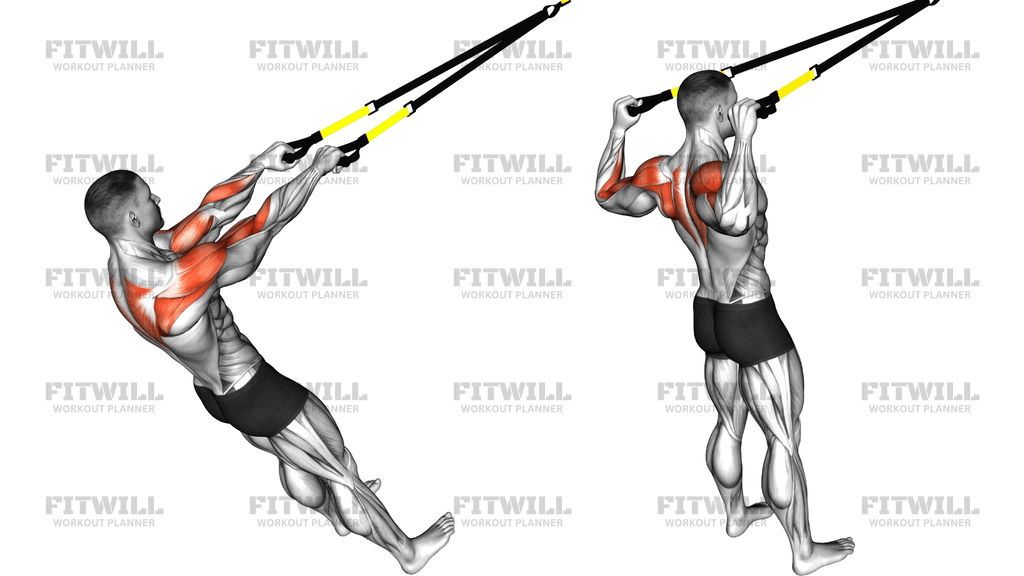
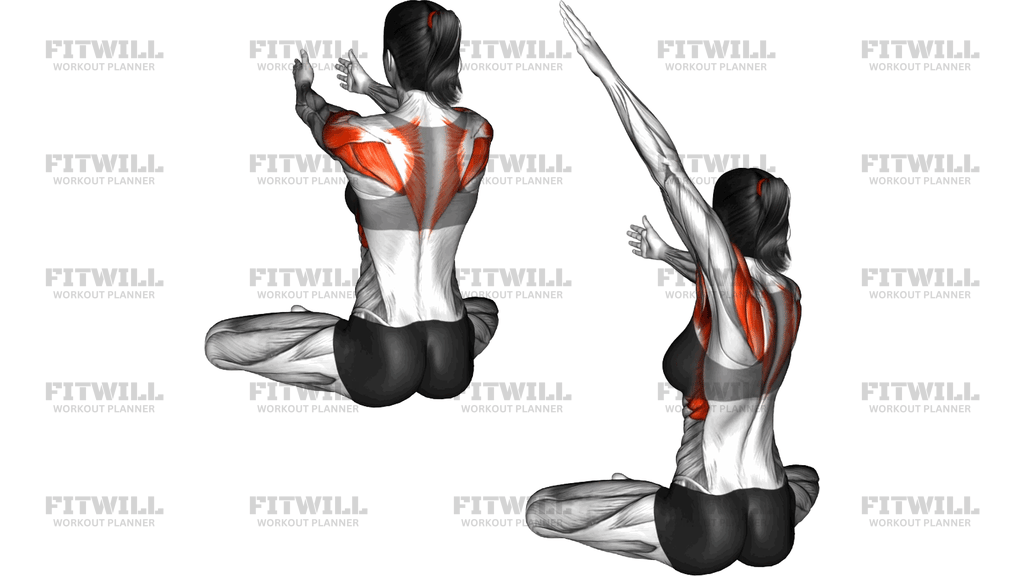
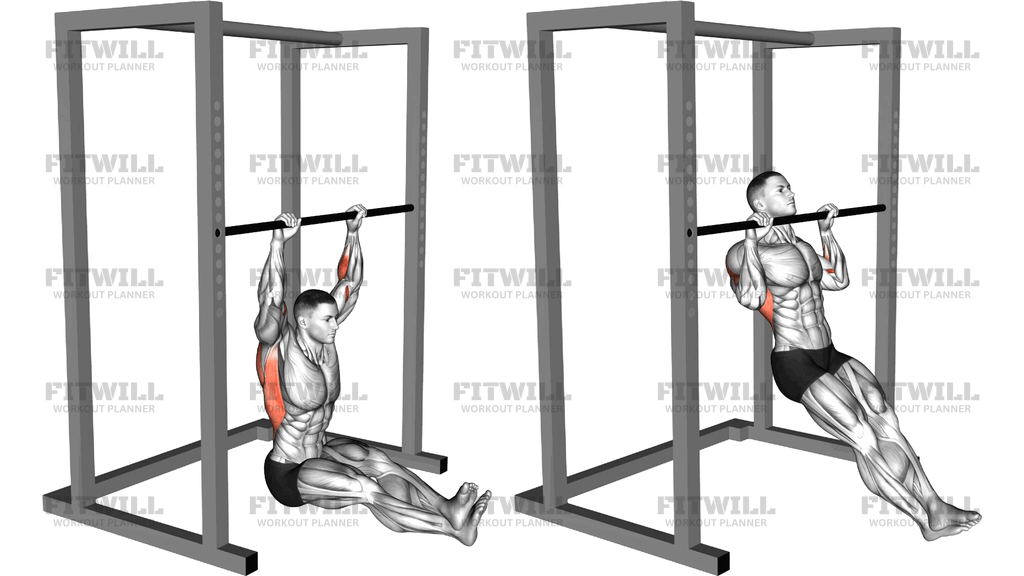
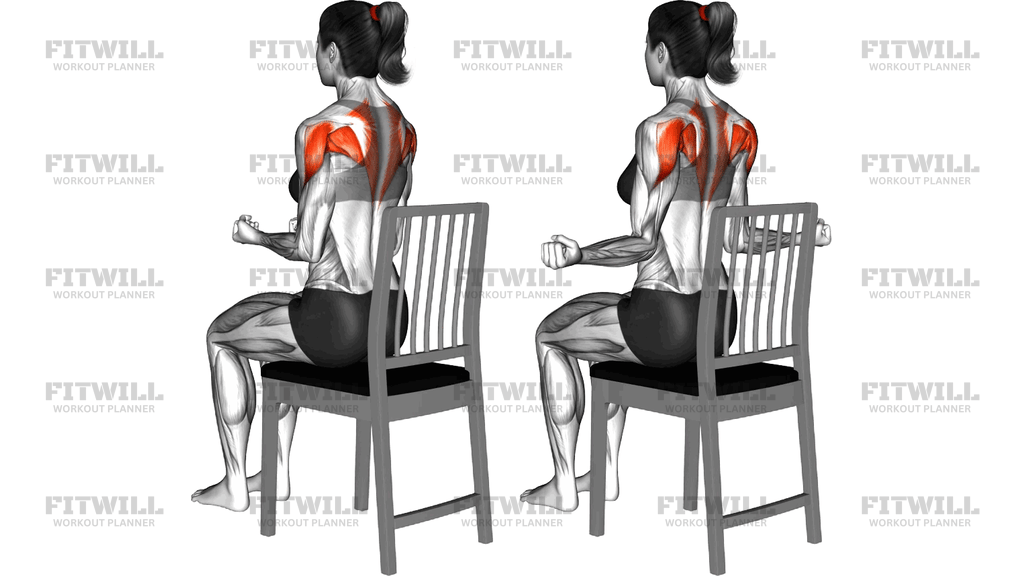
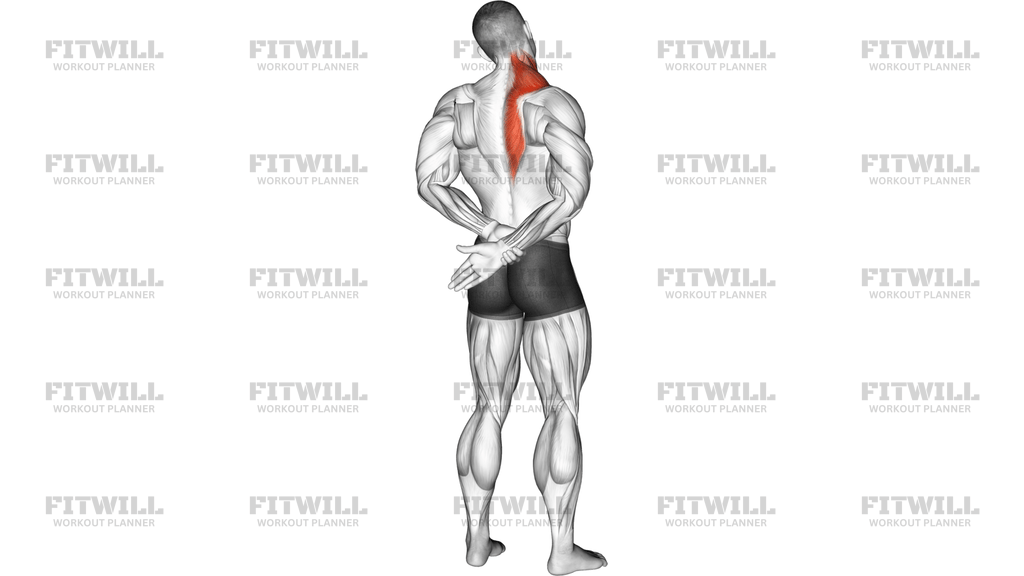
Bodyweight Standing Close-Grip Row is a standing pulling exercise performed against a fixed support such as wall bars, rails, or a similar close-grip anchor. The body stays in a long, rigid line while the hands pull the torso toward the anchor, so the movement trains the upper back and arms without losing the postural demands of a bodyweight hold.
The close hand position shifts more of the work toward the traps, rhomboids, lats, and biceps while still asking the shoulders to stay organized. In this pattern the trapezius is the primary target muscle, with help from the rhomboids, latissimus dorsi, and biceps brachii. That makes the exercise useful when you want back strength, scapular control, and a cleaner pulling path than a loose, swinging row.
Setup matters because the angle of your body decides how hard each repetition feels. Start with the hands set close together, arms straight, feet planted, and the torso leaned back in one line from ankles to head. Keep the chest lifted, ribs stacked, and shoulders set before the pull begins so the first rep starts under tension instead of with a shrug or a hip pop.
Each repetition should pull the chest toward the hands, not the chin forward toward the support. Drive the elbows back along the sides of the body, squeeze the shoulder blades together at the top, and lower slowly until the arms are straight again. The return should stay controlled so the upper back keeps working through the full range instead of dropping into the bottom position.
This is a good accessory row for beginners, bodyweight-focused programs, or warmups that need controlled upper-back activation. It also works well when you want to teach bracing, scapular retraction, and a steady pulling rhythm before moving to heavier rows. Keep the movement smooth, stay out of pain, and adjust the body angle or foot position so every rep remains strict and repeatable.
[ Workout Log & Planner ]
Put your next workout in Fitwill
Keep your plan and training log ready when you are.


Instructions
- Stand facing the wall bars or close-grip anchor and take a narrow overhand or neutral grip at about lower-chest height.
- Walk your feet forward so your body leans back in a straight line from ankles to head, with heels planted and arms fully extended.
- Set your shoulders down and back, lift the chest slightly, and brace your ribs before you start the pull.
- Pull your chest toward the hands by driving the elbows back close to your sides.
- Keep the wrists firm and the neck neutral as the shoulder blades slide together at the top.
- Pause briefly when your chest reaches the strongest part of the pull.
- Lower yourself slowly until the arms are straight again and the shoulders are still controlled.
- Exhale as you pull, inhale on the way down, and reset your body line before the next rep.
Tips & Tricks
- The farther your feet are from the anchor, the more bodyweight you must move; shorten the stance if the first reps turn into a struggle.
- Keep the elbows close to the ribs so the pull stays focused on the upper back instead of turning into a shrug.
- Do not let the hips sag or pike; the torso should stay rigid from the ankles to the shoulders.
- If your chin reaches forward first, reset and lead the rep with the chest instead.
- Squeeze the shoulder blades together only after the elbows start moving back; do not start the rep by yanking them hard.
- Use a controlled lowering phase so the lats and mid-back stay loaded through the bottom position.
- If the grip slips before the back does, use a less slippery handle position or shorten the lever with a more upright body angle.
- Stop the set when the shoulders begin to shrug or the body starts to swing.
Frequently Asked Questions
What muscles does Bodyweight Standing Close-Grip Row work most?
It emphasizes the upper back, especially the traps and rhomboids, with strong help from the lats and biceps.
How is the close-grip version different from a wider bodyweight row?
The narrow hand position usually keeps the elbows tighter and shifts the feel more toward the mid-back and biceps.
How should my body be positioned at the start?
Lean back in a straight line with the feet planted, arms straight, and the chest stacked over a braced trunk.
Where should my elbows travel during the pull?
Drive them back close to your sides so the chest moves toward the hands without flaring the shoulders.
What is the most common mistake with this exercise?
People usually let the hips move, shrug the shoulders, or pull with the chin instead of keeping the torso rigid.
Is this exercise beginner-friendly?
Yes, because you can make it easier by standing more upright and shorten the lever without changing the movement pattern.
Can I use this as a warm-up row?
Yes, it works well as a warm-up or accessory drill because it teaches scapular control and a clean rowing path.
How do I make the movement harder?
Step your feet farther away from the anchor so more of your bodyweight is on the row, while keeping the same strict body line.