Bodyweight Standing Row
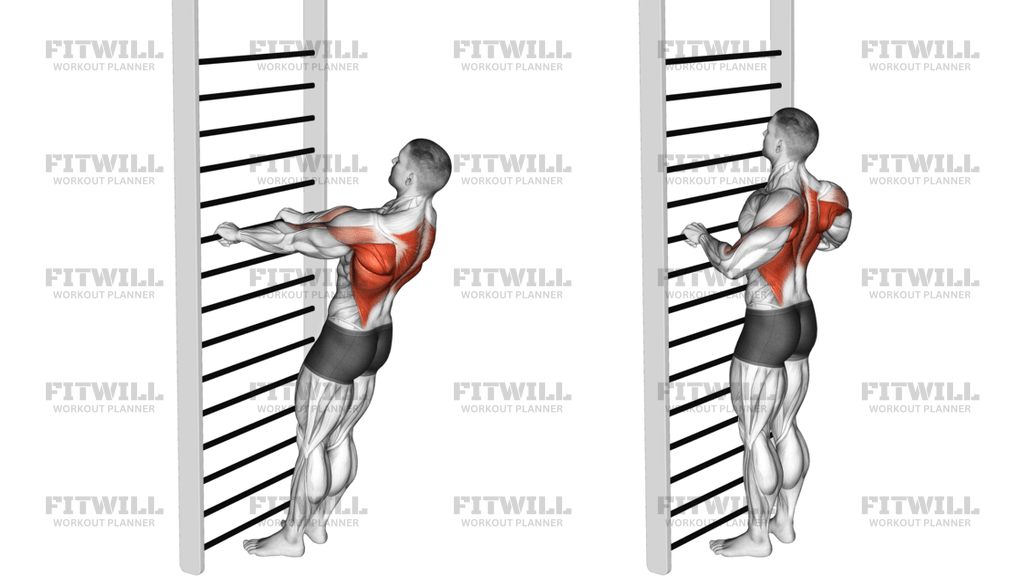
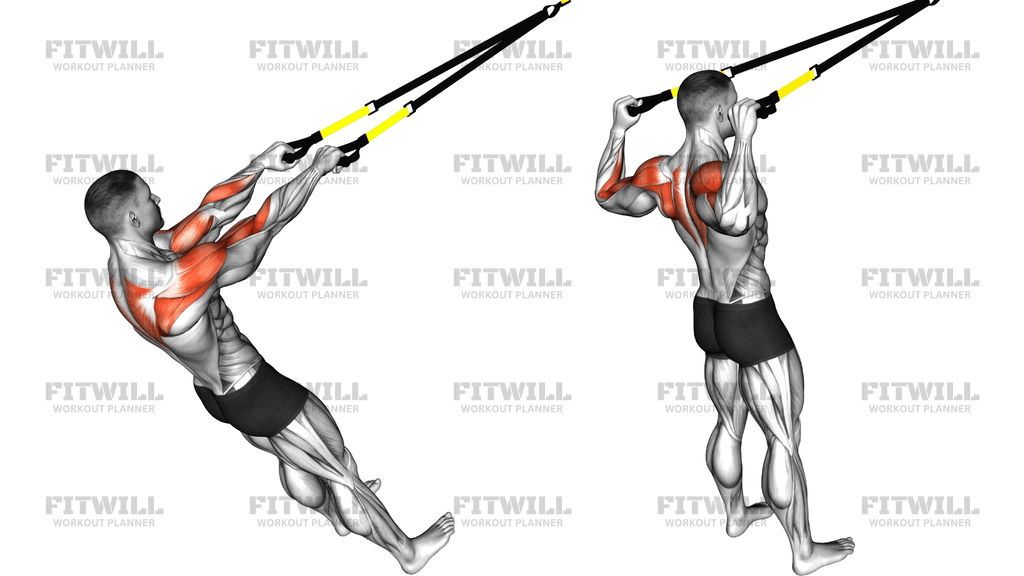
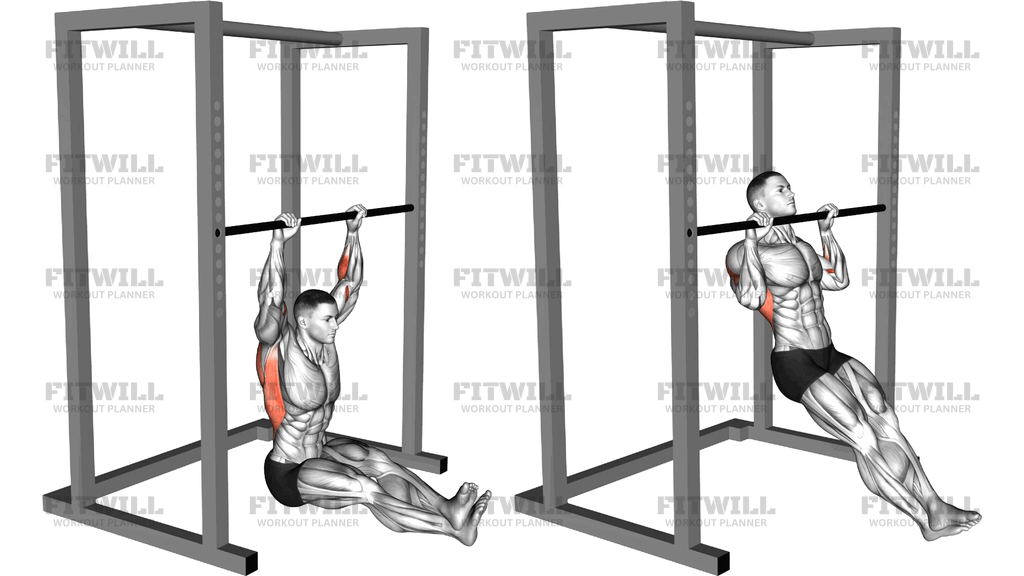
Bodyweight Standing Row is a bodyweight pulling exercise performed from a standing lean against wall bars, a sturdy rung, or a similar fixed handle. In the pictured version, your feet stay on the floor while your arms extend forward and your torso leans back at an angle, creating the resistance by moving your body mass rather than an external load. That makes the exercise useful for building pulling strength, scapular control, and upper-back endurance without needing a machine or free weights.
The main training emphasis is the upper back and traps, with the rhomboids, lats, rear shoulders, and biceps helping to finish the pull and keep the shoulder blades organized. Because the resistance comes from your body position, the setup matters more than it does in many other rowing variations. A small change in foot placement or torso angle can make the row much easier or much harder, so the exercise rewards a deliberate start position and a steady line of tension.
A clean rep begins with straight arms, a tall chest, and a slight backward lean so your body is already under control before you pull. From there, the elbows travel back as the shoulder blades draw together and slightly down. The movement should feel like you are pulling your chest toward the wall bars rather than yanking with the hands. At the top, the chest stays lifted and the neck stays long; then you return slowly to the start so the shoulders do not collapse forward.
This movement is especially useful when you want a low-equipment row that still teaches posture, scapular retraction, and mid-back engagement. It can fit into a warmup, accessory block, circuit, or beginner strength session, and it also works well as a regression for people who are not ready for a full horizontal row. If the angle is too steep, the exercise becomes a shruggy arm pull; if it is too shallow, the body swings and loses tension. The best reps stay smooth, quiet, and repeatable.
For safety and quality, keep the feet planted, avoid twisting through the ribs, and stop each set when you can no longer hold the lean or control the return. The goal is not to yank yourself upright. The goal is to keep tension through the upper back while the whole body stays organized from start to finish.
[ Workout Log & Planner ]
Put your next workout in Fitwill
Keep your plan and training log ready when you are.


Instructions
- Stand facing the wall bars or fixed handles and grasp one rung or handle with both hands at about chest height.
- Walk your feet forward until your body forms a straight line from ankles to head with a slight backward lean and your arms fully extended.
- Set your feet hip-width apart, keep your heels down, and brace your midsection so your ribs do not flare.
- Start each rep by pulling the shoulders away from your ears and lightly setting the shoulder blades before the elbows bend.
- Drive the elbows back and pull your chest toward the bars while keeping your torso rigid and your neck neutral.
- Finish the pull when your hands reach the lower chest or upper rib area and the shoulder blades are squeezed together.
- Pause briefly at the top without shrugging or jerking your body upward.
- Lower yourself slowly until the arms are straight again and the shoulders stay controlled, then reset before the next rep.
Tips & Tricks
- The farther your feet are from the wall bars, the harder the row becomes because your body is more horizontal.
- Keep the wrists neutral and let the pull come from the elbows, not from curling the hands toward your face.
- If your shoulders creep toward your ears, shorten the range slightly and think about drawing the shoulder blades down first.
- Keep the torso in one piece; if your hips swing or your ribs pop forward, reduce the leverage and slow the descent.
- A short pause at the top helps you feel the mid-back working instead of using momentum to bounce out of the bottom.
- Exhale as you row in and inhale as you lower under control, especially when the lean angle is challenging.
- Do not chase a higher rep count if the chest can no longer stay tall against the pull.
- If grip fatigue ends the set before the back does, use a slightly lower angle or a thicker handle to keep the focus on the row.
Frequently Asked Questions
What muscles does the Bodyweight Standing Row work most?
It primarily targets the upper back and traps, with help from the rhomboids, lats, rear shoulders, and biceps.
Is this a good beginner rowing exercise?
Yes. The bodyweight setup lets beginners learn the rowing pattern before moving to a heavier machine or free-weight row.
How do I make the exercise easier or harder?
Move your feet closer to the bars to make it easier and farther away to make the row more demanding.
Should my chest or my hands lead the pull?
Think about bringing the chest toward the handles while the elbows travel back; that keeps the row anchored in the back instead of the arms.
How high should I pull on each rep?
Usually to the lower chest or upper rib line, as long as you can keep the torso rigid and the shoulders from shrugging.
Why does my body want to swing during this row?
The lean angle can turn the rep into a mini pull-up if the core is loose. Shorten the range and slow the lowering phase to keep tension clean.
What is the most common mistake with the wall-bar setup?
People often let the shoulders rise toward the ears or stand too far under the bars, which turns the movement into a shruggy arm pull.
Can I use this exercise as part of a warmup?
Yes. It works well in a warmup when you keep the angle easy and focus on clean scapular movement and posture.