Lying Lower Back Stretch Bent Knee
Lying Lower Back Stretch Bent Knee is a floor-based mobility exercise performed on an exercise mat with body weight only. The bent-knee position shortens the lever at the hips, which makes it easier to relax the lower back without forcing a large range. It is useful when the lumbar area feels stiff from sitting, hinging, or heavy training and you want a controlled way to reduce tension before or after a workout.
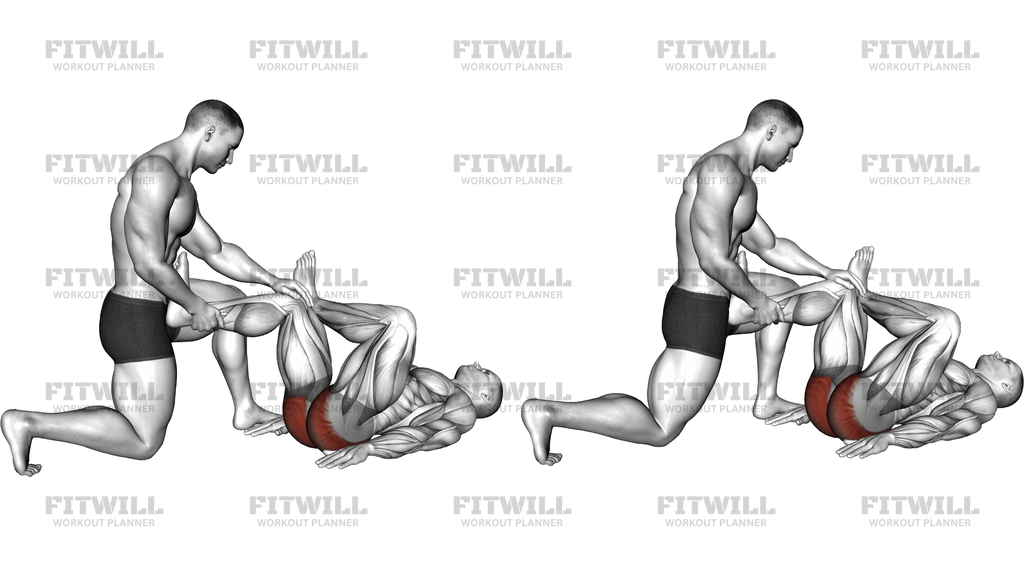
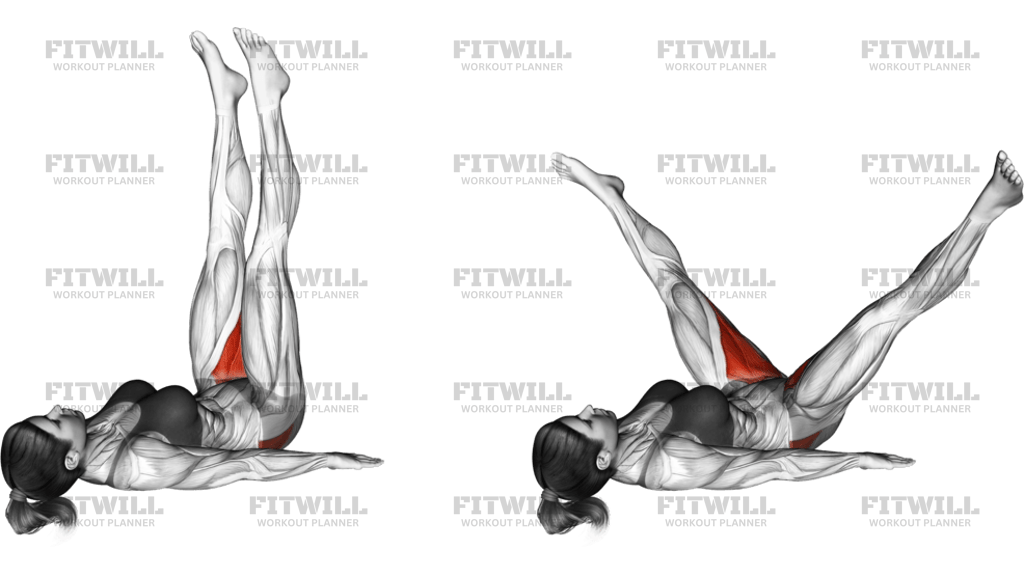
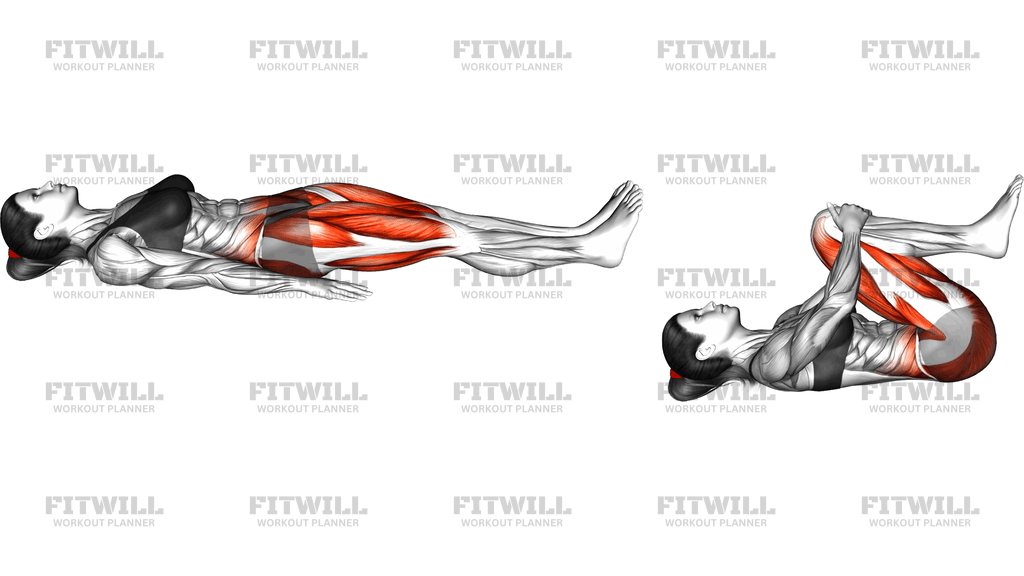
The image shows a supine setup with the back supported on the mat, knees bent, and the arms resting out to the sides. That position matters because it gives the shoulders a place to settle while the pelvis and lower spine stay quiet. The goal is not to crank the knees into a dramatic stretch; it is to let the lower back soften while the ribcage, hips, and breathing stay organized.
Use the bent knees to keep the stretch manageable and repeatable. As you settle into position, keep the neck long, the chin relaxed, and the lower ribs from flaring upward. If your version of the stretch includes a small pelvic rock or side-to-side drift, let it happen only a few inches at a time. The movement should come from controlled positioning of the pelvis, not from yanking with the legs or twisting the spine aggressively.
This stretch fits well in warmups, cooldowns, recovery work, and sessions where you want to restore motion after long periods of sitting. It can also help after back-dominant lifting sessions when the low back feels compressed or overworked. Beginners can use it safely because the range is easy to scale, but the effort should always stay gentle. A calm exhale often does more than extra force, and the moment the stretch becomes sharp, pinchy, or radiating, the range is too large.
Treat each repetition or hold as a controlled reset for the spine. Set the body, breathe out, ease into tension, and come out slowly if you need to change position. The best result comes from a mild, even stretch that you can repeat without compensation, not from pushing to the deepest possible end range.
[ Workout Log & Planner ]
Put your next workout in Fitwill
Keep your plan and training log ready when you are.


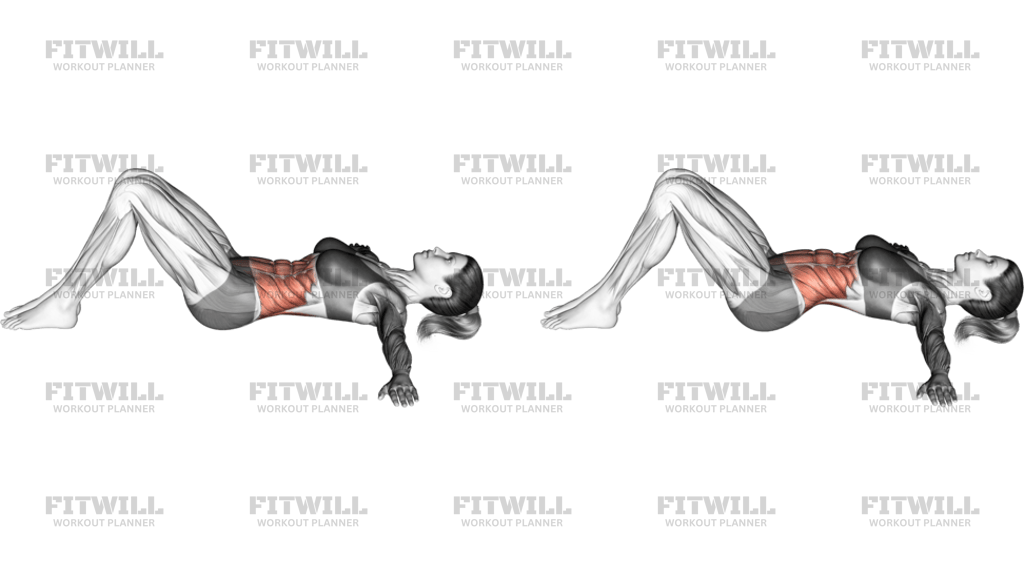
Instructions
- Lie on your back on an exercise mat and bend both knees so your feet can rest flat or lightly into the mat.
- Open your arms to the sides at shoulder height so the upper body can stay relaxed and grounded.
- Set your head and neck in a neutral position and keep your lower ribs from flaring upward.
- Gently tilt the pelvis so your lower back settles toward the mat instead of arching hard.
- If you use a small rocking variation, let the knees drift only a few inches and keep the shoulders heavy on the floor.
- Exhale slowly as you ease into the stretch, then inhale without letting the low back tense up.
- Hold the end position long enough to feel a mild, even stretch across the lumbar area and hips.
- Return to the neutral start slowly, then repeat with the same controlled range.
Tips & Tricks
- Keep the stretch mild; the lower back responds better to steady pressure than to hard pushing.
- If the hip flexors dominate, bring the feet a little closer to the hips so the pelvis can settle.
- Let the ribs stay down so the lumbar spine, not the chest, does the work.
- A long exhale usually helps the pelvis relax more than holding the breath.
- If you rock side to side, move from the pelvis and keep the shoulders pinned to the mat.
- Use a mat that is firm enough to support your shoulders and sacrum without sinking too much.
- Stop short of any sharp, pinching, or radiating sensation into the legs.
- After sitting or deadlifting, use a smaller range and longer breathing holds.
Frequently Asked Questions
What does Lying Lower Back Stretch Bent Knee target most?
It mainly targets the lower back area while the hips and surrounding support muscles help you stay relaxed and positioned on the mat.
Should my feet stay flat during the stretch?
In this bent-knee version, yes. Keeping the feet supported helps the pelvis settle and keeps the stretch from turning into a strain.
Do my knees need to touch the floor?
No. The knees only need to move far enough to create a mild stretch while the shoulders and pelvis stay controlled.
Why are the arms out to the sides?
The arms help anchor the upper body so the shoulders stay relaxed and the low back can soften without extra tension.
Can beginners do this exercise safely?
Yes. It is a beginner-friendly floor stretch as long as the range stays gentle and there is no sharp pain.
What should I feel in my lower back?
You should feel a mild, even release or lengthening, not a pinch, jolt, or radiating sensation into the legs.
When is the best time to use this stretch?
It works well in warmups, cooldowns, and recovery sessions, especially after sitting or back-dominant training.
How can I make the stretch easier?
Keep the knees closer to neutral, shorten the hold, and use slower breathing instead of trying to push deeper.