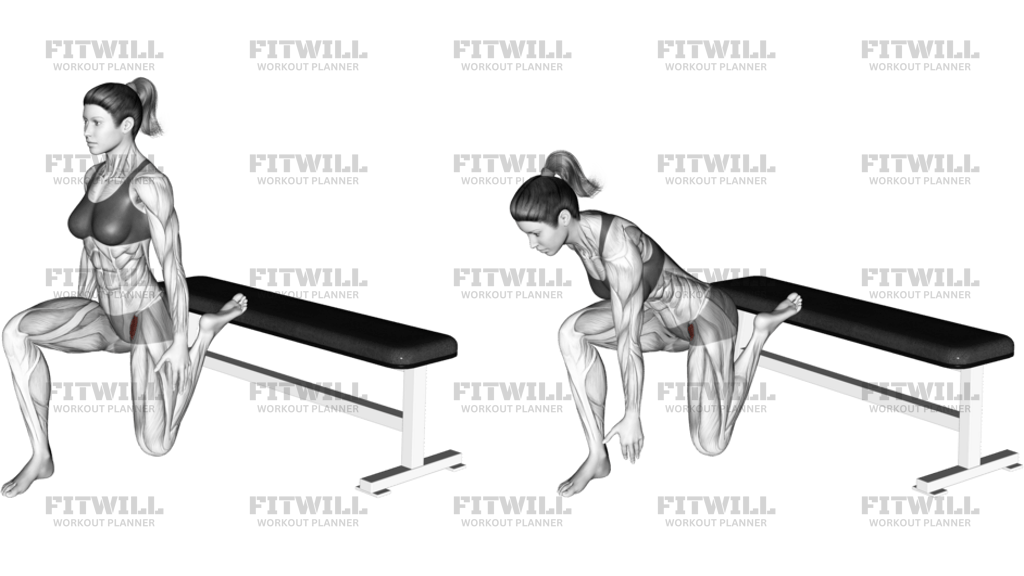
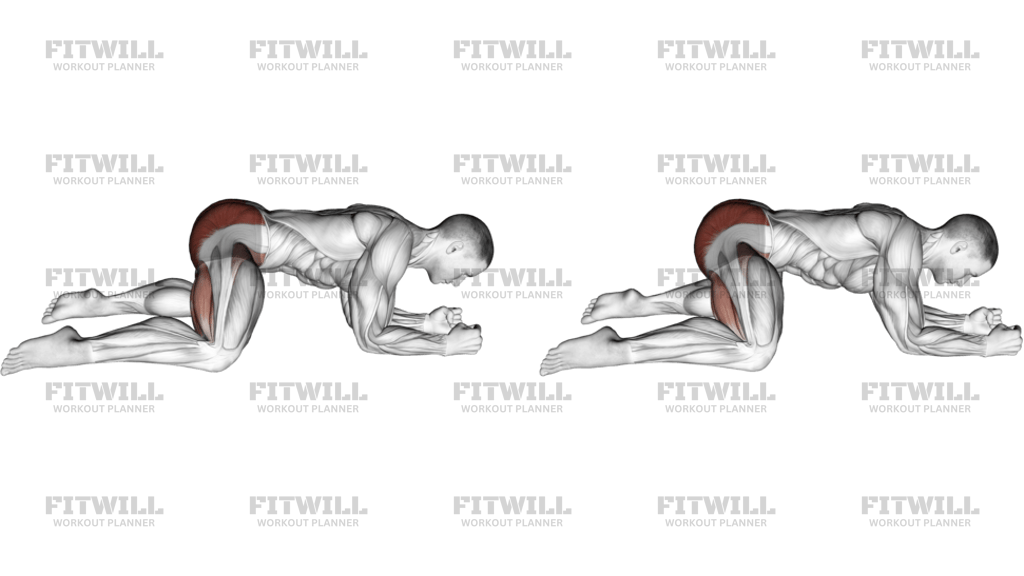
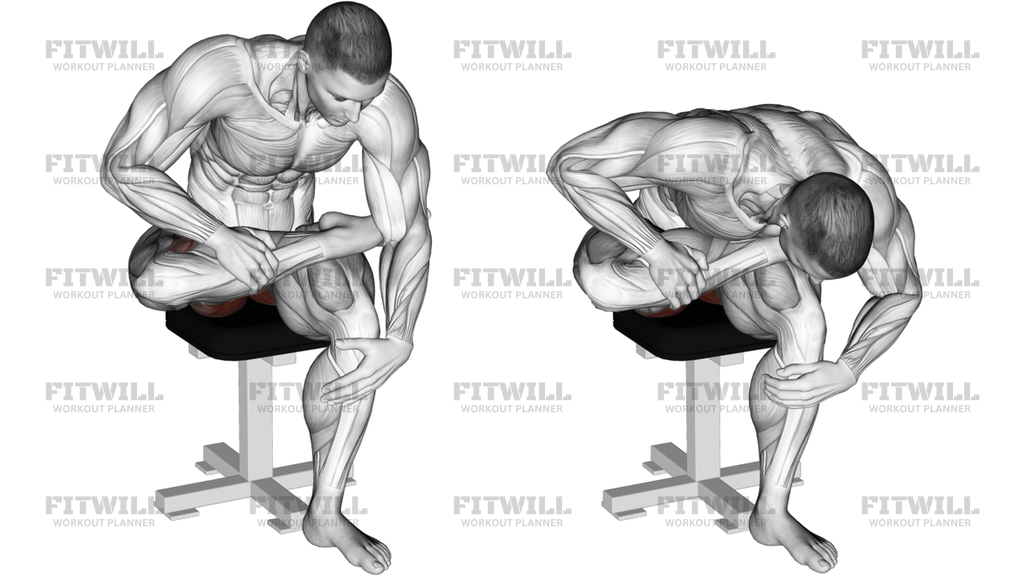
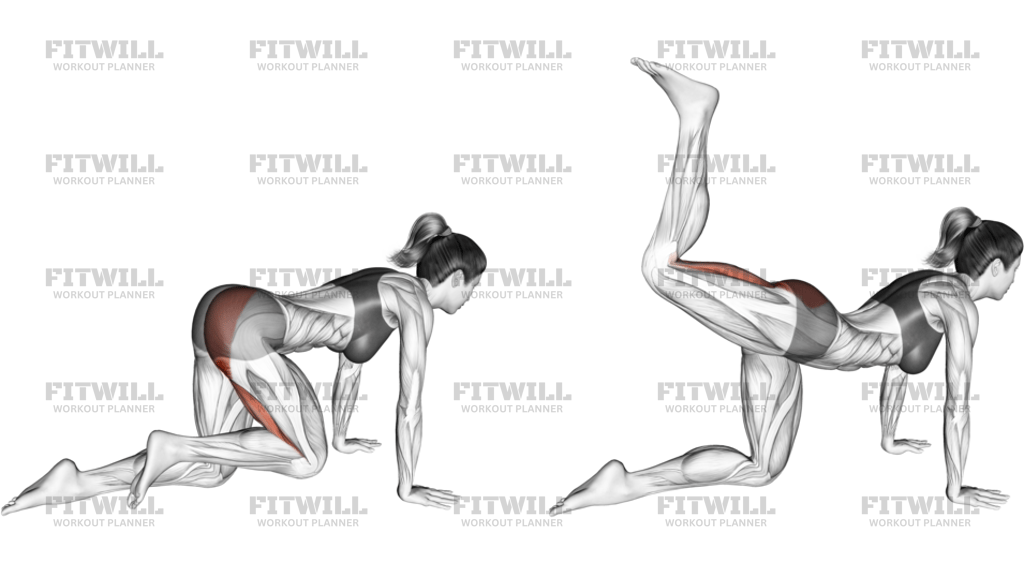
Lying Glute Stretch
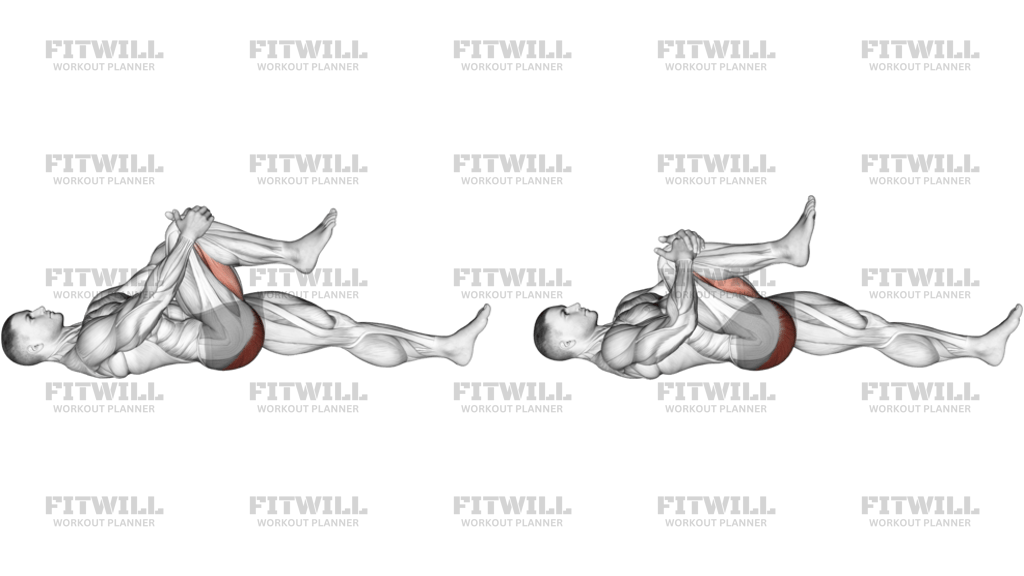
Lying Glute Stretch is a floor-based hip mobility drill done on your back with body weight and an exercise mat. It opens the glutes, outer hip, and the deep rotators around the back of the hip, which is why it is commonly used after squats, lunges, running, deadlifts, or any session that leaves the hips feeling tight. The stretch should feel targeted and calm, not forced. If the pelvis stays heavy and the ribs stay down, the glute stretch is much clearer and the low back stays out of the way.
This movement is most useful when you want a controlled stretch that is easy to repeat on both sides. In the position shown, one leg is drawn in while the other stays long on the floor, creating a strong stretch across the working hip. Many lifters also use the same family of stretch as a figure-four variation by crossing one ankle over the opposite knee before pulling the thigh inward. The exact version matters less than the goal: keep the setup stable, keep the neck relaxed, and let the hip open gradually instead of cranking on the leg.
The primary work centers on the gluteus maximus, with support from the deeper hip rotators, hamstrings, and the muscles that keep the pelvis from twisting. That support is important because a sloppy setup can turn the stretch into a low-back arch or a knee pull. A cleaner rep is created by drawing the thigh toward the torso, keeping the opposite hip settled, and using slow breathing to let the tissues soften without losing position.
This is not a strength exercise and it should not be treated like one. The goal is to find a consistent end range, hold it long enough to settle the tissue, then switch sides without jerking or bouncing. A little asymmetry between sides is normal, especially if one hip is tighter from sport, sitting, or repeated single-leg work. The stretch is a good fit for warmups, cooldowns, mobility blocks, and recovery days when the hips need motion without load.
Use the position to calm stiffness, not to chase the deepest possible stretch. If the knee feels pinched or the low back starts to lift, shorten the range and reset the pelvis before continuing. Beginners can absolutely use this movement because it is bodyweight only and easy to scale by changing the knee angle, foot position, or hold time. The best repetitions are quiet, controlled, and easy to repeat on both sides.
[ Workout Log & Planner ]
Put your next workout in Fitwill
Keep your plan and training log ready when you are.


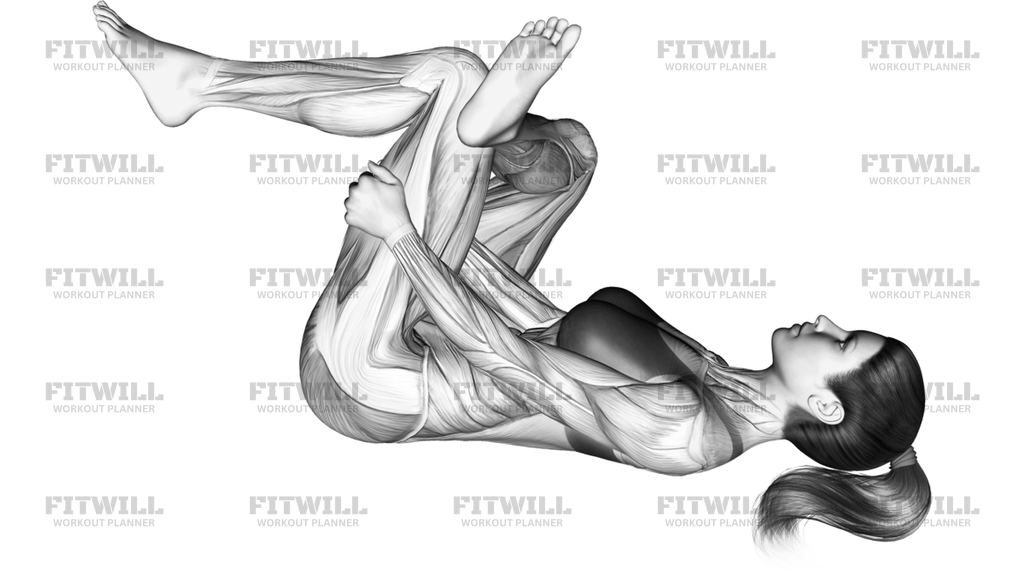
Instructions
- Lie on your back on the mat and keep one leg long on the floor while the other knee bends toward your chest.
- If you are using the figure-four version, place the ankle of the bent leg across the opposite thigh just above the knee.
- Thread your hands behind the supporting thigh or behind the shin, then relax your shoulders and keep your head on the mat.
- Exhale and draw the thigh toward your torso until you feel a clear stretch in the glute and outer hip.
- Keep the pelvis heavy and avoid letting the low back arch off the floor as you pull in.
- If the stretch is too mild, gently angle the knee a little toward the opposite shoulder without twisting your spine.
- Hold the end position with steady breathing and a relaxed jaw, then ease out of the stretch slowly.
- Reset both hips flat, switch sides, and match the same range of motion on the second leg.
Tips & Tricks
- Flex the crossed ankle if you are using the figure-four version; a live foot usually turns the stretch into an ankle or knee distraction.
- Keep the tailbone heavy on the mat so the stretch stays in the hip instead of turning into a low-back arch.
- Pull the thigh toward your torso, not your head; the neck and upper back should stay quiet.
- A small diagonal pull toward the opposite shoulder usually hits the glute more than a straight-up knee hug.
- If the knee feels cranky, slide the crossed ankle slightly lower on the thigh and reduce the pull-in angle.
- Let the exhale be longer than the inhale on each hold; that usually lets the outer hip settle faster.
- Do not force the bottom leg to stay perfectly straight if your pelvis starts to tip; a slight knee bend is fine.
- Stop the stretch short of numbness, tingling, or sharp pain in the hip or knee.
Frequently Asked Questions
What does the Lying Glute Stretch target most?
It mainly targets the glutes and the deep outer-hip muscles that help rotate and stabilize the hip.
Is this the same as a figure-four stretch?
It is the same family of movement. Some versions keep one knee hugged in, while others cross the ankle over the opposite thigh first.
How do I know I am doing the stretch correctly?
You should feel the stretch in the glute and outer hip of the bent leg, while the low back stays relaxed on the mat.
Can beginners use this stretch safely?
Yes. It is bodyweight only and easy to scale by shortening the pull-in range or keeping the uncrossed leg slightly bent.
Why does my knee feel stressed in this position?
The crossed ankle may be too high on the thigh or the pull may be too aggressive. Lower the setup a little and back off the range.
Should the opposite leg stay straight on the floor?
Straight is fine if your pelvis stays down. If the low back or hamstrings feel tight, bend that knee slightly for more comfort.
When is the best time to use this stretch?
It works well after lower-body training, between mobility drills, or as part of a cooldown when the hips feel compressed.
What is the most common mistake with this stretch?
The biggest mistake is yanking the knee toward the chest and letting the pelvis roll, which shifts the stretch away from the glutes.