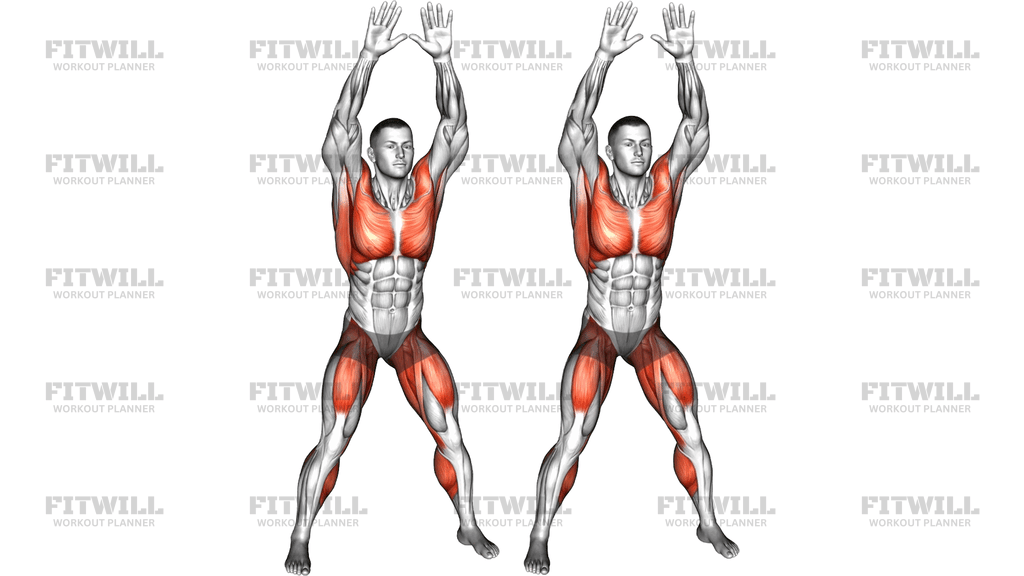
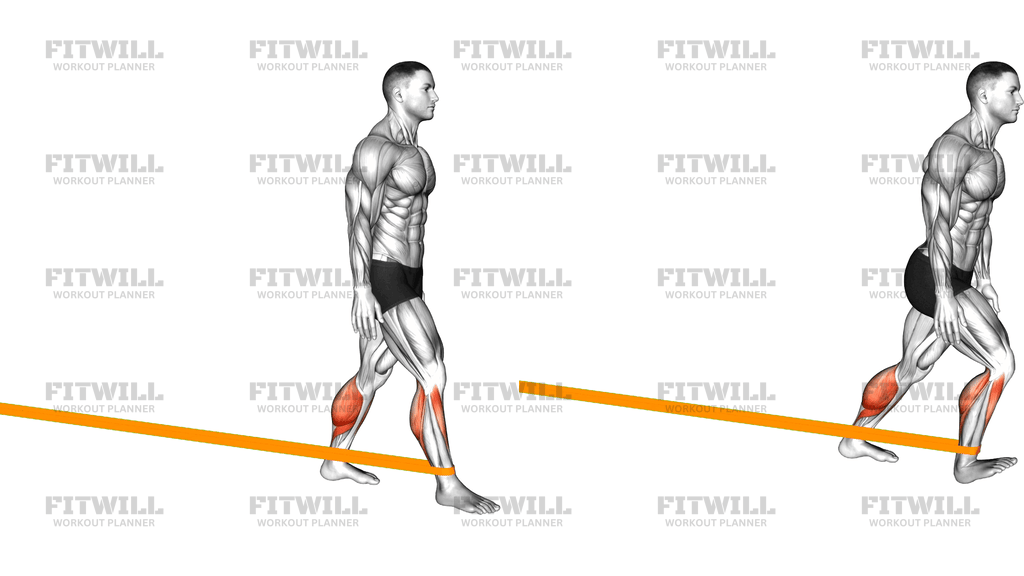
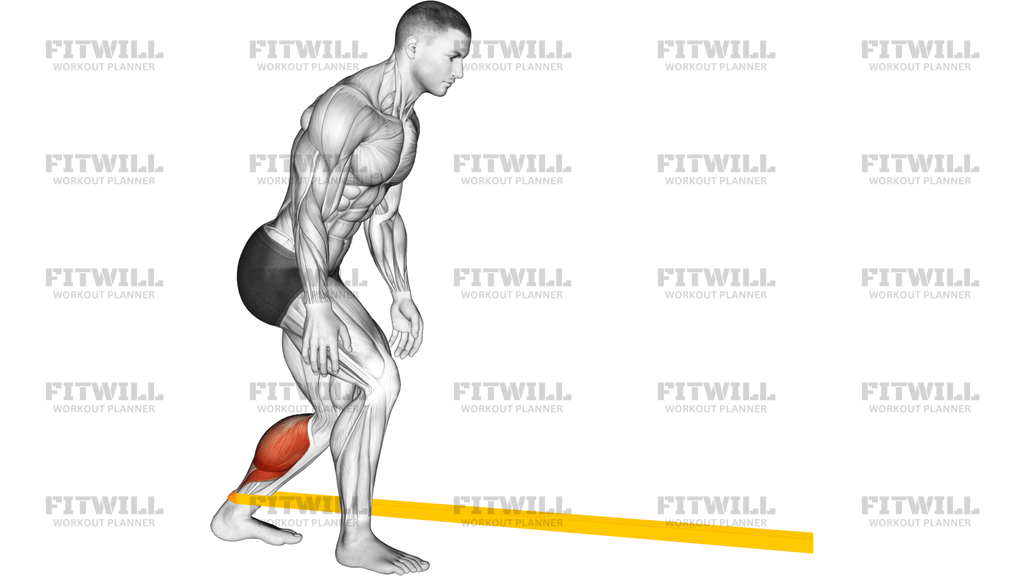
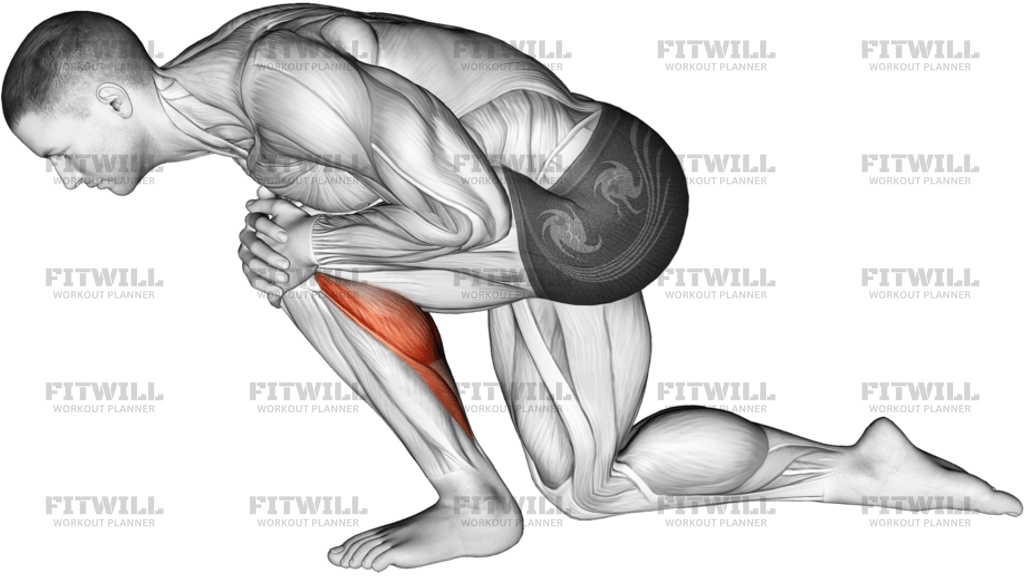
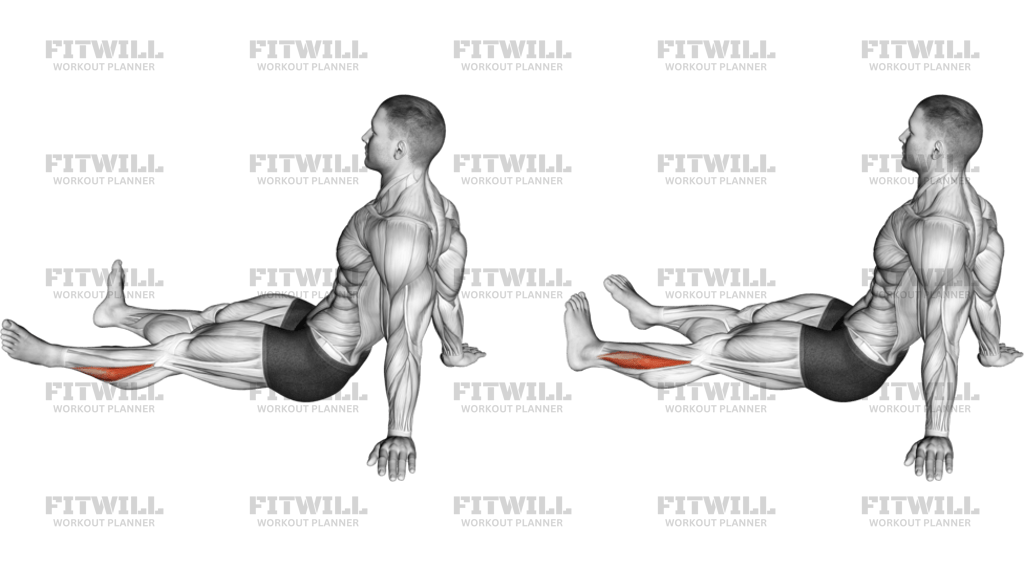
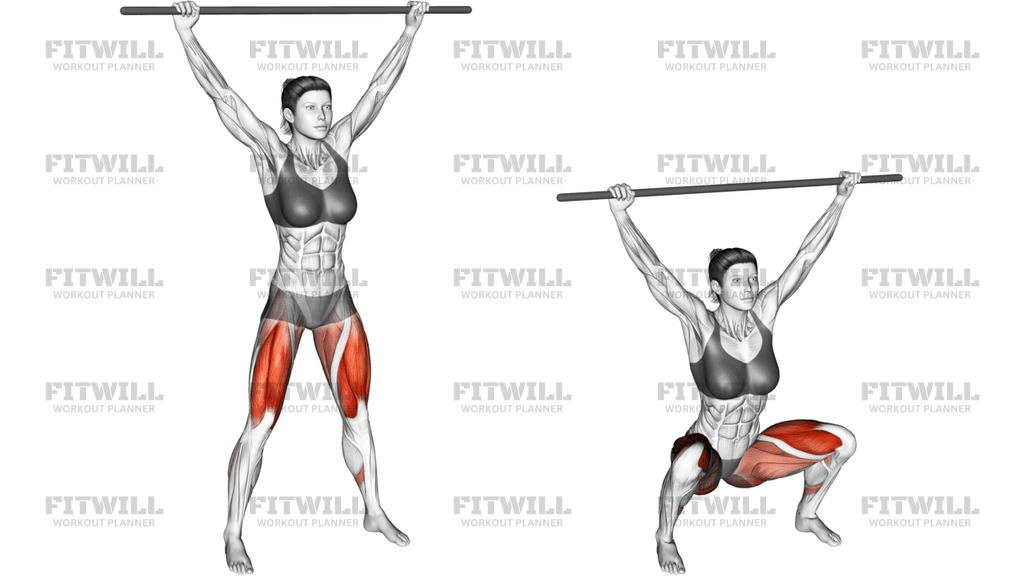
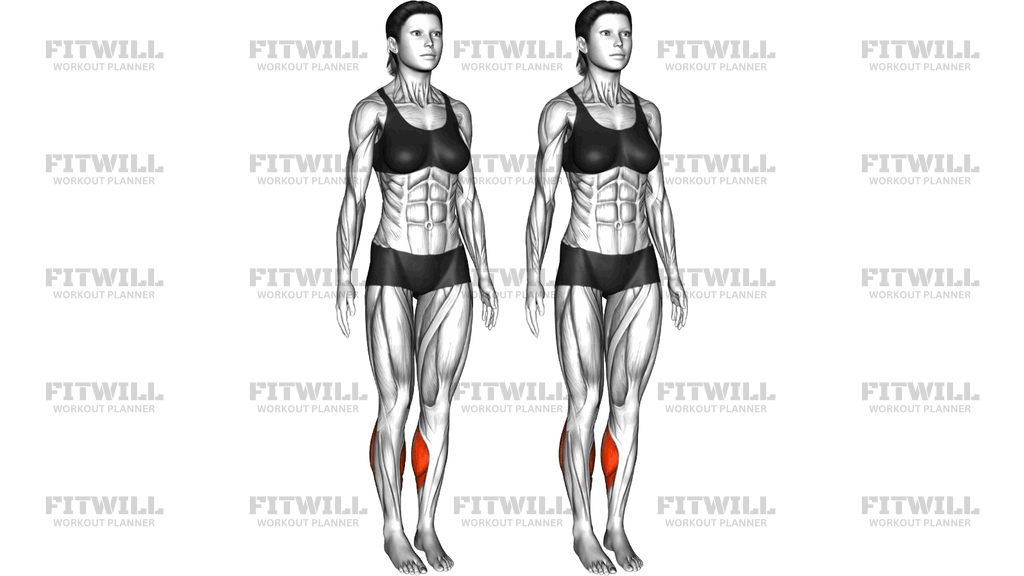
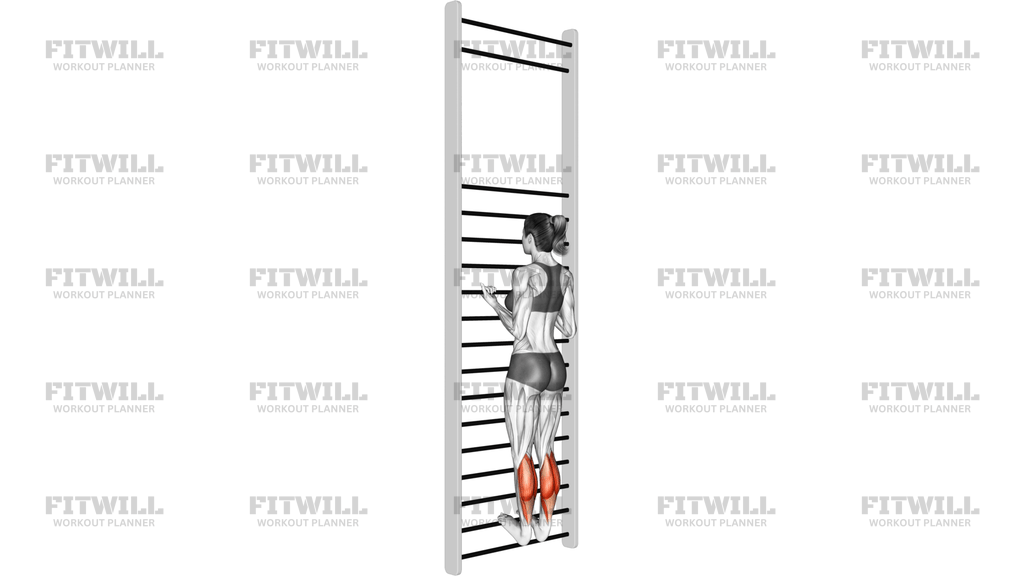
Feet And Ankles Side To Side Stretch
Feet And Ankles Side To Side Stretch is a standing ankle and calf mobility drill performed with body weight on an exercise mat. The side-to-side shift alternates tension between the lower legs so you can open the calves, ankles, and feet without adding load. It is a useful warm-up or recovery drill when ankle stiffness affects balance, squatting depth, walking, or running mechanics.
The exercise works best when the upper body stays quiet and the lower body does the moving. Keep the torso tall, the hips level, and the feet planted while you shift pressure from one side to the other. One knee softens as the opposite leg lengthens, creating a controlled stretch through the calf and ankle instead of a big sway through the spine.
Setup matters because the feet are the foundation of the movement. Stand in a stable stance, spread pressure through the whole foot, and move slowly enough that you can feel exactly when the stretch transfers from one side to the other. A clean repetition should have a clear start, a smooth weight shift, a brief pause at the stretched side, and an equally controlled return.
Use this drill to prepare the lower legs before training or to reduce stiffness after sessions that stress the calves and ankles. Keep the stretch pain-free and small enough to control. If the heel, arch, or front of the ankle pinches, shorten the range and keep the pressure more even across the foot rather than forcing a deeper position.
[ Workout Log & Planner ]
Put your next workout in Fitwill
Keep your plan and training log ready when you are.


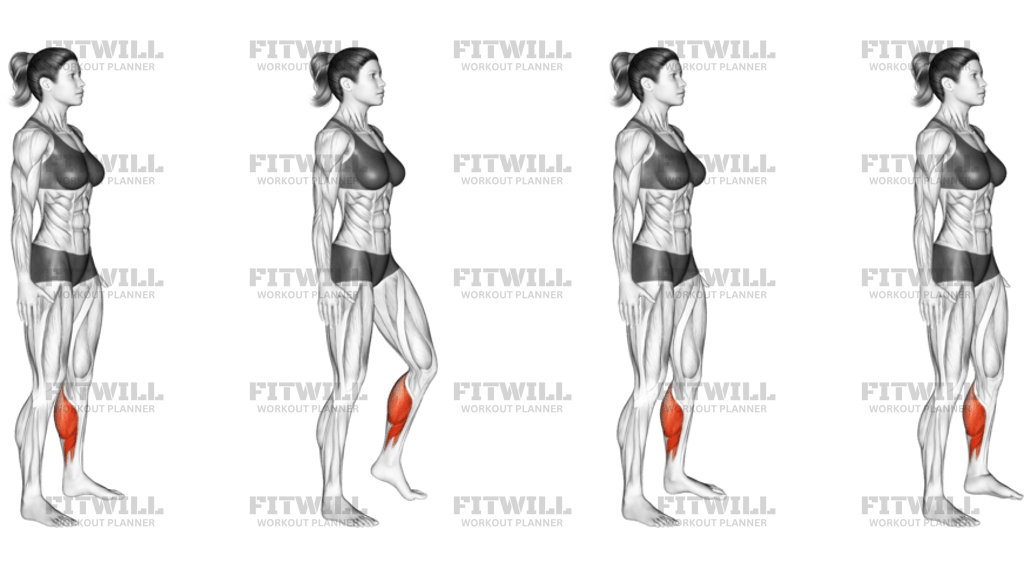
Instructions
- Stand on the mat with your feet about hip-width apart and your toes pointing forward or slightly out.
- Stack your ribs over your pelvis, keep your chest tall, and spread pressure through both feet.
- Shift your weight toward one side as that knee bends and the opposite leg lengthens.
- Keep the working heel grounded as long as you can while the ankle bends and the calf stretches.
- Pause briefly when you reach the end of the stretch on that side without bouncing.
- Move back through center under control, keeping your torso upright and your hips level.
- Shift to the other side and repeat the same controlled bend-and-lengthen pattern.
- Breathe out as you move into the stretch and inhale as you return to center.
Tips & Tricks
- Let the knee track over the second or third toe so the arch does not collapse inward.
- Keep the heel of the stretching side down if possible; lifting it turns the drill into a different movement.
- Stay tall through the crown of the head instead of folding forward at the hips.
- Use a smaller side-to-side shift if your balance starts to wobble.
- The stretch should feel like a calf and ankle opening, not a pinch in the front of the ankle.
- Move slowly enough to feel pressure transfer from the outside edge of the foot to the whole foot and back again.
- Avoid bouncing into the end range; a short pause is more useful than a quick rebound.
- If your lower legs are very tight, shorten the stance and keep the range modest before you try to deepen it.
Frequently Asked Questions
What does Feet And Ankles Side To Side Stretch work most?
It mainly targets the calves and ankle mobility, with extra demand on the feet that keep your stance stable.
Is this a beginner-friendly stretch?
Yes. It uses body weight only, so beginners can keep the range small and focus on balance and control.
Should my heel stay on the mat the whole time?
Try to keep the stretching-side heel down as long as possible. If it lifts, reduce the range and shift a little less aggressively.
What is the most common mistake with this stretch?
Rushing side to side and letting the torso lean are the biggest problems. The movement should stay upright and controlled.
Where should I feel the stretch?
You should feel it along the calf and around the ankle, with pressure through the foot. Sharp pain in the heel or front of the ankle is a sign to back off.
Can I use this before squats or running?
Yes. It works well in a warm-up when ankle stiffness is limiting your lower-body mechanics.
How many repetitions should I do?
Use smooth, controlled reps for each side and stop before the movement turns into a bounce.
How can I make the stretch deeper over time?
First improve control and balance, then let the range increase naturally. A better line of motion matters more than forcing a bigger stretch.