Rear Delt Row With Bed Sheet
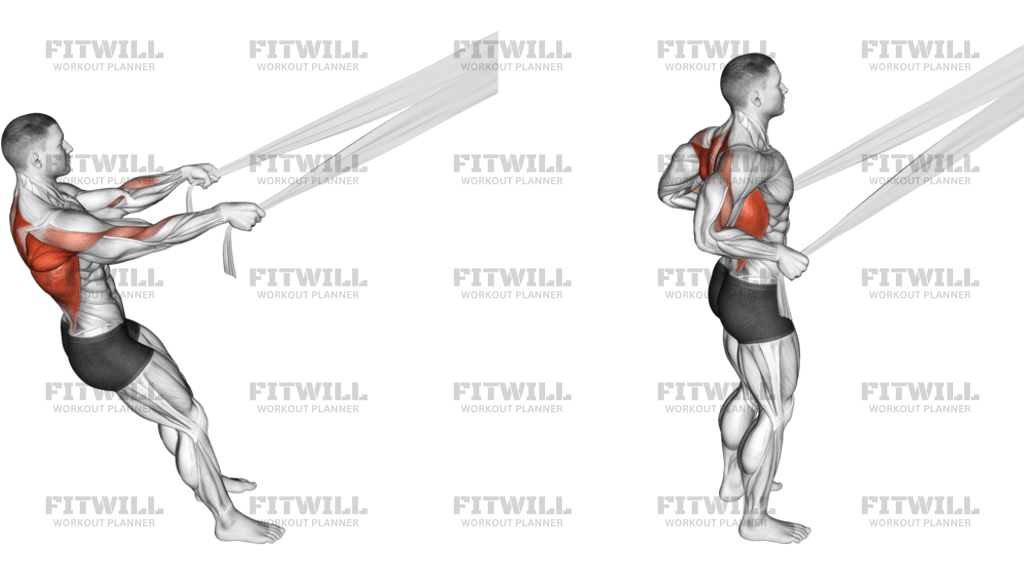
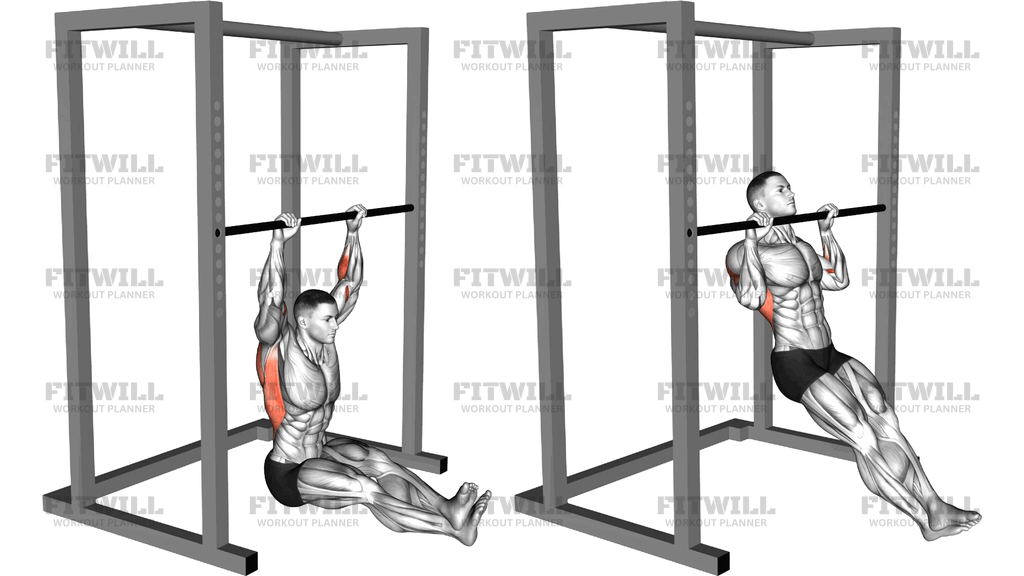
Rear Delt Row With Bed Sheet is a bodyweight row variation that uses a bed sheet or similar improvised straps anchored overhead. The long handles let you lean back and row your body toward your hands, which makes it a useful home exercise for the rear delts, upper back, lats, biceps, and forearms while also teaching shoulder control.
The setup matters because the sheet is part of the resistance and part of the safety system. It should be looped over a secure anchor point and held evenly in both hands so the body stays level as you row. The farther you walk your feet forward, the harder the movement becomes; the more upright you stand, the easier it is to control.
A clean rep begins with straight arms, a tall chest, and shoulders set away from the ears. Pull by driving the elbows back and slightly out, then squeeze the shoulder blades without shrugging or craning the neck. At the top, the handles should come toward the lower ribs or the sides of the chest, depending on your body angle and grip width.
This exercise is especially useful when you want upper-back volume without weights or when you need a rear-delt-focused row to balance pressing work. Keep the torso rigid, avoid twisting or jerking, and lower under control until the arms are long again. If the sheet slips, the anchor feels unstable, or the fabric digs in painfully, stop and reset before another rep.
[ Workout Log & Planner ]
Put your next workout in Fitwill
Keep your plan and training log ready when you are.


Instructions
- Loop a bed sheet securely over a solid overhead anchor or door anchor and hold one end in each hand.
- Walk your feet forward until your arms are straight and your body is leaning back in a rigid line.
- Set your feet about hip-width apart, brace your abs and glutes, and keep your shoulders down away from your ears.
- Start with your palms facing each other or slightly inward and your wrists straight.
- Pull your elbows back and slightly out, leading with the upper arms instead of yanking with the hands.
- Bring the handles toward your lower ribs or the sides of your chest and squeeze your shoulder blades together without shrugging.
- Lower yourself slowly until the elbows are straight again and the shoulders stay packed.
- Exhale as you row up, inhale as you return, and keep the motion smooth from rep to rep.
- Reset immediately if the sheet shifts, one side starts pulling higher than the other, or your torso begins to twist.
Tips & Tricks
- The more you walk your feet forward, the harder the row becomes; shorten the stance if your low back starts to arch.
- Keep the elbows a little below shoulder height if you want the pull to stay friendlier to the rear delts and upper back.
- Do not start the rep by bending the arms hard; set the shoulder blades first, then row.
- Keep your ribs down at the top so the chest does not flare and steal tension from the back.
- If one hand reaches sooner than the other, your setup is uneven and the sheet length should be adjusted before the next rep.
- A one-second squeeze at the top usually works better than chasing extra range.
- Use a slower lowering phase if the movement feels too easy or if you want more upper-back time under tension.
- Stop the set if the sheet bites into your hands, twists in the anchor, or starts fraying.
Frequently Asked Questions
What muscles does Rear Delt Row With Bed Sheet work most?
It mainly hits the rear delts, upper back, and lats, with the biceps and forearms helping as you hold and pull the sheet.
Is this more of a rear delt move or a lat move?
It can be either, but the more you pull the elbows back and slightly out, the more it shifts toward the rear delts and upper back.
How do I make the row easier?
Stand more upright and keep your feet closer to the anchor so your body angle is less demanding.
How do I make the sheet row harder?
Walk your feet farther forward so your body leans back more, then keep the torso straight while you row.
Where should the handles come to at the top?
Aim for the lower ribs or the sides of the chest, not the neck or shoulders.
Do I need a door anchor or can I just loop the sheet over something?
Use only a truly secure anchor point. If the anchor moves, slips, or looks questionable, do not use it for this exercise.
What is the biggest form mistake with this movement?
Most people shrug the shoulders or twist the torso instead of keeping the body rigid and rowing evenly.
Is this safe for beginners?
Yes, if the anchor is secure and you start with an easier body angle so you can control every rep.