Hammer Grip Pull-Up On Dip Cage
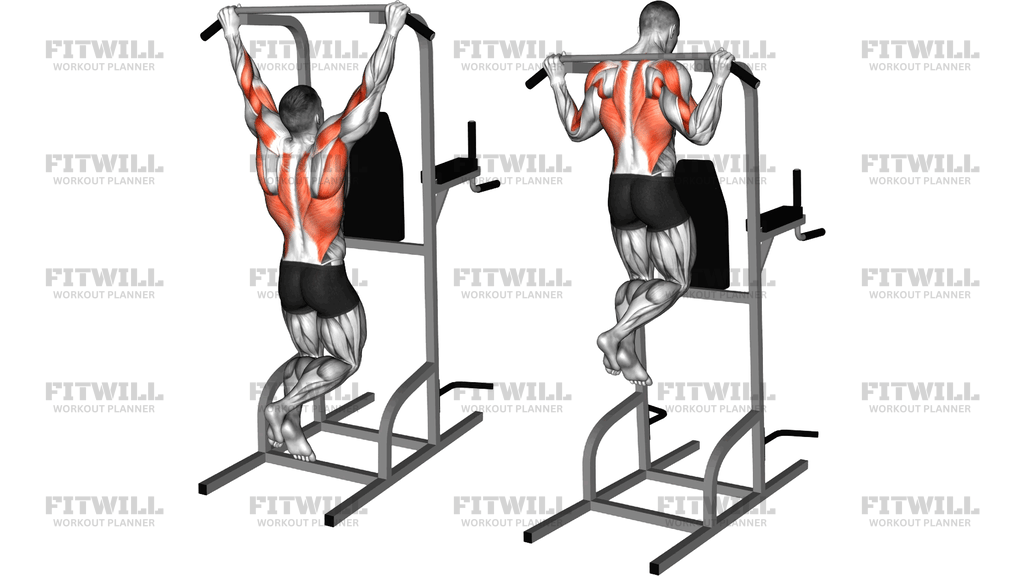
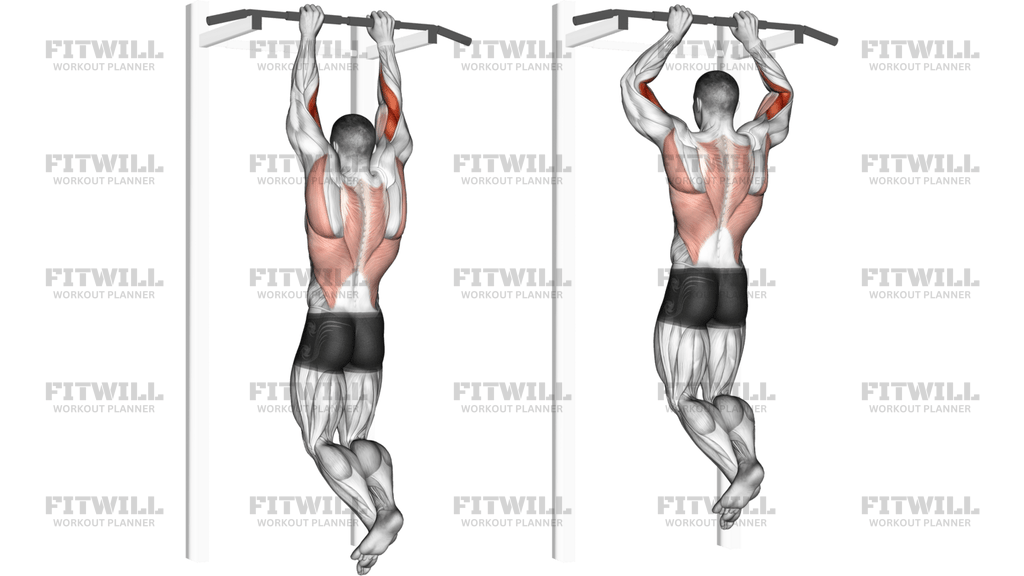
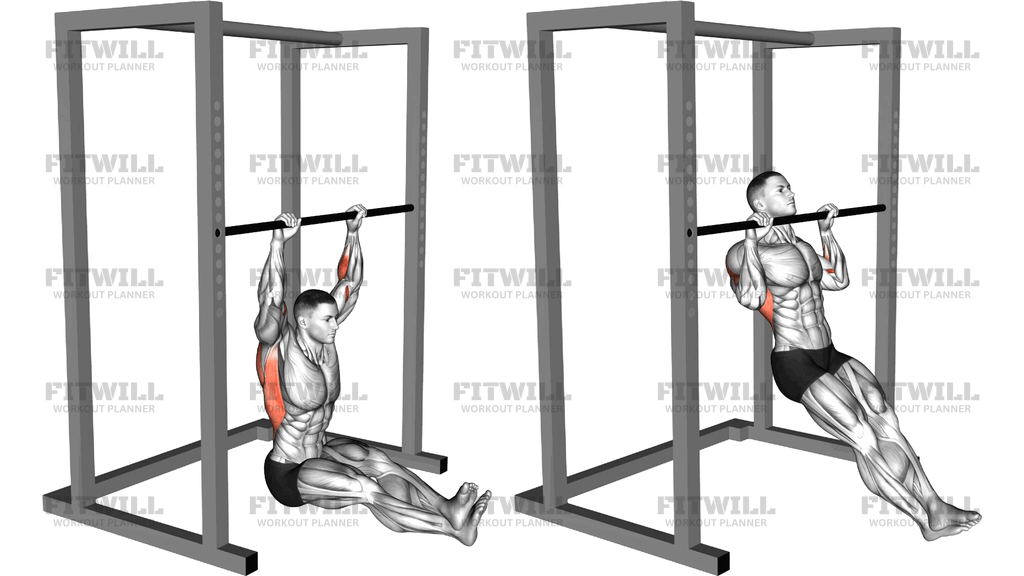
Hammer Grip Pull-Up On Dip Cage is a strict bodyweight pulling exercise performed on the neutral, parallel handles of a dip cage. It trains the lats hardest, with the upper back, biceps, forearms, and shoulder stabilizers helping you keep the rep clean from the first inch off the hang to the controlled lower back to full extension.
The neutral grip changes the feel of the pull in a useful way. Because the palms face each other, many lifters can keep the shoulders in a more comfortable position and drive the elbows down with less wrist strain than a straight-bar pull-up. That makes the exercise especially useful for building back strength when you want a strong vertical pull without forcing a very wide grip or an aggressive overhand position.
The setup matters more than it looks. Start from a dead hang or an active hang with the ribs pulled down, glutes lightly squeezed, and the legs held together or crossed so the body does not swing. On a dip cage, the handles are usually high enough that you may need a small step or box to reach them safely. Once you are hanging, think about packing the shoulders away from the ears before you bend the elbows, so the lats take over instead of the rep becoming a shrug.
Each repetition should travel straight up and down without kipping. Pull the chest toward the handles by driving the elbows down and slightly back, then finish when the chin clears the handles or the upper chest rises high enough for a strict rep. The top position should feel controlled, not jerked. Lower under control until the elbows are straight again and the shoulders are still active, rather than dropping into the bottom and losing tension.
This exercise fits well in strength blocks, back-focused sessions, or accessory work for athletes who need better vertical pulling power. It can also be scaled for beginners with band assistance, foot support, or short controlled negatives. The best results come from strict range, quiet body position, and a pace that keeps the lats loaded instead of letting momentum do the work.
[ Workout Log & Planner ]
Put your next workout in Fitwill
Keep your plan and training log ready when you are.


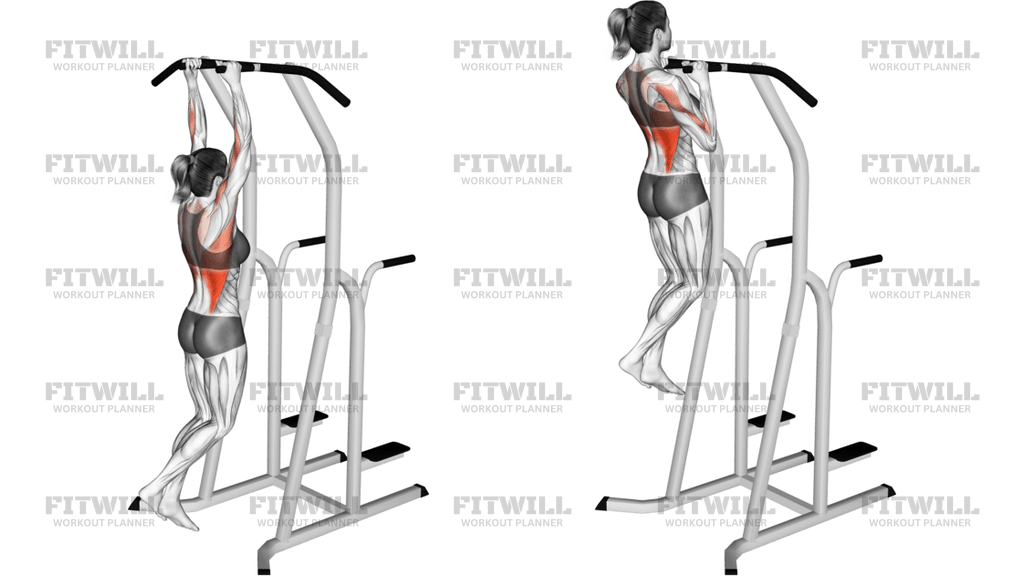
Instructions
- If the handles sit too high to reach safely, step onto a box and grab the parallel grips with your palms facing each other.
- Hang from straight arms with your shoulders active, your ribs stacked over your pelvis, and your legs together or lightly crossed to keep the body quiet.
- Set your core and glutes before the first pull so the cage stays still and the swing stays out of the rep.
- Start the pull by driving your shoulders down away from your ears, then bend the elbows and pull your chest toward the handles.
- Keep your elbows traveling down and slightly back instead of flaring wide or drifting forward.
- Lift until your chin clears the handles or your upper chest reaches a strict top position without kicking or craning your neck.
- Squeeze the lats and upper back briefly at the top while keeping the torso controlled.
- Lower slowly until the elbows are fully extended again and the shoulders remain engaged.
- Reset the hang before the next rep and keep every repetition equally strict.
Tips & Tricks
- Think about pulling your elbows toward your back pockets to keep the lats in charge of the rep.
- Use the dip cage handles as a neutral grip, not a wide pull-up bar grip, so your wrists and shoulders stay in a stronger line.
- A slight leg cross helps quiet the lower body and makes it easier to avoid swinging.
- If your shoulders shrug first, restart the rep with a stronger active hang before you bend the elbows.
- Stop the rep before you have to jab your chin forward to reach the top.
- Lowering under control matters here; a slow descent keeps tension on the lats and upper back longer.
- Choose band assistance or foot support if you cannot keep the torso still through the full range.
- Keep the ribs from flaring as you pull so the motion stays vertical instead of turning into a half-kip.
- If grip fails before your back does, shorten the set or use fewer reps per set rather than turning the movement sloppy.
Frequently Asked Questions
What muscles does Hammer Grip Pull-Up On Dip Cage work most?
The lats are the main target, with the upper back, biceps, forearms, and shoulder stabilizers helping throughout the pull.
Why use the hammer grip instead of a straight bar?
The neutral grip usually feels friendlier on the wrists and shoulders and lets many lifters drive the elbows down with a stronger lat path.
Do I need to start from a dead hang?
A controlled dead hang or active hang works best, but keep the shoulders packed before you pull so you do not yank from a loose bottom position.
How high should I pull on the dip cage handles?
Pull until your chin clears the handles or your upper chest reaches a strict top position without kicking, leaning back hard, or overextending the neck.
What is the most common mistake on this exercise?
The biggest mistake is using momentum from the hips and legs instead of keeping the body still and letting the lats do the work.
Can beginners do this movement?
Yes, but many beginners need band assistance, foot support, or slow negatives before they can own a full strict rep.
Where should I feel the exercise?
You should feel it mostly through the sides of the back and under the armpits, with the biceps and forearms helping but not taking over.
How can I make the exercise easier?
Use assistance, shorten the set, or perform slow eccentrics from the top instead of forcing sloppy full reps.