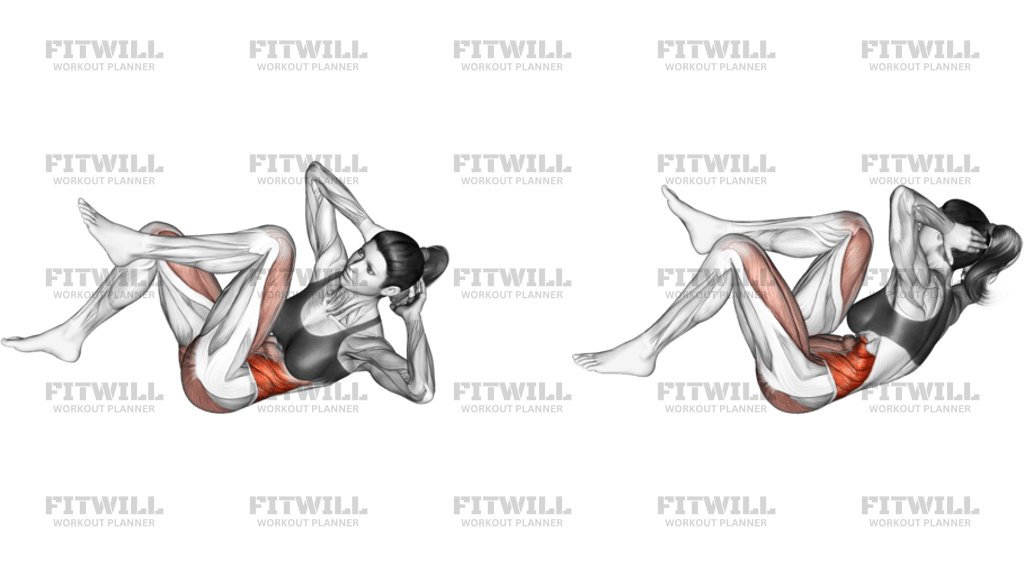
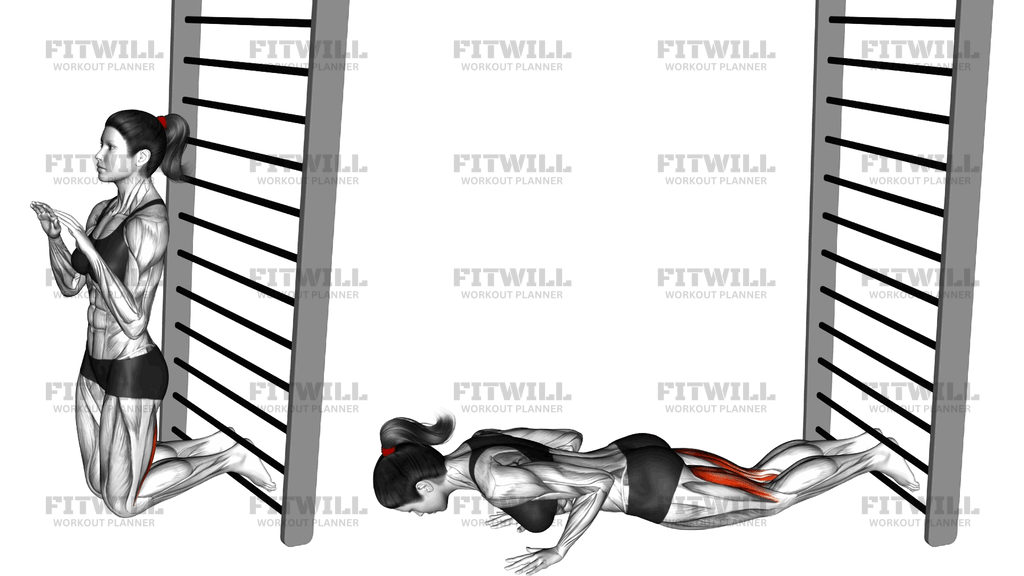
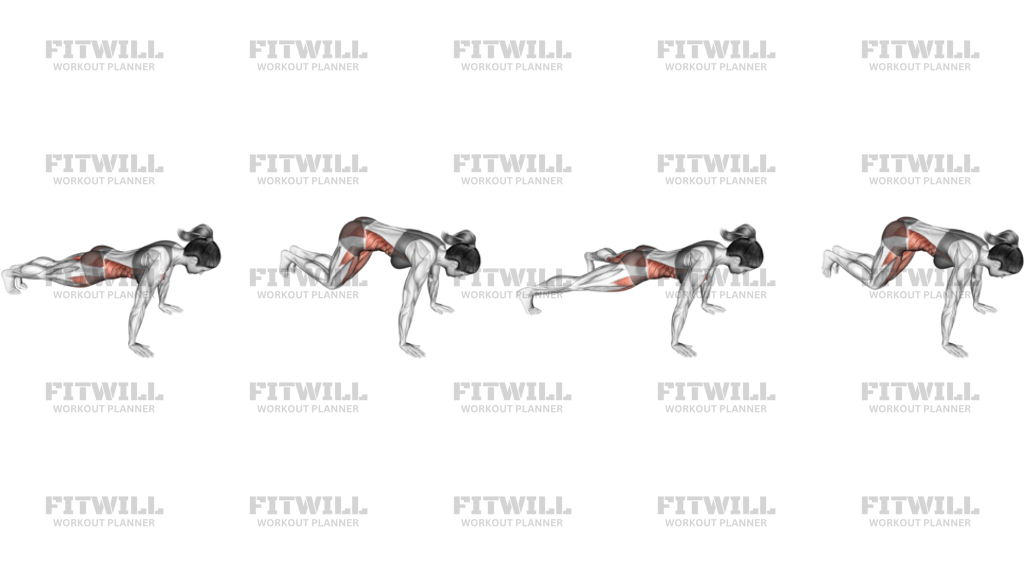
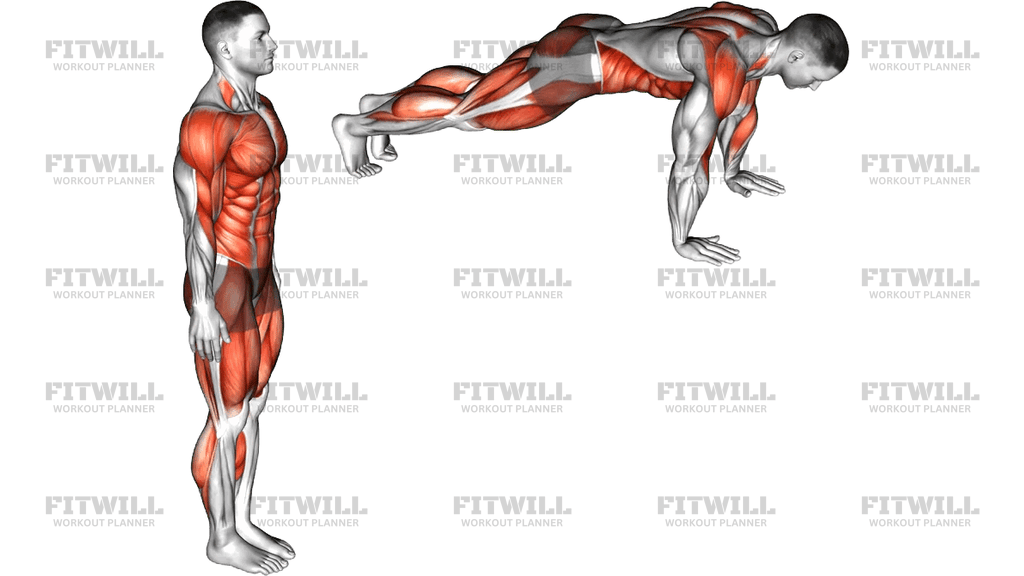
Leg Raise Dragon Flag
Leg Raise Dragon Flag is a high-skill bodyweight core movement done on a flat bench. It combines a strict leg raise with dragon-flag control, so the goal is not just to lift the legs but to keep the trunk from folding, arching, or swinging as the body moves through a long lever.
The exercise strongly stresses the lower abs, rectus abdominis, obliques, and hip flexors, while the shoulders, lats, and grip help anchor the upper body to the bench. Because the legs stay long and the pelvis has to tuck under load, this movement also trains anti-extension strength and the ability to control the rib cage and pelvis together.
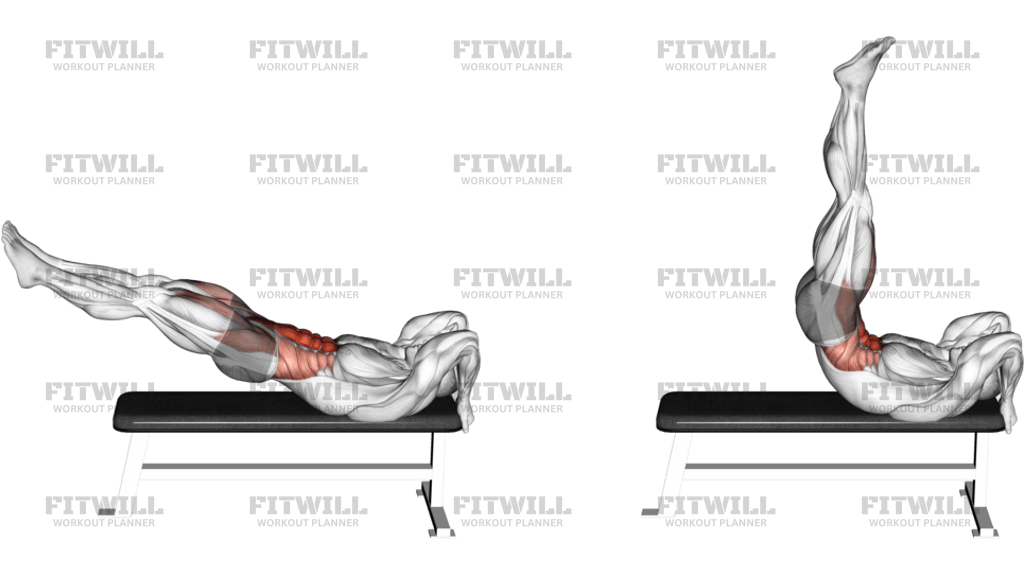
The bench setup matters. Your shoulders and upper back stay supported on the pad while your hands grip the bench near your head so the torso can stay fixed. From that position, the legs travel from a low hover to a vertical or near-vertical finish, then return slowly along the same path. The useful part of the rep is the control of that arc, especially the moment before the low back wants to arch or the hips start to drift.
This is best used as advanced accessory work after a warm-up, or as a short, focused core drill when you want a demanding compression and body-control challenge. Keep the reps slow, crisp, and symmetrical. If you cannot maintain a clean straight-leg path, reduce the range, bend the knees slightly, or lower the bench leverage before chasing more reps.
Treat the movement as a strength skill, not a momentum drill. The best repetitions look quiet: no kicking, no jerking, no neck strain, and no collapse through the midsection. When the body line stays organized, the exercise becomes a very direct test of abdominal control and pelvic position under a long lever.
[ Workout Log & Planner ]
Put your next workout in Fitwill
Keep your plan and training log ready when you are.


Instructions
- Lie lengthwise on a flat bench with your upper back and shoulders supported on the pad and your hips close to the bench edge.
- Grip the bench beside or just behind your head so your arms can anchor your torso; keep your chest open and your neck long.
- Extend both legs straight and let them hover low in front of you without letting your lower back arch away from the bench.
- Exhale, tuck your pelvis, and raise your legs in one smooth arc toward the ceiling.
- Keep the knees straight and let the hips peel slightly as the legs approach vertical, as shown in the finish position.
- Pause for a beat at the top without kicking or swinging your legs.
- Lower the legs slowly on the same line until you are back in a long hover, stopping before the low back loses contact and control.
- Reset your grip and rib cage before the next rep, and end the set if the hips start to drop or the tempo turns sloppy.
Tips & Tricks
- If your lower back arches early, shorten the range and only lower the legs as far as you can keep the pelvis tucked.
- Think about curling your tailbone up toward your ribs; that cue keeps the movement from becoming a pure leg swing.
- Squeeze the bench edge hard enough that your shoulders stay fixed instead of sliding toward the edge on each rep.
- A slight knee bend is a useful regression if straight legs make you lose control through the midsection.
- Lowering phase quality matters most here; a slow descent exposes more core work than rushing to another rep.
- Keep your chin relaxed and avoid pressing your head into the bench, which can turn the lift into a neck strain exercise.
- Stop each rep before the legs drop so low that your ribs flare and your hip flexors take over the whole set.
- Use low reps and long rest, because this movement is usually limited by control long before local muscle fatigue.
Frequently Asked Questions
What muscles does the Leg Raise Dragon Flag work?
It heavily trains the lower abs and rectus abdominis, with the obliques, hip flexors, lats, shoulders, and grip helping stabilize the body.
Is this exercise beginner-friendly?
No. It is an advanced bodyweight core drill, but beginners can regress it with a smaller range or bent knees.
Why is the bench support important?
The bench gives your shoulders and upper back a fixed base so you can focus on lifting and lowering the legs without losing the trunk position.
Should my knees stay straight the whole time?
Straight legs are the standard version, but a slight bend is a practical regression if you cannot keep the pelvis tucked and the movement smooth.
What is the most common mistake?
Most people swing the legs up and let the lower back arch on the way down instead of controlling the full lever from start to finish.
How low should I lower my legs?
Lower them only until you can still keep your ribs down and your pelvis from tipping forward; the lowest clean hover is the right depth.
Can I do this on the floor instead of a bench?
You can practice a related floor leg raise, but the bench version creates the dragon-flag leverage and support shown in the exercise image.
How should I program it?
Use it as short accessory work for low reps, with enough rest to keep every repetition strict and controlled.