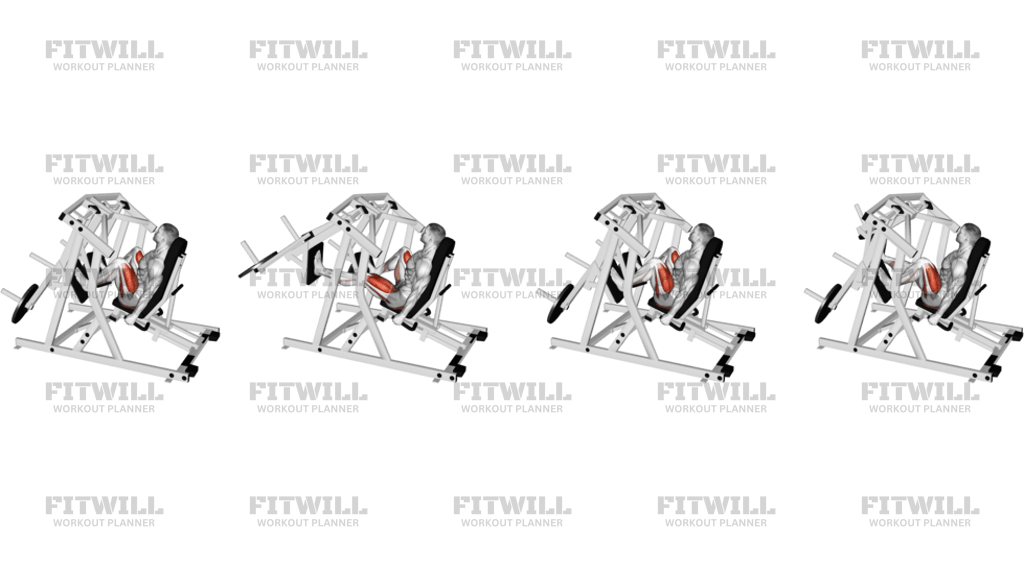
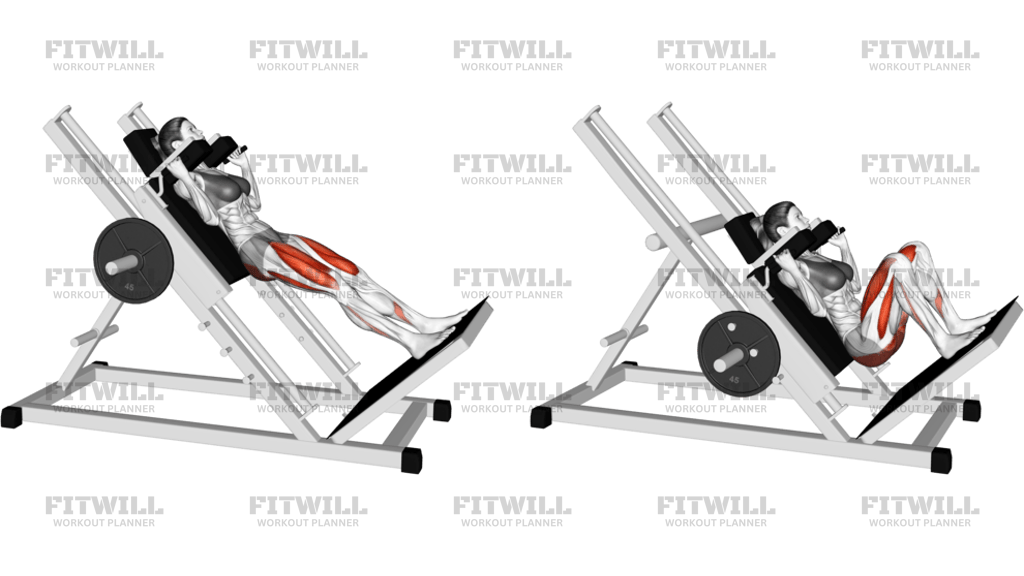
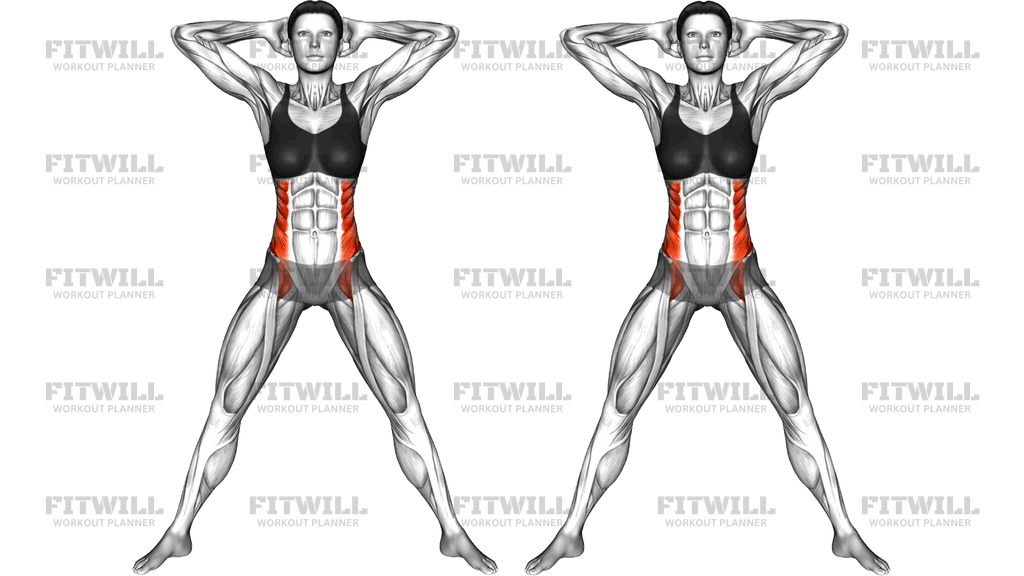
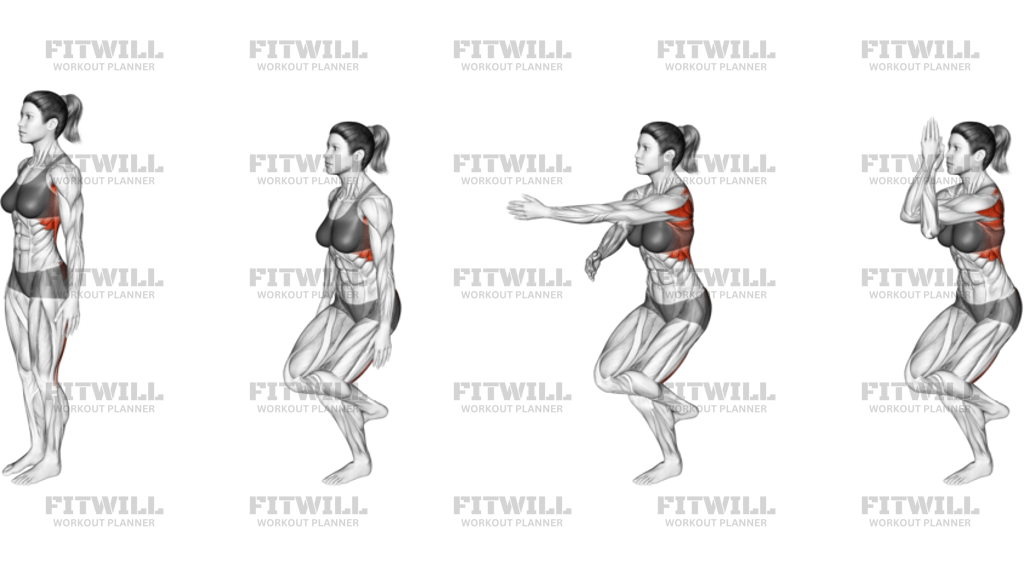
Tiger Tail Neck
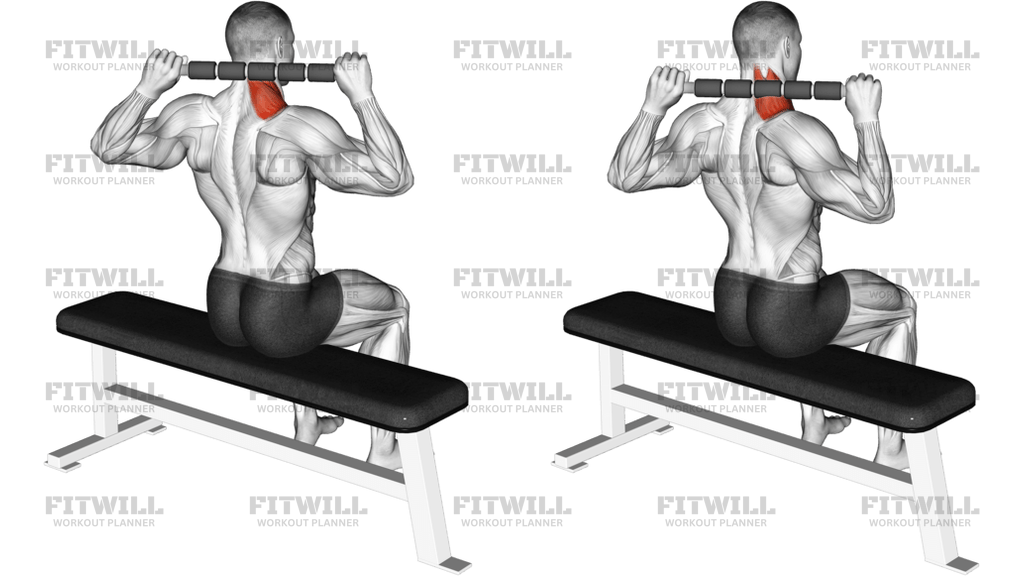
Tiger Tail Neck is a seated neck-control drill that uses a light bar or padded dowel held across the upper traps while the head moves through a small, deliberate range. The setup is simple, but it matters: the bench, feet, torso, and hands all stay quiet so the neck does the work instead of the shoulders or upper back taking over. In practice, this makes Tiger Tail Neck useful for warming up the cervical area, restoring controlled motion, or training gentle strength and endurance around the neck.
The exercise places the most stress on the muscles that stabilize and move the cervical spine, with the shoulder girdle acting as a support system. Because the movement is small, the quality of each rep matters more than the size of the range. A clean repetition should feel smooth and deliberate, with the head moving independently while the chest stays stacked over the pelvis and the bar stays level behind the neck.
Good setup starts with a tall seated position on a flat bench, feet planted, and the bar resting across the upper traps just behind the neck. The hands hold the bar wide enough to keep it steady, but not so hard that the arms start driving the motion. From there, the chin stays level and the ribcage stays down so the neck can move without the torso leaning, twisting, or shrugging.
As the rep begins, the head turns or tilts only through a pain-free range, then pauses briefly before returning to center under control. The movement should look smooth and conservative, not forced, because the goal is to load the neck with precision rather than chase a dramatic stretch. If the shoulders rise, the chin juts forward, or the trunk starts to rotate, the set is too heavy or the range is too large.
Tiger Tail Neck is best used when you want a very focused neck accessory, a controlled warm-up before contact sports or upper-body training, or a light correction drill for posture and cervical awareness. Keep the resistance light enough that the bar simply anchors the position while the neck moves cleanly. The safest reps are the ones that end with the same upright posture you started with, no momentum, no yanking, and no discomfort beyond a mild local effort in the neck.
[ Workout Log & Planner ]
Put your next workout in Fitwill
Keep your plan and training log ready when you are.


Instructions
- Sit tall on a flat bench with both feet planted and a light bar or padded dowel resting across the upper traps just behind your neck.
- Hold the bar with a wide, relaxed grip so it stays level, and keep your elbows down instead of flaring them upward.
- Stack your ribcage over your pelvis, lift through the crown of your head, and keep your chin level before you start the rep.
- Take a small breath in, then slowly turn or tilt your head through a pain-free range while the shoulders and torso stay still.
- Pause for a moment at the end of the motion without forcing the stretch or shrugging into the bar.
- Bring your head back to center under control, keeping the bar steady across the upper traps.
- Breathe out as you move through the effort and inhale as you return to the middle.
- After the last repetition, lower the bar carefully, release your grip, and reset your neck before standing up.
Tips & Tricks
- Keep the load light enough that the bar only anchors the shoulders; if your hands start pulling hard, the setup is too heavy.
- Move the head a few degrees at a time. Big neck swings usually turn Tiger Tail Neck into a shrugging or trunk-rotation exercise.
- If your shoulders creep up toward your ears, lower the range and let the bar sit more passively across the traps.
- A level chin is the goal. Reaching the chin forward changes the line of pull and shifts tension away from the cervical muscles.
- Use the bench to stay tall, not to lean against. Slumping makes the head travel forward and shortens the working range.
- Keep the grip wide and quiet so the arms do not turn the movement into a press or pull.
- Pause only long enough to own the position; hard end-range cranking can irritate the neck fast.
- Stop the set if the motion becomes shaky, pinchy, or asymmetrical from side to side.
- A slower return to center usually gives better control than a fast reset, especially when the range is small.
Frequently Asked Questions
What muscles does Tiger Tail Neck work?
Tiger Tail Neck mainly trains the cervical muscles that control head position, with the upper traps and other shoulder stabilizers helping keep the bar steady.
Is Tiger Tail Neck a strength exercise or a mobility drill?
It can serve as both. With a very light bar and small, controlled reps, it works well for neck mobility and low-load control work.
How heavy should the bar be for Tiger Tail Neck?
Light enough that your hands are only stabilizing the bar, not fighting it. If the shoulders tense up or the neck feels compressed, the load is too much.
What is the main form mistake on Tiger Tail Neck?
The biggest mistake is letting the torso, shoulders, or chin drive the motion. The head should move on its own while the bench position stays quiet.
Should Tiger Tail Neck use a big range of motion?
No. Small, controlled cervical movement is usually better than chasing a big turn or tilt, especially if the neck is stiff.
Can beginners do Tiger Tail Neck?
Yes, if they keep the load very light and move slowly. The exercise should feel controlled, not aggressive or heavy.
Why do I need to sit tall on the bench for Tiger Tail Neck?
A tall seated setup keeps the ribcage and pelvis stacked, which helps isolate the neck and prevents the upper back from stealing the movement.
Can Tiger Tail Neck be used before lifting or sports?
Yes. It works well as a warm-up when you want to wake up the neck and practice controlled head position before harder training.