Ceiling Look Stretch
Ceiling Look Stretch is a kneeling floor stretch that opens the front line of the body, especially the front of the thighs, while also giving the hips, abdomen, chest, and neck a gentle extension. The movement is simple, but the setup matters a lot: when your knees, shins, hips, and shoulders are stacked well, the stretch stays smooth and lands where you want it instead of dumping into the lower back.
This exercise is useful when your thighs feel tight from sitting, cycling, sprinting, squatting, or lunging. It can also work well as a mobility reset before lower-body training because it wakes up the knees-down position, asks the trunk to stay organized, and lets you move from a stable base into a controlled backbend. The goal is not to force a deep arch; it is to create a clean, comfortable line from the knees through the chest while you keep breathing.
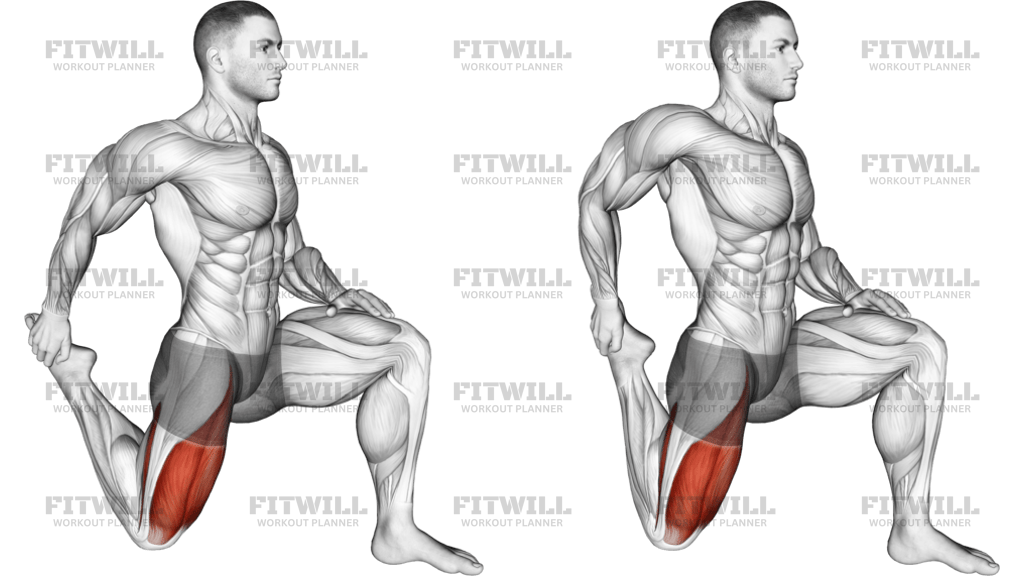
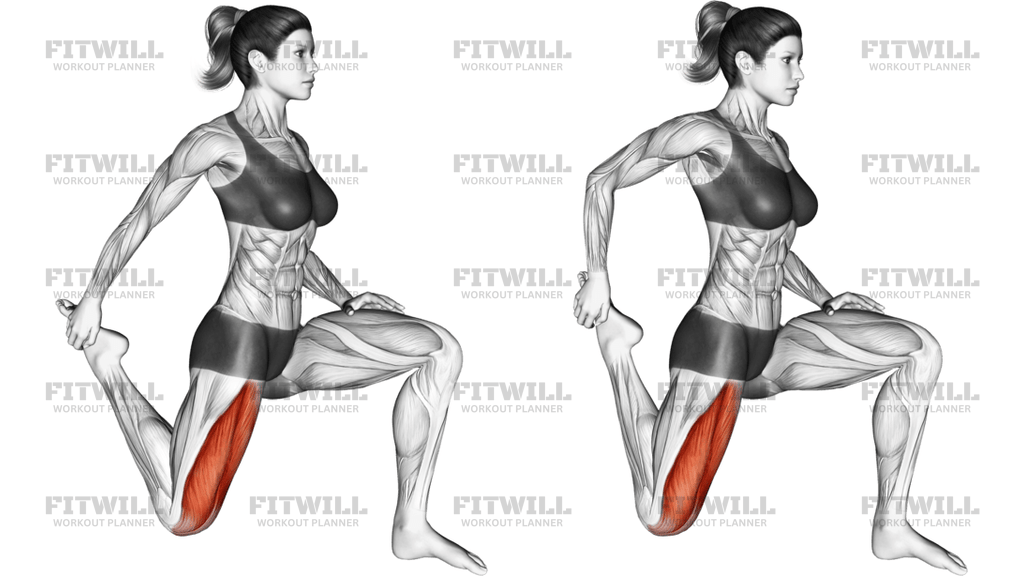
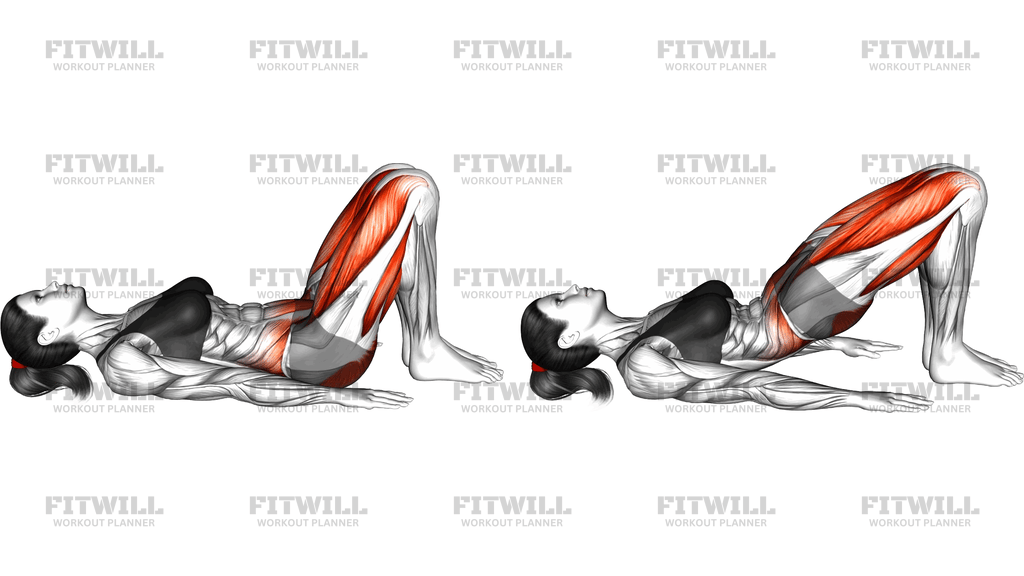
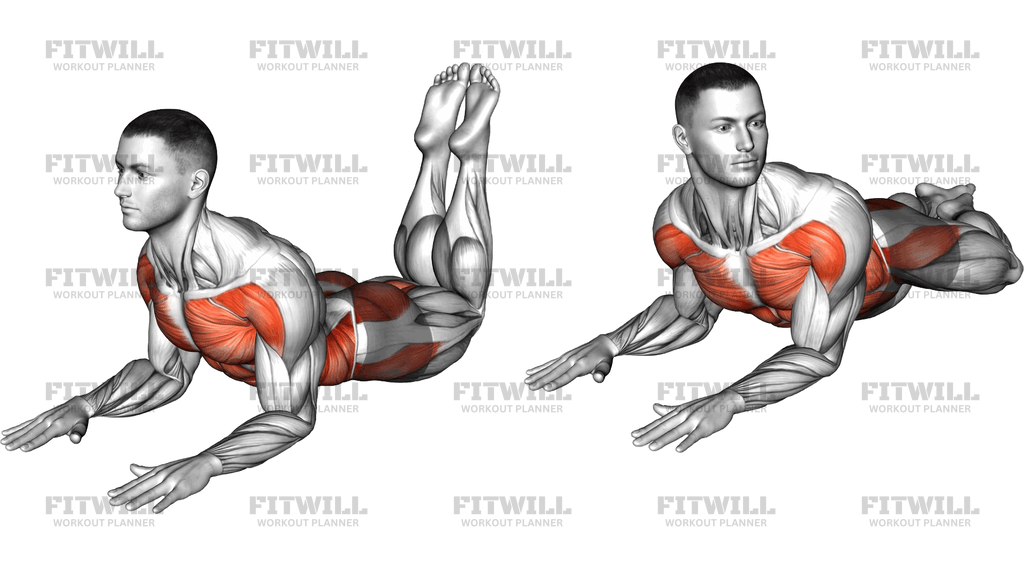
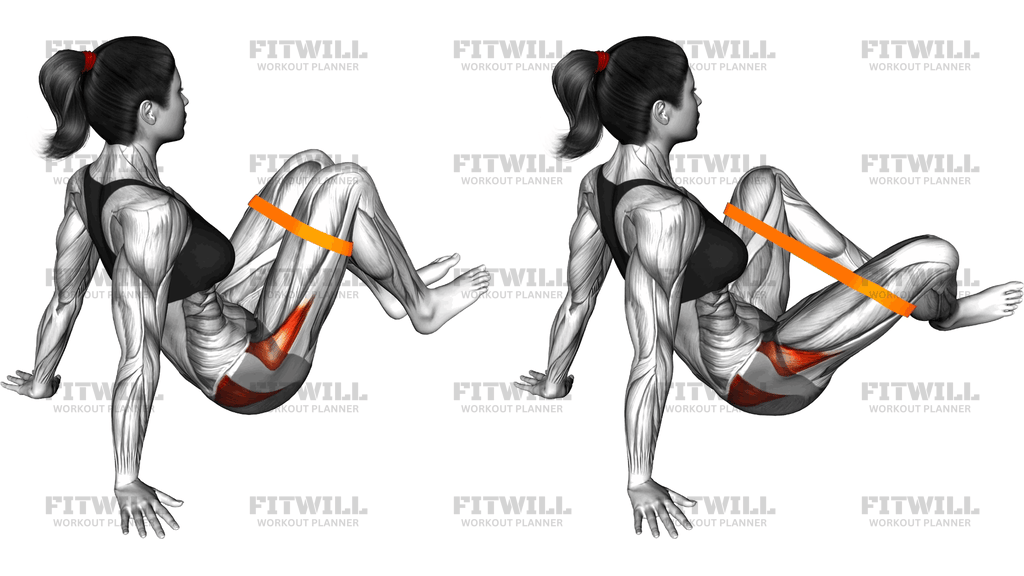
Ceiling Look Stretch usually starts from a hands-and-knees or kneeling support position on an exercise mat. From there, you lengthen the hips forward, open the chest, and gradually let the gaze travel upward only as far as the neck stays long and comfortable. If the image or your body position shows more of a kneeling backbend than a pure front-thigh stretch, that is the key idea to keep in mind: the stretch should feel like the front of the thighs and torso are opening together, not like the lower back is being cranked into extension.
The best repetitions are slow and quiet. A good rep begins with stable knees and a braced trunk, then moves into a controlled open position where the glutes stay lightly active and the ribs do not flare aggressively. That small amount of control is what keeps the stretch from turning into a low-back pinch or an uncontrolled neck drop.
Use Ceiling Look Stretch after a warm-up or between harder sets when you want a simple mobility drill that helps restore extension without load. It is friendly for beginners because the range can be kept small, but it still rewards precision: clean breathing, even pressure through the mat, and a measured return to the start position make the stretch feel much better than chasing a bigger arch.
[ Workout Log & Planner ]
Put your next workout in Fitwill
Keep your plan and training log ready when you are.


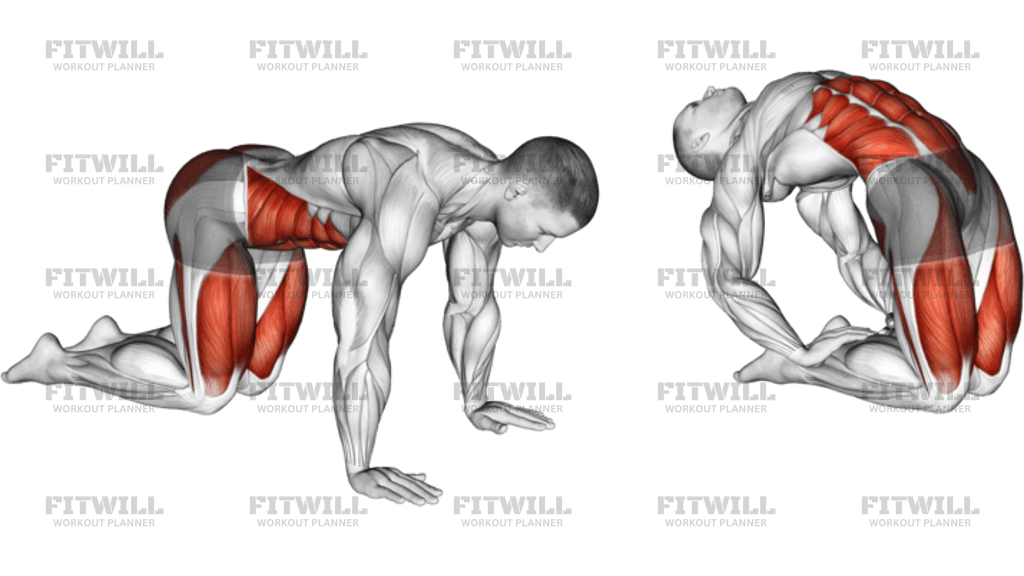
Instructions
- Kneel on an exercise mat with your knees about hip-width apart and the tops of your feet resting on the floor.
- Place your hands under your shoulders in a stable tabletop position and keep your arms long without locking out hard.
- Brace your abs lightly, then begin to shift your hips forward so your torso stays tall instead of collapsing into the shoulders.
- Walk your hands back toward your heels or ankles as your chest opens and your sternum starts to lift.
- Press your hips forward, keep your glutes lightly engaged, and let the front of your thighs lengthen as you look up.
- Stop the arch before your lower back pinches, and keep the neck long instead of jamming the head back.
- Take slow breaths in the stretched position and let each exhale soften the front of the thighs a little more.
- Return your hands to the mat, bring your hips back over your knees, and reset before the next rep.
Tips & Tricks
- Let the chest open first and the neck follow last so you do not turn the stretch into a forced head tilt.
- If the lower back feels pinchy, reduce the hip drive and keep the ribs stacked instead of flaring upward.
- Keep pressure spread through both knees and the tops of both feet so the mat support stays even.
- A small, controlled backbend is more useful here than chasing the deepest possible arch.
- Lightly squeeze the glutes to shift the stretch toward the front of the thighs and away from the lumbar spine.
- If your ankles cramp, shorten the range and use extra mat padding under the shins or feet.
- Move slowly enough that you can breathe through the stretch instead of holding tension in your abdomen.
- Use the gaze upward as a cue, not the driver; the chest should open before the eyes look to the ceiling.
Frequently Asked Questions
What does Ceiling Look Stretch target most?
It mainly targets the front of the thighs, especially the quadriceps, while also opening the hip flexors, abdomen, chest, and neck.
Is Ceiling Look Stretch a good beginner mobility drill?
Yes. Beginners can keep the backbend small, stay on the mat for support, and only lift the chest and gaze as far as they can control.
Do I need to reach my heels during Ceiling Look Stretch?
No. Reaching the heels or ankles is optional; the stretch still works well if your hands stay on the mat and your hips and chest open smoothly.
Why do I feel Ceiling Look Stretch in my lower back?
That usually means the ribs are flaring and the hips are driving forward too aggressively. Reduce the range, keep the glutes lightly engaged, and let the chest lift before the head moves back.
Should my knees stay hip-width apart in Ceiling Look Stretch?
Yes. A hip-width stance keeps the stretch organized through the thighs and hips and makes it easier to balance pressure through both legs.
What is the safest way to look up in Ceiling Look Stretch?
Lift the chest first, then let the gaze travel upward only as far as your neck stays long and pain-free. Do not snap the head back to reach the ceiling.
When is Ceiling Look Stretch most useful?
It fits well after sitting, before lower-body training, or any time your quads and hips need a gentle extension reset.
How long should I hold Ceiling Look Stretch?
Hold it for a few slow breaths per rep or about 15 to 30 seconds, depending on how much opening you can keep without losing control.