Hamstring Stretch
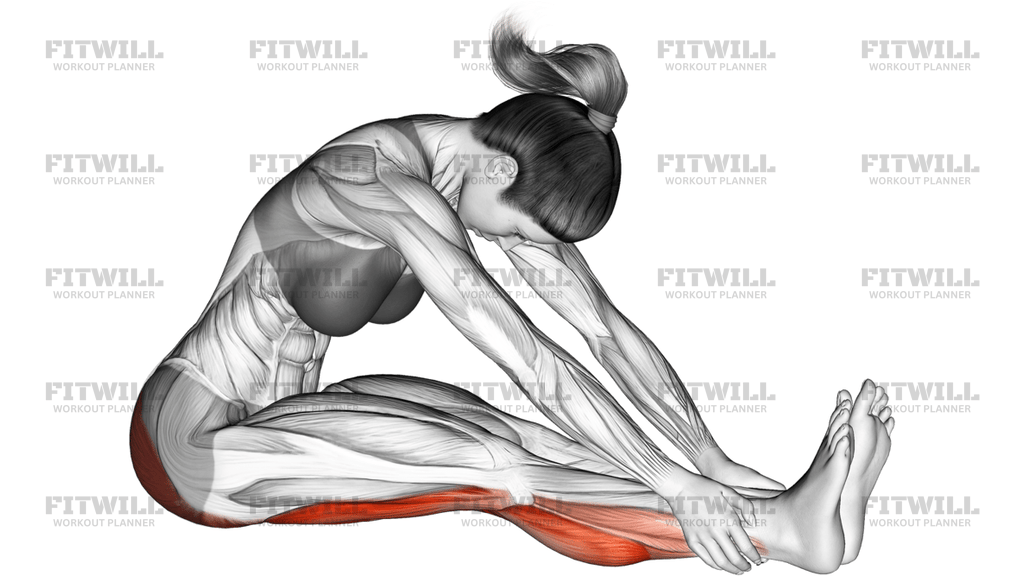
Hamstring Stretch is a supine flexibility drill for the back of the thigh. Lying on your back with one leg extended on the mat and the other leg lifted toward the ceiling, you create a controlled stretch through the hamstrings without loading the knees, hips, or spine the way a standing hinge can.
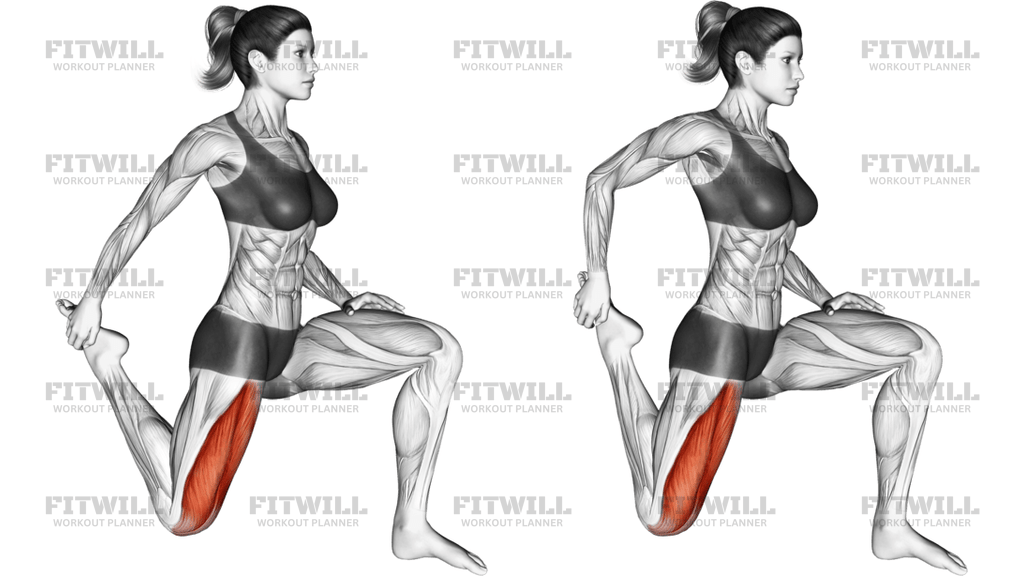
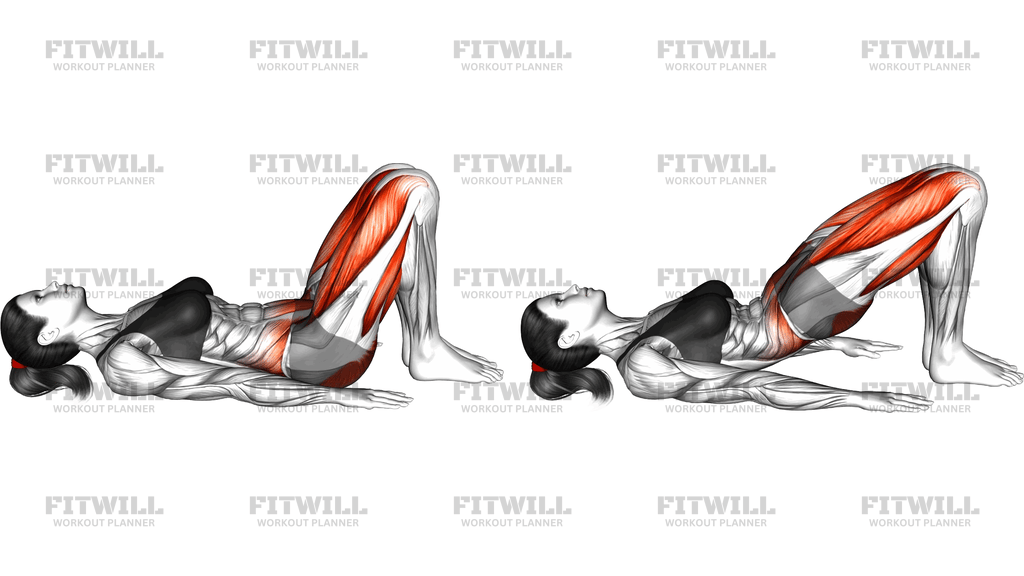
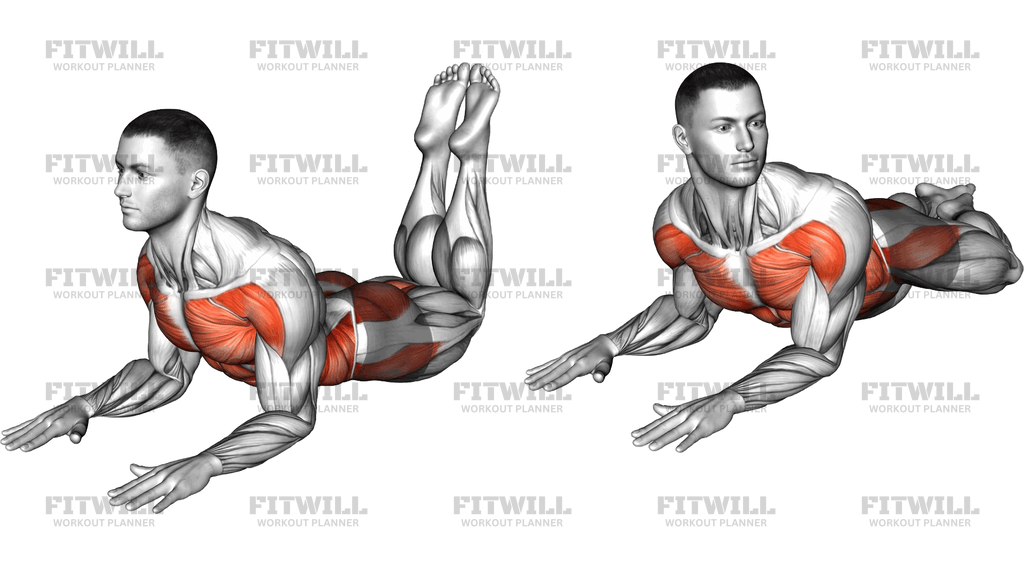
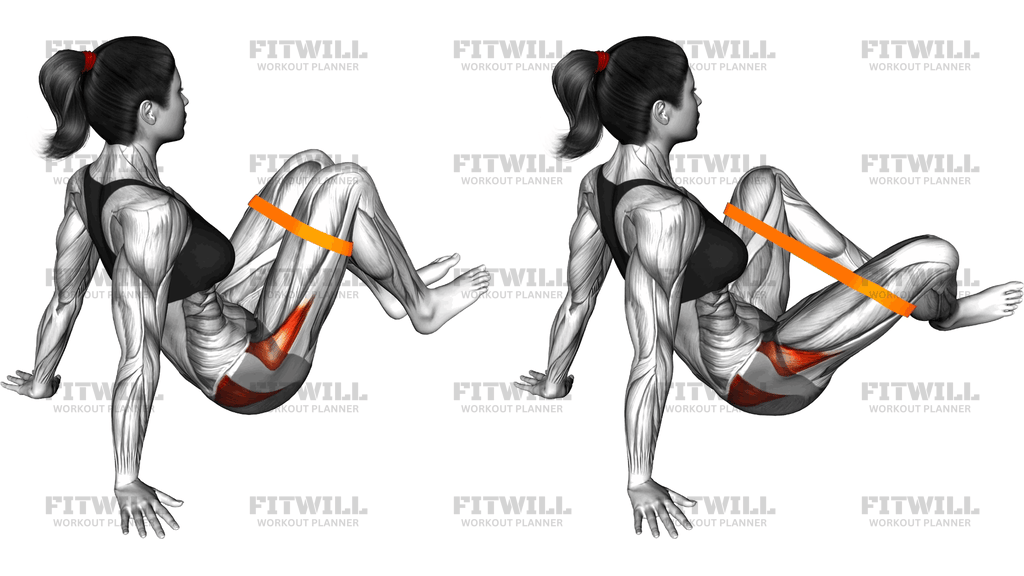
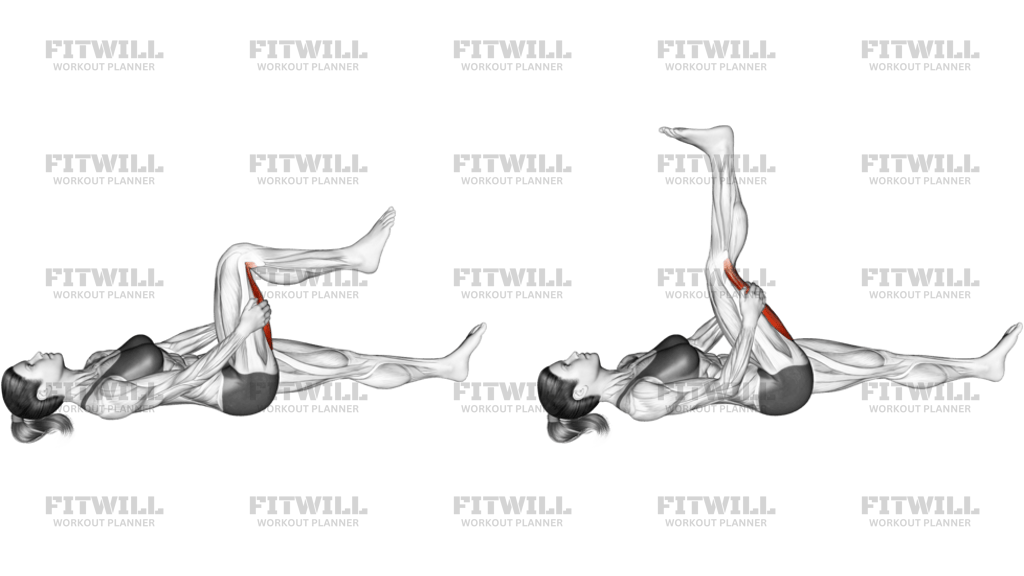
The image shows a single-leg floor stretch where the lifted leg is supported by the hands behind the thigh or lower leg. That support matters: it lets you fine-tune the stretch angle, keep the pelvis heavy on the mat, and avoid turning the rep into a tug-of-war with momentum. The long leg on the floor helps anchor the body and keeps the lower back from arching as the raised leg moves.
This stretch is most useful when the hamstrings feel tight after leg training, running, cycling, or long sitting. It can be used in a warmup if you keep the range gentle, or in a cooldown when you want a longer hold and a calmer breathing rhythm. If the muscle is very tight, start with the knee slightly bent and gradually straighten it as the hamstring softens.
The key coaching point is to stretch the hamstring, not to yank the leg higher. Pull the thigh toward you only until you feel a firm, workable stretch behind the leg, then use slow exhalations to let the tissue relax. Keep both hips square, avoid twisting the lifted leg outward, and stop if you feel sharp pain behind the knee or a pulling sensation in the low back.
Done well, this exercise improves posterior-chain mobility while teaching better control over pelvic position and knee extension. That makes it a useful accessory for people who need better squat depth, cleaner leg raises, or more comfortable hinge mechanics. The best result comes from short, repeatable holds with good alignment rather than forcing a bigger range every rep.
[ Workout Log & Planner ]
Put your next workout in Fitwill
Keep your plan and training log ready when you are.


Instructions
- Lie on your back on the mat with one leg long on the floor and the other knee bent toward your chest.
- Slide your hands behind the raised thigh or lower leg so you can support the stretch without gripping hard.
- Keep the grounded leg straight and relaxed, and press the same-side hip gently into the mat.
- Brace lightly through your abdomen so your lower back stays neutral instead of arching.
- Slowly extend the lifted knee until you feel a clear stretch behind the thigh.
- Pull the leg closer only as far as you can keep both hips square and your breathing calm.
- Hold the top position and use slow exhales to soften into the hamstring without bouncing.
- To come out, bend the knee slightly, lower the leg with control, and switch sides.
Tips & Tricks
- If your hamstring feels very tight, keep the knee softly bent first and straighten it a few degrees at a time.
- A strap or towel can replace the hand position if you cannot comfortably reach behind the leg.
- Keep the lifted foot flexed if you want a stronger stretch through the back of the thigh and calf.
- Do not let the raised leg drift across the midline; that usually turns the stretch into a hip rotation drill.
- The grounded leg should stay fully extended so the pelvis has a stable anchor on the mat.
- Exhale as you straighten the knee; that usually lets the hamstring lengthen without forcing.
- If the low back lifts, lower the leg slightly until the pelvis settles again.
- Avoid pulling from the foot alone, because that can overload the knee when the hamstring is still short.
Frequently Asked Questions
What does Hamstring Stretch target most directly?
It targets the hamstrings on the lifted leg, with some stretch also reaching the calf if you keep the foot flexed.
Can beginners use the supine version shown in the image?
Yes. Lying on your back gives you more control, and you can keep a small bend in the knee until the stretch feels manageable.
Should my lifted leg be perfectly straight the whole time?
No. A slight bend is fine at first, and many people get a better hamstring stretch by straightening the knee gradually instead of forcing it locked.
Why keep the other leg flat on the mat?
The straight leg helps anchor your pelvis and reduces the chance of your lower back arching while you pull the raised leg closer.
Is it better to hold the thigh or the calf?
Hold whichever spot lets you keep a neutral pelvis. The thigh is usually easier for tight hamstrings, while the calf can give a stronger stretch once mobility improves.
What mistake causes the stretch to feel like a back exercise?
Usually it is pulling the leg too high and letting the lower back lift off the mat. Lower the leg until the pelvis stays heavy and stable.
When is this stretch most useful?
It works well after leg day, running, cycling, or long periods of sitting when the hamstrings feel shortened.
Should I bounce at the top to get more range?
No. A steady hold with slow breathing is safer and more effective than bouncing, which can irritate the hamstring or tug on the knee.