Dumbbell Hang Clean And Jerk
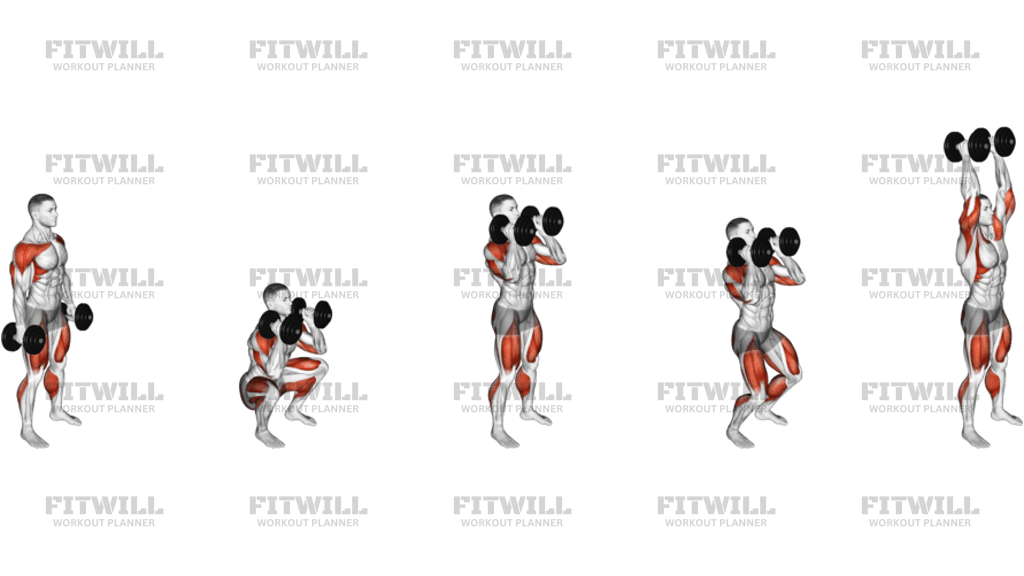
Dumbbell Hang Clean and Jerk is a powerful full-body dumbbell movement that combines an explosive clean into an overhead jerk. It develops coordinated lower-body drive, upper-back timing, shoulder stability, and the ability to transfer force from the floor through the hips and into a solid lockout. Because the rep changes speed and position quickly, the exercise rewards crisp mechanics far more than heavy loading.
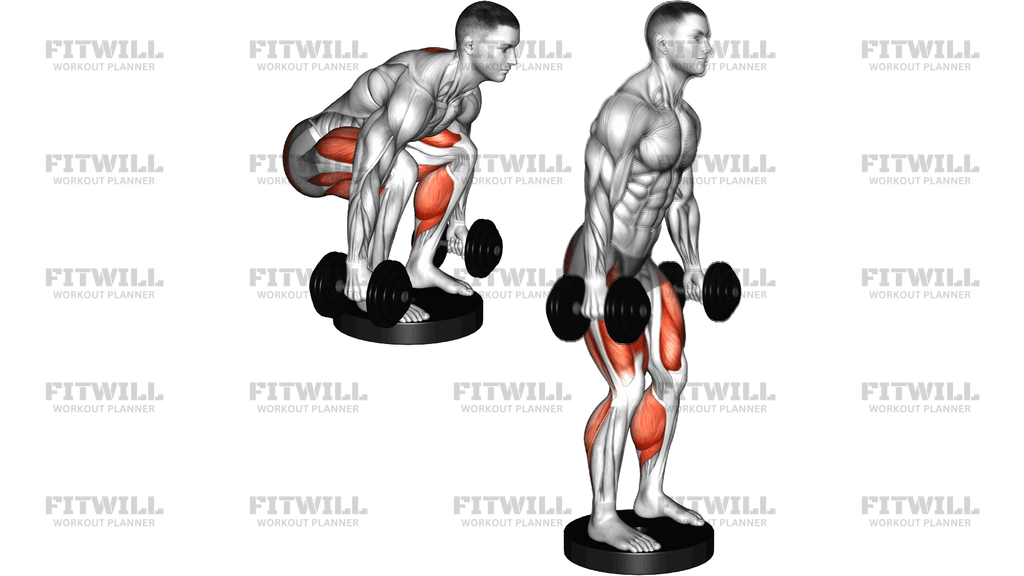
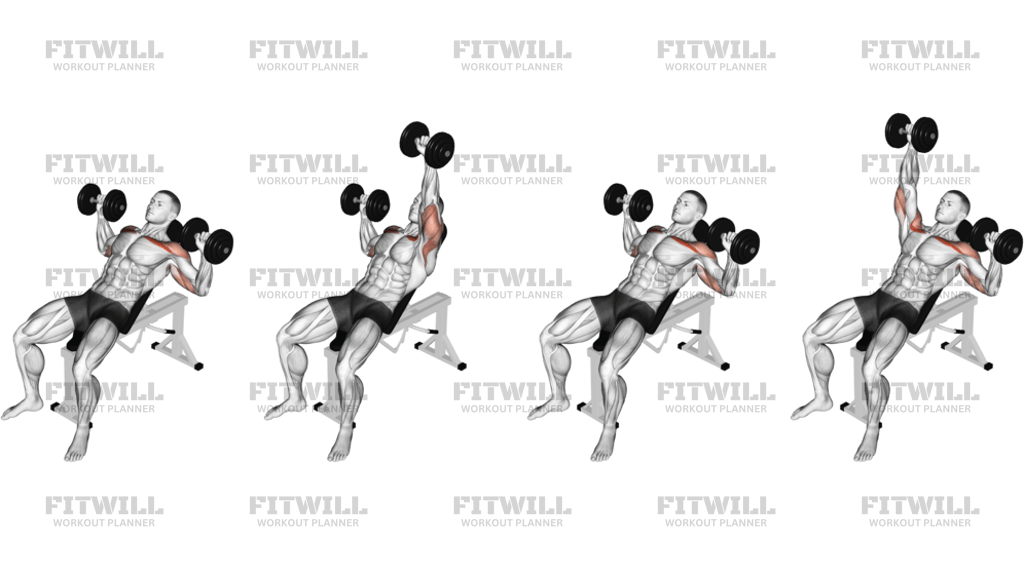
The clean portion starts from the hang, so the bells stay close to the body and the athlete can create a vertical path instead of pulling from a dead stop. In the image, the dumbbells are brought from the hang into a front-rack catch with the elbows forward and the torso braced. That catch matters: it absorbs the load, keeps the bells stacked over the shoulders, and sets up the next drive without wasting energy.
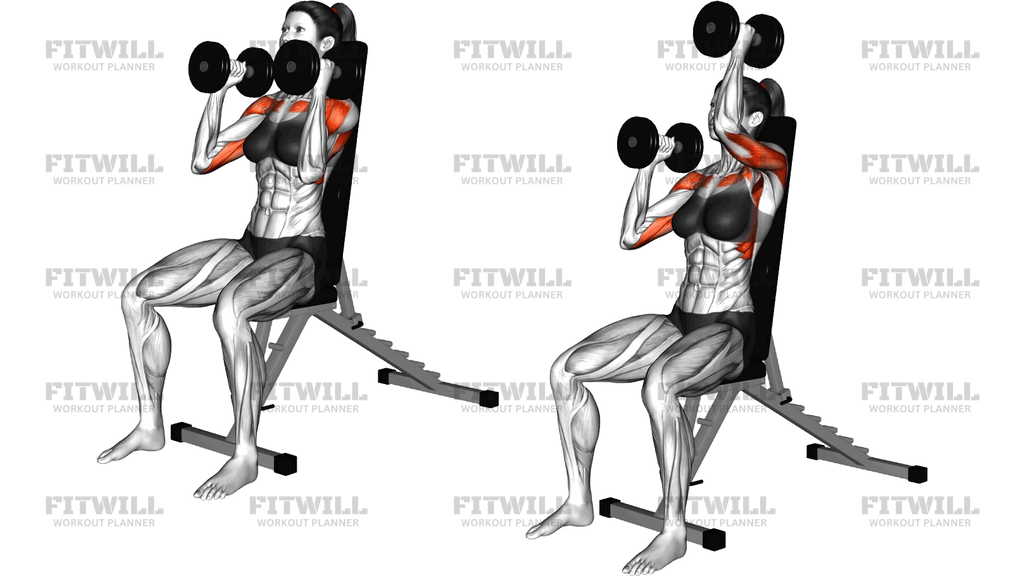
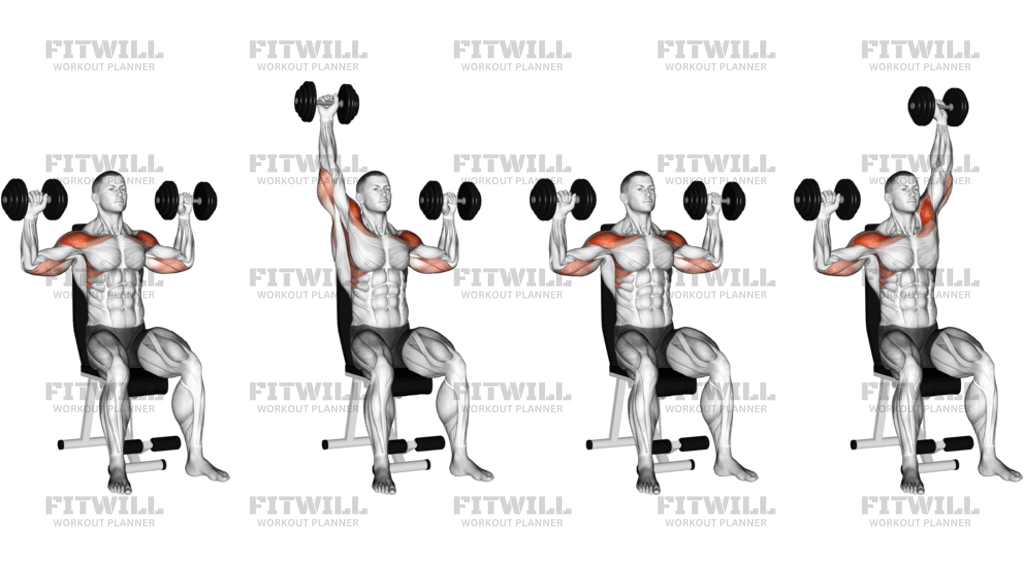
The jerk adds a second explosive phase. After the clean, the lifter stands tall, makes a short controlled dip, and then drives hard through the legs to send the dumbbells overhead. The arms finish the rep, but the legs create most of the force. A good jerk ends with straight elbows, ribs controlled, and the dumbbells balanced over the shoulders and midfoot rather than drifting forward or behind the head.
This exercise is useful when you want power, coordination, and conditioning in one movement. It fits best in athletic strength sessions, full-body training, or power blocks where technique can stay sharp and rest periods are long enough to keep each rep fast. Because the clean and jerk demand speed, mobility, and bracing, the exercise is usually more useful with moderate loads and low-to-moderate reps than with grinding fatigue sets.
Form quality is the main safety factor. The clean should stay close to the thighs and torso, the rack should land softly, and the jerk dip should be short and vertical. If the bells loop away from the body, the rack feels unstable, or the overhead finish turns into a backbend, the load is too heavy or the sequence is too rushed. Treat each repetition as a clean pull, a controlled catch, and an overhead finish, not as a sloppy swing with a press at the end.
[ Workout Log & Planner ]
Put your next workout in Fitwill
Keep your plan and training log ready when you are.


Instructions
- Stand with your feet about hip-width apart and hold a dumbbell in each hand at the front of your thighs, palms facing in.
- Hinge slightly at the hips so the dumbbells sit in the hang position just above the knees, with your shoulders over the bells and your chest long.
- Brace your trunk, keep the dumbbells close to your body, and prepare to drive straight up through the floor.
- Explosively extend your hips, knees, and ankles, then shrug as the dumbbells travel vertically along your torso.
- Pull your elbows under fast and catch the dumbbells in a front-rack position on the shoulders with a soft quarter squat or deeper catch if needed.
- Stand fully to reset the rack position, then take a short breath and brace before the jerk.
- Dip a few inches straight down with your torso upright, knees tracking over the toes, and heels planted.
- Drive hard through the legs to send the dumbbells overhead, then finish with straight elbows, stacked wrists, and the biceps close to your ears.
- Lower the dumbbells with control back to the shoulders and then to the hang for the next rep, keeping the path close and smooth.
Tips & Tricks
- Keep the dumbbells brushing close to your thighs and torso so the clean stays vertical instead of swinging forward.
- Think of the clean as a jump and shrug, not a curl; your elbows should turn under fast rather than pulling the weights up with your arms.
- Catch the dumbbells on the shoulders with relaxed wrists and elbows slightly in front of the ribs, not floating out in front of the body.
- Use a short jerk dip only a few inches deep; if you sink too far, the rep turns slow and the overhead finish gets sloppy.
- Drive from the legs first and let the arms finish the lockout instead of pressing early with the shoulders.
- Keep your ribs down at the top so the dumbbells stack over the shoulders instead of forcing a hard low-back arch.
- Choose a load that lets you move quickly through the clean and still own the overhead position for a brief pause.
- Reset your feet, breath, and grip after each rep if the sequence starts to feel rushed or uneven.
Frequently Asked Questions
What muscles does the Dumbbell Hang Clean and Jerk work?
It heavily recruits the legs, glutes, upper back, shoulders, triceps, and core because the clean and jerk both need fast force transfer and strong overhead stabilization.
Where should the dumbbells land during the clean?
They should settle on the front of the shoulders in a front-rack position, with the elbows forward and the bells close to the collarbone/upper chest area.
Is the jerk more of a press or a leg drive?
It should feel like a leg drive first. The dip and drive create most of the upward force, and the arms finish by locking the dumbbells overhead.
Do I need to squat under the clean?
A soft quarter squat or a deeper catch is fine if the load and speed require it, but the goal is still a quick, secure front-rack catch rather than a sloppy collapse.
Can beginners use this exercise?
Yes, but only with very light dumbbells and a focus on sequencing the clean and jerk separately before linking them together.
What is the most common mistake with this movement?
Letting the dumbbells swing away from the body or trying to curl them up usually ruins the clean and makes the rack unstable.
How heavy should I go?
Use a load that lets every rep stay fast and crisp; if the rack slows down or the overhead finish turns into a backbend, the dumbbells are too heavy.
Is this better for strength or conditioning?
It can do both, but the clean and jerk are usually most effective as a power-focused lift with lower reps and clean technique.