Supported Squat
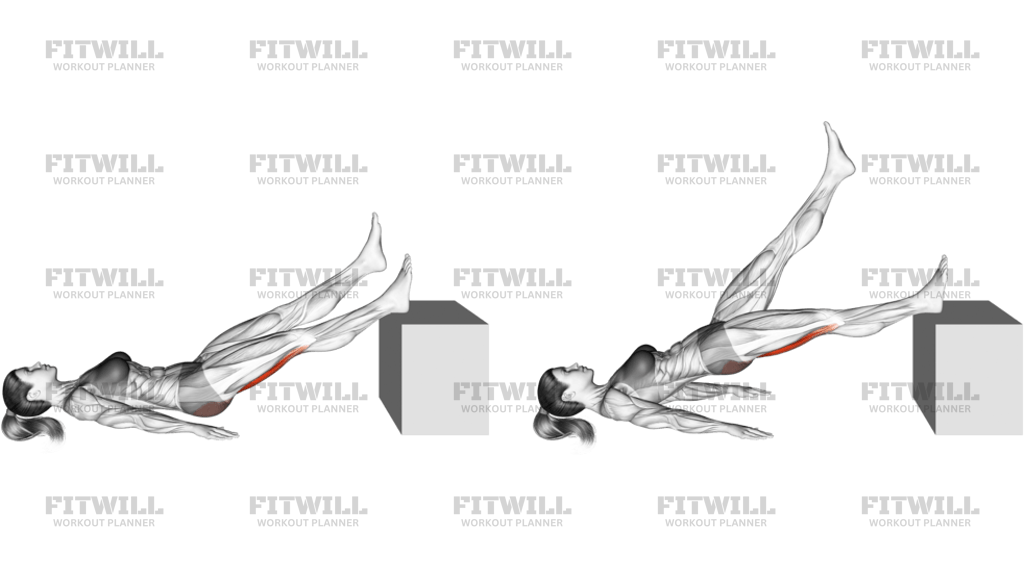
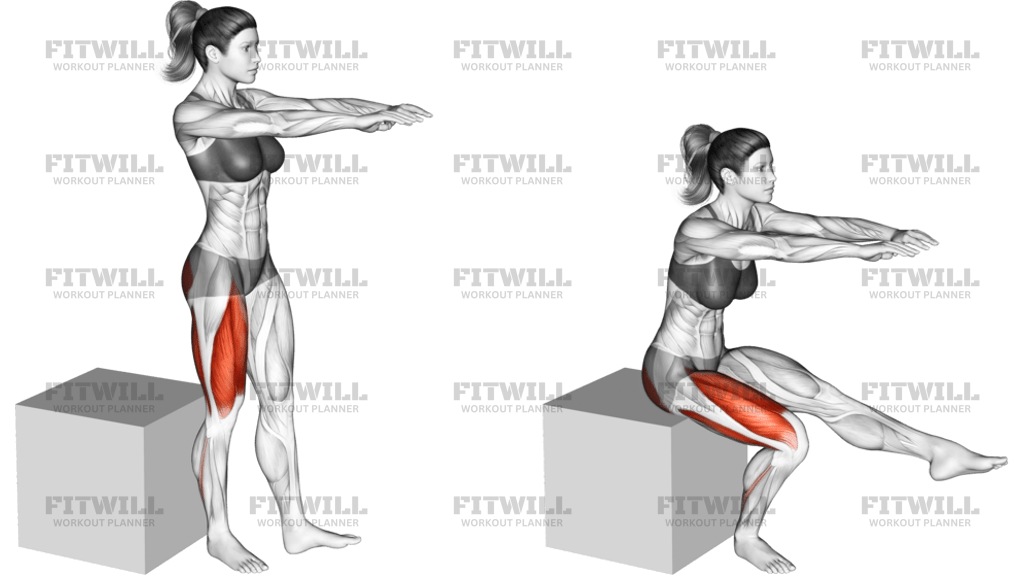
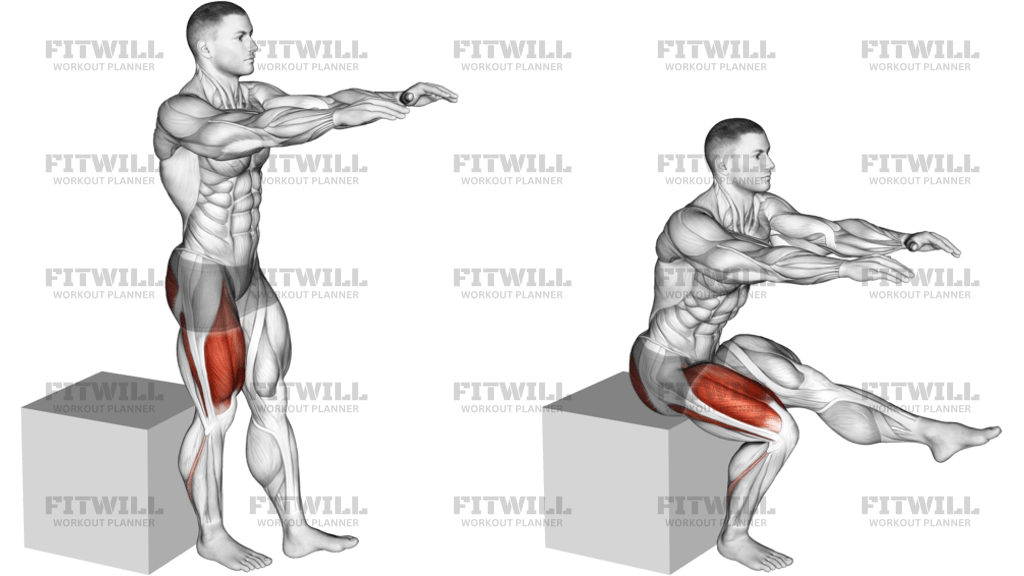
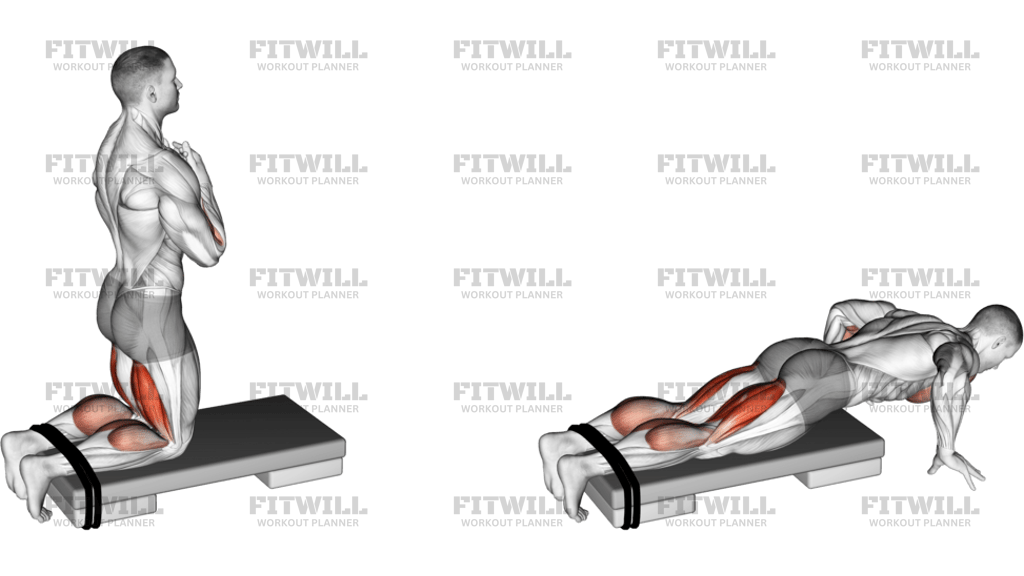
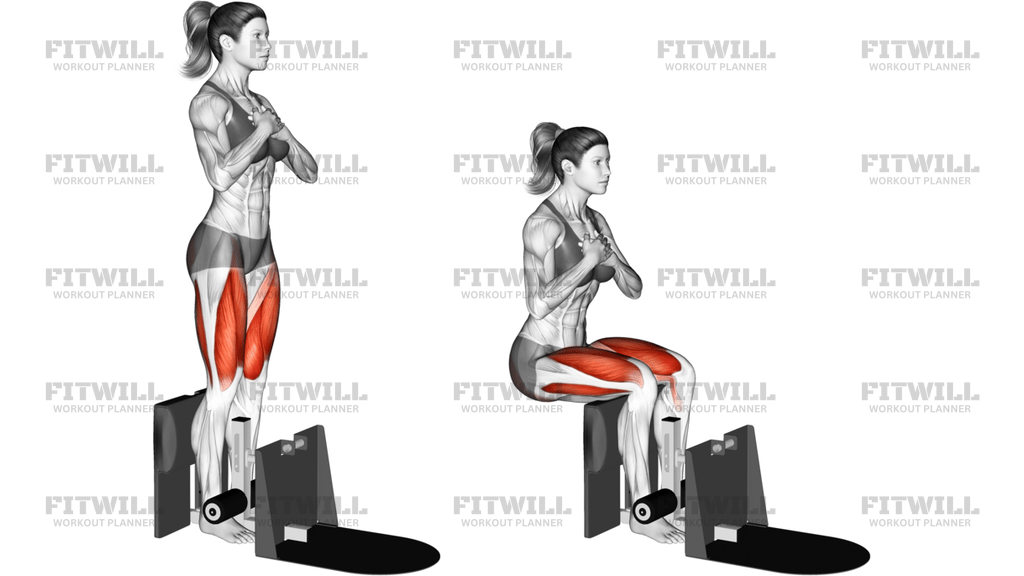
Supported Squat is a bodyweight squat pattern performed with a machine or fixed support that helps keep the torso upright and the path of the rep controlled. In the image, the lifter stands tall with the hands held at the chest, then lowers into a deep squat while staying between the supports. That setup shifts more of the work toward the thighs, especially the quadriceps, while still asking the glutes, adductors, and core to keep the body organized.
The main value of this exercise is that the support reduces balance demands, so you can focus on squat depth, knee tracking, and clean tempo instead of fighting to stay upright. That makes it useful for beginners, for high-rep leg work, or for days when you want a quad-focused squat without loading a barbell. It can also be a good teaching drill for learning how to sit straight down under control rather than hinging too far back.
The setup matters because the machine or support should let you plant the feet securely and keep the chest stacked over the hips as you descend. A good rep starts from a stable top position, with the feet set hip- to shoulder-width apart, the torso tall, and the knees ready to travel in line with the toes. If the support is too loose, the rep turns into a balance drill; if it is too restrictive, you lose useful squat depth and tension.
On each repetition, lower with control until the thighs reach at least parallel if your mobility allows it, then drive back up through the whole foot while keeping the knees from collapsing inward. The path should look smooth and repeatable, not bouncy or rushed. Use a controlled inhale on the way down, brace before the bottom, and exhale as you stand back up. If the machine or support changes your natural squat stance, let the stance match the equipment rather than forcing a stance that feels unstable.
Supported Squat fits well in accessory leg training, warm-ups, quad-building sessions, and rehab-friendly lower-body work where you need less balance demand than a free squat. The goal is clean tension through the thighs with a stable torso and consistent depth. Choose a range of motion and resistance that you can repeat rep after rep without losing heel contact, knee alignment, or posture.
[ Workout Log & Planner ]
Put your next workout in Fitwill
Keep your plan and training log ready when you are.


Instructions
- Stand on the platform or foot support with your feet about hip- to shoulder-width apart, toes slightly turned out, and your hands held at your chest or lightly on the handles if the machine has them.
- Set your weight evenly through the whole foot and keep your chest tall so your torso stays stacked over your hips before you start the first rep.
- Brace your midsection, keep your neck neutral, and unlock the knees just enough to start the descent without shifting onto your toes.
- Lower straight down between the supports by bending the knees and hips together, letting the knees track in line with the second and third toes.
- Keep the heels rooted and the torso upright as you descend until your thighs reach parallel or the deepest pain-free depth you can control.
- Pause briefly at the bottom without bouncing, then drive the floor away through the midfoot and heels to stand back up.
- Finish each rep with the knees and hips fully extended, but do not lean back or lose tension at the top.
- Inhale on the way down, exhale as you rise, and reset your foot pressure before starting the next repetition.
Tips & Tricks
- Keep the pressure centered on the midfoot; if the toes start doing all the work, the rep usually turns into a forward tip.
- Let the knees travel forward as needed, but keep them tracking over the toes instead of letting them cave inward.
- Use the support to stay balanced, not to pull yourself through the rep with the hands or upper body.
- A slower lowering phase makes this movement much harder on the quads and keeps the bottom position honest.
- Stop the descent the moment your heels start to lift or your pelvis tucks under hard at the bottom.
- Choose a stance that matches the machine geometry; forcing an exaggeratedly narrow stance usually makes depth and knee tracking worse.
- If your knees feel irritated, shorten the range slightly and keep the rep smooth instead of forcing a deep bounce.
- This exercise works well with moderate to higher reps because the support lets you keep the same torso position for longer sets.
Frequently Asked Questions
What muscles does Supported Squat train?
It is mainly a quad-focused squat, with the glutes, adductors, and core helping keep the body steady through the rep.
Is the support supposed to carry my bodyweight?
No. The support is there to stabilize the body and guide the position, but your legs should still control the descent and stand back up.
How deep should I go on the supported squat machine?
Go as low as you can while keeping the heels down, the knees tracking over the toes, and the pelvis from tucking sharply under.
Should my knees move forward past my toes?
In this squat pattern, some forward knee travel is normal and often helpful, as long as the knees stay in line with the toes and the feet stay planted.
Do I need to hold the handles?
Only lightly if the machine provides them. Use the hands for balance, not for pulling yourself up or reducing the leg work.
Can beginners use Supported Squat?
Yes. The fixed support makes it easier to learn upright squatting, depth control, and knee tracking without worrying as much about balance.
Why do my heels want to lift?
That usually means the stance is too narrow, the depth is too aggressive, or you are shifting too far onto the toes. Reset the foot pressure and shorten the range if needed.
How can I make this exercise harder without changing the machine?
Use a slower lowering phase, add a brief pause at the bottom, or increase reps while keeping the same clean path and torso position.