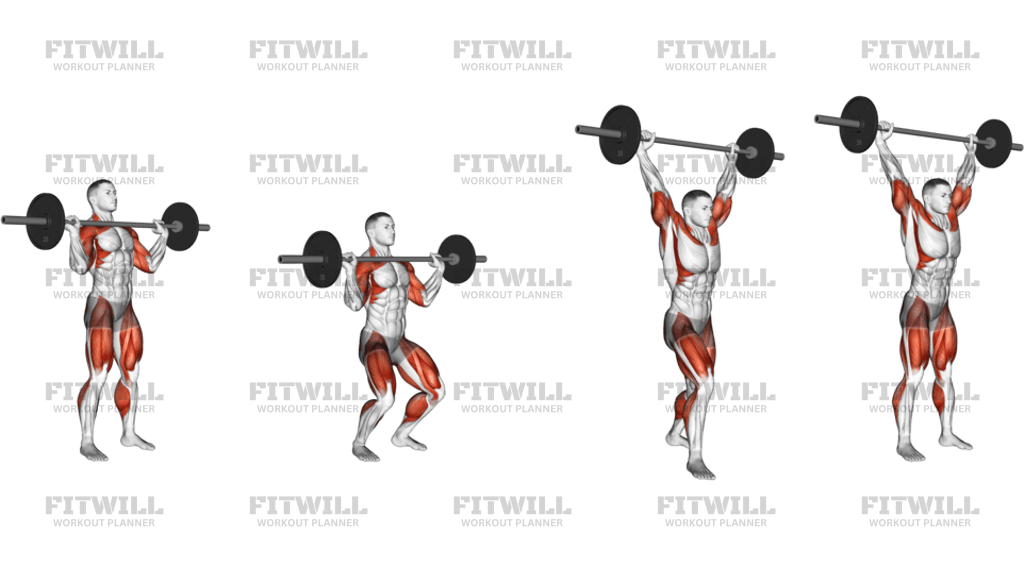
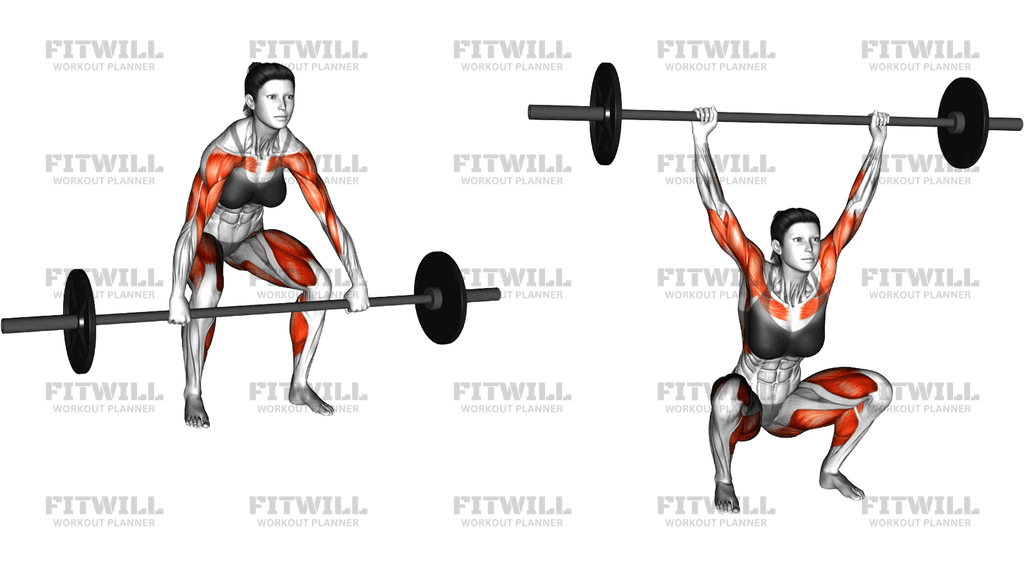
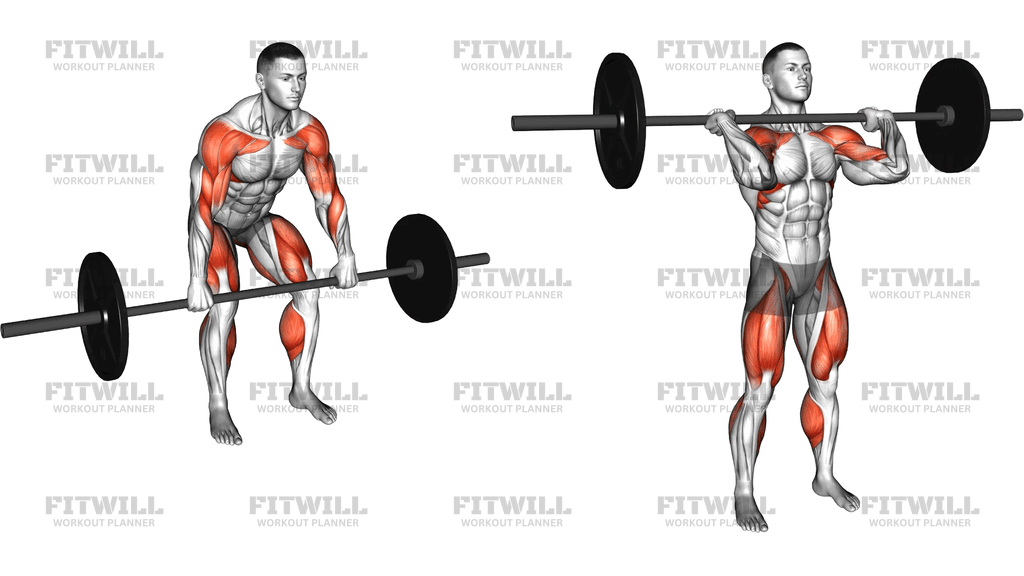
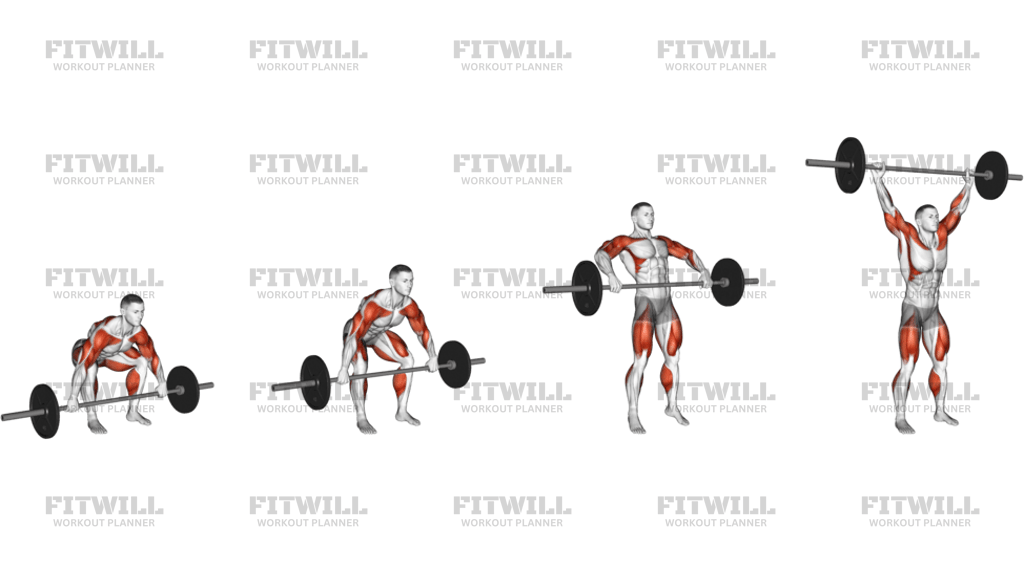
Barbell Clean And Jerk
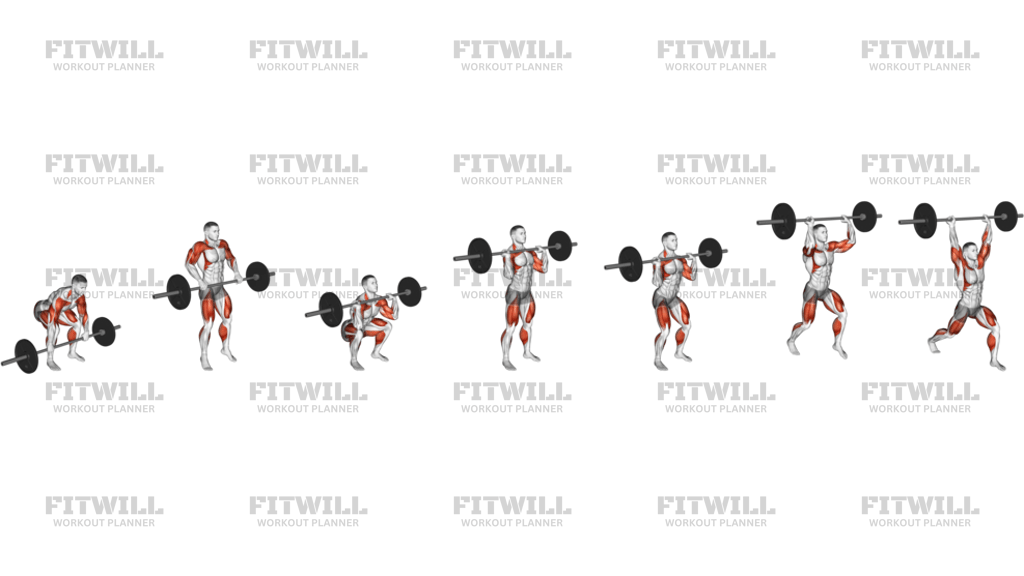
Barbell Clean and Jerk is a classic Olympic-style lift that combines a powerful pull from the floor with an explosive overhead drive from the front rack. The clean brings the bar from the ground to the shoulders, and the jerk sends it overhead in one continuous sequence of timing, force, and control. It trains leg drive, hip extension, upper-back stiffness, trunk bracing, overhead stability, and the ability to move a barbell quickly while still receiving it in strong positions.
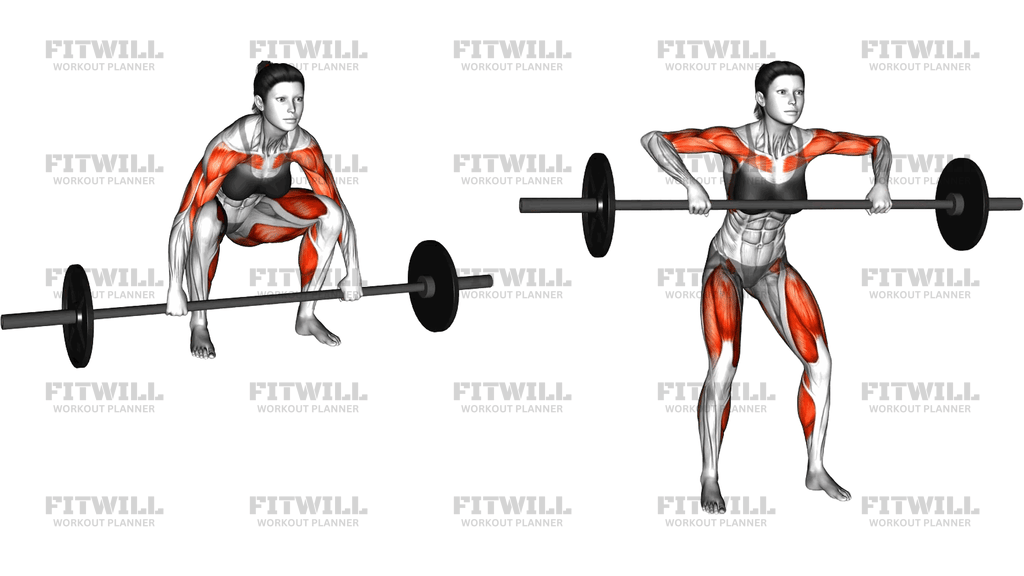
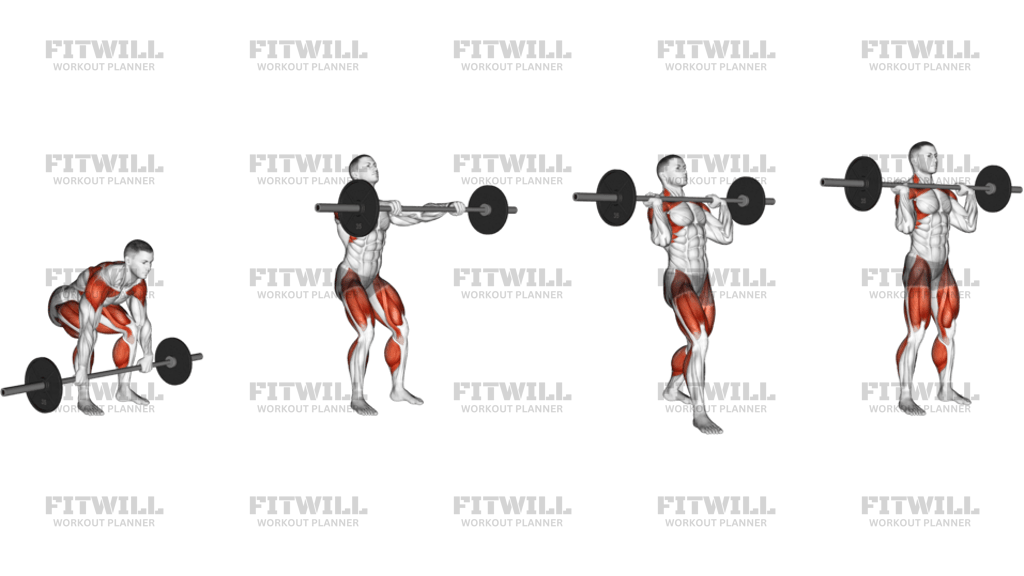
The clean portion demands a tight start. The bar should begin over the midfoot, the shins should be close, the back flat, and the shoulders slightly in front of the bar so the first pull can stay balanced. Once the bar passes the knees, the lift becomes about speed and proximity: keep it close to the body, extend hard through the hips and knees, then pull under fast so the elbows can whip around and the bar lands on the front delts instead of crashing into the hands. A good clean feels crisp and athletic, not like a curl.
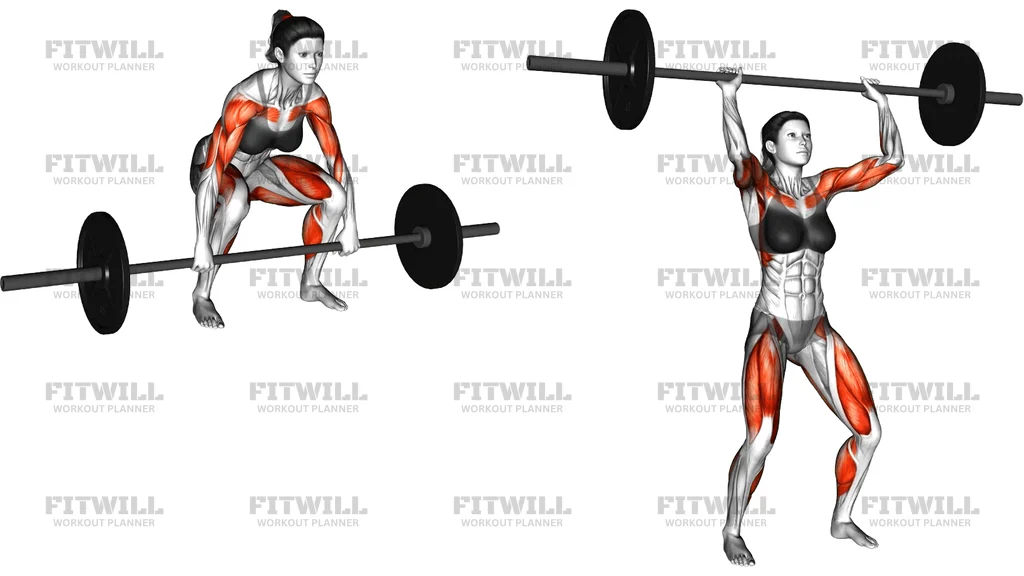
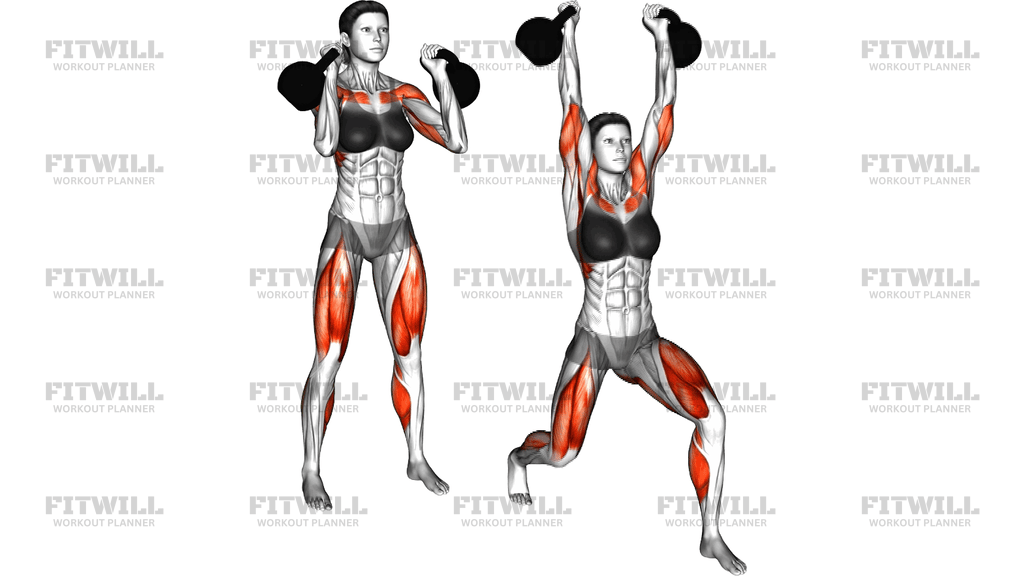
The jerk starts from a stable front rack. The elbows should stay lifted, the rib cage should stay stacked, and the dip should go straight down without drifting forward. From there, drive violently through the floor and finish tall before splitting or power-driving under the bar. In the split catch, the front foot lands forward, the back foot steps back, and the bar finishes stacked over the back of the head with locked elbows and active shoulders. The bar should feel quiet overhead before you recover the feet and stand fully upright.
This lift is best used when the goal is power, coordination, or full-body strength rather than slow fatigue. It rewards conservative loading, deliberate practice, and clean rep quality. If the bar drifts away from the body, the front rack collapses, or the jerk turns into a forward press, the load is too heavy or the setup is off. Beginners can learn it with light weight and simpler drills, but the exercise is technical enough that small mistakes in footwork, timing, or rack position quickly show up in the lift.
[ Workout Log & Planner ]
Put your next workout in Fitwill
Keep your plan and training log ready when you are.


Instructions
- Stand with the bar over your midfoot, feet about hip-width apart, then hinge down so your shins touch the bar and your shoulders sit slightly in front of it.
- Grip the bar just outside your legs, flatten your back, tighten your lats, and set your chest so your weight stays balanced through the whole foot.
- Take a breath, brace hard, and break the bar from the floor by pushing the ground away while keeping the bar close to your shins and thighs.
- As the bar passes the knees, keep it sweeping in toward your body and extend violently through the hips, knees, and ankles without bending the arms early.
- Finish the pull with a strong shrug, then pull yourself under the bar and turn the elbows through fast so you catch it on the front of your shoulders.
- Receive the clean in a quarter squat or front squat with the bar racked across the front delts, elbows high, and ribs stacked over the pelvis.
- Stand tall to stabilize the front rack, then reset your feet to a comfortable jerk stance with your chest up and gaze forward.
- Dip straight down a few inches with a vertical torso, then drive the bar overhead by explosively extending the legs and transferring that force into the bar.
- Catch the jerk in a split or strong power position with locked elbows, the bar stacked over the midfoot, and the feet fixed until the bar feels stable.
- Recover the feet under control, stand fully upright, lower the bar carefully, and reset before the next repetition.
Tips & Tricks
- Keep the bar close enough to skim the thighs and shirt rather than looping forward away from the body.
- Leave the arms long until the turnover; if you start curling the bar, the clean usually gets slow and sloppy.
- Use the hook grip on the clean if your hands start opening during the pull.
- Let the bar land on the front delts, not in the hands, so the front rack can support the clean.
- In the jerk dip, move straight down and stay tall; a forward dip usually sends the bar away from the center line.
- For a split jerk, place the front foot flat and the back heel high so you can keep the bar stacked over the middle of the stance.
- Breathe and re-brace before the jerk so the trunk does not leak force during the dip and drive.
- Use bumper plates and enough space around you so you can bail a missed lift safely.
- Choose a weight that still lets you fix the catch positions instead of muscling the bar through the miss.
Frequently Asked Questions
What muscles does Barbell Clean and Jerk work?
It hits the legs, glutes, upper back, shoulders, triceps, and core, with the clean and jerk each stressing those tissues a little differently.
Is the clean and jerk a power exercise or a strength exercise?
It is both, but the main training quality is power: you have to produce force quickly and receive the bar in strong positions.
Why does the bar need to stay close during the clean?
A close bar path makes the pull more efficient and gives you time to turn over under the bar instead of chasing it forward.
How do I know if my jerk dip is correct?
The dip should be short, vertical, and balanced through the whole foot; if your chest folds or your knees shoot forward, the drive gets weaker.
Do I have to split my feet on the jerk?
No. A split jerk is common and matches the image, but power jerks and push jerks are valid if your setup, mobility, or coaching style calls for them.
Can beginners learn this lift?
Yes, but it should start very light with drills for the front rack, clean pull, and jerk footwork before chasing load.
What is the safest way to finish a missed rep?
Let the bar go in a clear direction and reset the lift; do not try to save a bad clean or press the jerk out of position.
How heavy should I load the bar?
Use a weight you can catch cleanly in the front rack and lock overhead without chasing the bar or losing foot position.