Roll Posterior Shoulder Lying On Floor
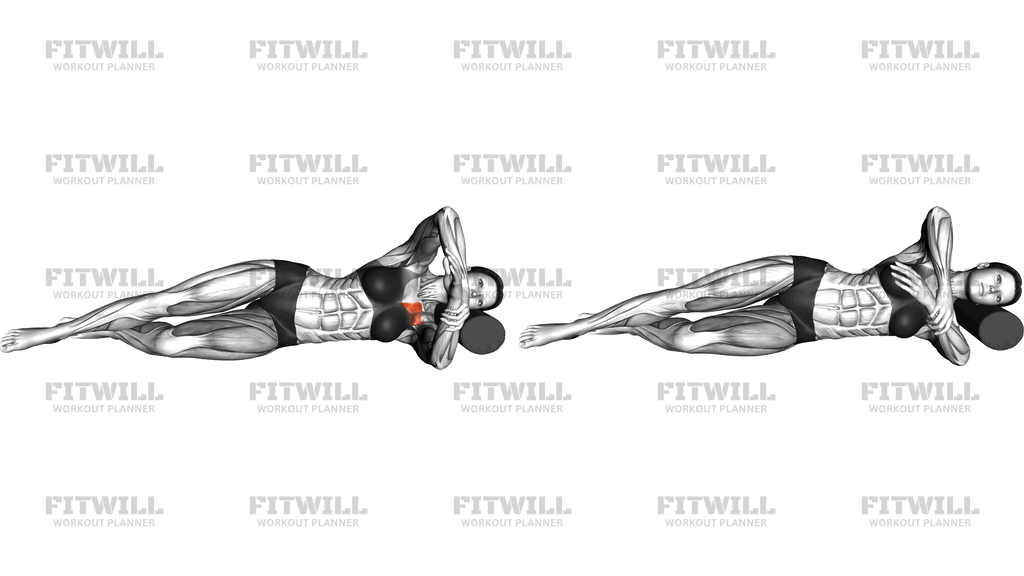
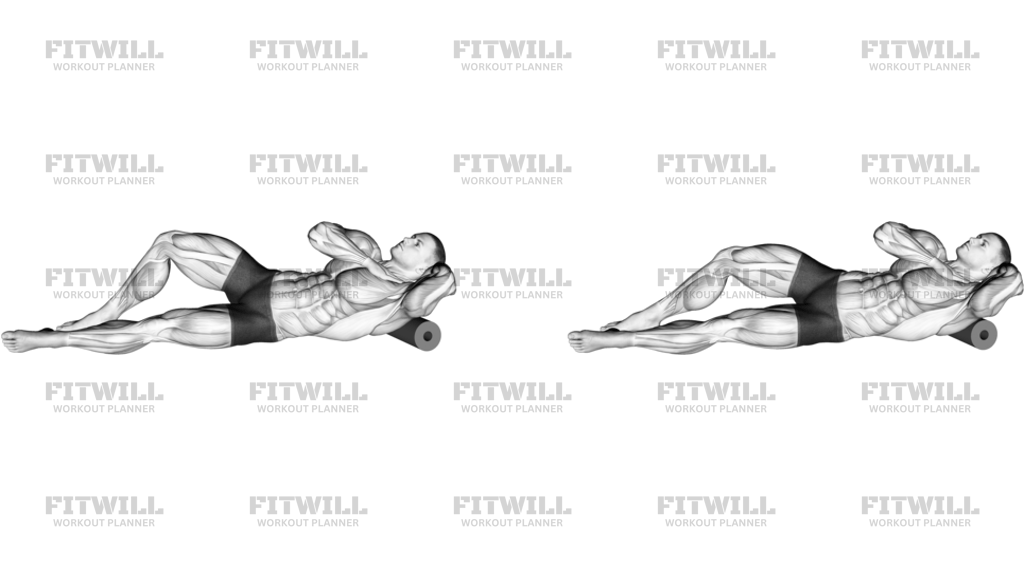
Roll Posterior Shoulder Lying On Floor is a floor-based self-myofascial release drill for the back of the shoulder. The roll gives you a small, focused contact point so you can work the posterior deltoid, the tissues around the rotator cuff, and the upper-back area that often gets stiff after pressing, pulling, or long hours at a desk. It is a recovery-style exercise, but the quality of each rep still matters because the amount of pressure and the angle of the shoulder determine whether you hit the target area or just press into the wrong spot.
The floor makes the movement easy to control because your bodyweight becomes the load. Lie down with the knees bent, feet planted, and the roll placed under the back of one shoulder, then let the head stay relaxed instead of craning forward. A small change in arm position changes where the pressure lands, so keep the shoulder easy to reach and the ribs quiet rather than twisting to chase a bigger sensation. The goal is a clear but tolerable release, not a hard grind.
Once you are set, use the legs and feet to make tiny shifts that move the roll across the back of the shoulder and the outer edge of the upper back. Stop on a tender point, breathe out slowly, and give the tissue a few calm breaths to soften before you move again. The useful range here is usually small; if the roll drifts too high into the neck or too far onto a bony point, reset the position and reduce the pressure.
Roll Posterior Shoulder Lying On Floor works well before upper-body training when the shoulder feels locked up, after training when the area feels irritated or crowded, or on recovery days when you want to improve comfort without adding fatigue. It is especially useful for people who press a lot, row a lot, or spend much of the day with the shoulders rounded forward. Done well, it can make overhead positions and pressing positions feel easier to organize.
Treat this as a controlled release, not a strength effort. A softer setup and a slower pace usually work better than forcing more pressure, and pain, tingling, or numbness are signs to back off. The best result is not a dramatic stretch; it is a shoulder that feels easier to position and less guarded when you leave the floor.
[ Workout Log & Planner ]
Put your next workout in Fitwill
Keep your plan and training log ready when you are.


Instructions
- Lie on your back on a mat or floor with your knees bent and feet flat, then place the roll under the back of one shoulder, just behind the shoulder joint and below the neck.
- Let the head rest on the floor, keep the ribs down, and relax the arm on the rolling side so the back of the shoulder is easy to reach.
- Shift your bodyweight until the roll feels centered on the posterior shoulder rather than on the spine, the neck, or the point of the shoulder.
- Use your feet to make small forward and backward shifts so the roll travels a few inches across the back of the shoulder and outer upper back.
- Pause on a tender spot for two to three slow breaths, letting the pressure settle instead of forcing a bigger roll.
- Keep the movement smooth and deliberate, with no bouncing or hard twisting through the torso.
- If the pressure feels too intense, take weight off the roll by pushing a little more through the opposite foot and shoulder.
- Switch to the other side after about 30 to 60 seconds or when the area starts to feel broad and less specific.
- Sit up slowly at the end and check whether the shoulder feels easier to open, then reset before moving into the next drill.
Tips & Tricks
- Keep the roll on the fleshy back of the shoulder; if it lands on the shoulder tip or the neck, move it a little lower and softer.
- Small foot shifts work better than big body twists, because the pressure stays targeted instead of smearing across the upper back.
- A long exhale at the tender spot usually helps more than pressing harder into it.
- If you want more rear-delt contact, let the working arm relax across the torso; if you want a broader upper-back feel, open the arm a little wider.
- Avoid rolling directly over the spine or shoulder blade edge, since those bony points make the drill feel sharp instead of useful.
- Use a softer roll or place less weight on it if the pressure feels pinchy in the front of the shoulder.
- Short pauses usually beat repeated fast passes, especially when the tissue feels sticky or guarded.
- This is best used before pressing or after upper-body work, not as a fatigue drill between heavy sets.
- Stop if the sensation turns into tingling, numbness, or a sharp jab that does not ease when you reduce pressure.
Frequently Asked Questions
What does Roll Posterior Shoulder Lying On Floor target most?
It mainly targets the posterior deltoid and the tissues around the back of the shoulder, with some upper-back involvement.
Is Roll Posterior Shoulder Lying On Floor a mobility drill or a strength exercise?
It is a mobility and recovery drill. The goal is to reduce tension and improve shoulder comfort, not to create fatigue.
Where should the roll sit during Roll Posterior Shoulder Lying On Floor?
Place it on the back of the shoulder just behind the joint, not on the neck, spine, or sharp edge of the shoulder blade.
Why do I feel this more when I move my feet than when I twist my torso?
Small leg-driven shifts keep the pressure focused on the posterior shoulder. Big torso twists usually spread the pressure too broadly and make the release less precise.
Can beginners do Roll Posterior Shoulder Lying On Floor?
Yes. Start with light pressure, short pauses, and a softer roll if needed so the area can relax without feeling bruised.
Should I keep my arm across my chest or out to the side?
Either can work. An arm across the torso often makes the back of the shoulder easier to reach, while a slightly open arm position can spread the pressure a little higher into the upper back.
How long should I stay on each side?
About 30 to 60 seconds per side is usually enough, especially if you pause on a few specific tender spots rather than rolling continuously.
Is this useful before bench press or overhead work?
Yes, if the shoulder feels tight or hard to position. Keep the pressure gentle so you leave the floor feeling more open, not irritated.