Roll Rectus Femoris
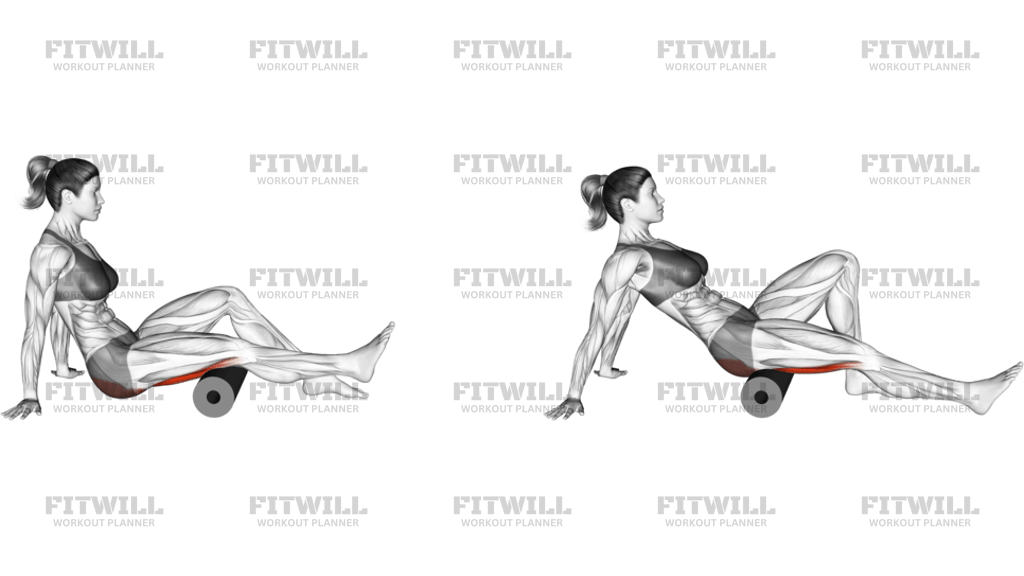
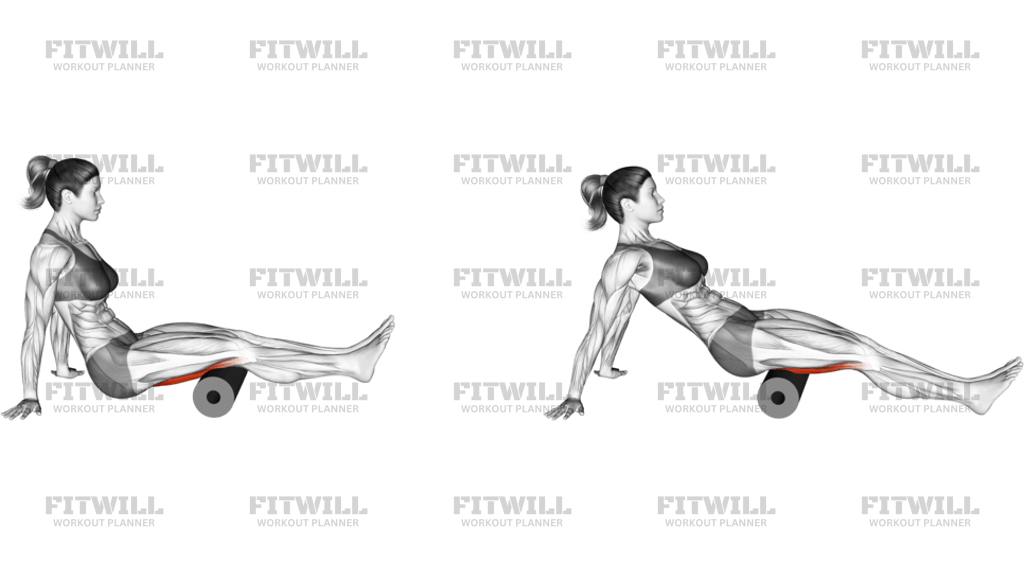
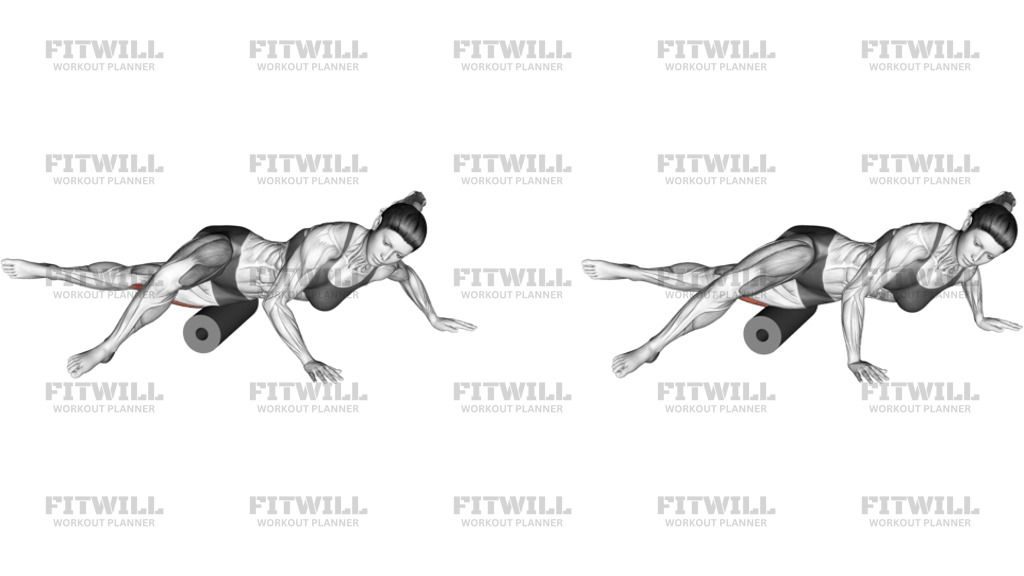
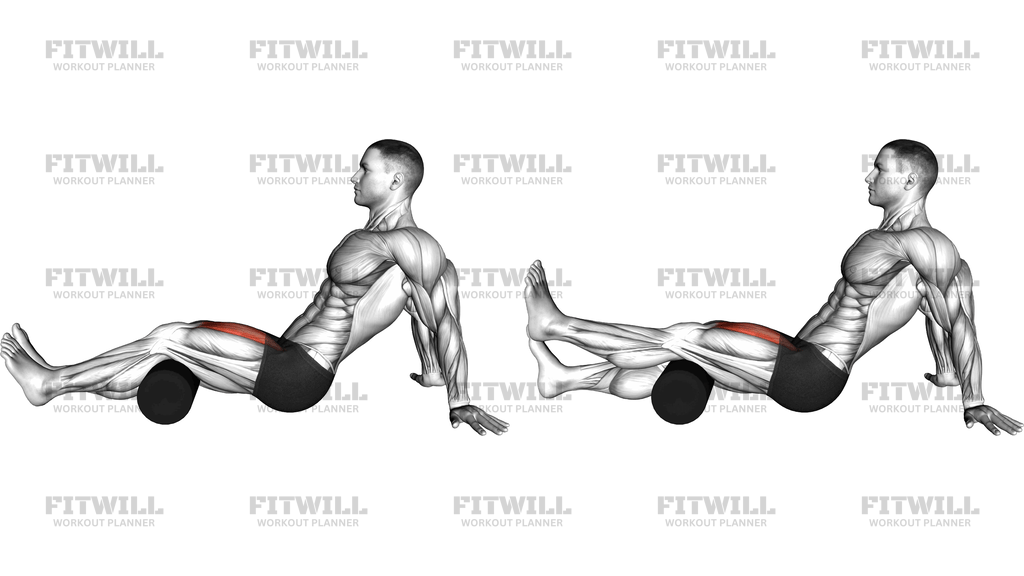
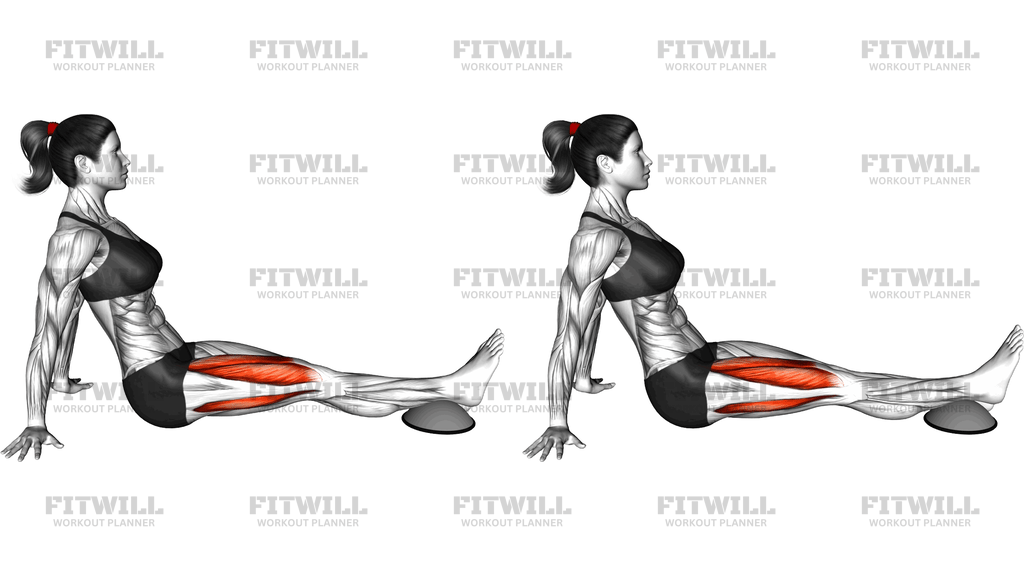
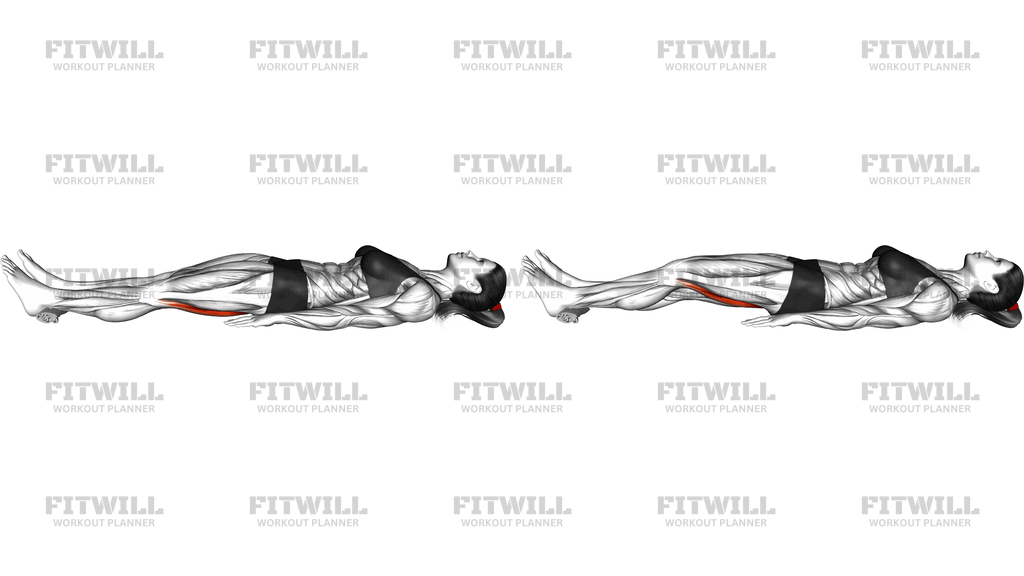
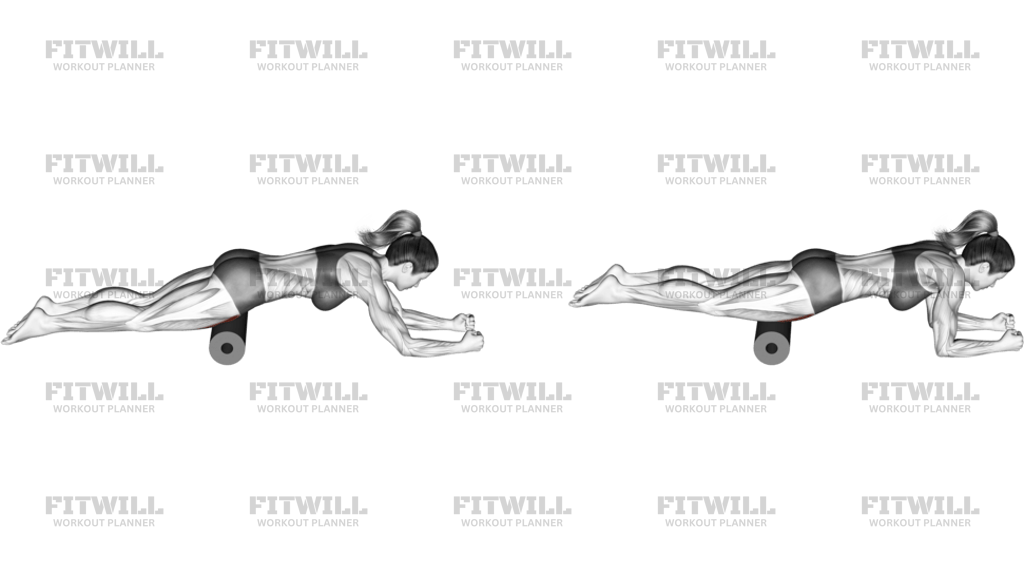
Roll Rectus Femoris is a self-myofascial release exercise for the front of the thigh. The foam roll is placed under the rectus femoris, the straight quad muscle that runs from the hip to the kneecap, so the movement can reduce stiffness and improve how the thigh feels before squats, lunges, running, or other lower-body work. The image shows a prone forearm support position with the roller under the upper front thigh, which keeps bodyweight directed into the target tissue instead of into the low back or knee.
This exercise is not about speed or chasing a dramatic range of motion. The useful work comes from slow pressure, small shifts, and brief pauses on the tender spots in the muscle belly. Because the rectus femoris crosses both the hip and the knee, the best results usually come from staying relaxed through the trunk, keeping the pelvis level, and using enough pressure to make the tissue change without forcing a sharp pain response. That makes the roll more precise and more comfortable than a generic quad roll.
A good setup matters because the forearm plank position changes how much pressure lands on the front thigh. With the elbows under the shoulders and the other leg long behind you, you can shift your body a few inches at a time to work from the top of the thigh toward just above the knee. The roller should stay on the muscle, not on the kneecap or the hard bone near the hip. If you want more pressure, lean in slightly; if the area feels too aggressive, support more bodyweight with the arms and opposite leg.
Use Roll Rectus Femoris as part of a warm-up, recovery session, or mobility block when the front of the thigh feels tight or overworked. It is especially useful after cycling, sprinting, hill running, or heavy knee-dominant leg training. The goal is to calm down guarded tissue, not to grind through pain. If the pressure causes numbness, pinching in the hip, or knee irritation, adjust the position or stop and switch to a softer contact point.
[ Workout Log & Planner ]
Put your next workout in Fitwill
Keep your plan and training log ready when you are.


Instructions
- Place the foam roller under the upper front thigh, just below the hip crease, and come down to a forearm support with the shoulders stacked over the elbows.
- Keep the other leg extended behind you for balance and square the hips so most of your weight settles into the rectus femoris instead of rolling off to one side.
- Relax the thigh you are working on enough to let the roller sink into the muscle, but keep the trunk lightly braced so your low back does not sag.
- Slowly shift your body a few inches forward and back to move the roller from the upper thigh toward the area just above the knee.
- Pause on any tight or tender spot for a few breaths and let the pressure soften before you continue.
- Move the roller only through the soft tissue of the front thigh and avoid resting directly on the kneecap or hip bone.
- Breathe steadily through each pass instead of holding tension in your shoulders or jaw.
- Finish by easing off the pressure, setting the knee down if needed, and switching sides before repeating.
Tips & Tricks
- Keep the roller on the fleshy front thigh, not on the kneecap, tendon, or hard bone near the hip.
- Short strokes are usually better than long sweeps; the rectus femoris often responds best to a few inches of slow travel.
- If the pressure feels too sharp, support more bodyweight on your forearms and the opposite leg instead of forcing through it.
- When you find a tight point, hold still for 2-5 breaths and let the muscle relax before you move on.
- Keep the hips square; letting the pelvis open usually shifts pressure away from the target muscle.
- Do not arch your low back to chase more pressure, because that turns the drill into a lumbar compensation pattern.
- A slower pace is more useful than a hard roll, especially if the thigh is already irritated from running or leg day.
- If the front of the hip pinches, slide the roller slightly lower on the thigh and reduce how much you lean into it.
Frequently Asked Questions
What does Roll Rectus Femoris target?
It targets the rectus femoris, the straight quadriceps muscle that runs from the front of the hip to the kneecap.
Where should the foam roller sit during this exercise?
It should sit under the upper front thigh and travel along the muscle belly, not on the kneecap or the bony front of the hip.
Why am I on my forearms instead of lying flat?
The forearm support lets you control how much bodyweight you put into the front thigh and makes it easier to shift pressure without losing balance.
How hard should the pressure feel?
Firm enough to feel the tissue change, but not so hard that you hold your breath or create sharp pain, numbness, or pinching.
What are the most common mistakes with this roll?
Rolling too fast, arching the low back, letting the hips twist open, or pressing directly on the knee are the biggest mistakes.
When is this exercise most useful?
It is useful before lower-body training or after cycling, sprinting, hill running, or any session that leaves the front of the thighs tight.
Is this a strength exercise?
No. It is a mobility and soft-tissue drill meant to improve how the front of the thigh feels and moves.
How do I progress it safely?
Use slower passes, longer pauses on tight spots, and slightly more bodyweight only if the pressure stays comfortable and controlled.