Kettlebell Wrist Curl
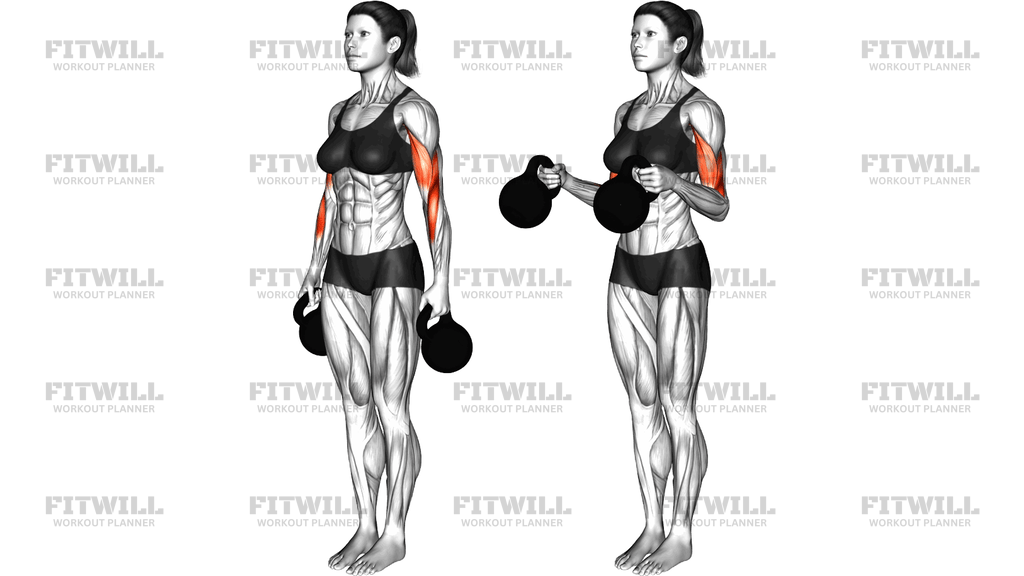
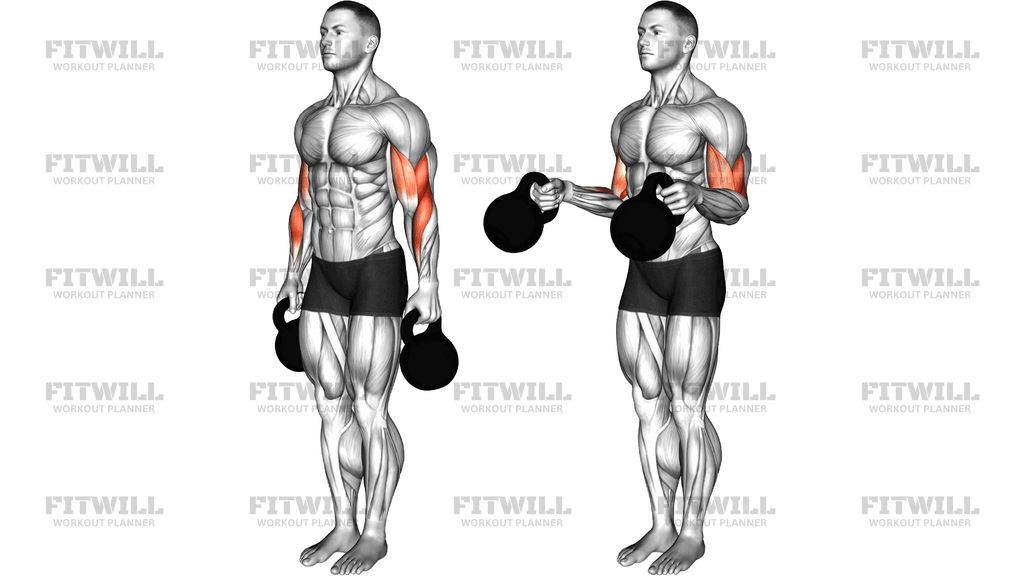
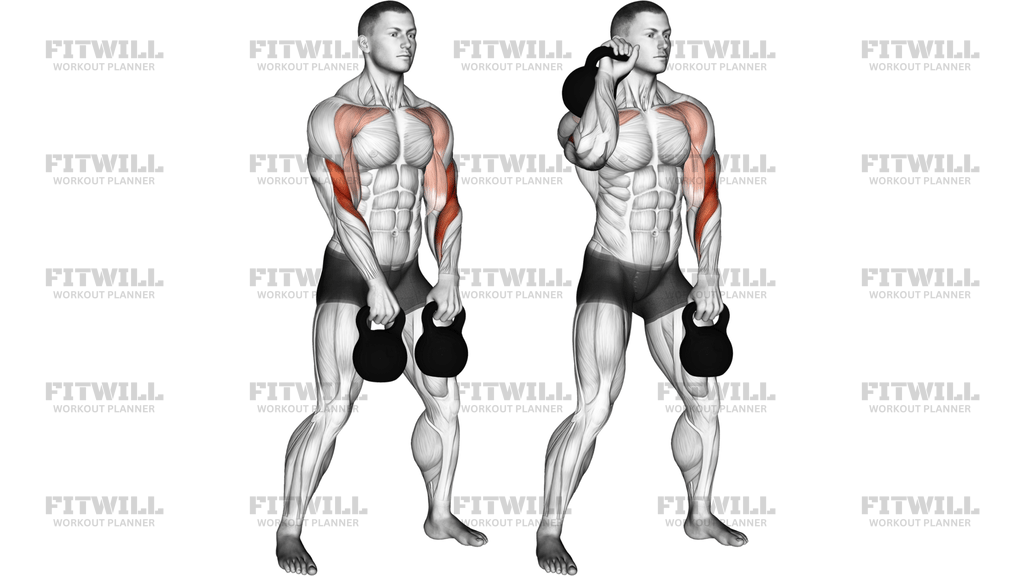
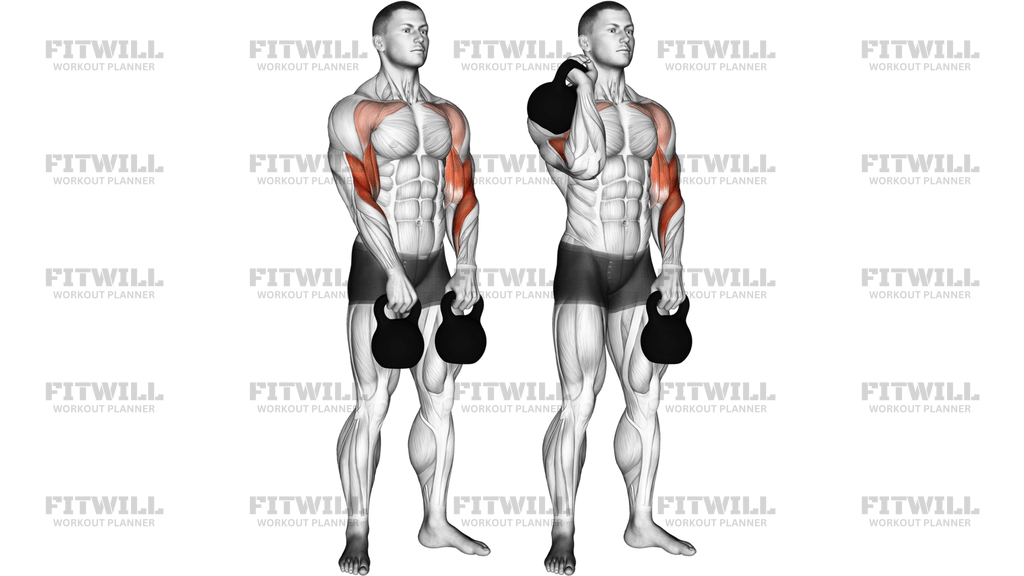
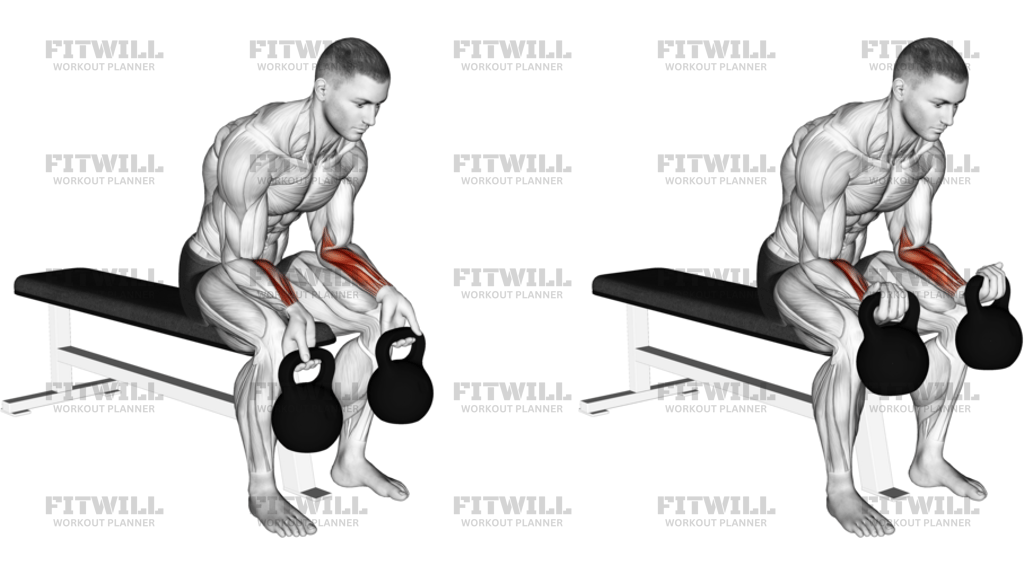
Kettlebell Wrist Curl is a seated forearm isolation exercise that uses a kettlebell to challenge the wrist flexors through a small but very controlled range of motion. In the image, the lifter sits on a bench with the forearms braced on the thighs, wrists hanging just past the knees, and the kettlebells moving only through the hands and wrists. That setup matters because it locks the upper arm and forearm in place so the work stays on the forearm flexors instead of turning into a shoulder or whole-body movement.
This exercise is most useful when you want to build forearm strength, grip endurance, and wrist control for lifting, climbing, racquet sports, or any program that needs stronger hands and wrists. The kettlebell changes the feel compared with a dumbbell because the handle and the hanging bell load the wrist differently, so the exercise rewards strict positioning and a steady tempo. The movement should look small and deliberate: the forearm stays planted, the wrist flexes to lift the bell, and the kettlebell lowers back under control.
Set the bench height so your elbows and forearms can rest comfortably on your thighs without your shoulders hunching forward. Keep your palms facing up, let the kettlebells sit low in the fingers, and start with the wrists extended over the knees. From there, curl the knuckles upward by flexing at the wrist only. If the elbows drift, the torso rocks, or the bells swing, the load is too heavy or the setup needs adjustment.
Because this is a short-range accessory exercise, the best results come from clean reps and a deliberate lowering phase. A brief squeeze at the top is useful, but avoid snapping the wrists into the finish. The rep should end with the wrists returning to the stretched position under control, not by dropping the bells. That approach keeps tension on the forearm flexors and reduces stress on the elbows and the wrist joint.
Kettlebell Wrist Curl fits well after bigger pulling or pressing work as a finisher, or in a targeted forearm session when grip and wrist endurance are priorities. Beginners can use it safely with light kettlebells and a very small range at first, while stronger lifters should still respect the joint angle and avoid forcing extra motion. If you feel sharp discomfort in the wrist or the front of the elbow, reduce the load, shorten the range, or stop the set and reset the position.
[ Workout Log & Planner ]
Put your next workout in Fitwill
Keep your plan and training log ready when you are.


Instructions
- Sit on the end of a flat bench with your feet planted and the kettlebells in both hands.
- Rest your forearms across your thighs so your wrists and hands hang just past your knees.
- Turn your palms up and let the kettlebells settle low in your fingers with neutral shoulders.
- Keep your elbows and forearms fixed against your legs before the first rep.
- Curl your wrists upward to raise the kettlebells without lifting your forearms off your thighs.
- Pause briefly at the top when your wrists are fully flexed and the forearm muscles are working hardest.
- Lower the kettlebells slowly until your wrists drop back into the stretched starting position.
- Exhale as you curl up, inhale as you lower, and keep the rest of your body still throughout the set.
Tips & Tricks
- Keep the kettlebell handles low in your fingers so the bell can roll through your palm as the wrist curls.
- Do not let your elbows float off your thighs; that usually turns the set into a cheat curl instead of a wrist curl.
- Use a lighter kettlebell than you would for a dumbbell wrist curl, because the hanging bell is harder to stabilize.
- Stop the rep just short of painful wrist extension if the bottom position pulls too hard on the joint.
- Keep the wrists stacked over the knees so the movement stays isolated to the hands instead of the shoulders.
- Lower the bells more slowly than you lift them to keep the forearm flexors under tension.
- If your fingers start opening to save the grip, the weight is too heavy for quality wrist work.
- A bench edge that is too high or too low will change the angle, so adjust until your forearms can rest comfortably on your thighs.
Frequently Asked Questions
What muscles does Kettlebell Wrist Curl work most?
It mainly trains the wrist flexors and the muscles that support grip strength in the forearm. The shoulders and upper arms should only stabilize the setup.
How should my arms be positioned in Kettlebell Wrist Curl?
Your forearms should rest on your thighs with the wrists hanging just past the knees. That keeps the movement isolated to wrist flexion instead of turning it into a shoulder or elbow exercise.
Why does the kettlebell feel awkward in this wrist curl?
The bell hangs below the handle, so the load pulls differently than a dumbbell. That offset makes the grip and wrist stabilizers work harder, which is normal for this variation.
Should Kettlebell Wrist Curl be done fast or slow?
Slow and controlled is better. A deliberate lowering phase keeps tension on the forearm flexors and reduces the chance of swinging the kettlebells with momentum.
Is Kettlebell Wrist Curl good for beginners?
Yes, as long as the weight is light and the wrists stay comfortable. Beginners usually benefit from a short range and strict setup before adding load.
What is the biggest mistake in Kettlebell Wrist Curl?
Letting the elbows lift off the thighs or rocking the torso to move the bells. Both mistakes reduce the forearm work and make the exercise much less precise.
Can I replace Kettlebell Wrist Curl with a dumbbell wrist curl?
Yes. A dumbbell wrist curl is the closest substitution if you want a more familiar feel or an easier setup.
Where does Kettlebell Wrist Curl fit in a workout?
It works well near the end of a session after your main pulling or pressing work, or in a dedicated forearm block when grip endurance matters.