Side Plank Bent Leg Lift
Side Plank Bent Leg Lift is a bodyweight side-core exercise that combines a side plank hold with a controlled lift of the bent top leg. It is a useful choice when you want to train the obliques, deep trunk stabilizers, glute medius, and shoulder stability at the same time without adding external load. The bent-knee position shortens the lever on the lifting side, which lets you focus on keeping the torso stacked while the top hip does the work.
The setup matters because the line from your support elbow through your shoulder, ribs, hips, and lower leg determines whether the rep stays clean. If the shoulder is not directly braced under the elbow, the plank will feel shaky before the hip even moves. If the pelvis opens toward the floor or ceiling, the lift turns into a twist instead of a side-body strength exercise. The image shows a forearm-supported side plank with the top knee bent and lifted, so the goal is to keep that shape stable while the leg rises and lowers.
Think of the lift as a small, controlled hip-abduction action rather than a big swing. Keep the support side shoulder packed, the ribs down, and the waist lifted away from the floor. The top hand can rest on the hip or ribcage as a feedback point so you can feel whether the torso is drifting. A clean repetition finishes when the bent leg reaches its highest controlled position without the body rolling or the lower back taking over.
This exercise fits well in core work, warm-ups, glute activation, or accessory circuits where you want lateral stability instead of maximum fatigue. It is especially useful if you need stronger control for running, cutting, single-leg work, or general hip stability. Beginners can use it if they can hold a steady side plank first; more advanced lifters can slow the tempo, add pauses, or increase the number of clean reps before progressing to a harder side-plank variation.
Fitwill
Log Workouts, Track Progress & Build Strength.
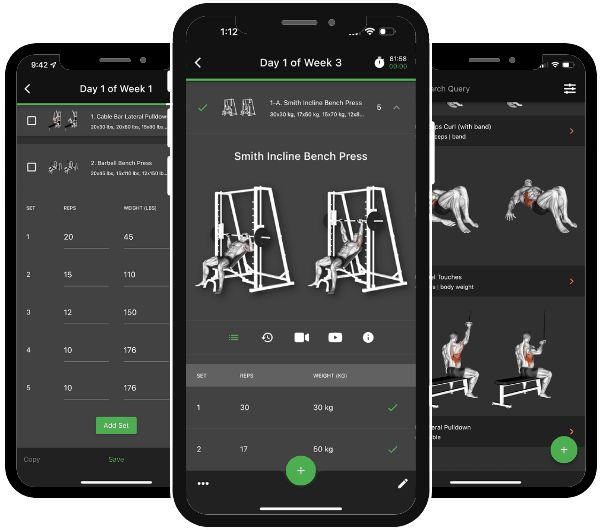
Achieve more with Fitwill: explore over 5000 exercises with images and videos, access built-in and custom workouts, perfect for both gym and home sessions, and see real results.
Start your journey. Download today!


Instructions
- Lie on your side and place the supporting forearm on the floor so the elbow is directly under the shoulder, with the forearm angled slightly forward for balance.
- Stack the feet or keep the lower leg long and steady, then lift the hips into a side plank so your body makes a straight line from head to ankles.
- Set the top knee to roughly a right angle and keep the top thigh slightly in front of the torso instead of letting the pelvis roll open.
- Rest the free hand on the top hip or ribs as a cue to keep the torso stacked and the waist lifted away from the floor.
- Press firmly through the forearm and the outer edge of the support foot while keeping the shoulder away from the ear.
- Lift the bent top leg a few inches by driving from the outer hip and glute, not by swinging the foot or twisting the torso.
- Pause briefly at the top when the pelvis is still level, then lower the leg slowly until you are back in the starting position.
- Keep breathing steady through the rep, exhaling on the lift and resetting the hips before each new repetition.
- Finish the set by lowering the hips to the floor under control and switch sides only after the body is fully reset.
Tips & Tricks
- If the shoulder feels crowded, move the elbow a little farther under the shoulder blade line and spread the fingers of the support hand for stability.
- Keep the ribs pulled down so the lift comes from the side hip, not from arching the lower back.
- Imagine your chest and pelvis staying in the same plane; if they start to rotate, the exercise turns into a twist instead of a side-plank lift.
- Use the top hand on the hip as feedback only; pressing or pushing with that hand usually hides weak trunk control.
- Make the leg lift small and clean. A short range with a level pelvis is more useful than a high swing with a wobble.
- Keep the support-side neck long by looking forward or slightly down instead of craning the head toward the ceiling.
- Exhale as the top leg rises and keep the waist lifted so the obliques stay active through the hardest part of the rep.
- If balance is the limiter, stagger the feet slightly so the lower leg has a wider base without changing the torso position.
- Stop the set when the top hip starts to drift backward or the shoulder begins to shrug.
Frequently Asked Questions
What does Side Plank Bent Leg Lift train most?
It primarily challenges the obliques and deep side-core muscles while the top hip and shoulder stabilizers keep the body stacked.
Why is the top leg bent instead of straight?
Bending the top knee shortens the lever, which makes it easier to isolate the side hip and keep the torso from rolling while you lift.
Where should I feel the working side of the body?
You should feel the support-side waist working hard to keep you lifted, with the top outer hip and glute helping the leg rise.
Can beginners do this exercise?
Yes, if they can already hold a basic side plank. Start with short holds and small leg lifts before adding more reps or slower tempo.
What is the most common mistake on the forearm support?
Letting the elbow drift too far forward or behind the shoulder usually makes the plank unstable and shifts stress into the shoulder.
Should the torso move when the bent leg lifts?
No. The ribcage and pelvis should stay stacked; only the top leg and hip should move while the body line stays quiet.
Can I use this instead of a regular side plank?
Yes, it is a good variation if you want more hip engagement and a slightly more approachable leverage position than a long-lever side plank.
How can I make Side Plank Bent Leg Lift harder?
Slow the lowering phase, hold the top position for a second, or reduce the amount of help from the top hand while keeping the pelvis perfectly steady.
Is this safe for the lower back?
It should be if you keep the ribs down and avoid twisting or sagging. If the low back takes over, shorten the set or regress to a simpler side plank.