Lying Scalene Muscles Activation
Lying Scalene Muscles Activation is a low-load neck drill that uses a floor-supported position to wake up the side of the neck without the balance demands of standing work. The scalene muscles sit along the sides of the cervical spine and help with small amounts of neck side bending, slight flexion, and upper-rib assistance during breathing. Because the movement is so small, the setup matters more than force: if the chin juts forward, the shoulders shrug, or the jaw clenches, the work quickly shifts away from the scalenes and into the upper traps and jaw.
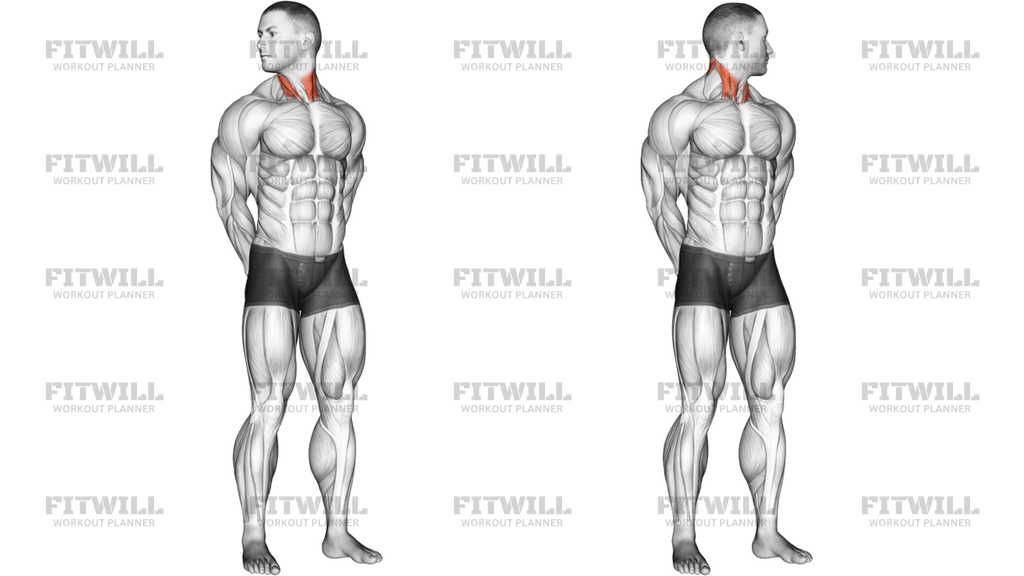
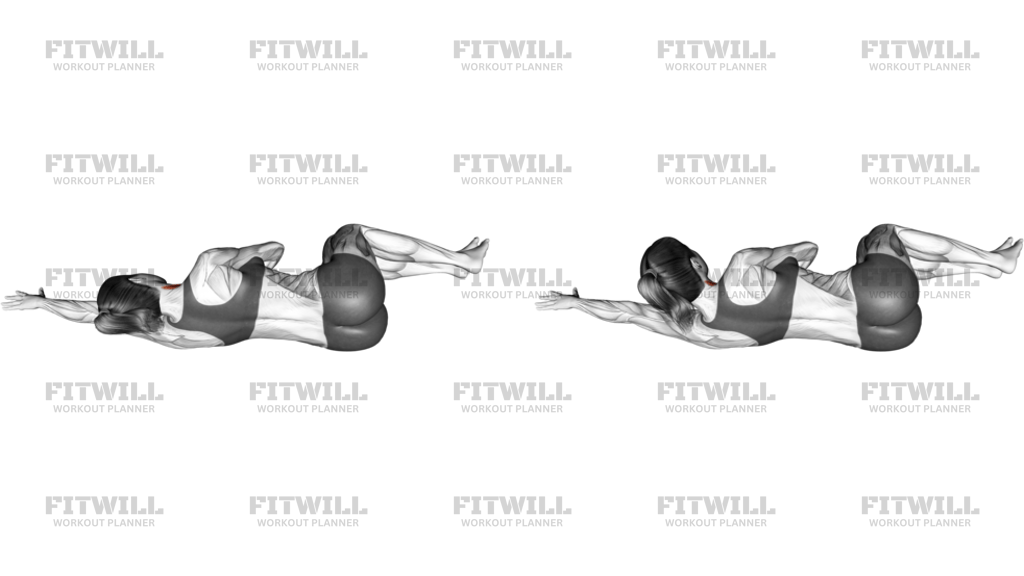
The image shows a bodyweight setup on the floor with the head and torso supported so the neck can move or hold position without the rest of the body helping much. That kind of support is useful for activation because it quiets the trunk, keeps the ribs from flaring, and lets you feel whether the side of the neck is actually doing the work. Treat this as a precision drill, not a big-range neck exercise. The best repetitions are subtle enough that they would look almost identical from one rep to the next.
A clean rep starts with the head stacked in line with the torso and the neck long. From there, make a tiny controlled lift, tilt, or nod toward the side you want to activate, then stop before the motion turns into a shrug or a twist. If the setup calls for an isometric hold, stay in the first sign of tension and breathe into the ribs instead of trying to push farther. The goal is to create a clear signal in the side of the neck while the shoulders stay heavy and the lower body stays quiet.
Breathing is part of the exercise. The scalenes help lift the upper ribs during inhalation, so slow, controlled breaths make the activation easier to feel without gripping the front of the neck. A smooth exhale usually helps keep the rib cage down and the chin relaxed, while a small inhale can reinforce the working line along the side of the neck. If you feel tingling, sharp pain, or a pinching sensation near the collarbone, back off immediately and reduce the range.
Use Lying Scalene Muscles Activation as a warm-up, posture drill, or accessory reset when you want better neck awareness before pressing, pulling, running, or long periods of sitting. It is also useful for lifters who habitually shrug or crane the head forward and need a cleaner way to learn where the neck should sit. Beginners can do this with no external load as long as the range stays tiny and pain-free. The right version should feel controlled, quiet, and precise, with the side of the neck working more than the front of the throat or the upper shoulders.
[ Workout Log & Planner ]
Put your next workout in Fitwill
Keep your plan and training log ready when you are.


Instructions
- Lie on a mat in the side-supported position shown, with the body relaxed, the knees bent for stability, and the spine long from pelvis to crown.
- Set the head on a thin pillow or forearm so the neck starts in line with the torso instead of bent hard toward the floor.
- Draw the chin back just enough to lengthen the back of the neck and keep the jaw loose before you begin the rep.
- Make a tiny head lift, tilt, or nod toward the working side until you feel the side of the neck turn on.
- Keep the shoulder of the working side heavy so the upper trap does not take over the motion.
- Hold the top or active position briefly while breathing slowly through the nose or a relaxed mouth.
- Lower or unwind the head under control until the neck is back in the starting position.
- Reset the chin, breathe, and repeat for the planned number of reps before switching sides if the program calls for it.
Tips & Tricks
- Use the thinnest pillow that keeps the neck long; too much height shortens the side of the neck and blunts the scalene work.
- Keep the jaw unclenched. If you bite down, the front of the neck and jaw usually start stealing the rep.
- Think tiny range. A big head lift usually turns this into a shrugging or chin-thrust drill instead of a scalene activation.
- Let the working-side shoulder stay heavy against the floor so the upper trap does not hitch up with the neck.
- Breathe into the side ribs and upper ribs without puffing the chest aggressively or flaring the sternum.
- If you feel the front of the throat more than the side of the neck, reduce the lift and reset the chin position.
- Stop immediately if you get tingling, numbness, or sharp pain near the collarbone, jaw, or down the arm.
- Use a very slow tempo so each rep feels like a position check, not a fast neck crunch.
- Match both sides carefully; the weaker side often needs a smaller range before it can hold position cleanly.
Frequently Asked Questions
What do the scalenes do in this exercise?
They help with small neck side bends, slight neck flexion, and upper-rib assistance during breathing.
Why is the exercise done lying down?
The floor support removes balance demands so you can feel the side of the neck work without using momentum or standing posture.
What should I feel during a good rep?
A gentle but clear effort along the side of the neck, not a shrug in the upper trap or clenching in the jaw.
Can I use a pillow under my head?
Yes. A thin pillow is often helpful as long as it keeps the neck long and does not tip the head forward.
Is this a strength exercise or an activation drill?
It is mainly an activation and control drill. The load should be light enough that position stays precise.
What usually goes wrong with this movement?
Most people lift too high, shrug the shoulder, or crane the chin forward and lose the scalene line of tension.
When should I use Lying Scalene Muscles Activation?
It fits well in a warm-up, posture block, or recovery session before pressing, pulling, or long sitting.
How do I progress it without turning it into a harder neck exercise?
Keep the range tiny, slow the breathing, and improve the quality of the hold before adding any external resistance.