Barbell Bench Lateral Step-Up
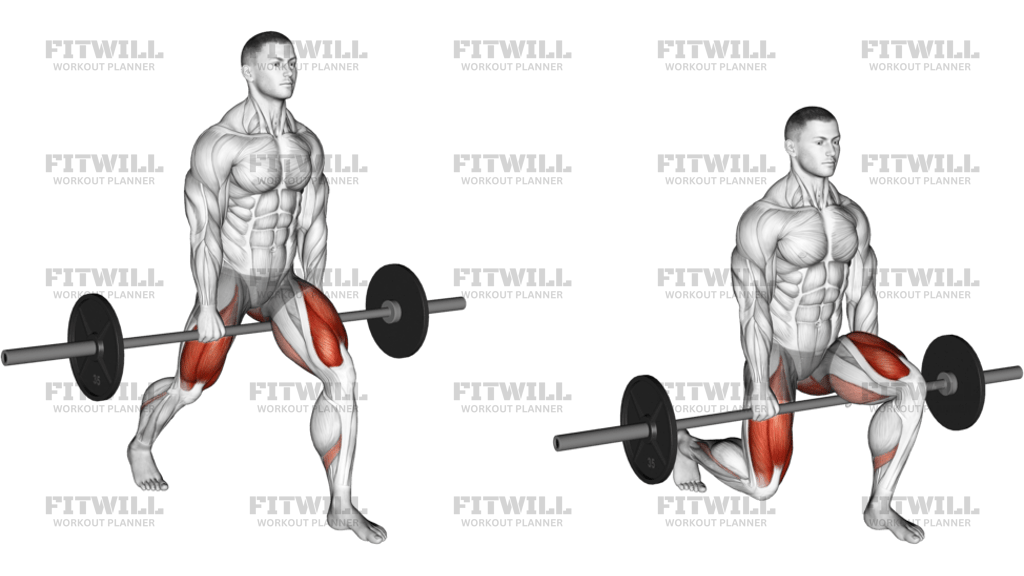
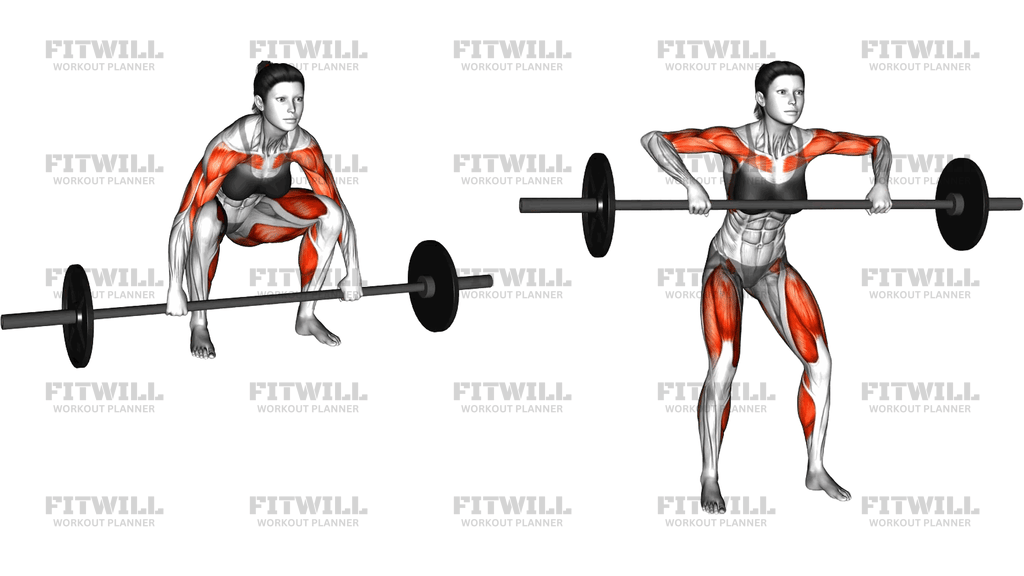
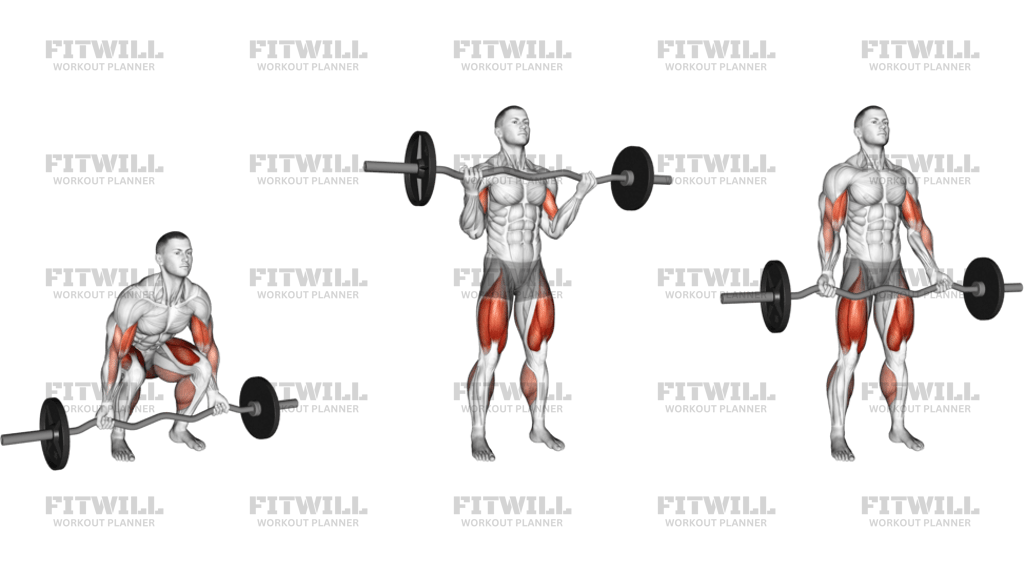
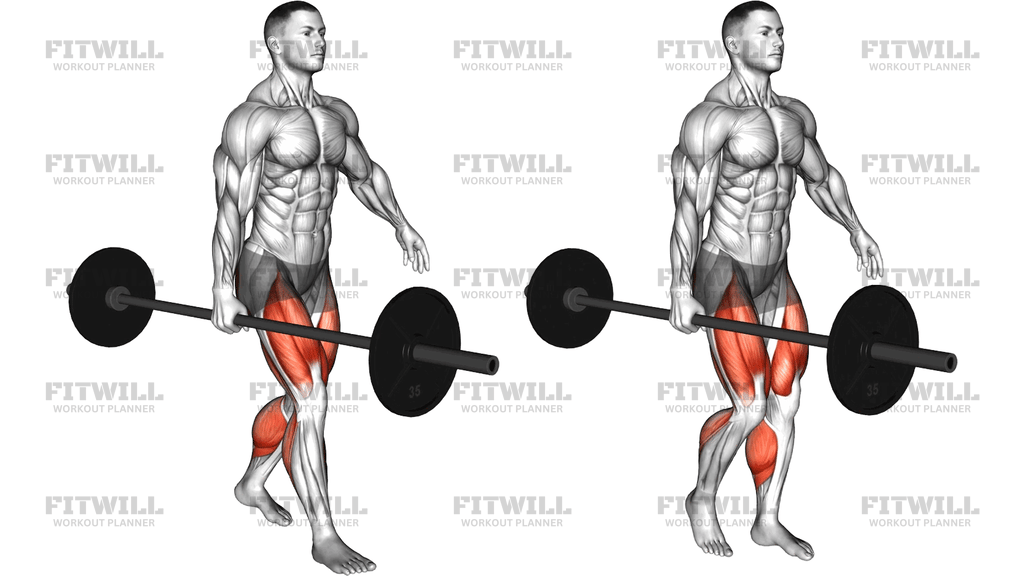
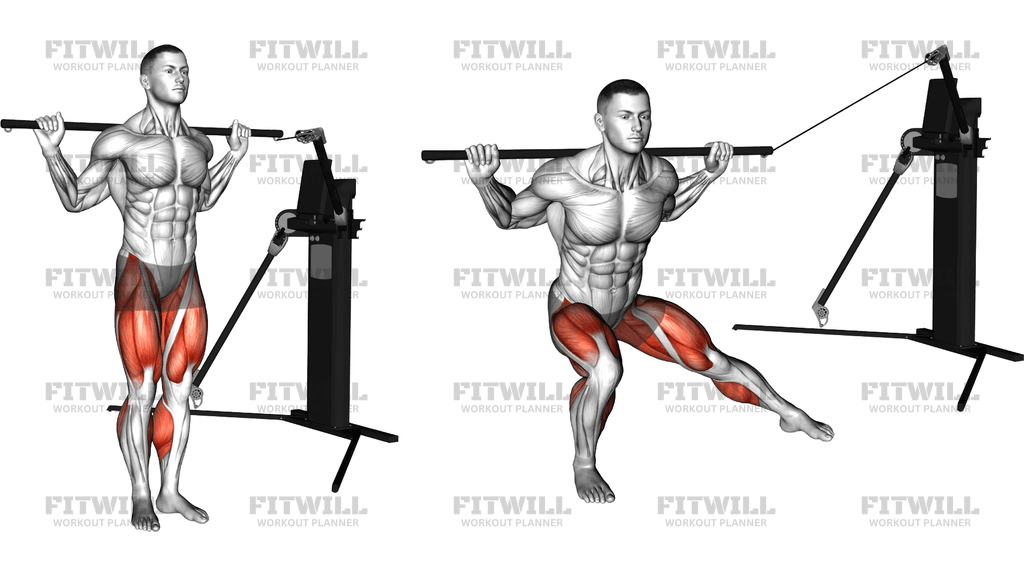
Barbell Bench Lateral Step-Up is a lower-body strength exercise built around stepping sideways onto a bench with a barbell resting across the upper back. The image shows a side-on setup where one foot starts on the bench and the other stays on the floor, so the working leg has to drive the body up while the hips stay level. That makes it a useful choice for thigh strength, single-leg control, and hip stability rather than pure vertical power.
The movement shifts a lot of work to the lead leg that is on the bench. As you press through that foot, the knee and hip extend together and the thigh does most of the visible work, while the other leg helps balance and then follows the body upward. Because the bar is fixed on the upper back, posture matters more than speed: if the torso tips, the step-up turns into a twist or a push off the trailing leg instead of a clean leg drive.
A good rep starts with a stable bench height and a bar position that lets the shoulders stay braced. Stand beside the bench, not behind it, and place the working foot fully on the platform before you begin. Keep the foot flat, chest tall, and ribs stacked over the pelvis as you push through the middle of the foot or heel. The goal is to rise by straightening the working leg, not by bouncing off the floor or swinging the free leg.
At the top, finish with the working hip and knee fully extended and the pelvis square to the bench. If the variation calls for a knee drive, bring the free knee up under control instead of leaning back. Then lower slowly to the start and reset your stance before the next rep. That controlled down phase is important because it teaches the lead leg to absorb load, which is one reason this exercise is useful for athletes, runners, and anyone training unilateral leg strength.
Load this movement conservatively. The bench increases balance demands, and the barbell adds enough challenge that sloppy reps can quickly shift stress into the lower back, hips, or trailing leg. It works best as an accessory strength movement after the main lift, or as a focused unilateral drill when you want one leg to do the majority of the work. Keep the range clean, stay square to the bench, and choose a height that lets you step up without collapsing the knee inward or losing control on the way down.
[ Workout Log & Planner ]
Put your next workout in Fitwill
Keep your plan and training log ready when you are.


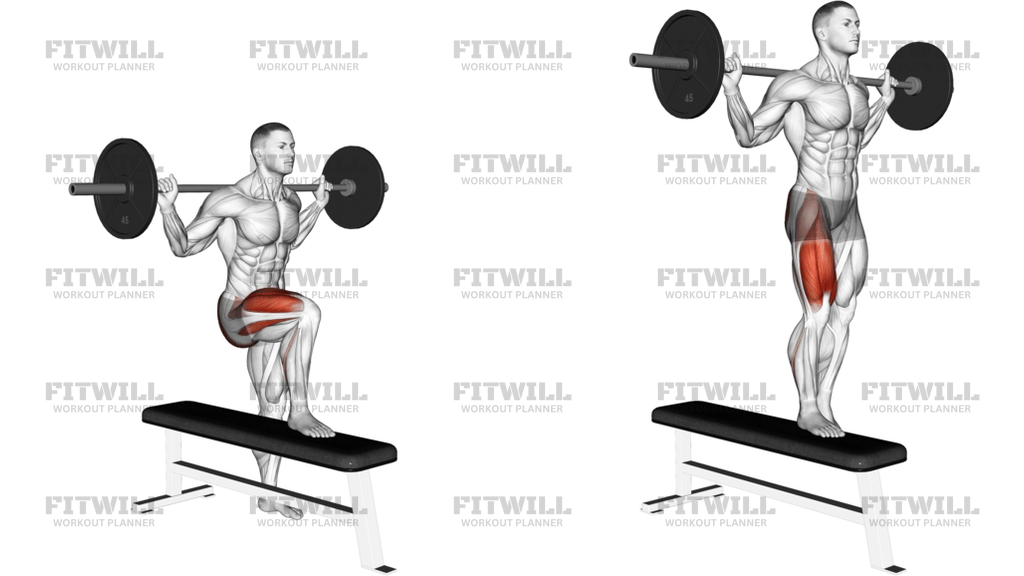
Instructions
- Set a flat bench beside you and place the barbell across your upper back as you would for a back squat.
- Stand sideways to the bench so your working foot can land fully on the pad and your torso stays square to the bench.
- Plant the working foot flat on the bench and keep the other foot on the floor beside it for balance.
- Brace your trunk, keep your chest tall, and look forward before you start the climb.
- Drive through the heel and midfoot of the foot on the bench to lift your body up onto the platform.
- Let the working knee and hip straighten together as you rise instead of bouncing off the floor leg.
- Bring the free leg up only as much as the variation allows, keeping the hips level and the bar steady.
- Lower yourself back to the floor under control, then reset both feet before the next repetition.
- Exhale as you drive up and inhale as you return to the starting position.
Tips & Tricks
- Choose a bench height that lets the working foot stay flat; if the knee folds sharply, the step is probably too high.
- Keep the bar centered across the upper traps so the load does not pull you toward one side as you step.
- Press through the heel and big-toe mound of the bench foot; if the heel lifts, the rep becomes less stable.
- Keep the trailing leg light. If you can launch yourself up with the floor foot, the set is too easy or the setup is off.
- Do not twist your hips toward the bench on the way up; both hip bones should face forward.
- Lower slowly enough to control the return leg. The eccentric should feel like a real single-leg descent, not a drop.
- Use chalk or clean shoes if the bench surface is slick, because the working foot has to stay planted.
- Stop the set when the knee caves inward, the torso leans excessively, or the bar starts to wobble.
Frequently Asked Questions
What does Barbell Bench Lateral Step-Up train most?
It mainly trains the thigh and hip of the leg that is on the bench, especially the quadriceps and glute on that side.
Why is the setup sideways to the bench important?
The sideways setup lets the working foot drive straight up onto the bench instead of forcing an awkward forward step.
Should my trailing leg help me climb onto the bench?
It should only help with balance. If the floor leg is pushing hard, the working leg is not doing enough of the work.
How high should the bench be for this exercise?
Use a height that allows the working foot to stay flat and the hips to rise without the knee collapsing inward.
Do I need to drive the free knee up at the top?
Only if that is the version you are using. The important part is standing tall on the bench with the working leg and keeping the bar steady.
Can beginners do this exercise?
Yes, but only with a light bar or bodyweight practice first. The balance demand is high enough that technique matters more than load.
What is the most common mistake?
Letting the floor leg push the body up or letting the torso lean hard away from the bench are the two biggest form leaks.
How should I breathe during the rep?
Brace before the climb, exhale as you stand up, and inhale again as you lower back to the floor.