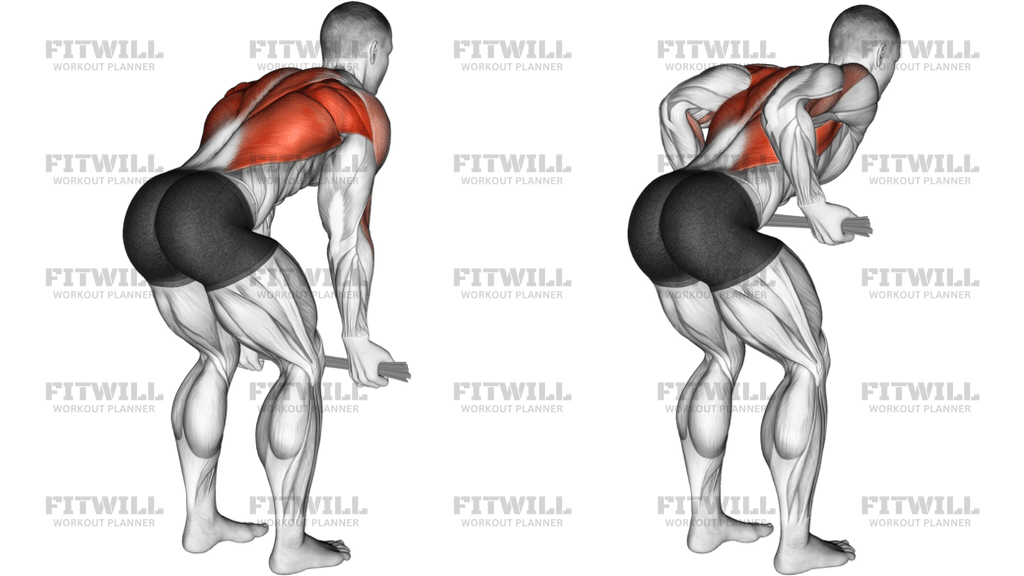
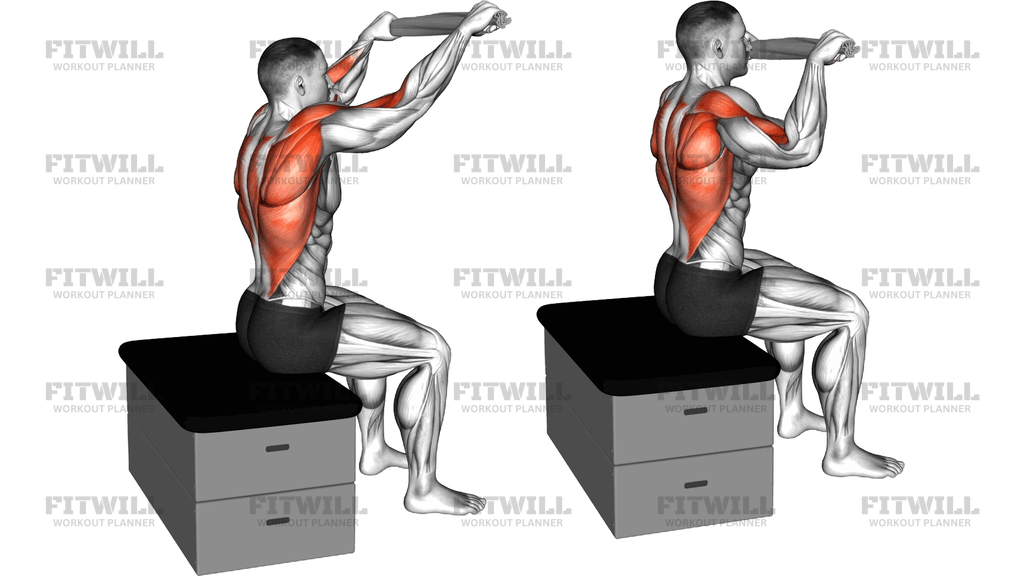
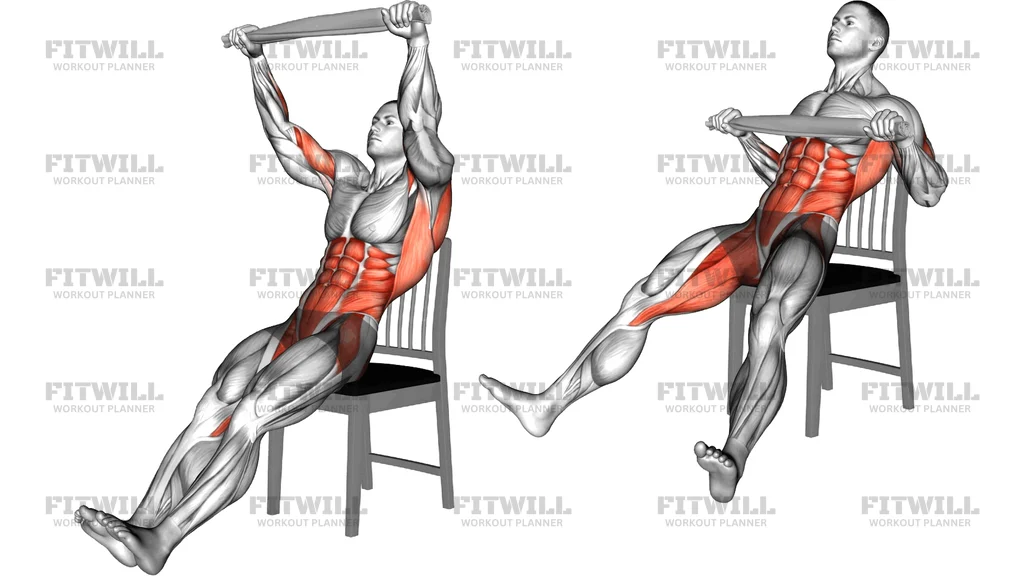
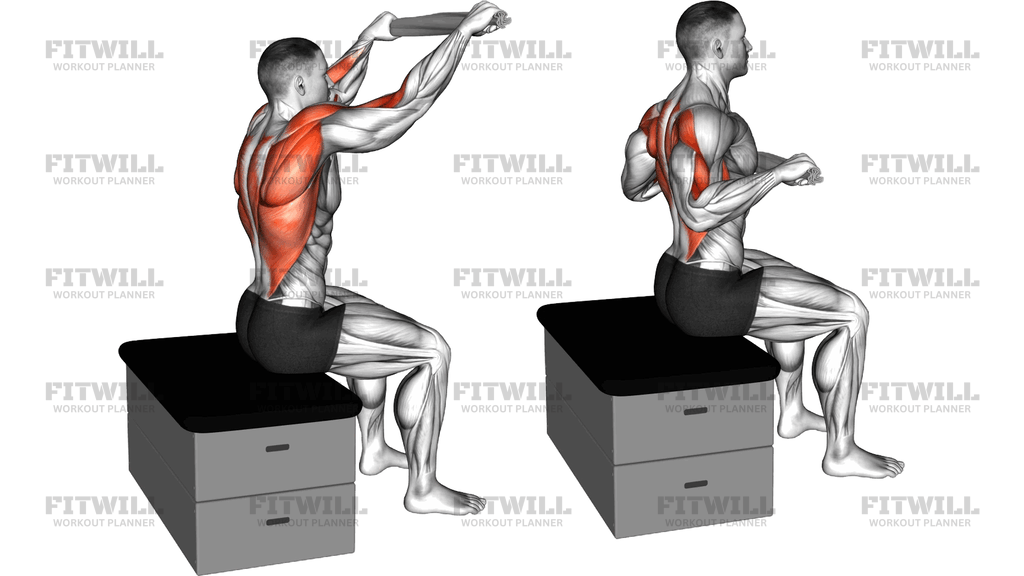
Standing Supinated Face Pull (With Towels)
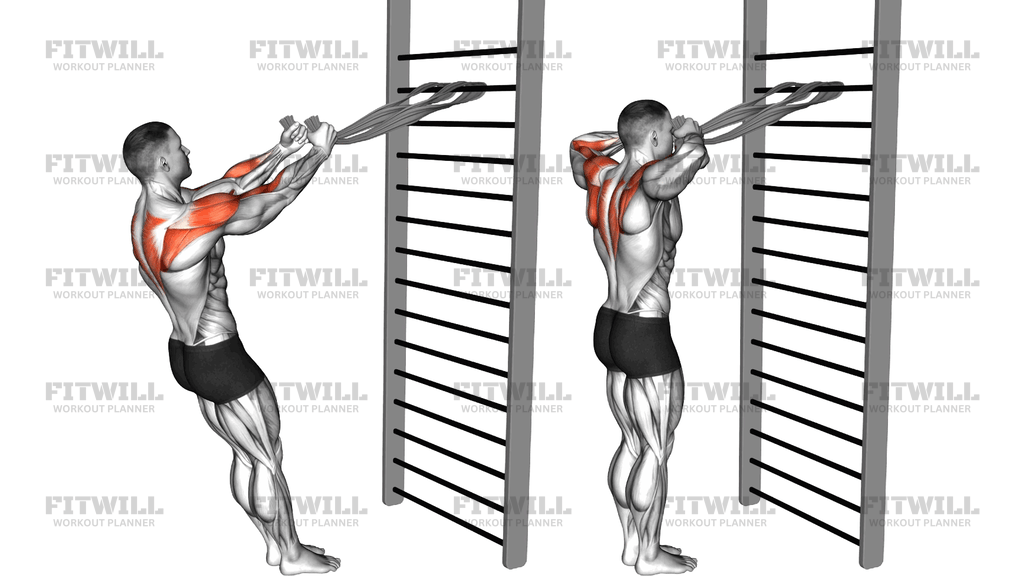
The Standing Supinated Face Pull (With Towels) is a shoulder and upper back exercise performed by pulling the ends of a towel that has been looped over a sturdy overhead anchor, such as a pull-up bar or wall-mounted rack. Unlike the standard face pull, you use a supinated grip, meaning your palms face toward you as you pull. This small change shifts some of the work toward the biceps and lower-trap fibers while still heavily targeting the rear deltoids and the muscles that pull your shoulder blades together.
This movement is especially useful for people who spend long hours sitting at a desk, since the muscles responsible for pulling the shoulders back and down tend to weaken and lengthen over time. It is also a smart accessory lift for anyone who presses heavily, as it balances all that pushing volume with pulling volume at the shoulder. Because the towel provides a soft, forgiving grip and the resistance comes from your own body weight and positioning, the exercise is accessible to beginners and still challenging enough for experienced lifters.
The setup matters more than it might seem. The towel must be securely looped over the anchor at roughly head height or slightly above, with both ends even in your hands. Your distance from the anchor determines the difficulty: the closer you stand and the more you lean back, the harder the pull becomes. Standing upright with tension in the towel gives you a lighter version, while leaning back toward the floor increases the load on your posterior chain and shoulders.
To execute the movement well, keep your elbows high and wide as you draw the towel ends back toward your face, finishing with your hands just outside your ears and your shoulder blades squeezed together. Your palms stay turned toward your face throughout, which keeps the elbows traveling upward rather than flaring backward. The return should be slow and controlled, letting the towel pull your arms forward until you feel a stretch across the back of your shoulders without letting your torso jerk forward.
The most common use case is as a warm-up primer before pressing sessions or as a higher-rep finisher dedicated to shoulder health and posture. A typical dose is two to four sets of ten to twenty repetitions. The main safety points are simple: test the towel and anchor before loading them, avoid rounding your lower back as you lean, and stop the set if you feel pinching at the front of the shoulder rather than work in the back of the shoulder and between the shoulder blades.
[ Workout Log & Planner ]
Put your next workout in Fitwill
Keep your plan and training log ready when you are.


Instructions
- Loop a strong towel over a secure overhead bar or anchor at about head height, adjust it so the two hanging ends are even, and give it a firm test pull before loading it.
- Grip one end of the towel in each hand with a supinated grip, palms facing toward you, and step back until the towel is taut with your arms extended in front of your chest.
- Set your stance about hip-width apart, stand tall, and brace your abdominals so your ribs stay stacked over your hips.
- Start the pull by drawing your shoulder blades back and down, then drive your elbows up and outward as the towel ends travel toward your face.
- Finish with your hands just outside your ears, elbows high and pointing out to the sides, and your shoulder blades fully squeezed together.
- Pause briefly at the end position to feel the contraction across your upper back and the backs of your shoulders.
- Slowly extend your arms forward, resisting the tension of the towel, until you are back at the starting position with a stretch across the rear shoulders.
- Exhale as you pull toward your face and inhale as you return your arms forward.
- Keep your torso angle consistent from rep to rep; if you want more resistance, lean back slightly, and if you want less, stand more upright.
- Complete your set, stand up fully, and release one end of the towel carefully so the tension does not snap your hands back into the anchor.
Tips & Tricks
- If your elbows drop below shoulder height as you pull, the set is turning into a biceps curl; cue yourself to lead with the elbows and let the hands simply follow.
- A towel that starts slipping on the anchor mid-set is a signal to re-loop it with more overlap or pick a rougher anchor surface before continuing.
- Shrugging your shoulders toward your ears is a common mistake here; actively press them down as you pull so the traps and rhomboids do the work instead of the upper traps alone.
- Leaning back farther increases resistance on this exercise, so dial your body angle to a level where you can own the last few reps without your lower back arching.
- If your wrists ache with palms facing you, widen your grip slightly on the towel ends so the wrists can stay relatively straight through the pull.
- Do not let the towel snap your arms forward on the return; a two-second controlled extension keeps tension on the rear deltoids instead of dumping it into the shoulder joint.
- Because the resistance comes from your own body position, a set that felt easy can quickly become too hard if you creep closer to the anchor between reps, so mark your foot position.
- Chin jutting forward to meet the towel at the end position shortens the range; keep your head neutral and bring the hands to the face instead.
Frequently Asked Questions
Which muscles does the Standing Supinated Face Pull (With Towels) work?
The main drivers are the rear deltoids, mid traps, and rhomboids, which pull the shoulder blades together. The supinated grip also brings the biceps into the pull, and the rotator cuff assists in stabilizing the shoulder.
Why use a towel instead of a cable machine or rope attachment for face pulls?
A towel looped over an overhead anchor makes the exercise available almost anywhere, and the soft grip is comfortable for the wrists and hands. Resistance is adjusted simply by changing your body angle and distance from the anchor.
What does the supinated grip change compared with a neutral or pronated grip on this exercise?
With palms facing toward you, the elbows travel higher and the biceps contribute more to the pull, while the rear shoulders and upper back still do most of the work. Many people also find this grip easier on the shoulders than a strictly pronated position.
Is the Standing Supinated Face Pull (With Towels) suitable for beginners?
Yes. By standing more upright with only light tension in the towel, a beginner can learn the movement with minimal load and build the mind-muscle connection in the upper back before progressing.
How do I make this exercise harder without adding weight?
Step slightly closer to the anchor or lean your torso back so more of your body weight hangs on the towel. You can also slow the lowering phase or add a two-second pause with the hands beside your face.
What is the most common mistake with the towel setup?
Using a thin or worn towel, or anchoring it over an insecure hold, which risks slipping mid-rep. Always loop it with generous overlap and test it with a hard pull before your first working set.
How many reps should I do on the Standing Supinated Face Pull (With Towels)?
Higher rep ranges work well here, typically ten to twenty reps for two to four sets. The goal is a strong squeeze between the shoulder blades on every rep rather than maximum resistance.
Can I substitute this exercise if I do not have a towel or suitable anchor?
A face pull with a rope attachment on a cable machine set at face height is the closest substitute, and a band face pull anchored to a sturdy rack works well too. Reverse flyes with light weights are another option for the rear shoulders.
Where should I feel this exercise, and what if I feel it in the front of my shoulders?
You should feel working tension across the backs of your shoulders and between your shoulder blades. If you feel pinching at the front of the shoulder, reduce your body angle, keep your elbows higher, and avoid pulling the hands past ear level.