Seated Neck Rotation
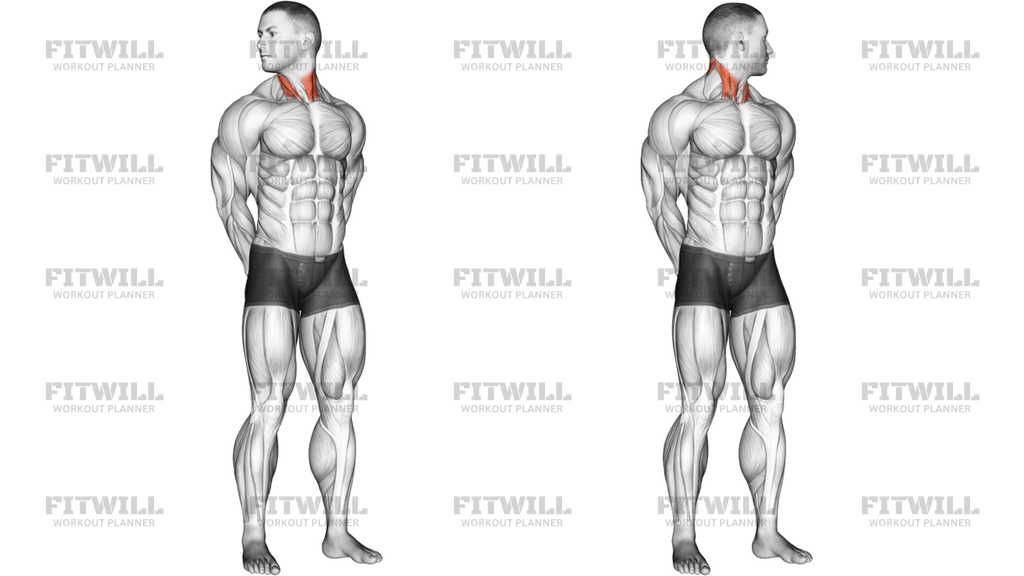
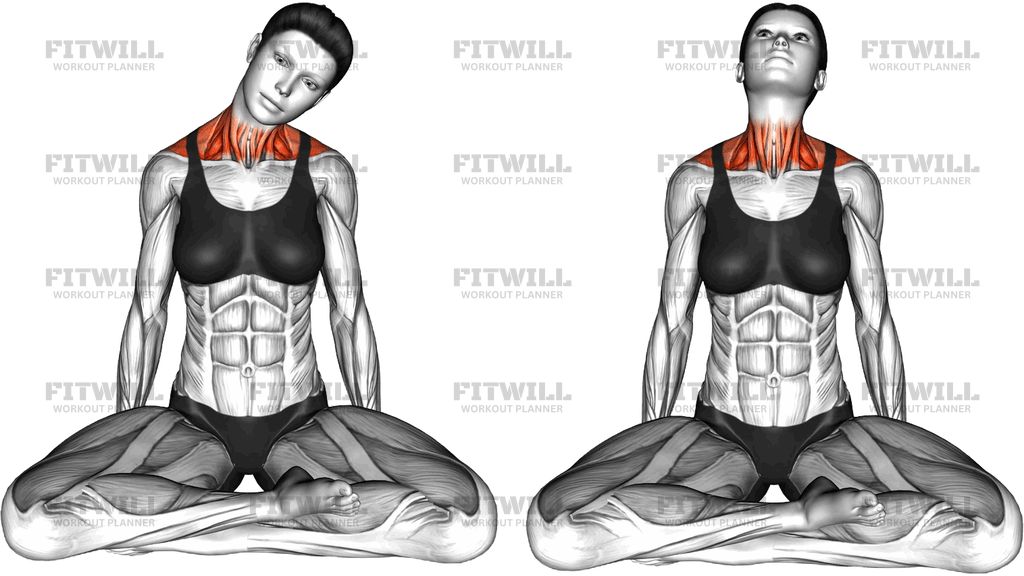
Seated Neck Rotation is a simple head-turning drill performed from an upright, cross-legged seated position with no equipment other than your own body weight. You sit tall, relax the shoulders, and rotate the head slowly from side to side so the chin travels toward each shoulder. The muscles along the sides and back of the neck, including the sternocleidomastoid and the upper trapezius, are the focus, working through their range as you turn and gently lengthening on the side you rotate away from.
This movement is especially useful for anyone whose neck feels stiff from desk work, driving, or long stretches of looking at a phone. Forward-head postures tend to lock up rotational range first, so regular, controlled turning helps keep the neck mobile for everyday tasks like checking blind spots while driving or looking over your shoulder during sports. It is also a common warm-up or cool-down choice before and after upper-body training sessions.
Setup matters more than most people expect. Sitting cross-legged on the floor with a tall spine, as shown, gives the head a stable base to rotate from. If you slouch or let the upper back round, the thoracic spine steals range of motion and the neck compensates, which can make the movement feel pinchy or restricted. Keep the hands resting loosely on the knees or thighs so the shoulders stay quiet throughout.
To execute the movement well, imagine a fixed point directly ahead of you and turn the head as if you are slowly looking over each shoulder. The motion should come only from the neck, with no tilting, jutting the chin forward, or shrugging to gain extra range. Move at a pace that lets you feel the muscles engage and lengthen, pause briefly at each end of the turn, and return through center before going to the other side.
A few practical points keep this safe and effective. The neck is a mobile but sensitive area, so every rep should be smooth and pain-free; never force the head past a comfortable range or have a partner push it further. Dizziness, tingling, or sharp discomfort are signals to stop and reduce the range or consult a professional. Two to three sets of slow, deliberate turns per side is plenty for most people, whether used as a daily mobility break or part of a broader neck and shoulder routine.
[ Workout Log & Planner ]
Put your next workout in Fitwill
Keep your plan and training log ready when you are.


Instructions
- Sit on the floor in a comfortable cross-legged position with your hands resting on your knees or thighs.
- Stack your ribs over your hips and lengthen the back of your neck so your head sits directly over your shoulders, eyes level.
- Relax your shoulders down away from your ears and let your arms stay loose for the entire set.
- Take a easy breath in through your nose and keep your breathing steady throughout the movement.
- Exhale and slowly rotate your head to the right, leading with your chin as if looking over your right shoulder.
- Stop at a comfortable end range where you feel a mild stretch along the left side of your neck, and hold there for one to two seconds without tilting or shrugging.
- Slowly rotate back through center until your gaze returns to the starting point straight ahead.
- Repeat the turn to the left with the same controlled pace, pausing briefly at your comfortable range.
- Continue alternating sides for the desired number of repetitions, keeping the shoulders and upper back completely still.
- Finish the set by returning your head to neutral, taking a full breath, and relaxing the neck before standing up or moving to the next exercise.
Tips & Tricks
- A common mistake is letting the chin jut forward or the head tilt as you turn; fix this by picking a point on the wall straight ahead and checking that your eyes stay level while the head pivots.
- Do not shrug your shoulders to chase extra range. If your shoulders creep up, the upper trapezius is tense and you will feel the stretch less; consciously press them down and accept a smaller turn.
- Keep the rotation slow enough that you could stop at any point. Whipping the head through the turn is the fastest way to irritate the neck in this position.
- If sitting cross-legged on the floor bothers your hips or lower back, elevate your hips on a folded mat or firm cushion so the spine can stay tall without strain.
- The end range should feel like a mild stretch or gentle muscle work, never a pinch. If you feel pinching at the base of the skull, ease off a few degrees and turn with slightly less range.
- Avoid holding your breath at the end range; the pause should be relaxed, with one calm breath before returning through center.
- Move equally to both sides. Most people have a stiffer direction, and matching the limited side to the loose side, rather than pushing the tight side harder, balances the movement over time.
- If you feel lightheaded during the turn, stop, return to center, and rest. Reduce the range on your next attempt and keep the turns smaller and slower.
Frequently Asked Questions
Which muscles does Seated Neck Rotation work?
The main muscles are those that turn the head, particularly the sternocleidomastoid along the front and side of the neck, with the upper trapezius and levator scapulae assisting. As you rotate, the muscles on the opposite side of the neck get a gentle lengthening at the same time.
Why is Seated Neck Rotation done sitting cross-legged instead of standing?
Sitting cross-legged removes the demand on your legs and gives you a stable, symmetrical base so you can focus entirely on turning the head cleanly. The seated position also makes it easier to keep the shoulders relaxed and the spine tall.
How far should I turn my head during Seated Neck Rotation?
Turn only to a comfortable range where you feel mild tension or stretch, usually until the chin is roughly over or slightly short of the shoulder. Never push into pain, and never use your hands or a partner to force the head further.
Is Seated Neck Rotation good for beginners?
Yes, it is one of the most beginner-friendly neck drills because it requires no equipment and small, controlled ranges are perfectly effective. Beginners should start with smaller turns and prioritize smoothness over range.
Should I hold the turn or keep moving in Seated Neck Rotation?
Both approaches work: continuous slow turns are good for warming up, while a one-to-two second pause at each end range gives a light stretch effect. Keep every rep controlled regardless of which style you choose.
How many repetitions of Seated Neck Rotation should I do?
Five to ten slow turns per side, for one to three sets, covers most needs. It works well as a daily mobility break or as part of a warm-up before upper-body training.
What is the most common mistake in Seated Neck Rotation?
The most common errors are shrugging the shoulders, tilting the head instead of rotating it, and rushing through the turn. All three reduce the work on the intended neck muscles and can make the movement feel uncomfortable.
Can I do Seated Neck Rotation in a chair instead of on the floor?
Yes, a firm chair with your feet flat on the floor works nearly as well. The key is keeping the torso upright and the shoulders relaxed, whether you sit cross-legged or on a chair.
Is it safe to do Seated Neck Rotation every day?
For most people, gentle daily rotation is well tolerated as long as it stays pain-free and unforced. If you have a history of neck injury, dizziness, or nerve symptoms such as tingling into the arm, check with a qualified professional before making it a daily habit.
What can I use instead of Seated Neck Rotation if my neck feels irritated?
Try smaller-range turns while lying on your back, where the floor supports the head and removes gravity from the equation. Gentle chin tucks and upper trapezius stretches are also easier alternatives while the neck settles.