Standing Shoulder Inferior Capsule Stretch
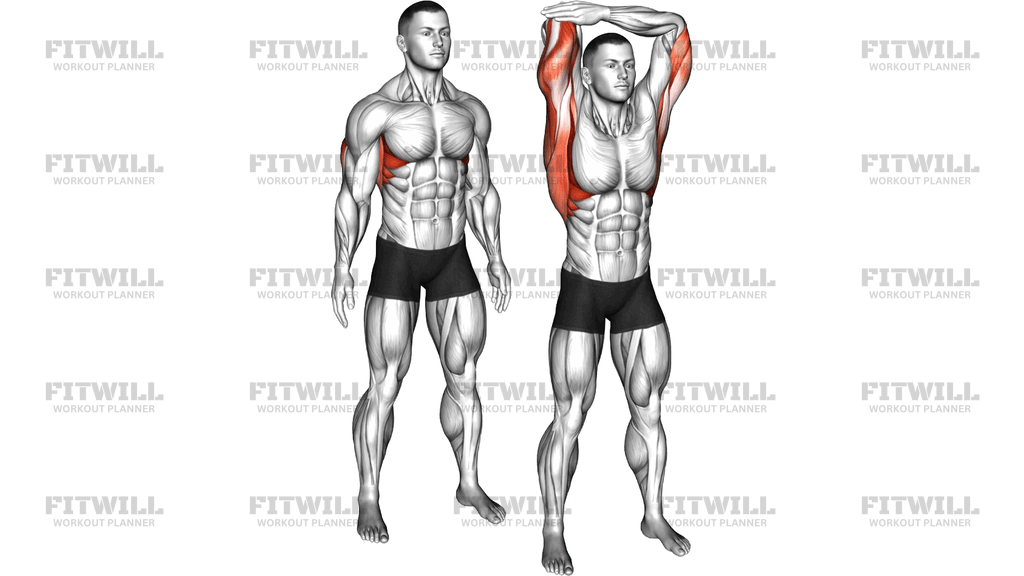
The Standing Shoulder Inferior Capsule Stretch is a bodyweight stretch performed standing with the arms raised overhead and the elbows bent so the hands drop down behind the head. By taking the shoulder into full overhead flexion with the elbows folded back, the stretch targets the inferior portion of the shoulder joint capsule along with the rotator cuff, triceps, and the lats that run from the armpit down the side of the torso. It is one of the few positions that places a focused lengthening demand on the underside of the shoulder joint rather than just the surrounding muscles.
This stretch is especially useful for people who spend long hours sitting, pressing, or training overhead movements without balancing them with mobility work. Weightlifters, swimmers, and throwing athletes often develop tightness in the shoulder capsule and lat tissue from repeated overhead or pulling work, and tightness in this region limits how freely the arm can elevate. Office workers frequently feel the same restriction as a stiff, compressed sensation when reaching overhead or behind the back.
Setup matters more here than in most stretches because the shoulder joint is most vulnerable when the arms are overhead. Standing tall with the ribs stacked over the pelvis prevents the lower back from arching to fake extra shoulder range. If you lean back or flare the ribcage to get the hands higher, you shift the stretch away from the shoulder and load the lumbar spine instead. Keep the neck relaxed and avoid craning the chin forward as the elbows travel back.
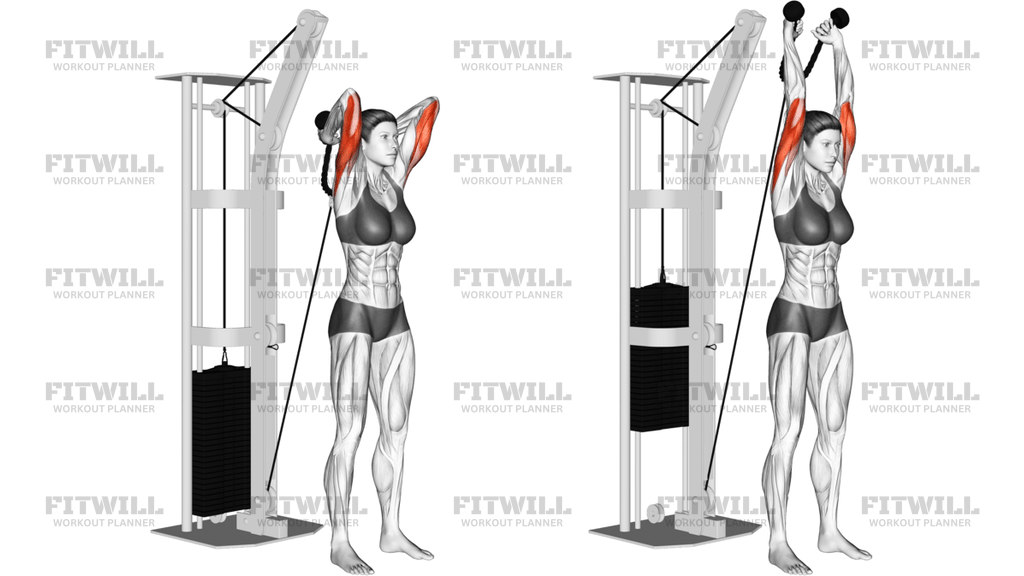
To execute the stretch well, raise the arms overhead, bend the elbows, and let the hands sink behind the head toward the opposite shoulder or elbow. The stretch should be felt across the backs of the shoulders, down the backs of the upper arms, and along the sides of the torso. Ease into the end range gradually and breathe slowly rather than forcing the elbows back with sudden pressure. If one side is noticeably tighter, work it individually by using the opposite hand to gently guide the elbow.
A common mistake is treating this like an aggressive triceps stretch and cranking the elbows backward. The goal is a steady, tolerable pull around the shoulder joint, not pain in the neck or a pinching sensation at the top of the shoulder. Hold each rep for twenty to thirty seconds, repeat two to three times per side, and use it after pressing or pulling sessions or as part of a general shoulder mobility routine. Anyone recovering from a shoulder injury should clear this position with a qualified professional first, since overhead end-range work is not appropriate for every stage of rehab.
[ Workout Log & Planner ]
Put your next workout in Fitwill
Keep your plan and training log ready when you are.


Instructions
- Stand with your feet about hip-width apart, weight evenly distributed, and your torso tall with the ribs stacked over the pelvis.
- Raise both arms straight overhead so the upper arms end up alongside or slightly forward of your ears.
- Bend both elbows and let your hands lower behind your head, allowing each hand to drop toward the opposite elbow or the back of your neck.
- Relax your shoulders away from your ears and keep your neck long, resisting the urge to jut the chin forward as the elbows bend.
- Brace your trunk lightly and keep your lower back neutral; do not arch backward to push the hands higher.
- Exhale slowly and let the elbows drift gently back and out until you feel a steady pull across the backs of the shoulders, the triceps, and the sides of the torso.
- Hold the end position for 20 to 30 seconds, breathing steadily and letting the range increase slightly with each exhale.
- Slowly straighten the elbows and lower the arms back down to your sides to release the position.
- Shake out the shoulders, then repeat for 2 to 3 holds, or switch to a single-arm version using the opposite hand to guide the elbow if one side is tighter.
Tips & Tricks
- If your lower back arches as the hands go behind your head, tighten your abs slightly or bend the knees a touch to keep the pelvis neutral so the stretch stays in the shoulders.
- A pinch at the top of the shoulder means you have gone too far too fast; back the elbows off a few degrees and rebuild the range gradually over several sessions.
- Keep the hands relaxed rather than interlacing the fingers and pulling hard, since forcing the elbows back shifts stress to the neck and elbow joints.
- If the triceps cramp in this position, reduce how far the hands drop behind the head and work at a shallower angle until the tissue tolerates more.
- Warm the shoulders first with arm circles or a few light presses, because the capsule lengthens far more easily in warm tissue than cold.
- Watch yourself sideways in a mirror: if the ribcage flares and the chest lifts as the elbows go back, you are borrowing range from the spine instead of the shoulder.
- Do this stretch after training rather than before heavy pressing, since long-duration end-range stretching immediately before loading can temporarily reduce force output.
- When one shoulder is clearly stiffer, spend an extra hold on that side, but keep the difference modest instead of chasing symmetry in a single session.
Frequently Asked Questions
What does the Standing Shoulder Inferior Capsule Stretch actually target?
It lengthens the inferior portion of the shoulder joint capsule along with the rotator cuff, triceps, and lats, which all limit overhead arm elevation when they are tight. The emphasis is on the underside of the shoulder joint rather than a single muscle.
Why are the arms overhead with the hands behind the head in this stretch?
Full overhead flexion with the elbows bent places tension on the inferior capsule and the tissues that cross it, a position most stretches do not reach. Folding the elbows back also adds a gentle lengthening of the triceps.
Is this stretch safe for beginners?
Yes, as long as you move into the position slowly and stay well short of any pinching at the shoulder. Beginners often lack the overhead range to get the hands far behind the head, and a partial position still provides a useful stretch.
How long should I hold the Standing Shoulder Inferior Capsule Stretch?
Hold for 20 to 30 seconds per rep and complete 2 to 3 reps per side. Longer, relaxed holds tend to work better here than short, aggressive pulls because the capsule responds to sustained low-intensity tension.
Why do I feel the stretch in my lats and the sides of my torso?
The lats attach near the armpit and help pull the arm down from overhead, so they are placed on stretch in the same position as the capsule. Feeling them working alongside the shoulder is normal and expected.
What is the most common mistake with this stretch?
Arching the lower back and flaring the ribcage to push the hands higher, which fakes shoulder range and strains the lumbar spine. Keep the trunk braced and accept a smaller, honest range.
Can I do a single-arm version of this stretch?
Yes. Raise one arm overhead, bend the elbow, and use the opposite hand to gently guide the elbow back. This is helpful when one shoulder is tighter or when raising both arms at once is uncomfortable.
When should I do the Standing Shoulder Inferior Capsule Stretch?
It fits best after pressing, pulling, or swimming sessions, or in an evening mobility routine. Avoid long holds immediately before heavy overhead lifting.
Should I feel pain at the front or top of my shoulder during this stretch?
No. A deep pull is expected, but pinching, sharpness, or pain radiating down the arm means you should reduce the range or stop. Persistent pinching in the overhead position warrants an assessment before continuing.
What can I use if I cannot get my hands behind my head at all?
Try a towel or stick held between the hands behind the back of the head to reduce how much elbow bend is required, or start with a simple doorway lat and shoulder flexion stretch and progress to this position as overhead range improves.