Kneeling Torso Rotation Chest And Shoulder Stretch
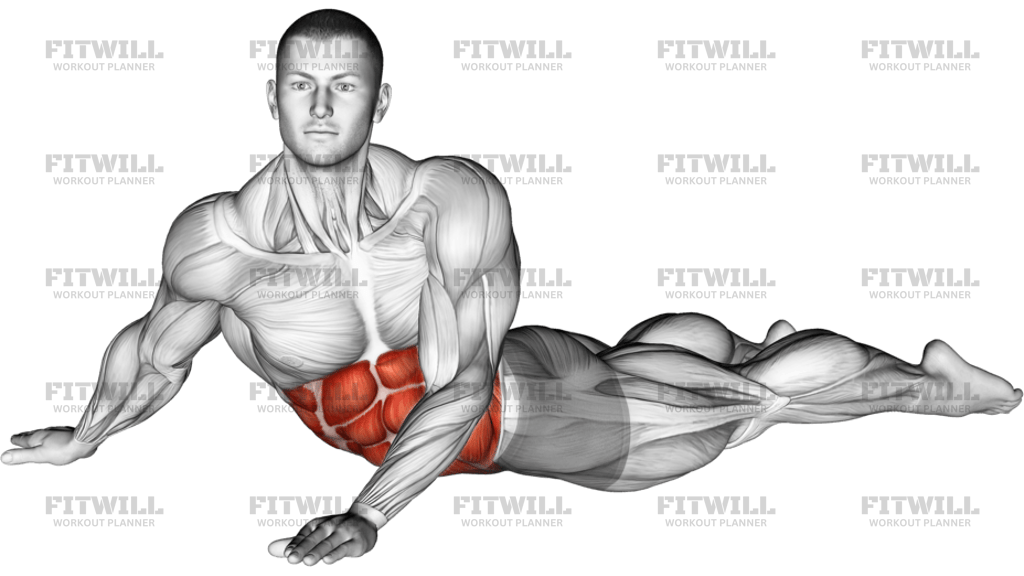
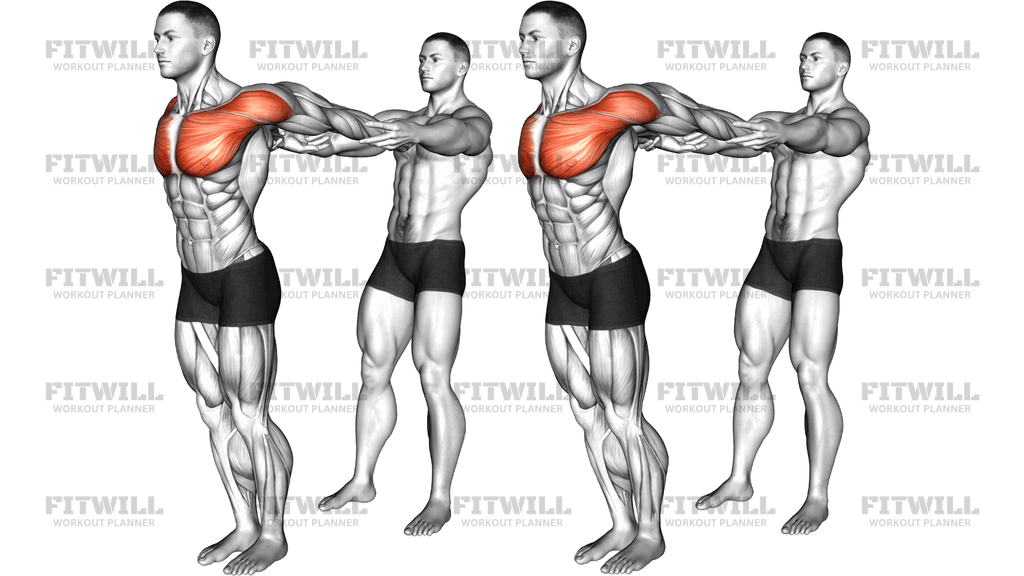
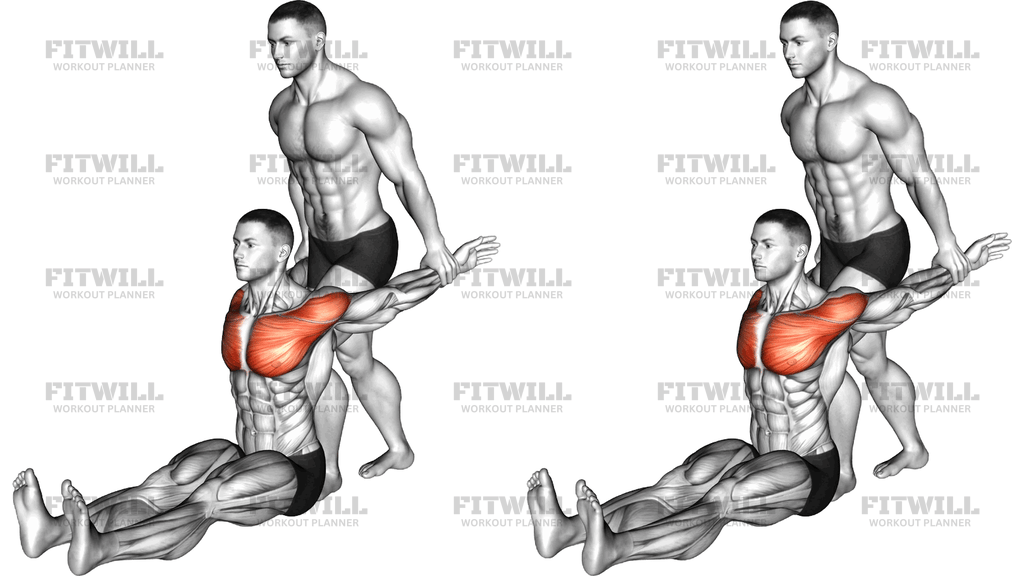
The Kneeling Torso Rotation Chest And Shoulder Stretch is a floor-based mobility drill that combines a quadruped kneeling position with a controlled rotational reach. From all fours, you brace on one forearm and rotate your torso, letting the opposite arm sweep out along the floor until the chest and the front of the shoulder lengthen. Because the floor supports your weight throughout, you can relax into the end range instead of fighting gravity, which is exactly what makes this version feel different from standing chest stretches.
This stretch is especially useful for anyone whose shoulders roll forward for long stretches of the day. Desk workers, drivers, and lifters who press or bench frequently tend to accumulate tightness across the pectorals and the front of the shoulders, and that tightness often shows up as restricted thoracic rotation. The kneeling setup ties the two problems together: rotating the torso lengthens the chest and front shoulder on the reaching side while the supporting forearm gives you a stable anchor to rotate against.
The primary targets are the pectorals and the anterior deltoid of the extended arm, with the obliques and the muscles along the upper back working through the rotation itself. You will also feel a stretch across the side of the ribcage as the torso turns. Because the movement is active rather than passive, it doubles as a thoracic mobility drill, teaching your mid-back to rotate while the shoulder stays open.
Setup matters more here than in most stretches. The forearm you brace on should sit directly under that shoulder, and your knees should stay roughly under your hips so the lower back is not asked to do the rotating. If your support drifts forward or your hips sway, the rotation leaks into the lumbar spine and the chest stretch gets diluted. Keep the moving arm long and relaxed, letting the palm and forearm rest on the floor rather than pushing.
To execute it well, move into the rotation on an exhale and stop where you feel a clear but tolerable stretch across the chest and shoulder. Hold for twenty to thirty seconds, breathe steadily, and let the range improve gradually over the hold rather than forcing depth in the first few seconds. Then reverse the motion by pressing lightly through the supporting forearm and bringing the arm back under your shoulder before switching sides.
This drill fits naturally into warm-ups before pressing or throwing, into cooldowns after upper-body training, and into short desk-break mobility sessions. Two or three rounds per side is plenty for most people. Avoid it or scale it back if you have an acute shoulder injury, and never push into pinching pain at the front of the shoulder.
[ Workout Log & Planner ]
Put your next workout in Fitwill
Keep your plan and training log ready when you are.


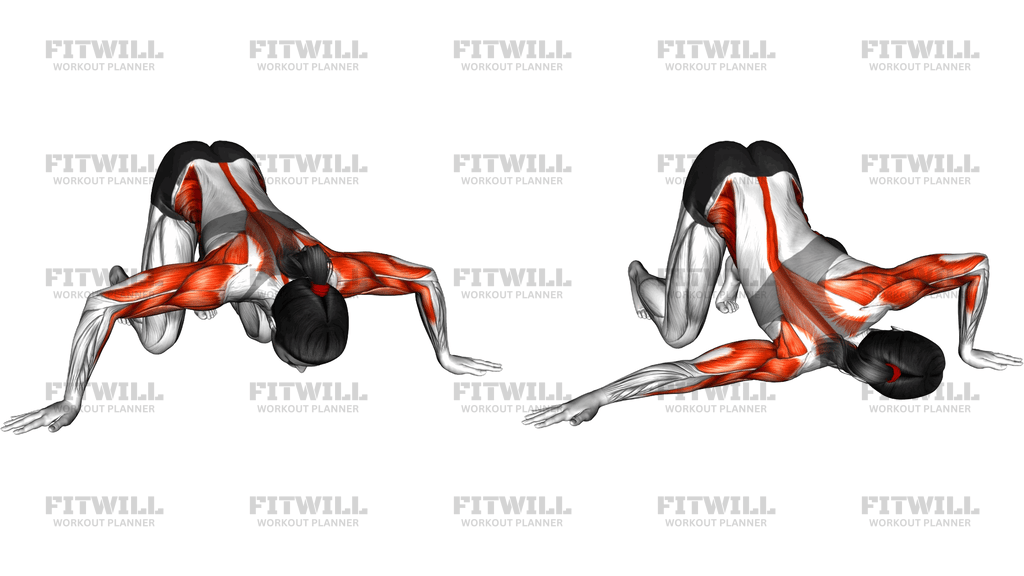
Instructions
- Kneel on an exercise mat and set up on all fours with your hands under your shoulders and your knees under your hips.
- Lower your left forearm to the floor directly beneath your left shoulder so the forearm is flat and your elbow is bent to roughly ninety degrees.
- Keep your knees stacked under your hips and brace your trunk lightly so your lower back stays neutral before you begin rotating.
- On an exhale, rotate your torso by sliding your right arm out to the right and across the floor, letting your chest turn toward the ceiling and your right shoulder drop toward the mat.
- Continue until your right arm is extended out to the side with the palm and inner forearm resting on the floor and you feel a stretch across your right chest and the front of your right shoulder.
- Let your head follow the rotation, resting your gaze toward your supporting arm rather than craning your neck back.
- Hold the end position for twenty to thirty seconds, breathing slowly and letting the chest and shoulder soften a little more with each exhale.
- To come out, press gently through your left forearm and draw the right arm back across the floor until you return to the all-fours position.
- Reset your hand and knee alignment, then repeat on the other side with the right forearm braced and the left arm sweeping out.
Tips & Tricks
- If you feel pinching at the front of the reaching shoulder, back the arm in a few degrees and bend the elbow slightly — the stretch should sit across the chest, not inside the shoulder joint.
- The most common mistake is rotating from the lower back instead of the mid-back; watch that your knees stay pointing down toward the floor rather than swinging sideways with the turn.
- Do not push the floor away with the extended hand — an active press switches the chest on and cancels the stretch you are trying to create.
- Keep the supporting elbow under that shoulder; if it drifts ahead of you, the rotation loses its anchor and you end up sagging through the torso.
- Exhale into the rotation rather than holding your breath at the end range — breath-holding tends to tense the very muscles you are trying to lengthen.
- If your wrist on the extended arm complains, roll onto the back of the hand slightly or rest the forearm flat instead of loading the palm.
- Expect one side to rotate noticeably further than the other; match your weaker side's range rather than chasing the tighter side's depth on both.
- Small repeated rotations in and out of the end range work well as a warm-up version, while longer static holds suit cooldowns.
- Keep your neck long and let the head hang with the rotation; lifting the head to look forward kinks the muscles at the top of the shoulder.
Frequently Asked Questions
Which muscles does the Kneeling Torso Rotation Chest And Shoulder Stretch target?
It primarily lengthens the pectorals and the anterior deltoid of the extended arm, while the obliques and upper-back rotators control the rotation. The side of the ribcage often gets a pleasant stretch as well.
Is this stretch suitable for beginners?
Yes — the floor supports your body weight and there is no load involved, so beginners only need to respect their own range. Starting with a shorter reach and ten- to fifteen-second holds is a sensible entry point.
Why kneel instead of doing this rotation standing?
Kneeling removes the balance and leg-strength demands of a standing rotation, and bracing one forearm on the floor gives you a fixed anchor to turn against. That makes it easier to isolate the mid-back and chest rather than compensating elsewhere.
Should my knees stay still during the rotation?
Yes, keeping the knees under the hips and pointing down ensures the turn comes from the thoracic spine. If your knees swing sideways with the rotation, you are likely borrowing movement from the hips and lower back.
How long should I hold the Kneeling Torso Rotation Chest And Shoulder Stretch?
Twenty to thirty seconds per side works well for a cooldown, while five to eight gentle in-and-out repetitions suit a warm-up. Two to three rounds per side covers most needs.
What is the most common mistake with this stretch?
Forcing the arm flat to the floor before the torso is ready, which tilts the stretch into the shoulder joint. Let the arm rest where the range naturally ends and progress over weeks, not seconds.
Can I do this stretch if my wrists are sore?
Yes — rest the inner forearm and the side of the hand on the floor instead of pressing through the palm, or place a folded towel under the wrist. The stretch comes from the torso rotation, not from hand pressure.
When is the best time to use this movement?
It works well before pressing, throwing, or overhead training to open the chest and front shoulders, and after those sessions as a longer static hold. It is also a good mid-day reset for people who sit at a desk for long hours.
What can I use instead if kneeling is uncomfortable?
The same rotational reach can be done from a seated position on the floor or on a bench, with one hand braced behind you for the anchor. The stretch intent stays the same even though the kneeling support is removed.
Is it normal for one side to feel much tighter?
Very — most people have a noticeable side-to-side difference in thoracic rotation. Spend an extra round on the tighter side, but always work within a comfortable stretch rather than chasing symmetry in a single session.