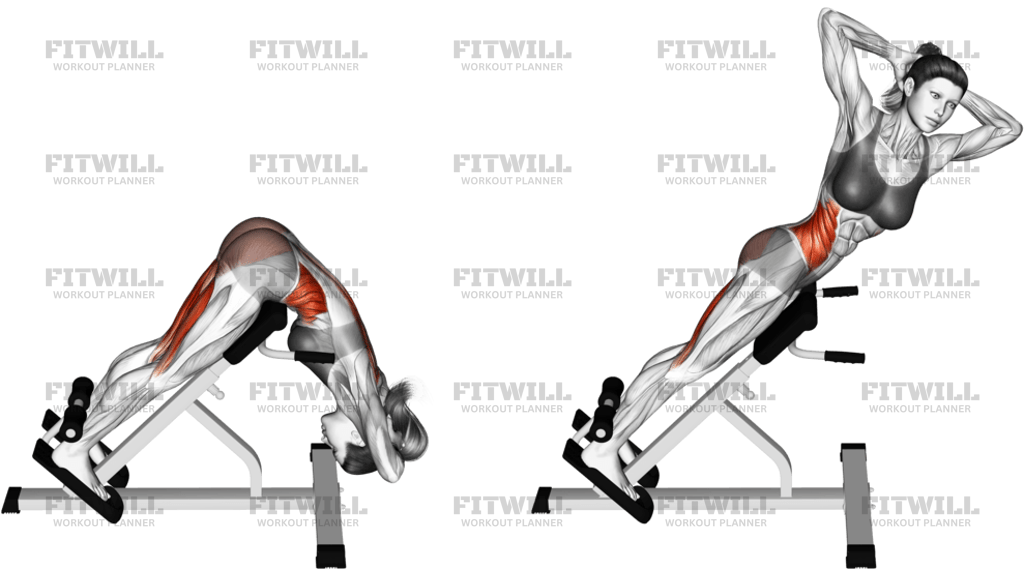
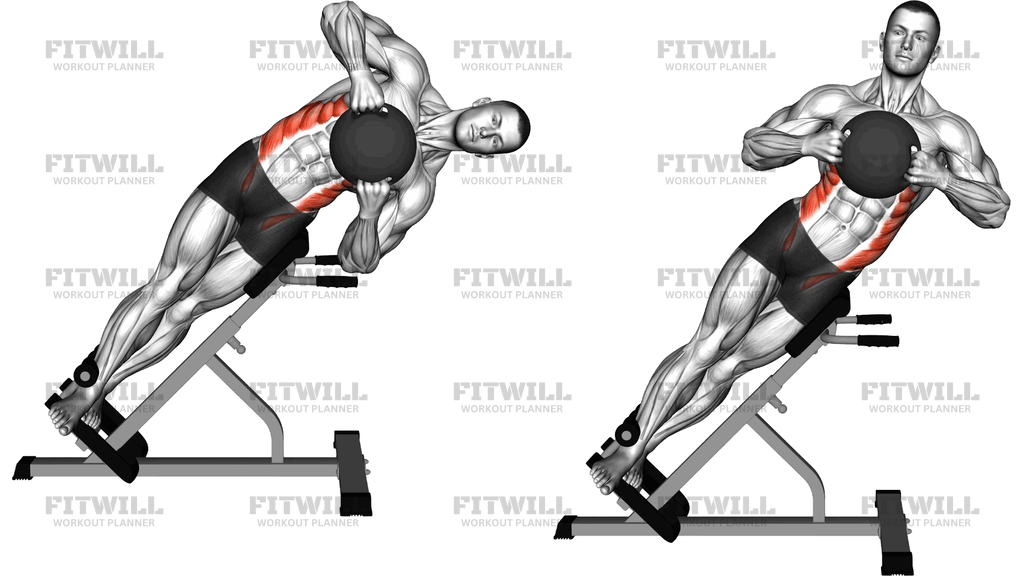
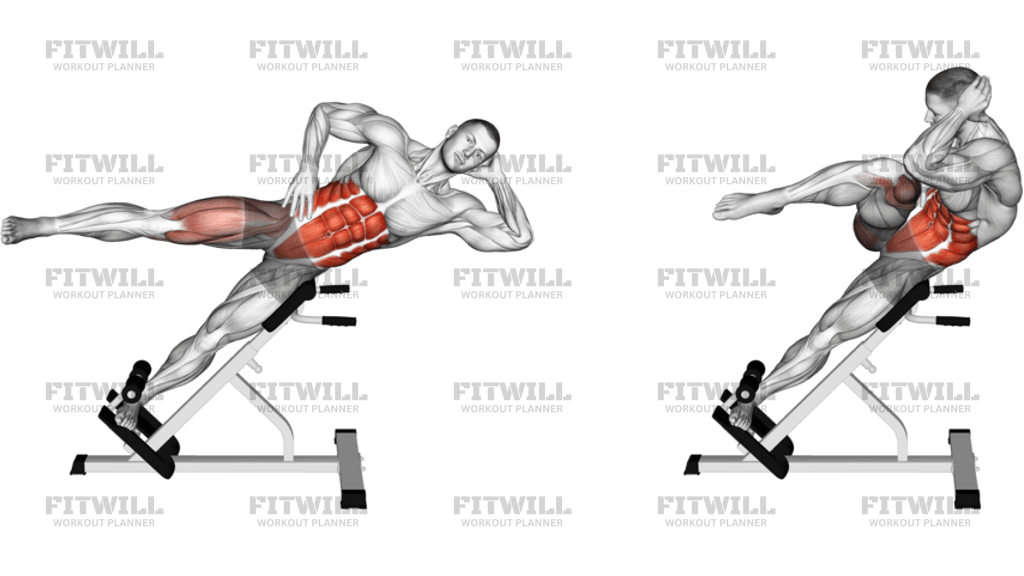
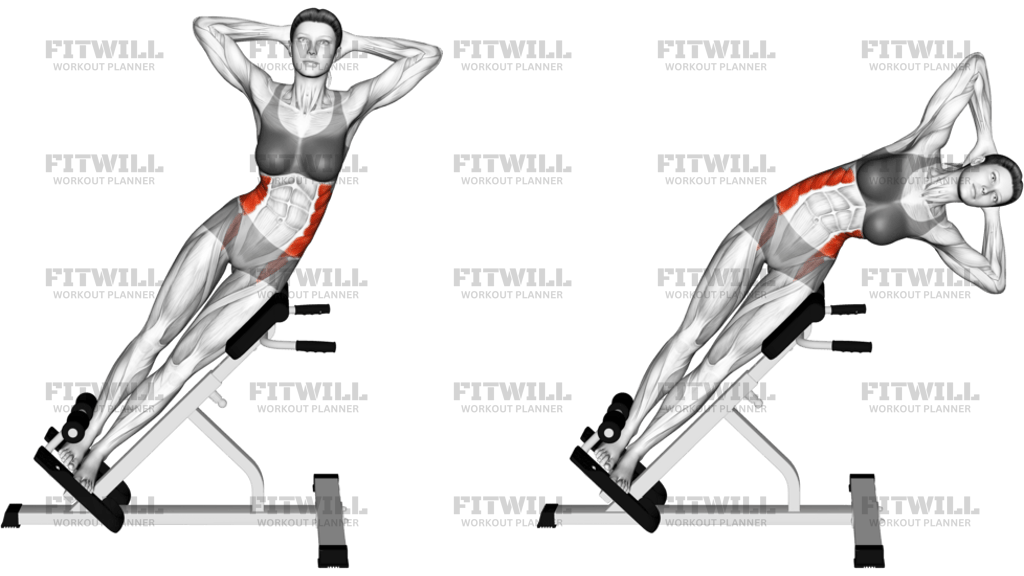
Roman Chair 45 Degree Side Bend
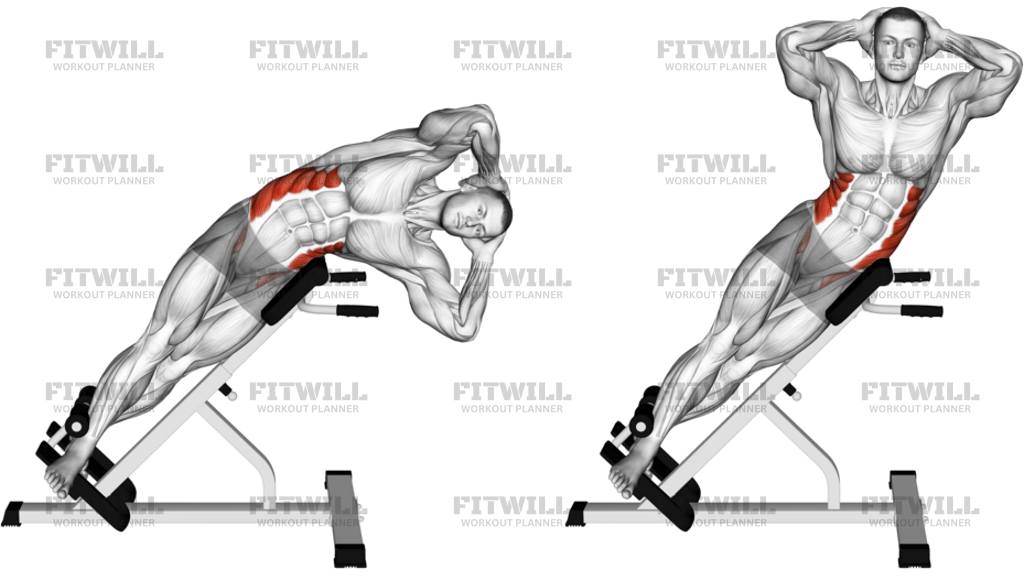
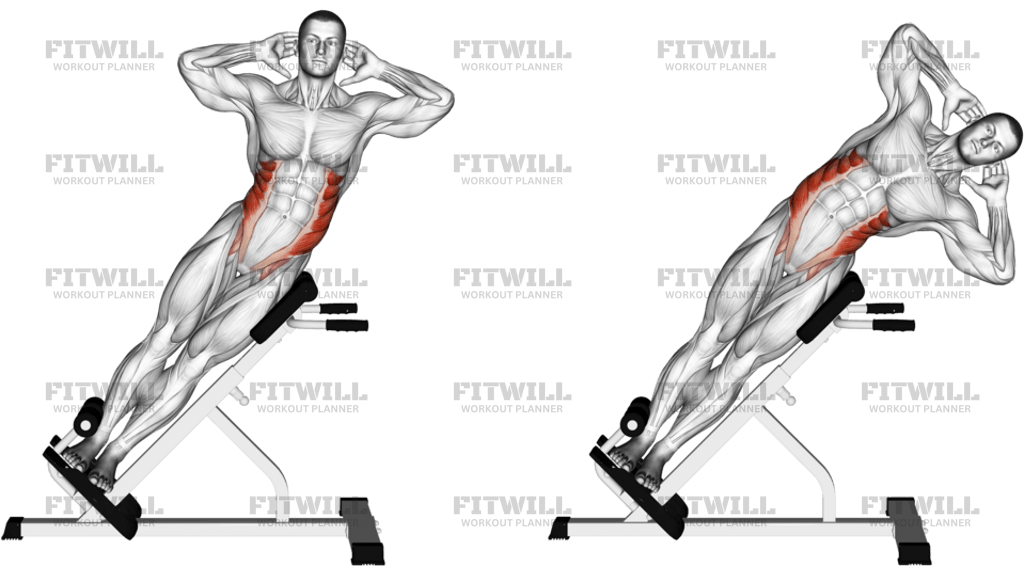
The Roman Chair 45 Degree Side Bend is a body-weight core exercise that trains the side of the waist through controlled lateral flexion. By setting up sideways on a 45-degree Roman chair, your hips and lower body stay anchored while the torso bends and lifts against gravity. This makes the movement useful for developing oblique strength, side-waist control, and better awareness of how the trunk moves without relying on twisting or momentum.
The main target is the obliques, with support from the quadratus lumborum, spinal erectors, and other deep trunk muscles that help stabilize the lower back. Although the lower back assists, this should not feel like a heavy back extension or a loose swinging motion. The best reps are driven by the side of the waist shortening to bring the torso back into line, while the rest of the body stays organized and steady.
Good setup is the difference between a clean side bend and an awkward hip or shoulder movement. Position one hip securely on the pad, lock the feet in place, and line up the body from ankles to head before you begin. Keep the hands lightly behind the head or across the chest, brace gently, and avoid using the arms or shoulders to yank yourself through the range.
Lower the torso sideways only as far as you can control while maintaining a long body line. You should feel a stretch through the upper side of the waist at the bottom, then lift by contracting the obliques rather than twisting the chest or overextending at the top. A brief pause when you return to alignment helps reinforce control and prevents the rep from turning into a bounce.
This exercise fits well after larger strength lifts, in a dedicated core session, or as part of a balanced waist routine that also includes anti-extension and anti-rotation work. Start with body weight and a smaller range of motion until the setup feels stable and pain-free. Once you can complete smooth reps on both sides, you can progress gradually with a light plate or dumbbell, but only if the extra load does not make you twist or drop too low.
Common mistakes include rotating the torso, collapsing into the bottom position, moving too quickly, or adding weight before the body-weight version is consistent. Keep the neck neutral, shoulders relaxed, and movement strictly sideways from start to finish. Complete all reps on one side before switching, and stop the set if you can no longer return to the top with clean control.
[ Workout Log & Planner ]
Put your next workout in Fitwill
Keep your plan and training log ready when you are.


Instructions
- Set the Roman chair to a comfortable 45-degree angle if it is adjustable.
- Position yourself sideways with your hip resting on the pad and your feet secured.
- Keep your body in one long line from feet to head.
- Place your hands lightly behind your head or across your chest.
- Lower your torso sideways toward the floor under control.
- Use the muscles on the upper side of your waist to raise your torso back to line.
- Pause briefly at the top without overextending.
- Complete all reps on one side, then switch sides.
Tips & Tricks
- Keep the movement strictly sideways instead of twisting your torso.
- Do not drop too low if you cannot return with control.
- Brace lightly before each rep to protect the lower back.
- Keep your neck neutral and your shoulders relaxed.
- Use a smaller range of motion until the setup feels stable.
- Add load only after bodyweight reps feel smooth and pain-free.
- Keep your top hip stacked over the bottom hip so the Roman chair pad supports your pelvis rather than your ribs.
- Think about lifting your ribs away from your hip on the way down, then shortening that same side to return to the top.
Frequently Asked Questions
What muscles does the Roman Chair 45 Degree Side Bend target?
It primarily targets the obliques, with help from the quadratus lumborum and spinal erectors.
Is Roman Chair 45 Degree Side Bend a lower-back exercise?
The lower back helps stabilize, but the main goal is side-waist strength through the obliques.
Should I hold a weight?
Start with bodyweight. Add a small plate or dumbbell only when you can control the full range without twisting.
How low should I go?
Lower until you feel a controlled stretch through the side of your waist, then return without using momentum.
Can Roman Chair 45 Degree Side Bend help with core stability?
Yes. It strengthens the muscles that resist and control side bending, which supports better trunk stability.
Where should the Roman chair pad sit for this side bend?
The pad should support the side of your hip and upper thigh, not your ribs. That position lets your torso bend freely while your lower body stays anchored.
Should I twist during the Roman Chair 45 Degree Side Bend?
No. Keep your chest facing forward and bend directly sideways so the obliques do the work instead of turning the exercise into a rotation.
Why do I feel the Roman Chair 45 Degree Side Bend in my lower back?
Some lower-back stabilization is normal, but sharp or dominant back strain usually means you are dropping too low, twisting, or overextending at the top. Shorten the range and keep the motion strictly sideways.