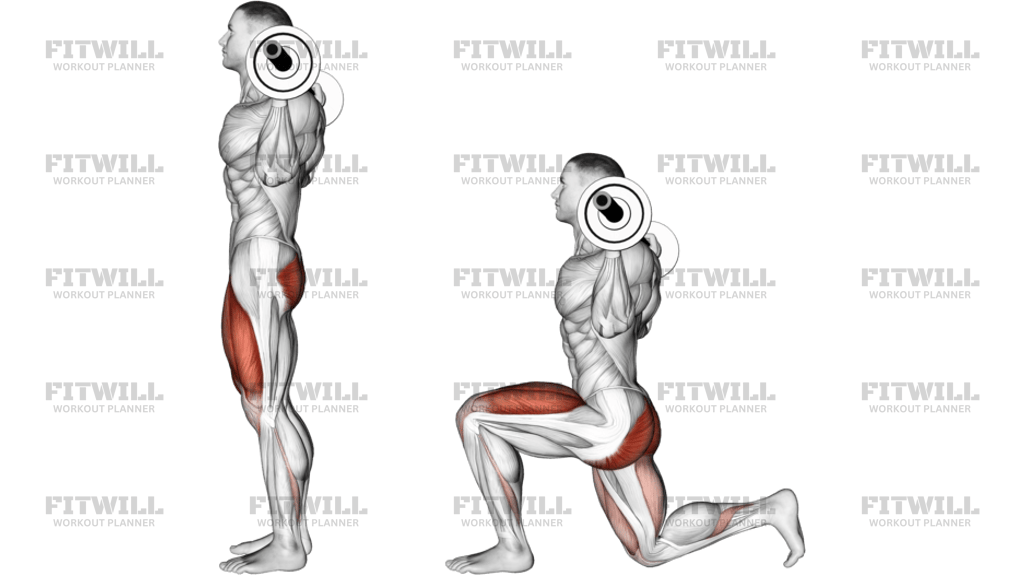
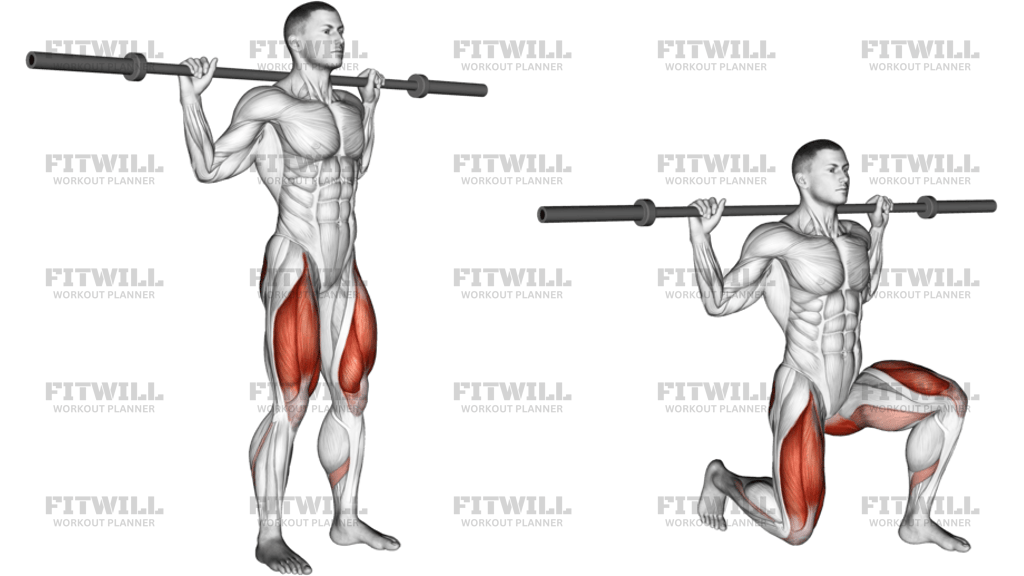
Barbell Narrow Stance Squat
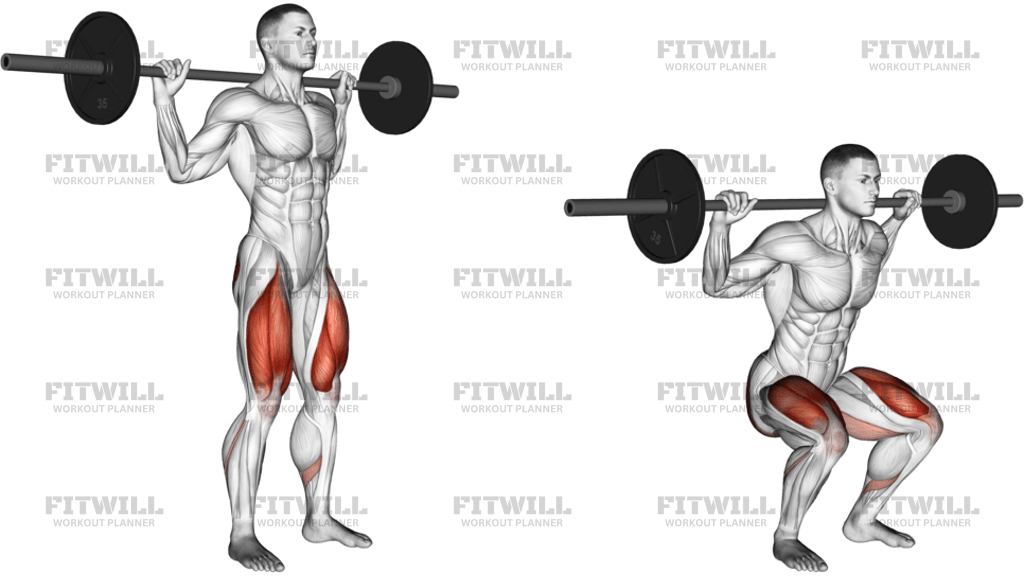
Barbell Narrow Stance Squat is an exercise for legs, glutes, and core that uses barbell to build useful training quality through controlled movement. The Barbell Narrow Stance Squat is a squat variation performed with the feet closer together than a standard squat. The main goal is to perform each repetition with enough control that the target area, posture, and breathing stay consistent from the first rep to the last.
The primary emphasis is glutes, while quads, hamstrings, calves, and core assist with stability and clean execution. In anatomy terms, the main work centers on the Gluteus maximus, with help from Quadriceps femoris, hamstrings, Gastrocnemius, and Rectus abdominis. It can feel harder because the stance limits hip movement and demands more ankle and knee control.
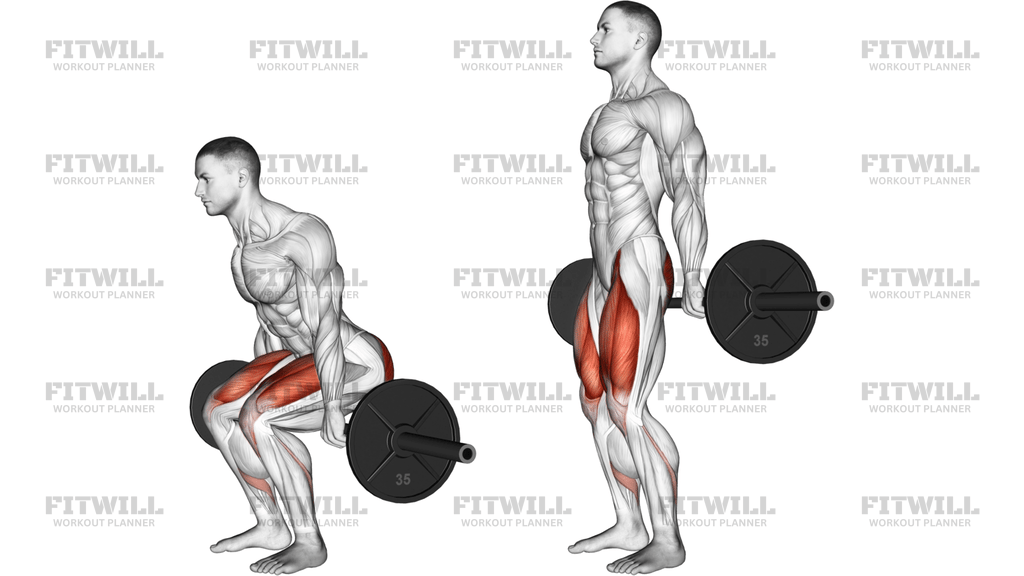
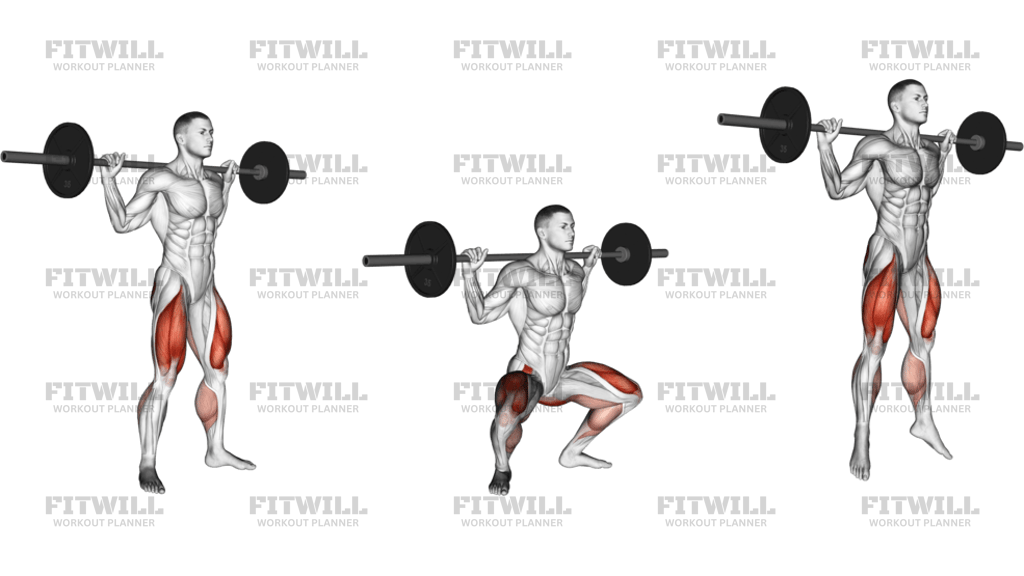
A strong set starts with the setup, because the starting position determines whether the rest of the repetition feels stable or rushed. Place the barbell across your upper back and stand with your feet narrower than shoulder width. Brace your core and keep your chest lifted. Bend your knees and hips to squat down while keeping your heels on the floor. Keep the body organized before you move so the working muscles can guide the exercise instead of momentum taking over.
During the repetition, use the instructions as direct coaching cues rather than trying to force a bigger range than you can control. Lower until you reach a controlled depth with the knees tracking over the toes. Drive through your feet to stand tall and squeeze the glutes at the top. Drive through your feet to stand tall and squeeze the glutes at the top.
The best training effect comes from clean, repeatable reps rather than rushing for a higher count. Start lighter than your regular squat while you adjust to the narrow stance. Keep your knees moving in the same direction as your toes. Do not let your heels lift at the bottom. Brace before each rep to keep the bar stable.
Use Barbell Narrow Stance Squat in the part of the workout where focused technique and controlled tension fit your goal, such as a warmup, accessory block, core session, or targeted strength circuit. Use weightlifting shoes or a small heel elevation only if it helps you stay controlled. It trains the glutes and quads strongly, with support from the hamstrings, calves, and core. Use a stance that is narrower than normal but still lets you squat without heel lift, knee collapse, or hip discomfort.
[ Workout Log & Planner ]
Put your next workout in Fitwill
Keep your plan and training log ready when you are.


Instructions
- Place the barbell across your upper back and stand with your feet narrower than shoulder width.
- Brace your core and keep your chest lifted.
- Bend your knees and hips to squat down while keeping your heels on the floor.
- Lower until you reach a controlled depth with the knees tracking over the toes.
- Keep the bar over the middle of your feet as your knees travel forward.
- Drive through your feet to stand tall and squeeze the glutes at the top.
- Reset your breath and brace before the next rep.
- Stop the set if the narrow stance makes your knees cave inward or heels lift.
Tips & Tricks
- Start lighter than your regular squat while you adjust to the narrow stance.
- Keep your knees moving in the same direction as your toes.
- Do not let your heels lift at the bottom.
- Brace before each rep to keep the bar stable.
- Use weightlifting shoes or a small heel elevation only if it helps you stay controlled.
- Keep your stance narrow, not forced together; your hips and ankles still need room to move.
- Use a slower descent until you know where your knees and heels stay stable.
- Reduce depth if the narrow stance causes lower-back rounding.
Frequently Asked Questions
Is a narrow stance squat harder?
It can feel harder because the stance limits hip movement and demands more ankle and knee control.
What muscles does it work?
It trains the glutes and quads strongly, with support from the hamstrings, calves, and core.
How narrow should my feet be?
Use a stance that is narrower than normal but still lets you squat without heel lift, knee collapse, or hip discomfort.
Should my knees travel forward in Barbell Narrow Stance Squat?
Yes, some forward knee travel is normal with a narrow stance. Keep the heels down and knees tracking with the toes.
Why do my heels lift in a narrow stance squat?
The stance may require more ankle mobility than you have. Use a slightly wider stance, reduce depth, or use lifting shoes if they help control the squat.
Is Barbell Narrow Stance Squat good for quads?
Yes. The narrower stance and upright position often increase quad demand, while the glutes and core still assist.
Can beginners do Barbell Narrow Stance Squat?
Beginners should first learn a comfortable regular squat, then try a slightly narrower stance with light weight.