Barbell Wide Squat
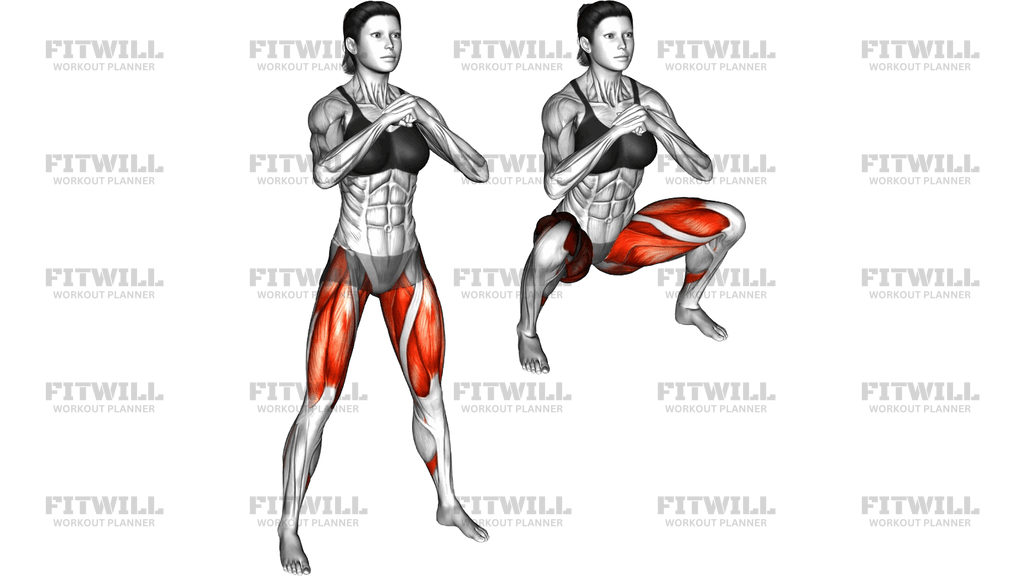
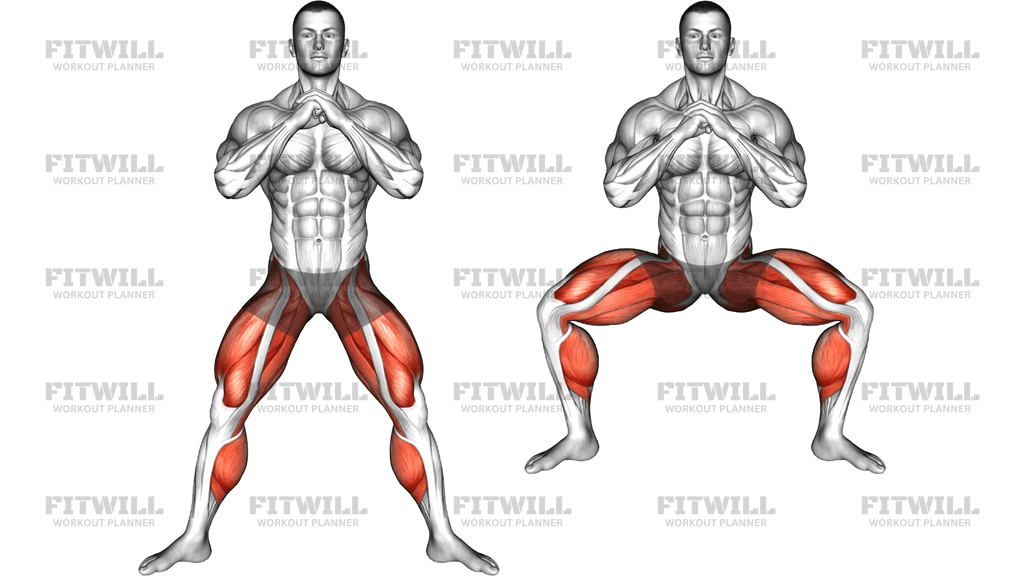
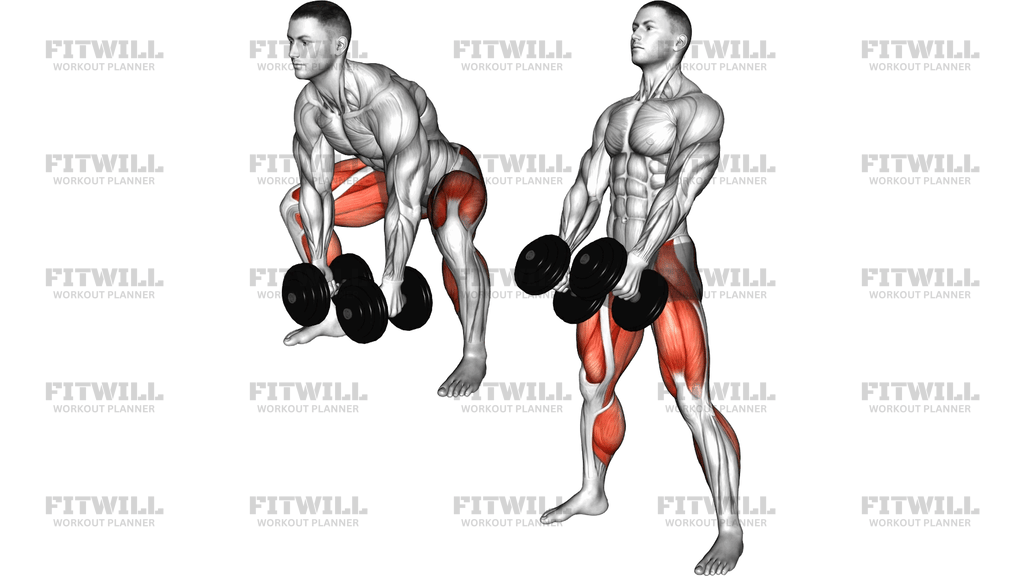
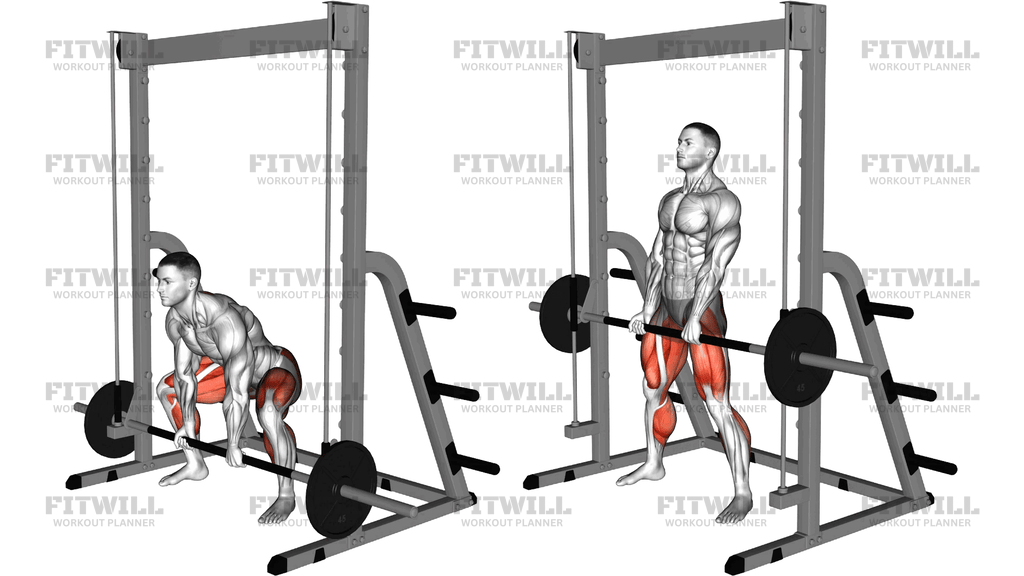
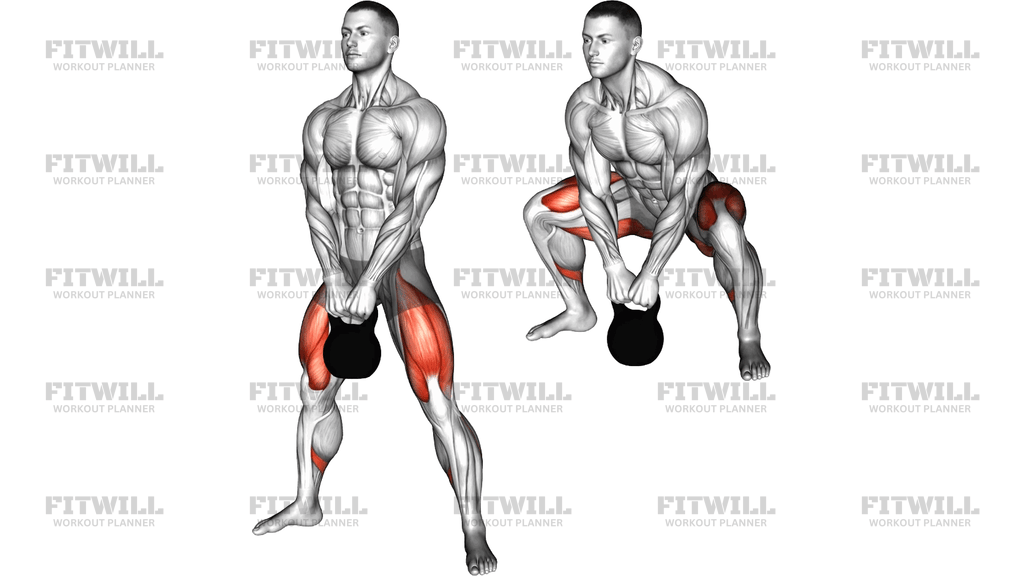
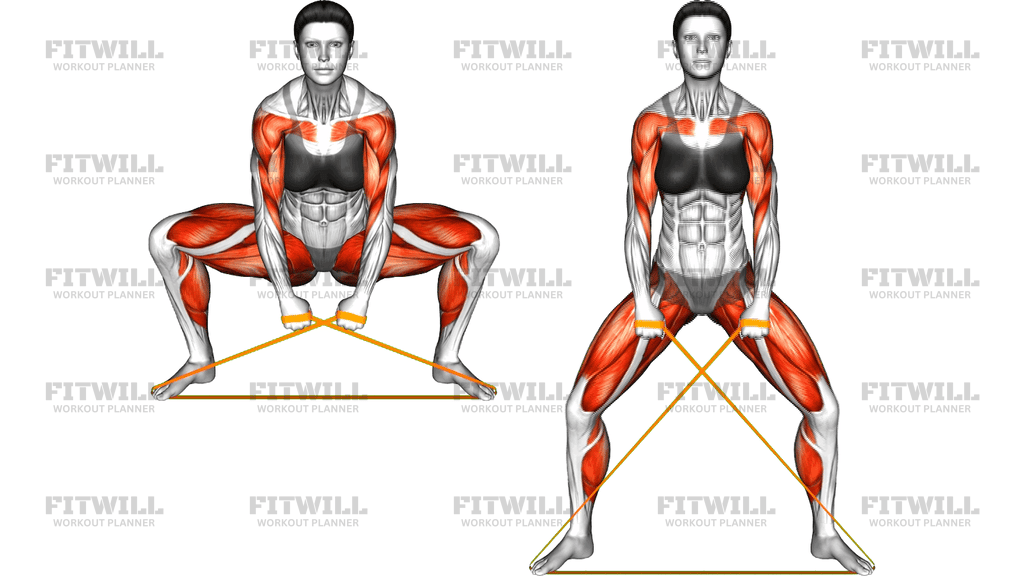
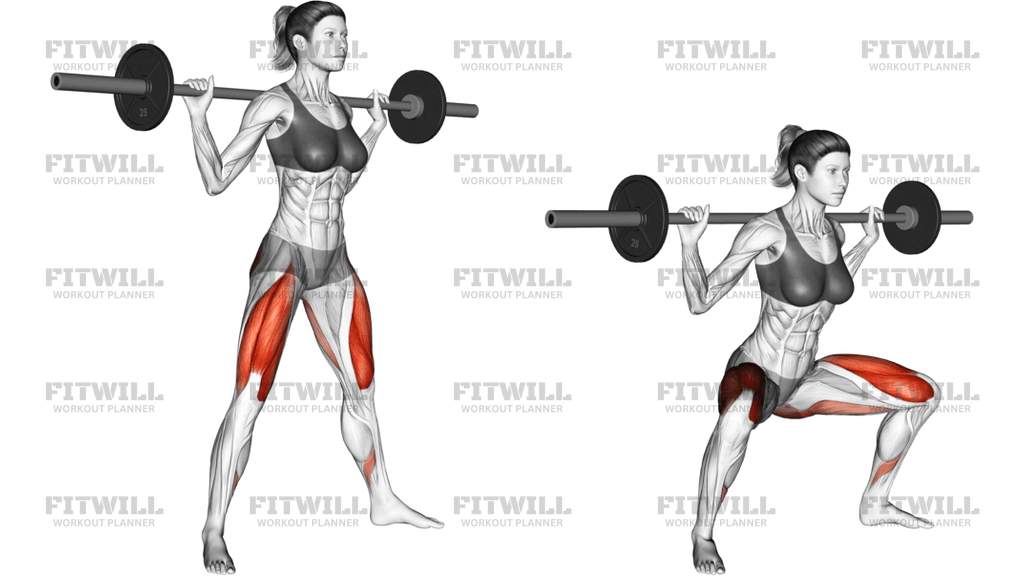
Barbell Wide Squat is a wide-stance back squat built around a barbell resting across the upper back. The image shows a lifter using a broad base, turned-out toes, and a deep sitting motion that keeps the bar stable while the hips and knees bend together. This setup changes the feel of the squat compared with a narrow stance: the thighs still work hard, but the inner thighs, glutes, and trunk have to help control the wider track of the legs.
The exercise is most useful when you want a squat pattern that emphasizes lower-body strength with a strong stability demand. The wider stance usually lets many lifters stay balanced in the bottom position, but it also makes the setup more important. Foot width, toe angle, bar placement, and bracing all affect whether the rep feels smooth or strained. If the stance is too wide, the knees and hips can feel jammed; if it is too narrow, the movement stops feeling like the wide squat shown in the image.
In practice, the bar should stay centered over the midfoot while the chest stays tall enough to keep the back from folding. Descend by sitting the hips down between the thighs, then drive upward by pressing the feet into the floor and pushing the knees out in line with the toes. The depth should come from control, not from collapsing into the bottom. A clean rep looks deliberate on the way down, controlled at the turn, and forceful on the way up.
This movement fits lower-body strength work, quad-focused training, and sessions where you want the hips and adductors involved without turning the exercise into a hinge. It can be a strong choice for intermediate lifters who already squat comfortably and want a stance variation that changes loading and mechanics. Start with a conservative load, because the wide base and bar-on-back position make small setup errors feel bigger as soon as the weight rises.
For safety and quality, keep the bar firmly anchored on the upper back, keep the heels planted, and use a depth you can repeat without shifting onto the toes or letting the knees cave inward. The best reps look the same from the first to the last: stable feet, controlled depth, and a strong drive back to standing.
[ Workout Log & Planner ]
Put your next workout in Fitwill
Keep your plan and training log ready when you are.


Instructions
- Set a barbell across your upper back and unrack it with your feet set a little wider than shoulder-width, toes turned out.
- Step back to a stable stance, spread the floor with both feet, and keep your weight centered over the midfoot.
- Take a breath into your belly and brace your trunk before you start the descent.
- Sit your hips down between your thighs while the knees track out in line with your toes.
- Keep your chest lifted and the bar stacked over the middle of your feet as you lower under control.
- Descend until your thighs reach the depth you can control without losing foot pressure or spinal position.
- Drive up by pushing the floor away, keeping the knees out and the bar path steady.
- Exhale near the top, fully stand tall, and reset your breath before the next rep.
Tips & Tricks
- A slightly wider-than-shoulder stance usually feels more natural than forcing an extremely wide sumo position.
- Turn the toes out just enough that the knees can track over them without the arches collapsing.
- Keep the bar high and tight across the upper back; if it rolls, the torso will pitch forward.
- Think about sitting down between your heels, not tipping your torso forward to reach depth.
- If your heels lift, shorten the depth or narrow the stance before adding more load.
- The wide stance should feel demanding in the thighs, glutes, and inner thighs, not painful in the hips.
- Pause for a split second only if you can keep tension and foot pressure; do not relax in the bottom.
- Use smaller jumps in load than you would for a narrow squat because stance changes mechanics quickly.
- Stop the set when the knees start caving, the chest drops hard, or the bar drifts forward.
Frequently Asked Questions
What muscles does Barbell Wide Squat work most?
It mainly trains the quads, glutes, and inner thighs, with the core and upper back helping keep the bar steady.
Why use a wide stance instead of a regular squat stance?
The wider base changes the squat mechanics and usually shifts more work to the hips and adductors while still training the thighs hard.
Where should the bar sit for this squat?
Rest it across the upper back, on the traps or rear delts, so it stays pinned while you descend and drive back up.
How wide should my feet be?
Start a little wider than shoulder-width and adjust until you can keep the knees tracking with the toes and the feet flat.
How deep should I go?
Go as deep as you can while keeping the bar path stable, the heels down, and the knees from collapsing inward.
Is this a good exercise for beginners?
It can be, but only if the lifter already understands basic squat bracing and can keep the bar balanced with a light load.
What is the most common mistake with this movement?
The biggest issue is letting the knees cave in or letting the chest collapse as the lifter tries to force a deeper squat.
Can I use this in place of a normal back squat?
Yes, but treat it as a variation with slightly different mechanics, so build the load up separately from your regular squat.