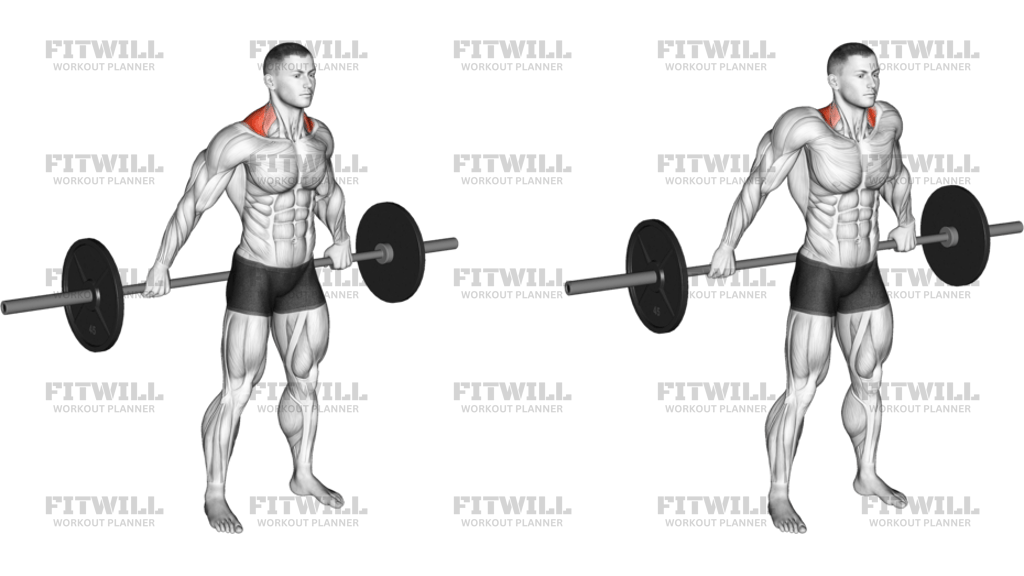
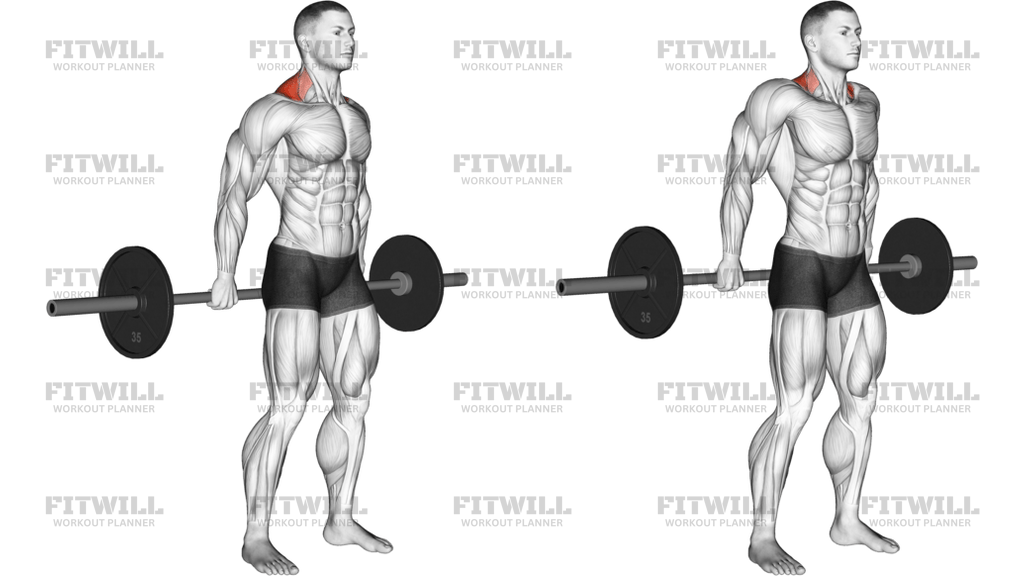
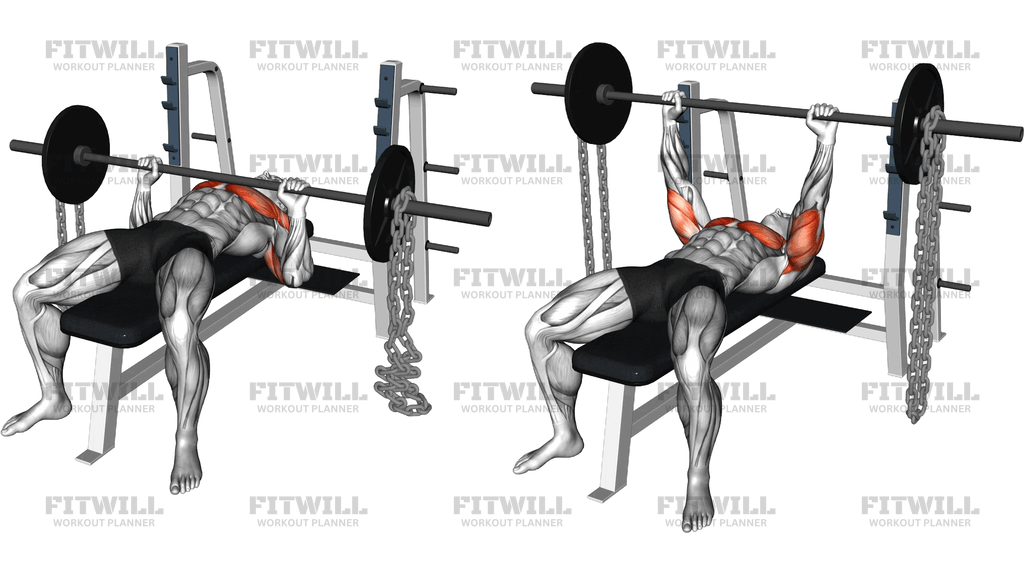
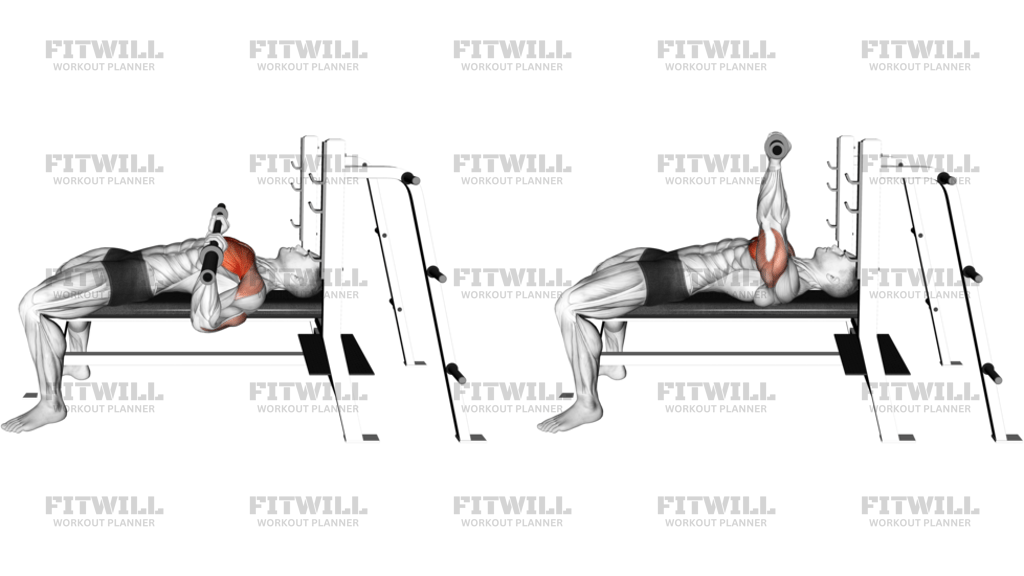
Barbell Standing Ab Rollout
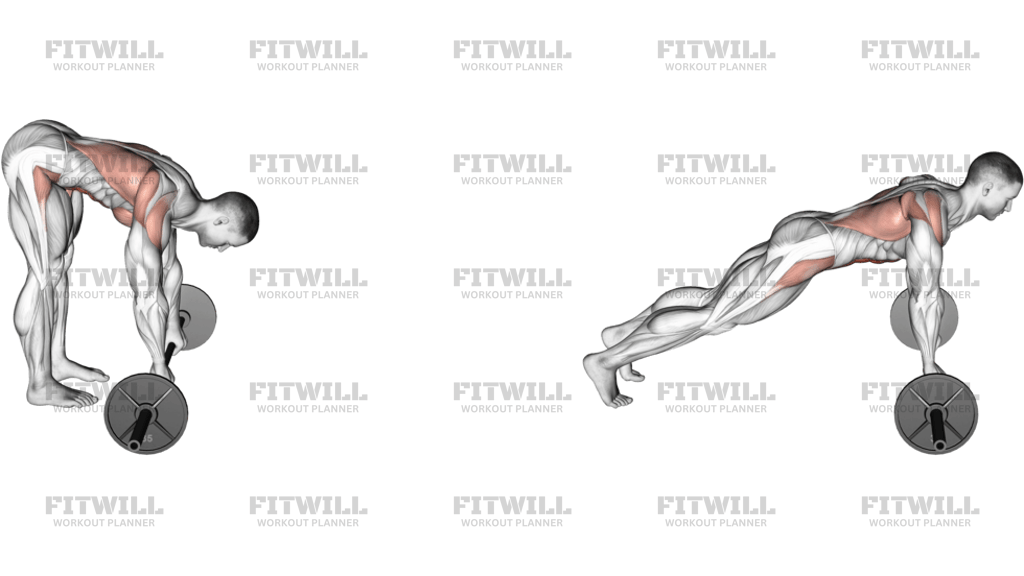
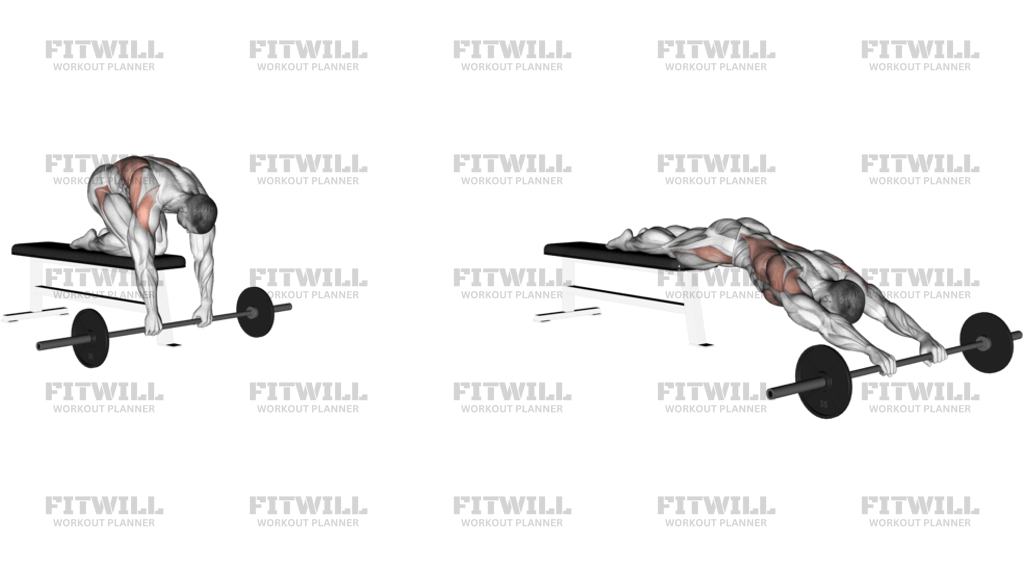
The Barbell Standing Ab Rollout is an advanced rollout variation performed from the feet with a barbell on the floor. The bar acts like an ab wheel: as it rolls forward, your body lengthens into a long lever and the abs, lats, shoulders, and hip flexors work together to stop the lower back from sagging.
Although the lats help pull the bar back and control the shoulder angle, the exercise is brutally demanding on the anterior core. The standing start makes it much harder than a kneeling rollout because the body travels farther and the leverage is longer. It should be trained only after kneeling rollouts are strong and consistent.
Begin with the barbell on the floor in front of your feet, hands on the bar, hips high enough to keep tension through the trunk. Roll forward slowly with straight arms, keeping the ribs tucked and glutes lightly squeezed. Stop before the spine loses position, then use the abs and lats to pull the bar back under control.
Use this exercise for high-level core strength, anti-extension control, and straight-arm lat tension. Short, clean reps are better than long reps that collapse. If you cannot reverse the rollout without bending the elbows, piking sharply, or feeling the lower back, shorten the range or return to kneeling rollouts.
[ Workout Log & Planner ]
Put your next workout in Fitwill
Keep your plan and training log ready when you are.


Instructions
- Place a barbell with round plates on the floor in front of your feet.
- Stand with your feet about hip width and hinge down to grip the bar slightly wider than shoulder width.
- Brace your abs, tuck your ribs down, and keep your arms straight before the bar moves.
- Roll the bar forward slowly as your shoulders open and your body lengthens.
- Keep your glutes lightly squeezed so your hips and lower back do not sag toward the floor.
- Stop at the farthest point where you can still hold a solid trunk position.
- Pull the bar back by driving the hands toward your feet while the abs and lats stay tight.
- Return to the start under control and reset before the next rep.
Tips & Tricks
- Earn this variation with strong kneeling barbell rollouts first.
- Use small plates or a controlled surface that lets the bar roll smoothly without sliding.
- Start with partial-range standing reps and gradually extend farther only when you can return cleanly.
- Keep the elbows straight so the lats and abs control the long lever.
- Do not let the hips drop faster than the bar moves forward.
- Think zipper up through the front of the body to keep the ribs and pelvis connected.
- Stop the set immediately if the lower back feels like the main working area.
- Use fewer reps with full control rather than high reps that turn into bent-arm pullbacks.
Frequently Asked Questions
Is the standing ab rollout advanced?
Yes. It is significantly harder than the kneeling version and requires strong core control.
Why are the lats listed as the main muscle?
The lats help control and pull the bar through the long straight-arm path, while the abs stabilize the trunk.
How far should I roll out?
Only roll as far as you can return while keeping your spine and hips controlled.
Why use a barbell for standing rollouts?
The barbell can roll like an ab wheel while giving you a wider hand position and a stable grip.
Should my elbows bend on the way back?
No. Keep the arms straight so the abs, lats, and shoulders control the rollout instead of turning it into a pull.
What should I do if my lower back sags?
Shorten the rollout immediately or switch to kneeling rollouts. Sagging means the range is beyond your current core control.
Can beginners do the standing version?
Usually no. Beginners should start with planks, stability ball rollouts, or kneeling barbell rollouts.
Where should I feel Barbell Standing Ab Rollouts?
You should feel strong tension through the abs with support from the lats and shoulders, not sharp pressure in the lower back.