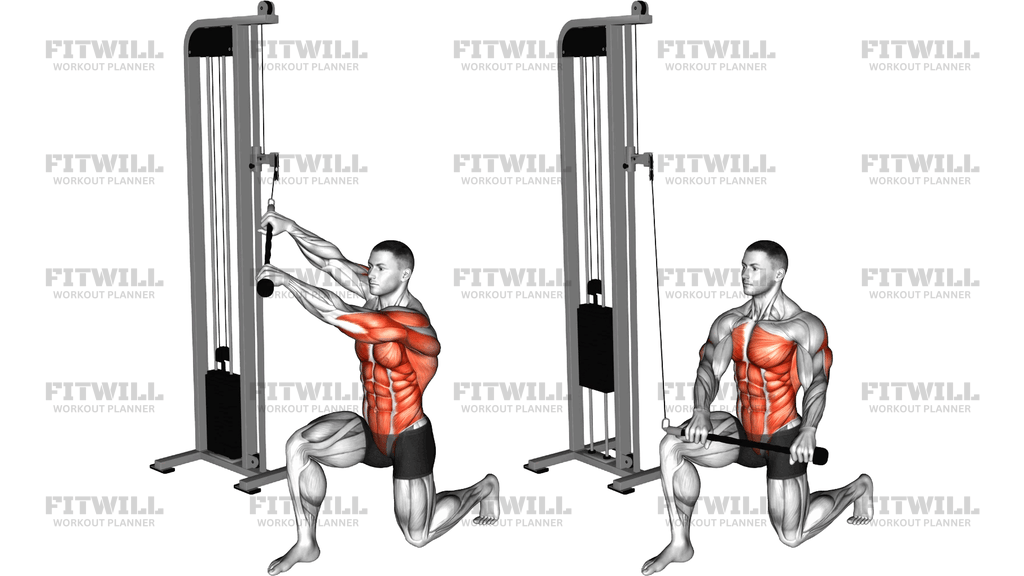
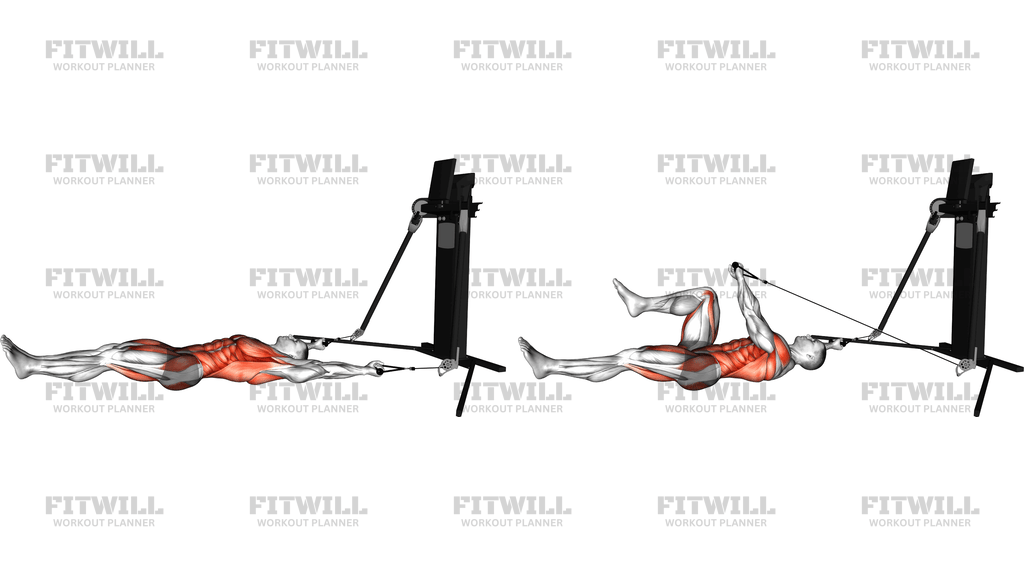
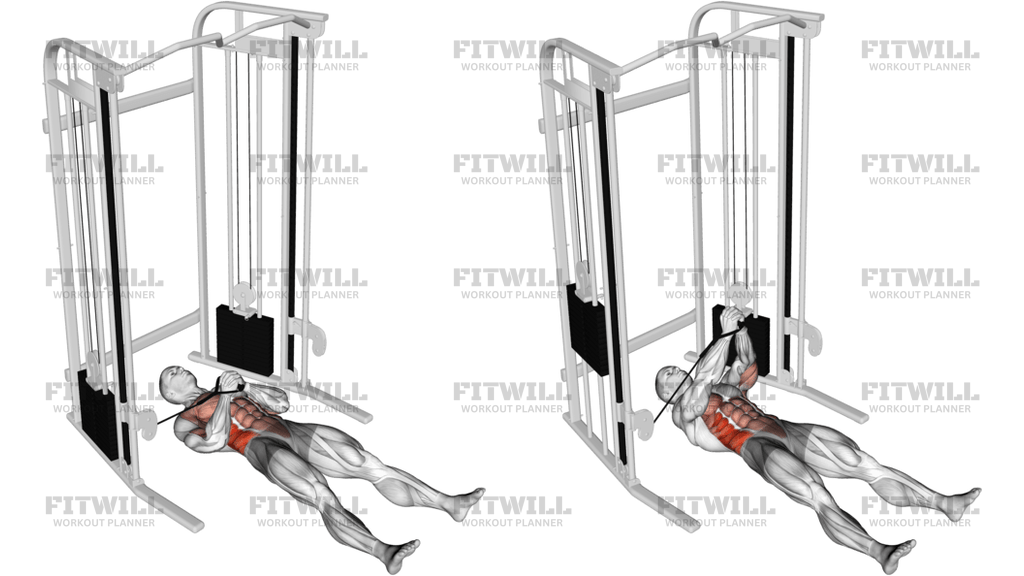
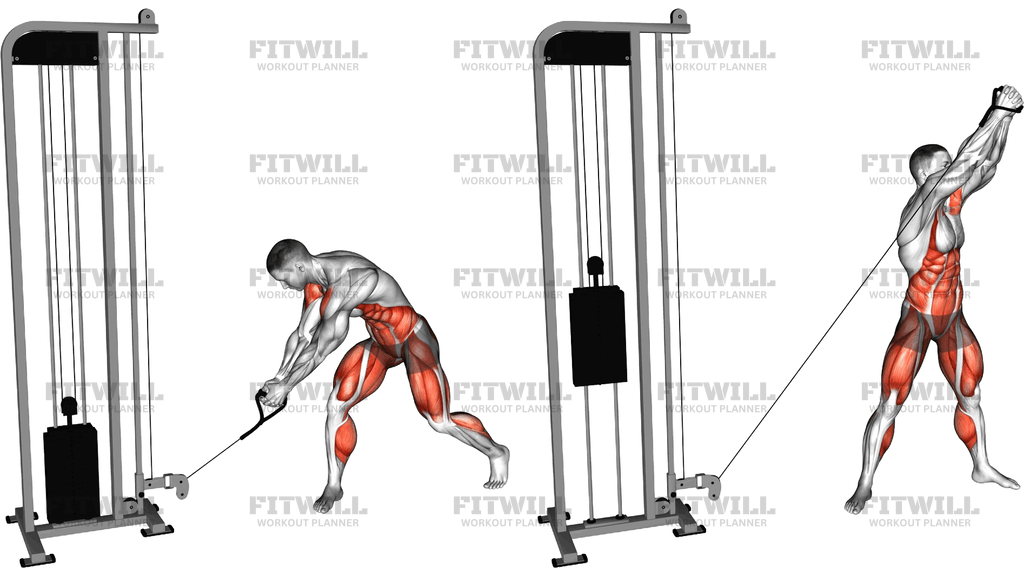
Cable Judo Flip
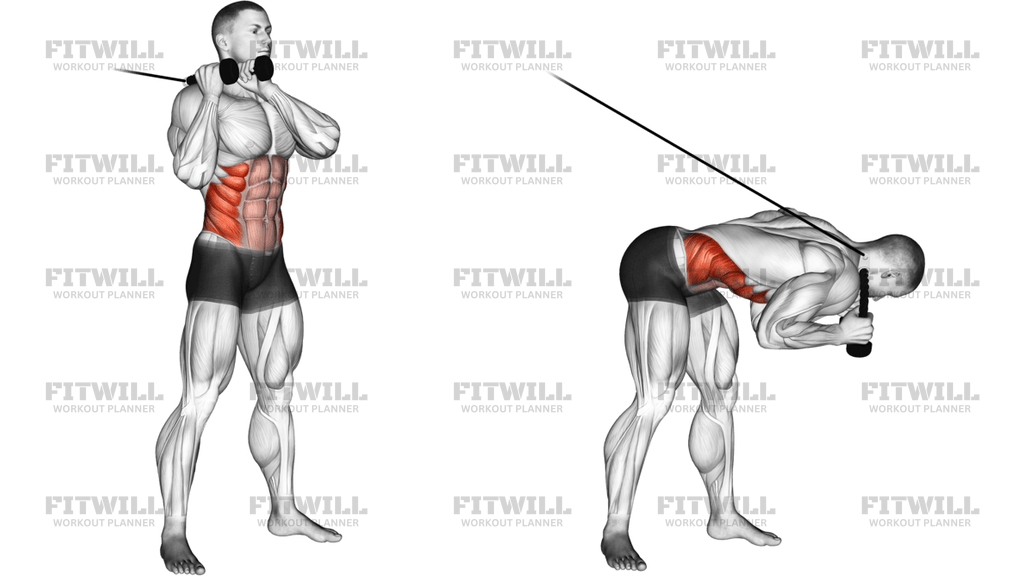
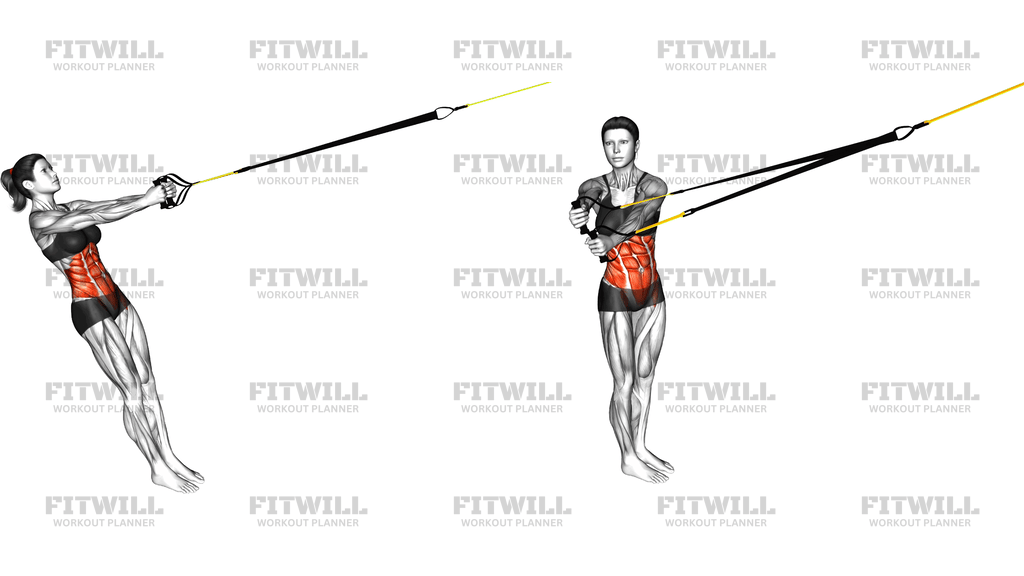
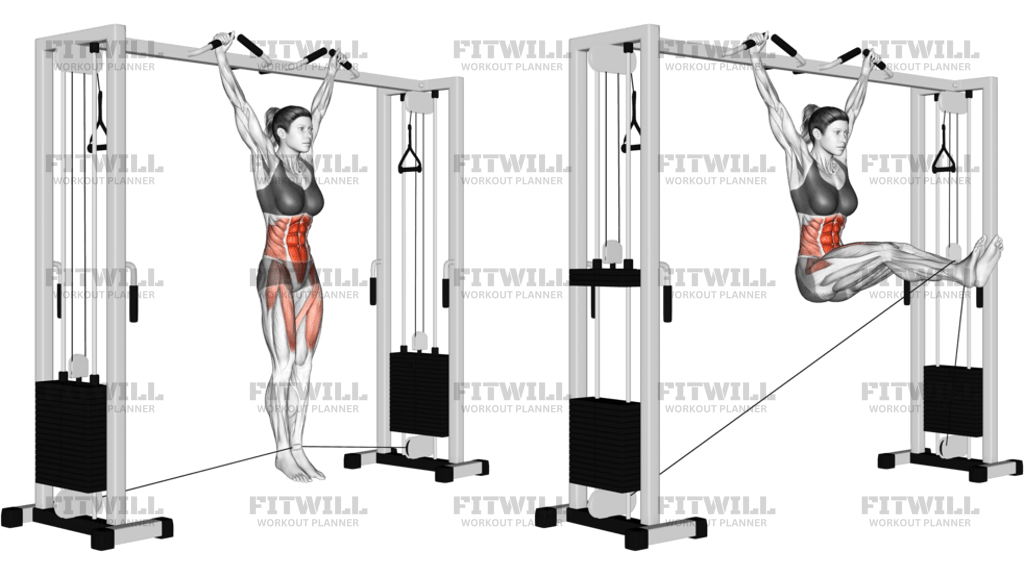
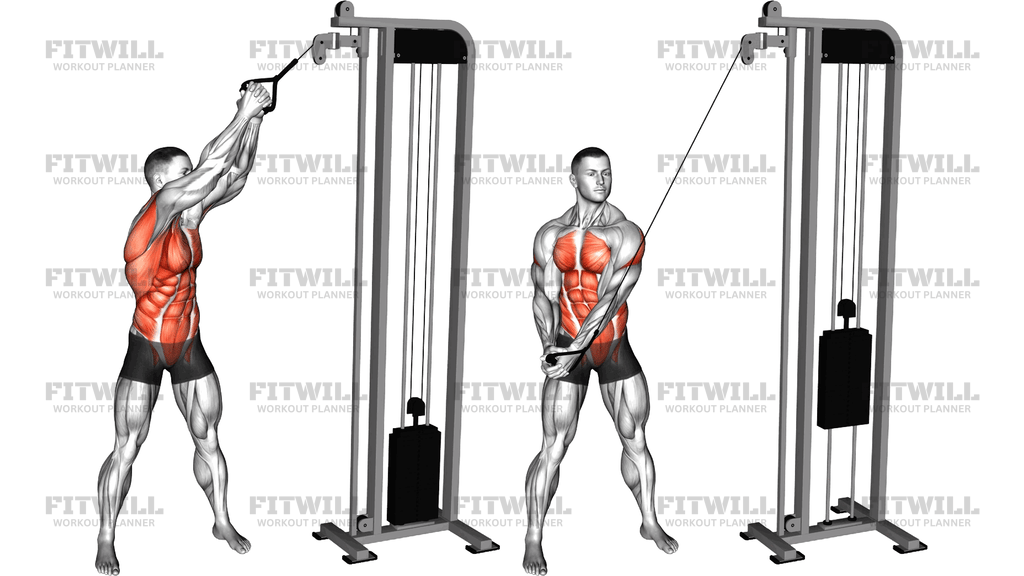
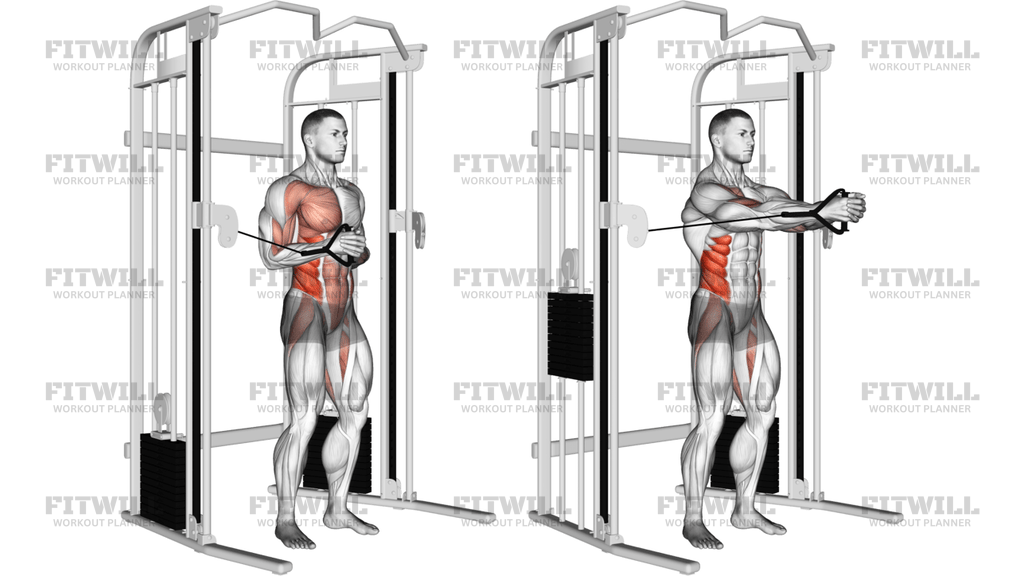
Cable Judo Flip is a rotational cable core exercise that uses a diagonal pulling pattern to train the obliques, hips, and trunk together. The movement looks athletic for a reason: the handle travels across the body while the feet and hips pivot just enough to let the torso rotate without forcing the lower back to do the whole job.
The main value of the exercise is the combination of rotation and controlled deceleration. When the rib cage, pelvis, and hips stay coordinated, the obliques can drive the turn and then slow the return in a smooth, repeatable way. That makes Cable Judo Flip useful for core strength, rotational control, and sports-style movement preparation where the body needs to turn under load without getting sloppy.
Set the cable to a height that lines up with the intended diagonal path and stand in an athletic stance with enough space to rotate freely. Start with a slight torso turn and a firm grip on the handle, then sweep the cable across the body in a controlled arc. The motion should feel like a powerful but organized flip through the torso, with the feet and hips allowed to pivot naturally so the lower back does not become the brake pedal.
Cable Judo Flip works well in core blocks, rotational training sessions, or athletic accessory work where you want a standing cable pattern that is more dynamic than a standard chop. The exercise is demanding because timing matters: the pull, turn, and stop all need to happen with control. Clean reps are crisp, balanced, and repeatable, with no jerking off the start and no uncontrolled rebound on the way back.
If the movement feels rushed, reduce the load and keep the range smaller until the path stays smooth. The goal is a controlled diagonal turn through the trunk, not a hard twist from the low back.
Fitwill
Log Workouts, Track Progress & Build Strength.
Achieve more with Fitwill: explore over 9600 exercises with images and videos, access built-in and custom workouts, perfect for both gym and home sessions, and see real results.
Start your journey. Download today!




Instructions
- Set the cable to a height that matches the diagonal path you want the handle to travel.
- Stand in an athletic stance with soft knees and enough space to rotate without losing balance.
- Grip the handle firmly and start with a small torso turn so the movement begins from a loaded, organized position.
- Brace your core before each rep so the ribs and pelvis stay connected as you move.
- Drive the handle across your body in a smooth diagonal arc while allowing the feet and hips to pivot naturally.
- Finish the rep with controlled deceleration instead of snapping the cable to a stop.
- Return to the start under control so the trunk resets before the next rep.
- Repeat on the same side or switch sides once the set is complete, keeping both directions matched.
Tips & Tricks
- If the lower back feels like it is doing all the twisting, reduce the load and let the hips pivot more freely.
- Keep the knees soft so the rotation feels athletic rather than locked and rigid.
- The handle should travel on a diagonal line, not in a straight pull, or the movement loses its rotational purpose.
- A controlled stop at the end is important; if the cable is yanking you back, the stack is too heavy.
- Exhale through the flip and inhale on the return so the trunk stays organized instead of bracing too hard.
- If balance is shaky, shorten the range before adding weight.
- Move both sides evenly so one direction does not become stronger or cleaner than the other.
- Think of the hips and shoulders turning together rather than forcing a twist only through the waist.
Frequently Asked Questions
What muscles does Cable Judo Flip work?
It mainly trains the obliques, with the abs, hips, and shoulders helping control the rotation.
Is Cable Judo Flip beginner friendly?
It can be learned by beginners, but the coordination demand is higher than a basic cable core exercise.
Should I pivot my feet during Cable Judo Flip?
Yes, a natural pivot usually helps the hips and spine rotate smoothly instead of forcing the twist into the lower back.
Can I go heavy on Cable Judo Flip?
Not at first; it works best when the load is light enough that you can control the turn and the return.
What if my back feels strained during Cable Judo Flip?
Reduce the range and load, and make sure the hips are helping the rotation instead of the lower back doing everything.
Why is it called Cable Judo Flip?
The diagonal turn and catch-like finish resemble the mechanics of a throw or flip pattern.
Where should I set the cable height?
Set it so the handle can travel on a comfortable diagonal line that matches your rotation path.