Cable Tuck Reverse Crunch
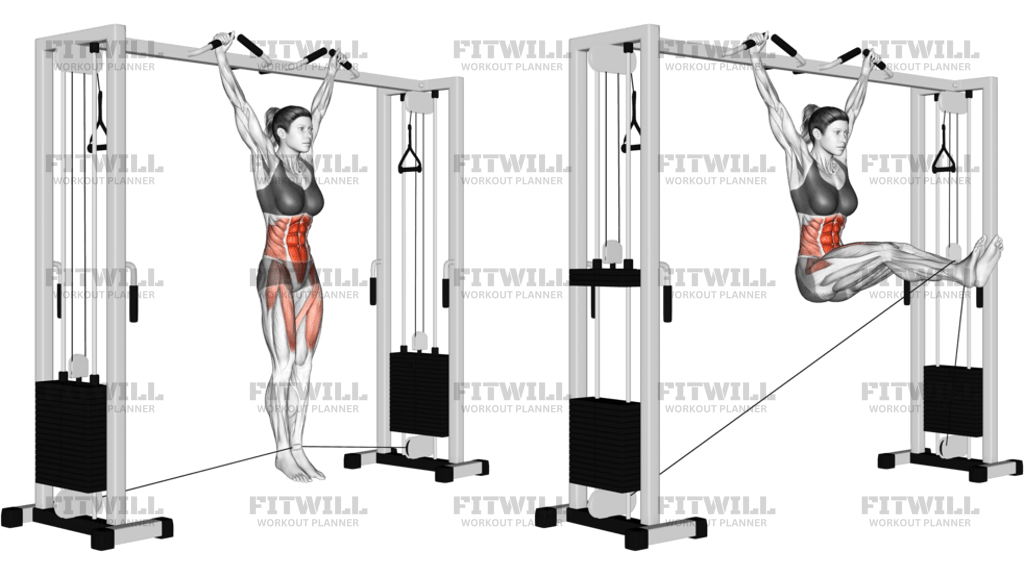
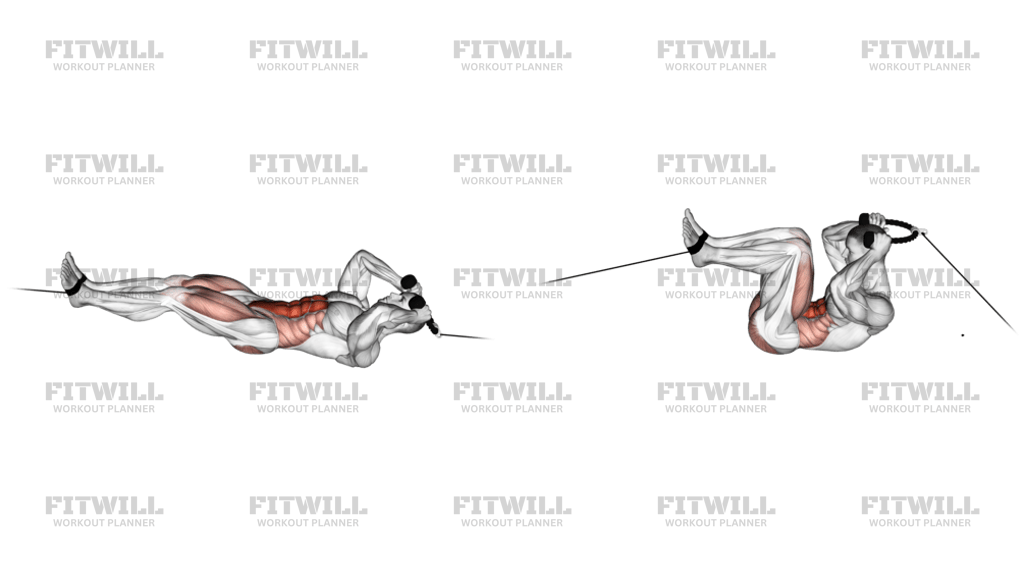
Cable Tuck Reverse Crunch is a lower-abdominal exercise built around posterior pelvic tilt and a compact tuck of the knees toward the torso. The cable adds consistent resistance, which makes the movement useful when you want the abs to do the curling rather than letting the hip flexors yank the legs around. The best reps feel controlled, tight, and focused on rolling the pelvis upward instead of swinging the legs.
The primary target is the rectus abdominis, especially the lower-ab emphasis that comes from curling the pelvis, with the external obliques, iliopsoas, and transversus abdominis helping stabilize the trunk. That means the real job is to flatten the low back, brace the core, and let the pelvis move while the neck stays relaxed. If the legs are doing all the lifting, the movement has drifted away from its intended pattern.
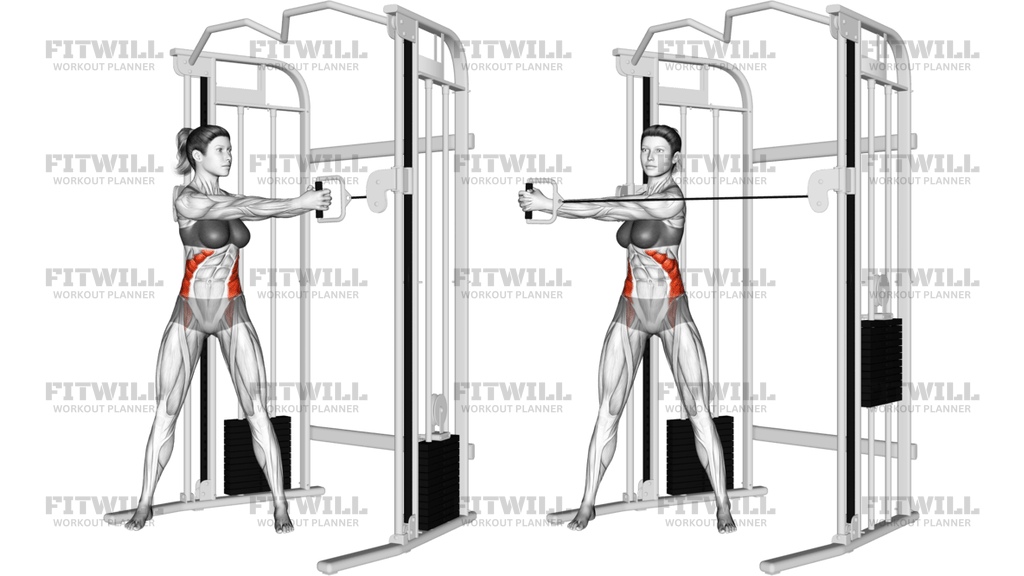
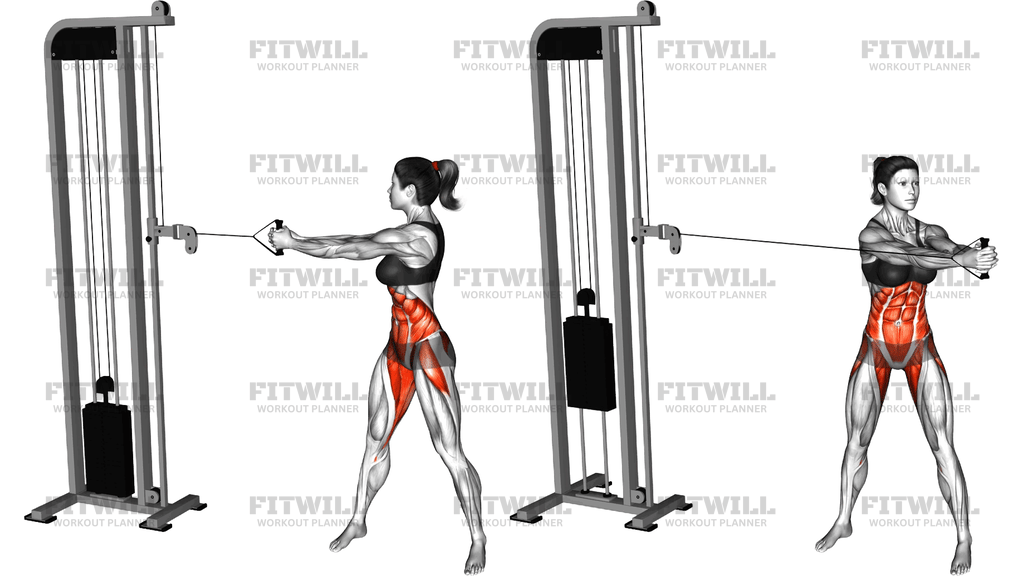
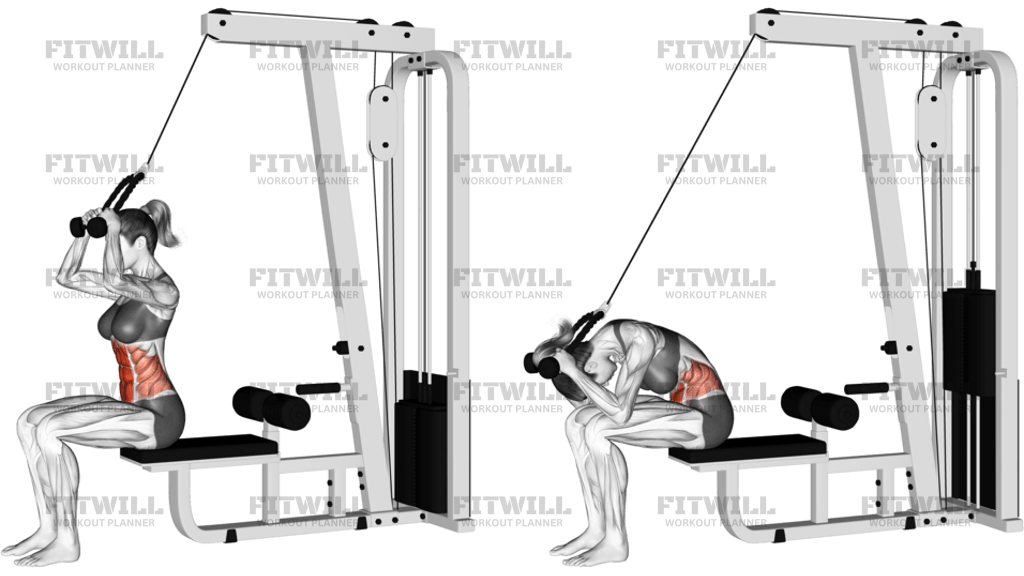
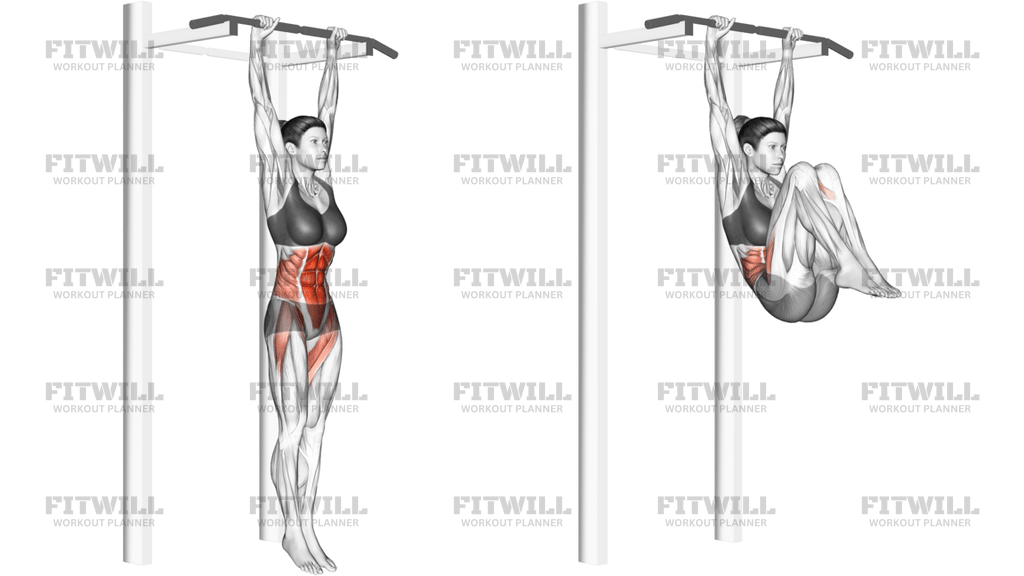
Set the cable attachment for the reverse crunch setup and lie or sit in a stable start position with a secure grip. Bring the knees toward the torso just enough to begin the tuck, then organize the ribcage and pelvis before you move. The start should feel compact and ready to curl, not stretched out and loose. If you need a big swing to get into position, the setup is probably too aggressive.
From there, brace the core, flatten the low back, and curl the pelvis upward in a small reverse-crunch arc. Pause briefly at the top, then lower the pelvis and legs slowly back to the start. The descent is important because it keeps tension on the abdominals and prevents the cable from pulling you apart. The clean version of the movement is compact and deliberate, with the pelvis doing the meaningful work and the legs just following along.
Cable Tuck Reverse Crunch fits well in core sessions, lower-ab accessory blocks, or finishing work when you want direct abdominal tension with easy progression. It can be especially useful for people who want a more loadable version of a reverse crunch. Use manageable resistance, keep the neck quiet, and stop the set when the hip flexors take over or the lower back starts to arch.
[ Workout Log & Planner ]
Put your next workout in Fitwill
Keep your plan and training log ready when you are.


Instructions
- Set the cable attachment for the reverse-crunch setup.
- Lie or sit in a stable start position with a secure grip.
- Bring the knees toward the torso just enough to begin the tuck.
- Brace your core and flatten the low back before the first rep.
- Curl the pelvis upward in a compact reverse-crunch motion.
- Pause briefly at the top contraction.
- Lower the pelvis and legs slowly back to the start.
- Repeat with a controlled cadence.
Tips & Tricks
- Think about tilting the pelvis first and letting the knees follow.
- Keep the motion compact so the lower abs stay in charge.
- Use a load you can control without leg swing.
- Keep the neck relaxed so the trunk can curl cleanly.
- Exhale during the tuck phase to help the abs finish the rep.
- Control the descent; that is where the lower abs stay honest.
- If the hip flexors dominate, shorten the range and slow down.
- A small pause at the top makes the abdominal squeeze easier to feel.
Frequently Asked Questions
What area does this target most?
It primarily targets the rectus abdominis with a lower-ab emphasis.
Is Cable Tuck Reverse Crunch better than regular reverse crunches?
Cable loading can improve progression and tension for many people.
Should I pull with legs only?
No, focus on curling the pelvis rather than just lifting the knees.
Can beginners perform this?
Yes, with light resistance and a shorter range at first.
What if my hip flexors take over?
Reduce the load and emphasize pelvic tilt and controlled tempo.
How many reps are typical?
Moderate controlled reps are common for this exercise.
Is lower-back pain normal?
No, reduce the range and load, and improve bracing if discomfort appears.
What is a common mistake?
Using momentum and losing abdominal control during the lowering phase.