Chin-to-Chest Stretch
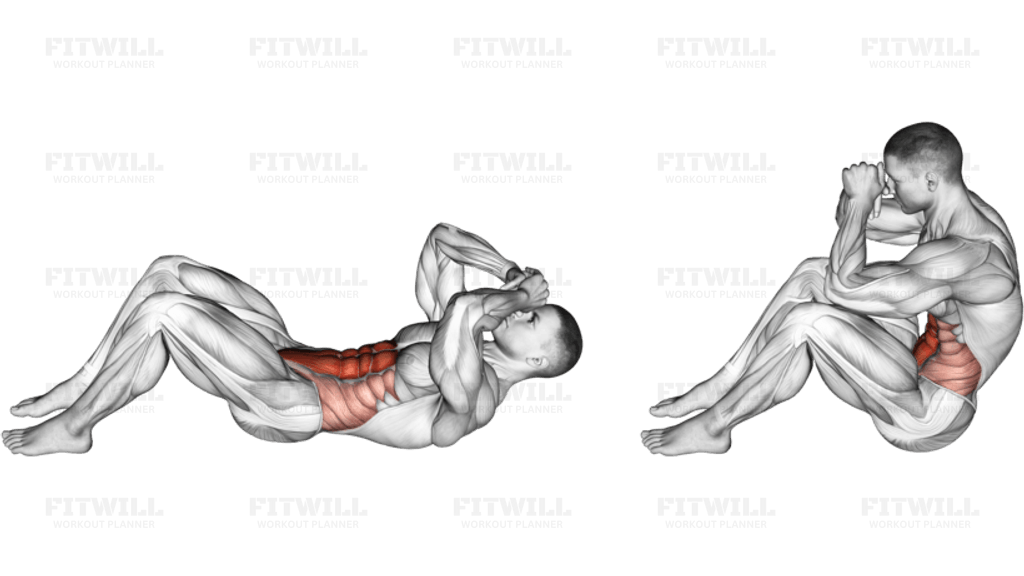
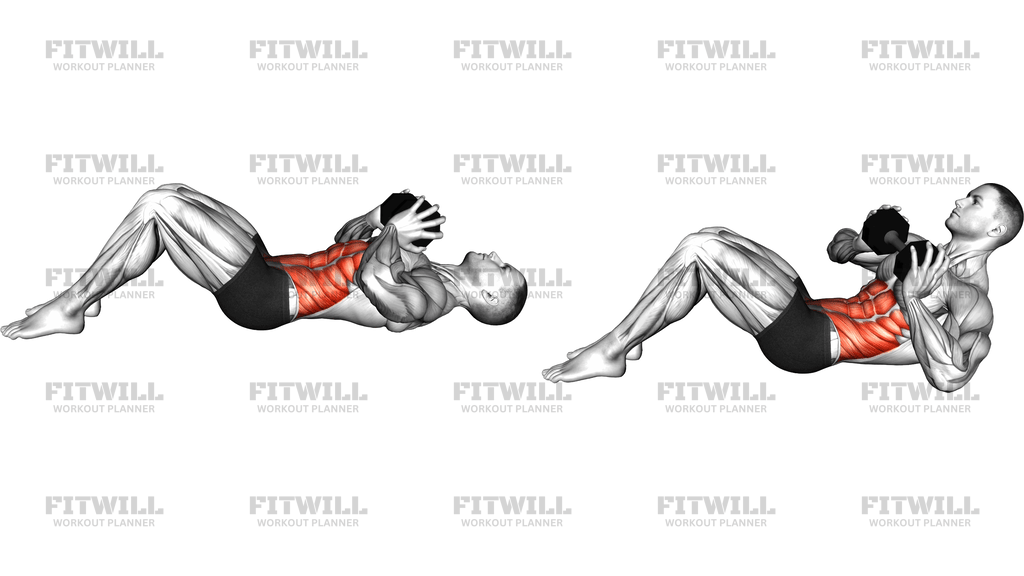
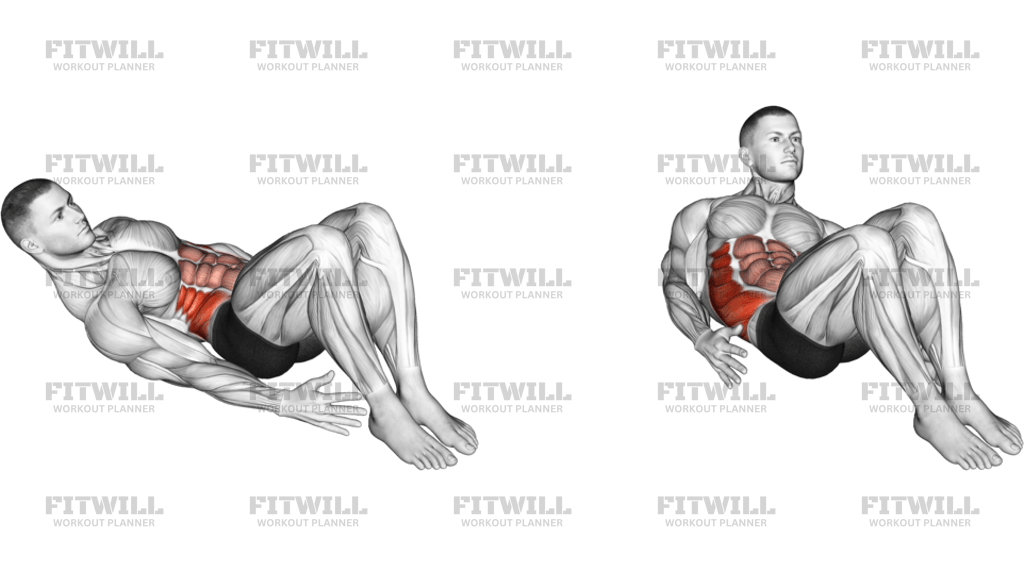
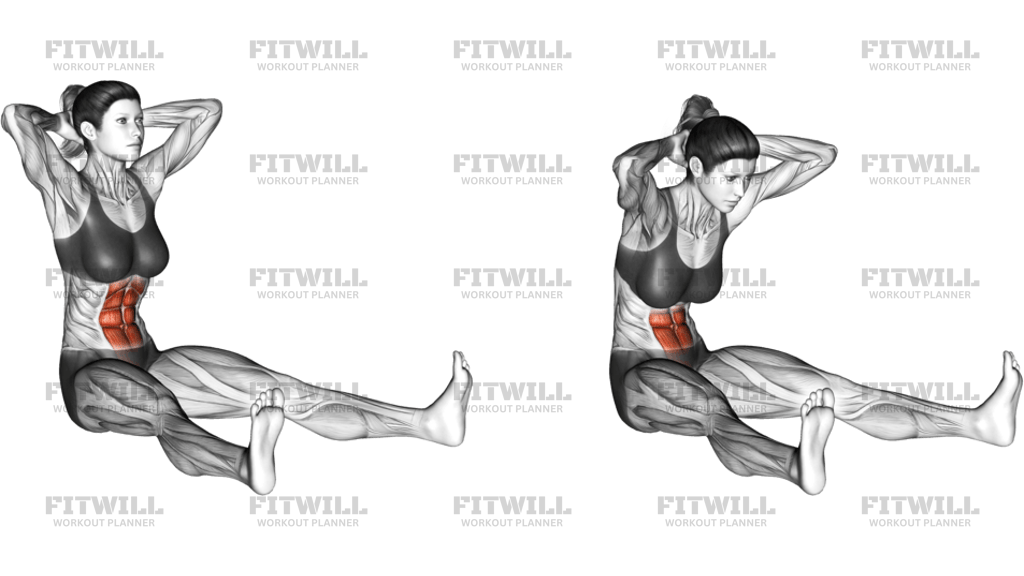
Chin-to-Chest Stretch is a seated mobility drill that combines a gentle chin tuck with controlled spinal flexion. The image shows the body folding forward from a seated position while the hands rest lightly behind the head, so this is not just a neck movement. The upper spine, ribs, and abdomen all contribute to the shape of the stretch, which is why it can feel useful when the goal is to loosen the front of the torso and practice clean flexion without adding load.
The primary emphasis is the rectus abdominis and deep front-core control, with the obliques and hip flexors helping stabilize the seated position. The neck should move with the upper spine rather than being pulled down aggressively by the hands. When the stretch is done well, the abs help control the curl, the shoulders stay relaxed, and the chin tucks only enough to support the rounded shape instead of forcing a hard neck bend.
Sit on a mat with one leg extended and the other knee bent comfortably, or use a seated position that feels natural for your hips. Place your hands lightly behind your head with the elbows open enough that the neck is not being yanked forward. Sit tall first, lengthen through the crown of the head, and brace gently through the abdomen so the fold starts from an organized position.
Begin by tucking the chin slightly and curling the upper back forward. Let the ribs move toward the pelvis while the hands simply guide the head position. Pause when you feel a mild stretch or controlled abdominal tension, then return to the tall seated position slowly. The return should be just as calm as the curl, because that is what keeps the movement useful and easy to repeat.
Chin-to-Chest Stretch works well in warm-ups, cooldowns, or mobility sessions when you want a gentle flexion drill that stays low impact. Keep the jaw relaxed, avoid pulling on the head, and breathe through the position. If the seated leg setup distracts from the torso work, simplify the position so the spine and neck can move cleanly. The stretch should feel controlled and calm, not forced or cranky.
[ Workout Log & Planner ]
Put your next workout in Fitwill
Keep your plan and training log ready when you are.


Instructions
- Sit on an exercise mat with one leg extended and the other knee bent comfortably.
- Place your hands lightly behind your head without pulling on your neck.
- Sit tall first and keep your ribs stacked over your pelvis.
- Brace your abs gently and relax your shoulders away from your ears.
- Tuck your chin slightly and begin curling your upper back forward.
- Let your ribs move toward your pelvis until you feel a mild stretch or controlled core tension.
- Pause briefly while breathing steadily and keeping the neck relaxed.
- Return to the tall seated position slowly, then repeat or switch leg positions.
Tips & Tricks
- Use your hands as light support, not as a way to pull your head down.
- Move from the upper back and ribs instead of only bending the neck.
- Keep the stretch mild enough that you can breathe normally.
- Relax your jaw and shoulders during each hold.
- Choose an easier seated position if the legs make your hips or knees uncomfortable.
- Avoid bouncing at the bottom of the curl.
- Stop if you feel tingling, dizziness, or sharp neck pain.
- Slow the return to upright so the abs control both directions.
Frequently Asked Questions
What muscles does Chin-to-Chest Stretch work?
It mainly involves the abs as they control spinal flexion. The obliques, hip flexors, and deep neck flexors assist with posture and control.
Is Chin-to-Chest Stretch just a neck stretch?
No. The chin tuck is part of the movement, but the image shows the torso curling forward too, so it also trains gentle abdominal control and upper-spine mobility.
Should I pull on my head during Chin-to-Chest Stretch?
No. Keep your hands light behind your head and let the torso curl create the movement. Pulling hard can irritate the neck.
What should I feel during this exercise?
You may feel mild tension through the back of the neck or upper back and light work through the abs. Sharp pain, tingling, or dizziness means you should stop.
Can beginners do Chin-to-Chest Stretch?
Yes, beginners can use a small range and a comfortable seated position. The key is to move slowly and avoid forcing the chin down.
How long should I hold the curled position?
A short 2 to 5 second pause works well for repetitions. For a mobility hold, stay around 10 to 20 seconds as long as breathing remains easy.
What can I do if the seated leg position is uncomfortable?
Sit cross-legged, extend both legs, or sit on a folded towel. The torso and neck control are more important than matching the exact leg position.