Decline Sit-Up
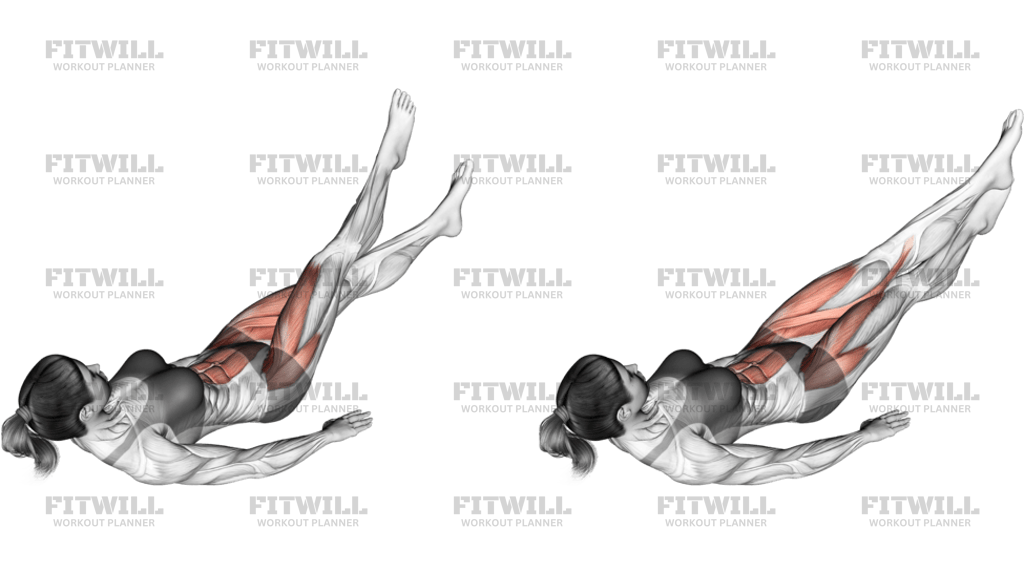
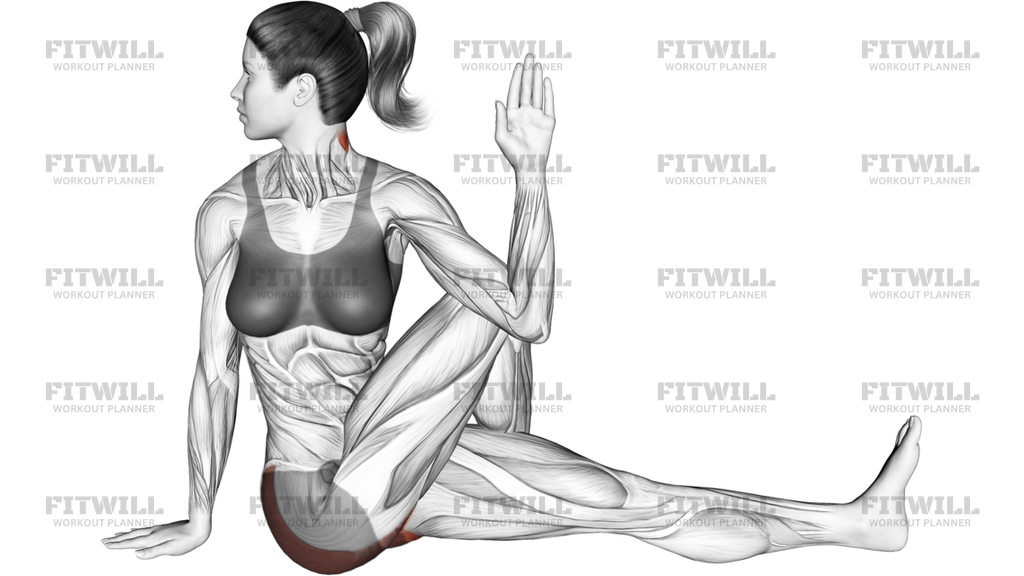
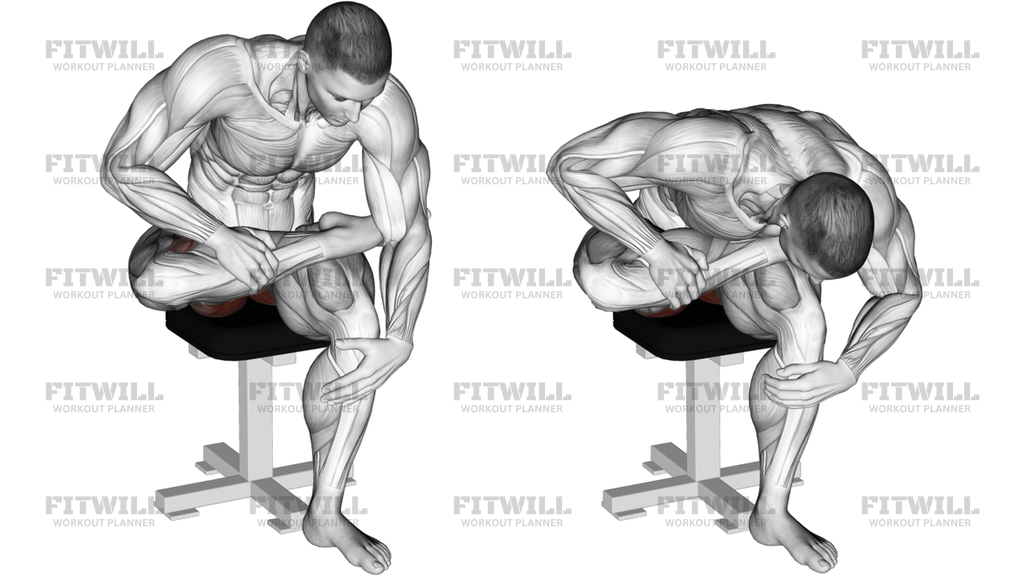
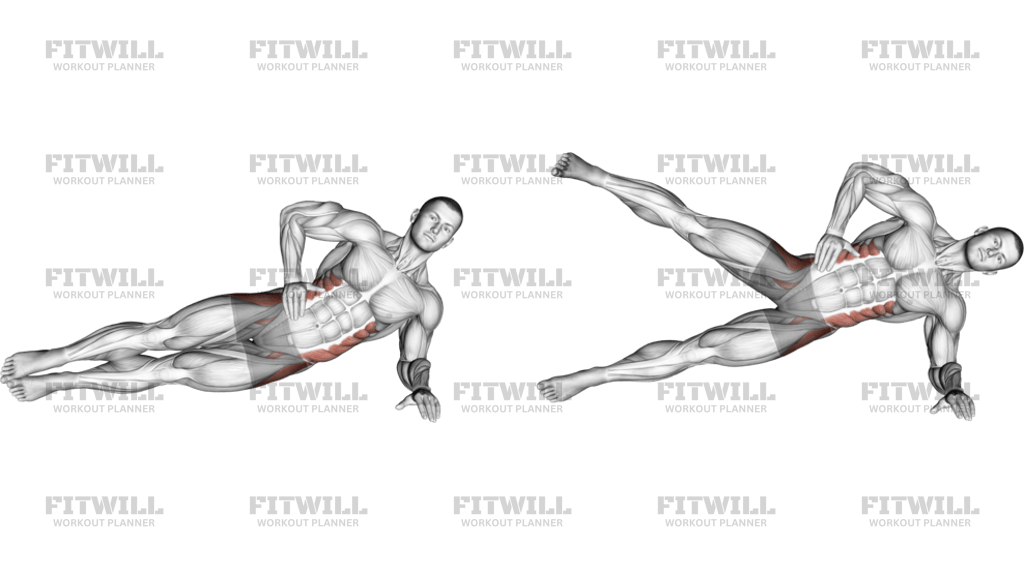
Decline Sit-Up is a bodyweight abdominal exercise for the abs, obliques, hip flexors, and deep core. The decline angle makes the torso work against more gravity, so the movement is more demanding than a flat crunch or sit-up. It works best when the body stays organized and the rep rises in a controlled curl rather than a fast heave.
The main emphasis is the abs, obliques, hip flexors, and deep core. The supporting muscles keep the body stable so the target area can do the work instead of momentum taking over. A good rep feels like the ribs are curling toward the pelvis while the hips stay settled and the lower back does not take over the descent.
Start by setting up carefully. Set up on the floor, bench, decline bench, or ball as the exercise name describes. Brace your abs and keep your neck relaxed. Position your arms and legs according to the variation. This setup determines whether the exercise feels precise or rushed, and the decline position should feel stable before the first rep.
Move through the rep with a smooth tempo. Exhale as you curl your ribs toward your pelvis. Pause briefly at the strongest abdominal contraction. Lower under control without dropping. Return to the starting position without dropping, twisting, or relaxing the posture. If the decline angle feels too aggressive, shorten the range and keep the curl compact.
Use the form cues to keep the movement specific. Lift with the abs, not the neck. Keep the reps slow and controlled. Do not use arm swing for momentum. Exhale during the crunch. If those cues become hard to maintain, reduce the range, speed, or difficulty.
Use Decline Sit-Up in a focused core block or accessory section. Progress by improving control first, then adding reps, hold time, or tempo only when the current version stays clean.
[ Workout Log & Planner ]
Put your next workout in Fitwill
Keep your plan and training log ready when you are.


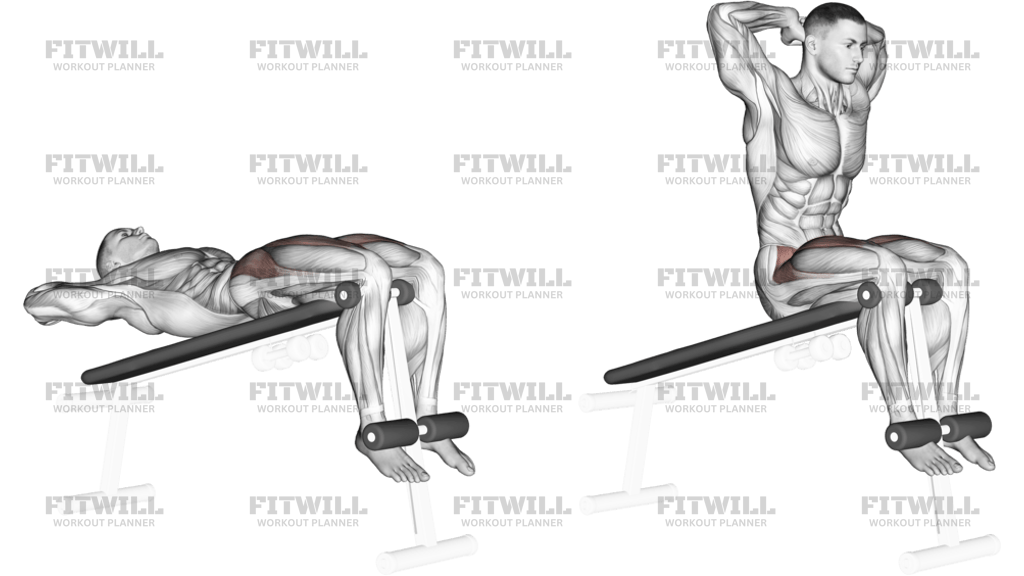
Instructions
- Set up on the floor, bench, decline bench, or ball as the exercise name describes.
- Brace your abs and keep your neck relaxed.
- Position your arms and legs according to the variation.
- Exhale as you curl your ribs toward your pelvis.
- Pause briefly at the strongest abdominal contraction.
- Lower under control without dropping.
- Keep the lower back comfortable throughout.
- Repeat with the same range each rep.
Tips & Tricks
- Lift with the abs, not the neck.
- Keep the reps slow and controlled.
- Do not use arm swing for momentum.
- Exhale during the crunch.
- Stop before the lower back arches.
- Use a smaller range if hip flexors dominate.
- Keep both sides even on twisting versions.
- End the set when form turns jerky.
Frequently Asked Questions
What muscles does Decline Sit-Up work?
Decline Sit-Up mainly works the abs, obliques, hip flexors, and deep core. Stabilizers help keep the body aligned through the movement.
Is Decline Sit-Up good for beginners?
Yes. Use an easier variation, lighter load, or smaller range until every rep is controlled.
How many reps should I do?
Most strength versions work well for 8 to 15 controlled reps. Mobility drills can be done for slow reps or short holds.
What is the most common mistake?
The most common mistake is rushing and using momentum instead of keeping the target area in control.
Should Decline Sit-Up hurt?
No. Muscle effort or mild stretching is normal, but sharp pain, pinching, tingling, or dizziness means you should stop.
When should I use Decline Sit-Up?
Use it where it matches the goal: warmup and mobility early, strength work in the main session, or accessory work near the end.
Why use the decline angle?
The decline angle increases the challenge by making the torso lift against more gravity.