Dumbbell Close-Grip Press
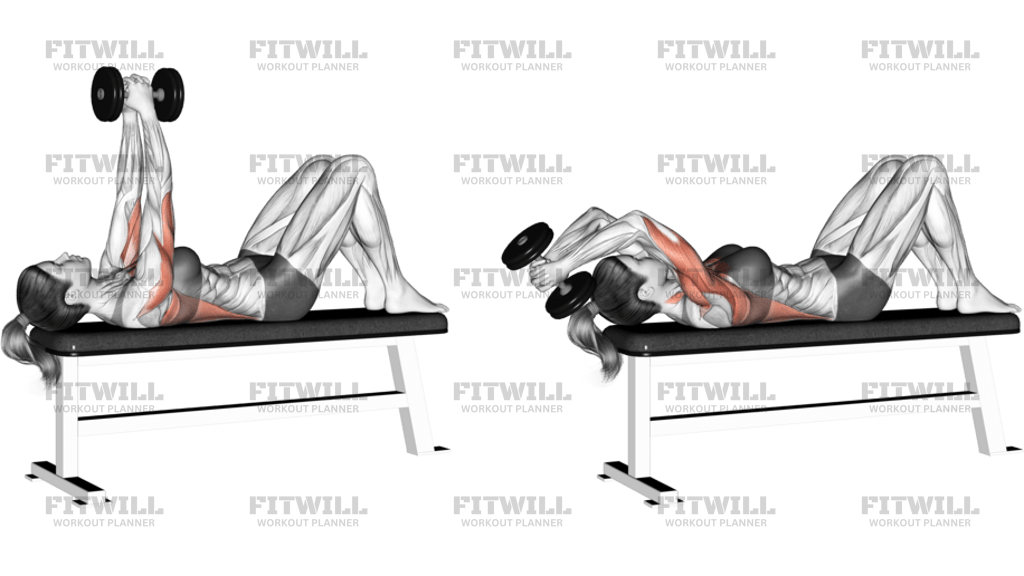
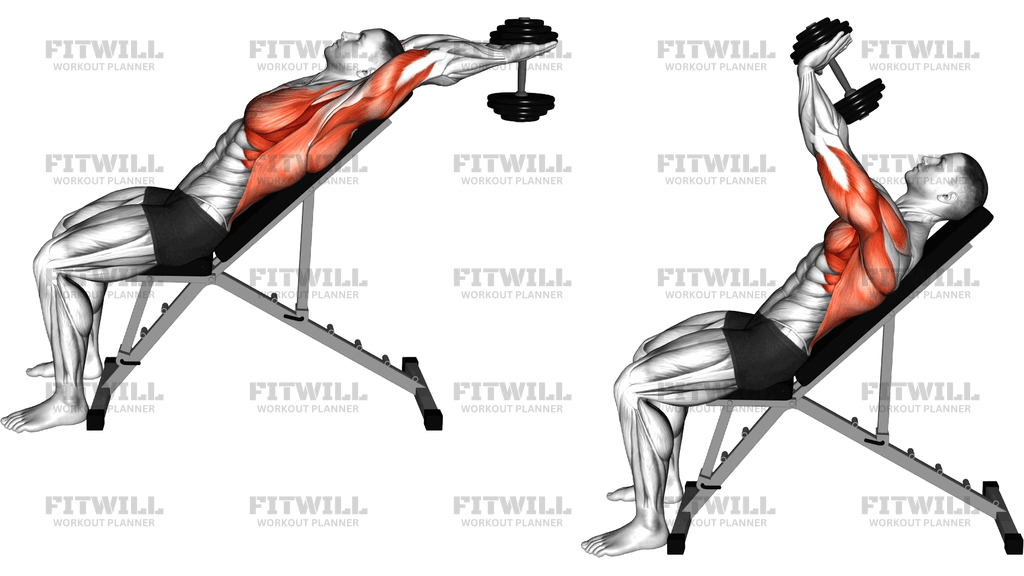
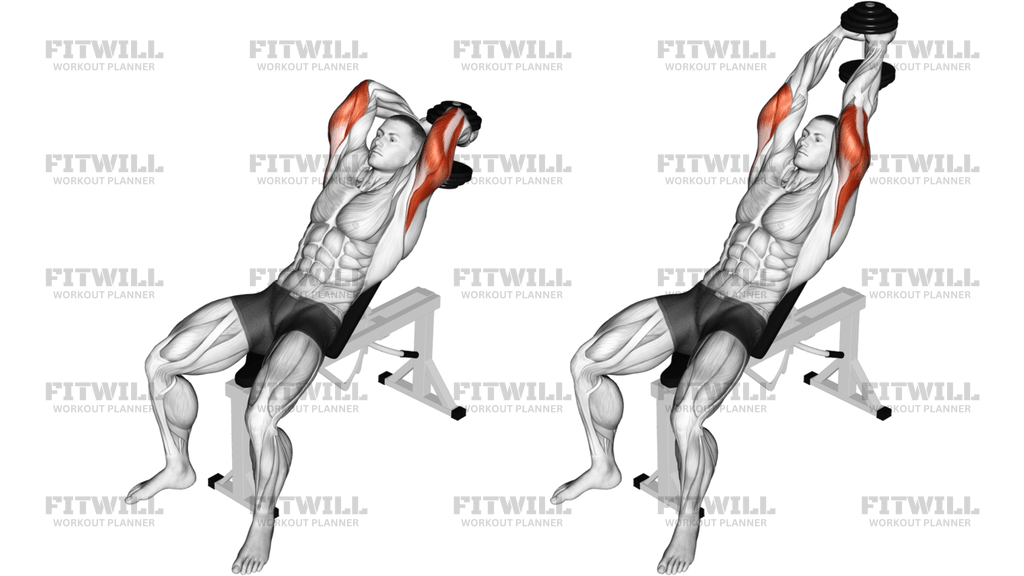
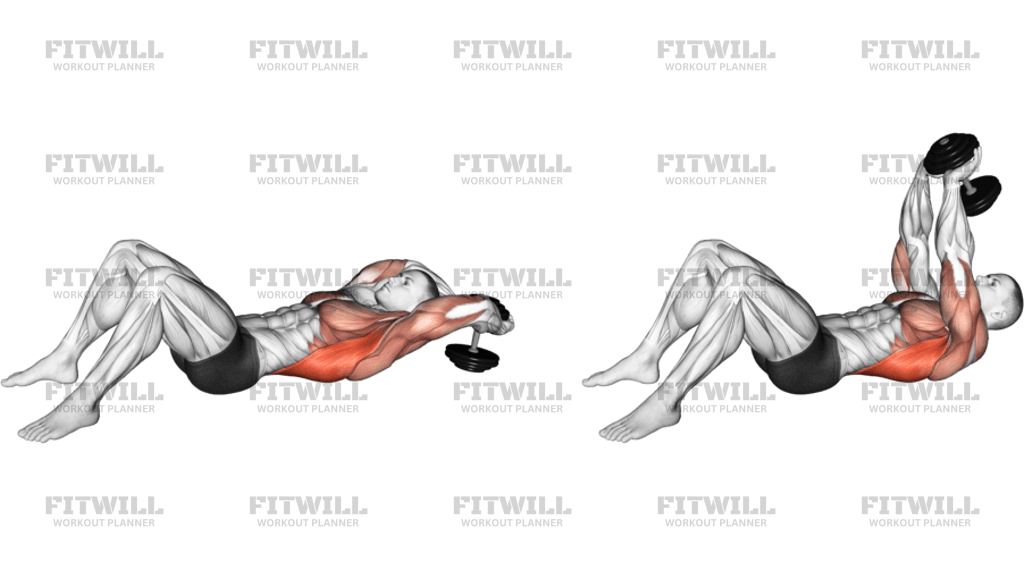
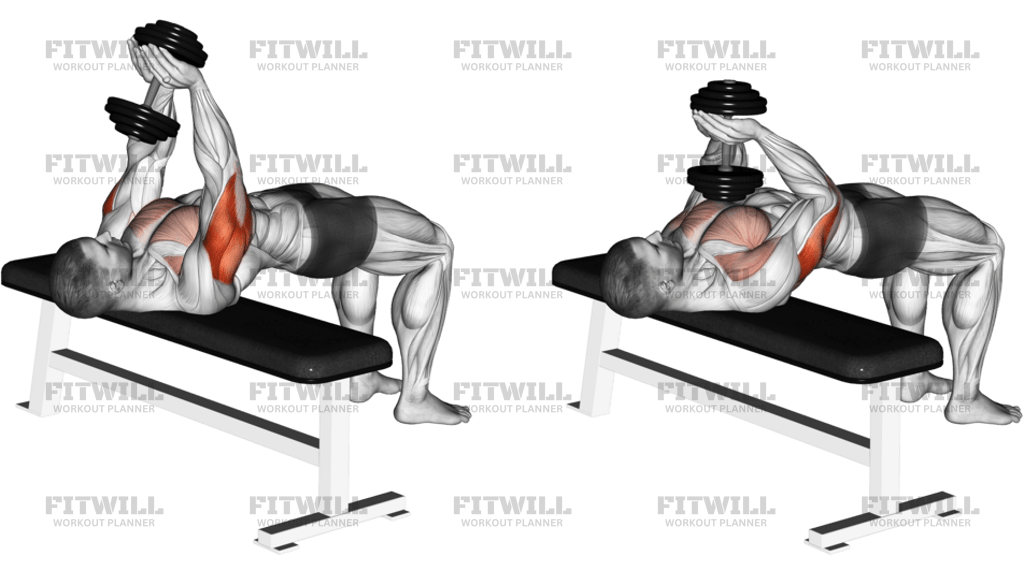
Dumbbell Close-Grip Press is a bench press variation that keeps the dumbbells close together to shift more work toward the triceps while still training the chest and front shoulders. In this version, the lifter lies on a flat bench with the shoulders supported, the feet planted, and the hips raised in a firm bridge. That bridge position shortens the lever at the torso, helps the rib cage stay stacked, and makes it easier to press without turning the rep into a lower-back arch.
The close hand position is what changes the emphasis. By keeping the dumbbells almost touching over the midline of the chest, you reduce the amount of shoulder flare and encourage the elbows to track closer to the ribs. That usually makes the triceps work harder through the press while still allowing the chest to contribute. The setup also demands a stable wrist, elbow, and shoulder line, because the load can drift inward or outward quickly if the dumbbells are not balanced.
Use a bench height and dumbbell weight that let you control both the lowering phase and the bottom position. Lower the bells toward the lower chest or sternum with the elbows tucked, then drive them back up on the same narrow path until the arms are straight but not locked out aggressively. The hips should stay lifted and steady rather than bouncing from rep to rep. Breathing should stay deliberate: inhale on the descent, brace through the bottom, and exhale as you press.
This movement is useful when you want a triceps-biased pressing exercise without a barbell, or when you want to reinforce a tight pressing groove with a shoulder-friendly elbow path. It can be used as a main accessory press, a hypertrophy movement, or a controlled finish after heavier work. The biggest form issues are letting the dumbbells separate, flaring the elbows, losing the bridge, or turning the press into a shrug. If any of those happen, reduce the load and reclaim the close path before adding volume.
[ Workout Log & Planner ]
Put your next workout in Fitwill
Keep your plan and training log ready when you are.


Instructions
- Lie on a flat bench with your shoulders and upper back supported and your feet planted firmly on the floor.
- Lift your hips into a steady bridge so your torso stays rigid from shoulders to knees.
- Hold a dumbbell in each hand above the chest with the palms facing inward and the bells nearly touching.
- Set the wrists over the elbows and tuck the elbows close enough that they track along the sides of the rib cage.
- Take a breath, brace your trunk, and lower both dumbbells together toward the lower chest in a controlled line.
- Pause briefly near the bottom without letting the shoulders roll forward or the dumbbells drift apart.
- Press the dumbbells back up over the mid-chest on the same narrow path until the arms are straight.
- Keep the hips lifted and the rib cage quiet through the last third of the press.
- Lower the bells again with control and finish the set before the bridge or wrist position breaks down.
Tips & Tricks
- Keep the dumbbells close enough that they almost touch through the whole set; drifting wider turns it into a regular press.
- Use the bridge to create full-body tension, not to overextend the lower back.
- Let the elbows angle slightly toward the ribs instead of flaring straight out to the sides.
- Lower the bells until the upper arms are roughly in line with the torso, not so deep that the shoulders roll forward.
- Press in a vertical path over the mid-chest rather than forward toward the face.
- Keep the wrists neutral; bent wrists make the dumbbells harder to stabilize in the close grip.
- Choose a load that lets both bells rise together without one drifting higher or twisting inward.
- Exhale as the dumbbells pass the hardest part of the press and keep the bridge stable until both arms are locked out.
Frequently Asked Questions
What muscles does Dumbbell Close-Grip Press work?
Dumbbell Close-Grip Press mainly works the triceps, chest, and front shoulders. The upper back, core, and glutes help keep the bench position and bridge stable.
Is Dumbbell Close-Grip Press good for beginners?
Yes, if the bridge and the close dumbbell path stay controlled. Start light so you can keep the bells steady, the wrists stacked, and the elbows tucked.
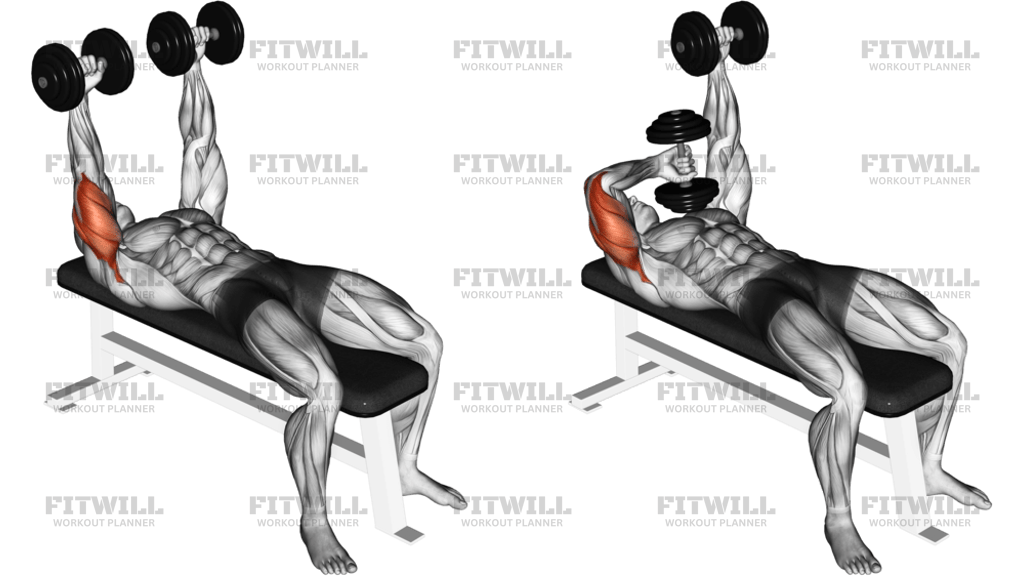
Why are the hips lifted in the image?
The bridge creates a tighter torso position and gives you more full-body tension. It also helps keep the lower back from taking over the press.
How close should the dumbbells be together?
They should stay nearly touching over the chest. If the bells separate a lot, the triceps bias drops and the movement becomes more like a standard dumbbell press.
How far should I lower the dumbbells?
Lower them only until the upper arms reach a comfortable depth and the shoulders stay packed. If the elbows drift too low or the shoulders roll forward, shorten the range.
What is the biggest form mistake?
The biggest mistake is letting the dumbbells drift apart and the elbows flare. That usually shifts the work away from the triceps and makes the press harder to control.
Should I lock out hard at the top?
Straighten the arms fully, but do not slam the dumbbells together or hyperextend the elbows. The top should feel controlled, not bouncy.
Is this exercise harder on the shoulders than a regular press?
Usually it is easier to keep the shoulders comfortable because the elbows stay closer to the body. If you feel pinching, reduce depth and make sure the shoulders stay pinned to the bench.
Can I do this with a flat back instead of a bridge?
Yes, but the bridge version in the image adds extra trunk tension and stability. If your lower back dislikes bridging, keep your hips lower and maintain the same close press path.