Dumbbell Lying One-Arm Pronated Triceps Extension
Dumbbell Lying One-Arm Pronated Triceps Extension is a unilateral triceps isolation exercise performed on a flat bench with one dumbbell and an overhand grip. The image shows the working arm held above the shoulder while the elbow bends and straightens, so the exercise should feel like a controlled hinge at the elbow rather than a press or shoulder movement. The triceps do most of the work, while the forearm and shoulder muscles stabilize the dumbbell and keep the arm lined up.
The flat-bench position matters because it gives you a stable base to lock the upper arm in place. Lie down with the shoulder blades settled into the bench, feet planted, and the working arm set over the shoulder or slightly back so the elbow can flex without the shoulder rolling forward. The free hand can stay out of the way or help steady the torso, but it should not help move the weight.
Use a pronated, palm-down grip as shown in the image and keep the wrist stacked over the elbow. From the start position, lower the dumbbell by bending the elbow only until the forearm folds back and the triceps are fully stretched without the shoulder drifting. Then extend the elbow to bring the dumbbell back to the starting position along the same path. A clean rep keeps the upper arm nearly still and avoids turning the movement into a one-arm bench press.
This variation is useful when you want to train one arm at a time, clean up left-right strength differences, or add triceps volume without loading the whole body. It is usually best as an accessory movement after pressing work or as part of an arm session. Keep the load conservative, because a heavy dumbbell makes it easy to twist the wrist, flare the elbow, or lose the fixed upper-arm position.
Watch for shoulder pinching, elbow wobble, and a drifting dumbbell path. If the elbow has to move a lot to finish the rep, shorten the range slightly and keep the reps smooth. The goal is a repeatable triceps-focused extension with a stable bench setup, a controlled lowering phase, and a crisp lockout that still looks like the same rep on both sides.
Fitwill
Log Workouts, Track Progress & Build Strength.
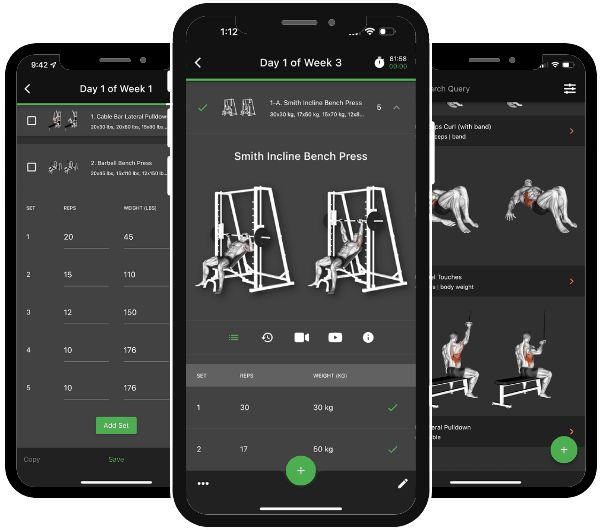
Achieve more with Fitwill: explore over 5000 exercises with images and videos, access built-in and custom workouts, perfect for both gym and home sessions, and see real results.
Start your journey. Download today!


Instructions
- Lie flat on a bench and plant both feet so your torso stays anchored.
- Hold one dumbbell over the working shoulder with a pronated, palm-down grip.
- Stack the wrist over the elbow and keep the upper arm pointed mostly upward.
- Set the shoulder blades on the bench and keep the ribcage from flaring.
- Bend the elbow to lower the dumbbell in a smooth arc toward the side of your head.
- Stop the descent when the triceps are stretched but the shoulder still feels fixed.
- Extend the elbow to bring the dumbbell back to the start without swinging.
- Repeat for the target reps, then switch arms and match the same range and tempo.
Tips & Tricks
- A lighter dumbbell usually works better here because the leverage gets harder as the elbow bends.
- Keep the upper arm quiet; if it swings, the shoulder is stealing the rep from the triceps.
- Let the elbow travel just enough to keep tension on the triceps instead of forcing a huge range.
- Keep the palm turned down and the wrist stacked so the dumbbell does not tip backward in your hand.
- Lower under control for a clear stretch, then reverse the rep without bouncing off the bottom.
- If your shoulder drifts forward, move the elbow a little higher and shorten the range.
- Do not flare the elbow wide; let it stay roughly in line with the shoulder and head.
- Match the tempo and range on both sides so the weaker arm does not cheat the movement.
- Stop the set if the elbow or shoulder feels pinchy; this should feel like triceps work, not joint grinding.
Frequently Asked Questions
What muscles does Dumbbell Lying One-Arm Pronated Triceps Extension work?
It mainly works the triceps, especially when you keep the upper arm fixed and only extend the elbow. The forearm, shoulder, and trunk muscles help stabilize the dumbbell and the bench position.
Is Dumbbell Lying One-Arm Pronated Triceps Extension good for beginners?
Yes, if you start very light and keep the elbow path controlled. Beginners often do better with a short range first so they can learn to keep the shoulder quiet.
Where should the dumbbell move during the rep?
It should travel in a smooth arc as the elbow bends and straightens, not drift across the face or turn into a press. Keep the upper arm as still as possible.
What is the most common mistake in Dumbbell Lying One-Arm Pronated Triceps Extension?
Using too much weight and letting the shoulder move instead of isolating the elbow. Once the upper arm starts swinging, the triceps stop doing most of the work.
Why use a pronated grip for this exercise?
The pronated grip changes how the forearm sits under the dumbbell and can make the movement feel more deliberate for the triceps. It also makes wrist control more important, so the load stays honest.
Should my elbow flare out on the way down?
No. A little natural movement is fine, but the elbow should stay roughly stacked and not swing wide away from the line of the shoulder.
What if my shoulder feels uncomfortable on the bench?
Shorten the range, keep the upper arm a little more vertical, and lower the load. If the shoulder still pinches, switch to a triceps exercise that lets the arm stay in a more comfortable path.
How can I progress this one-arm triceps extension?
Add reps first, then increase the dumbbell slightly only if you can keep the elbow path, wrist position, and shoulder stillness the same on every rep.