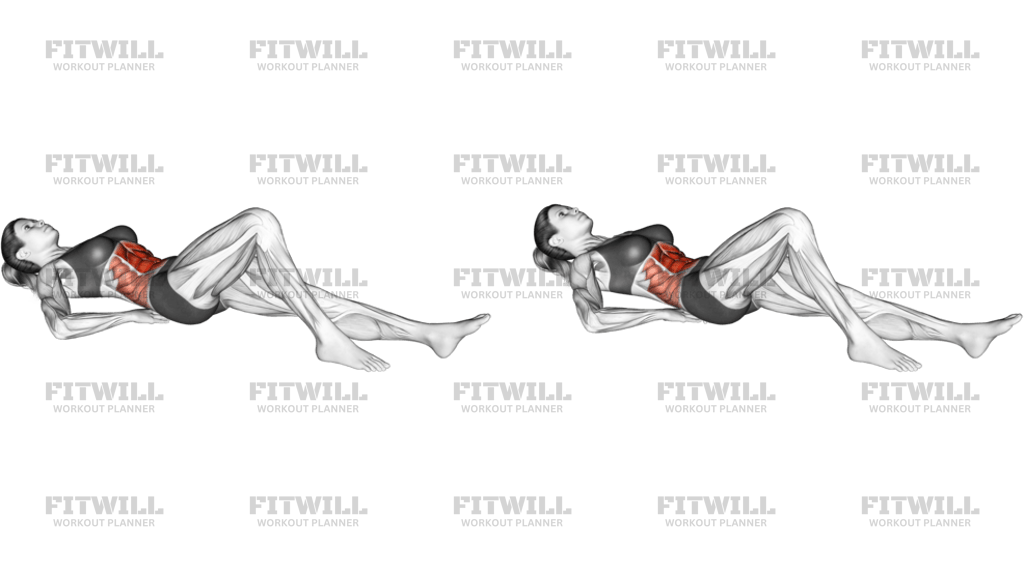
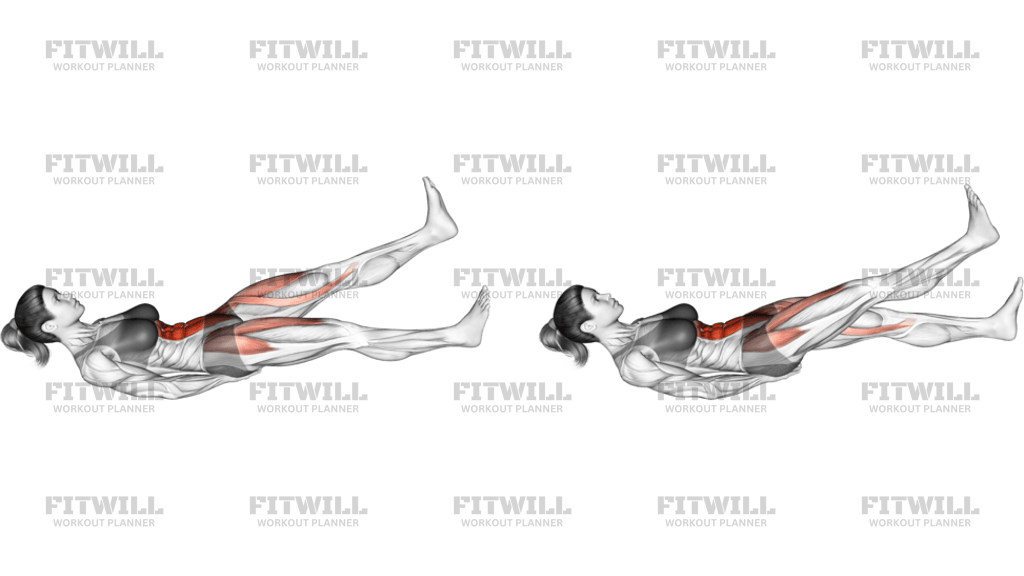
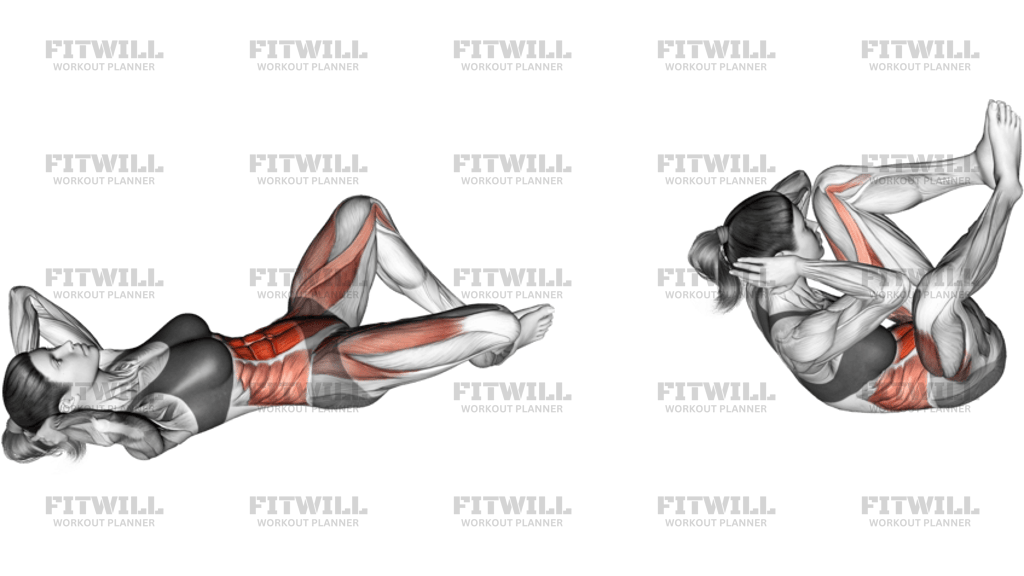
Jack Knife Floor
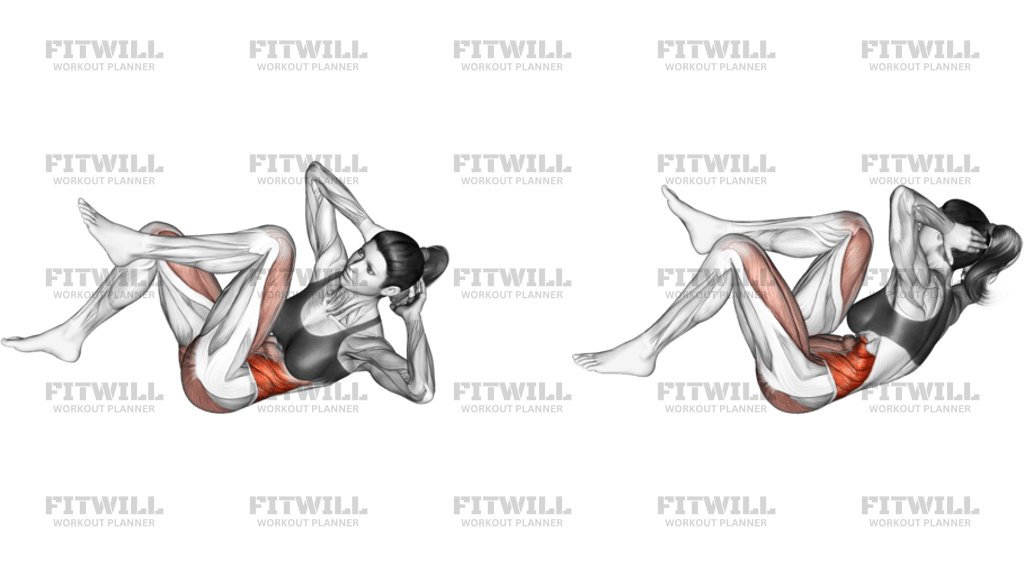
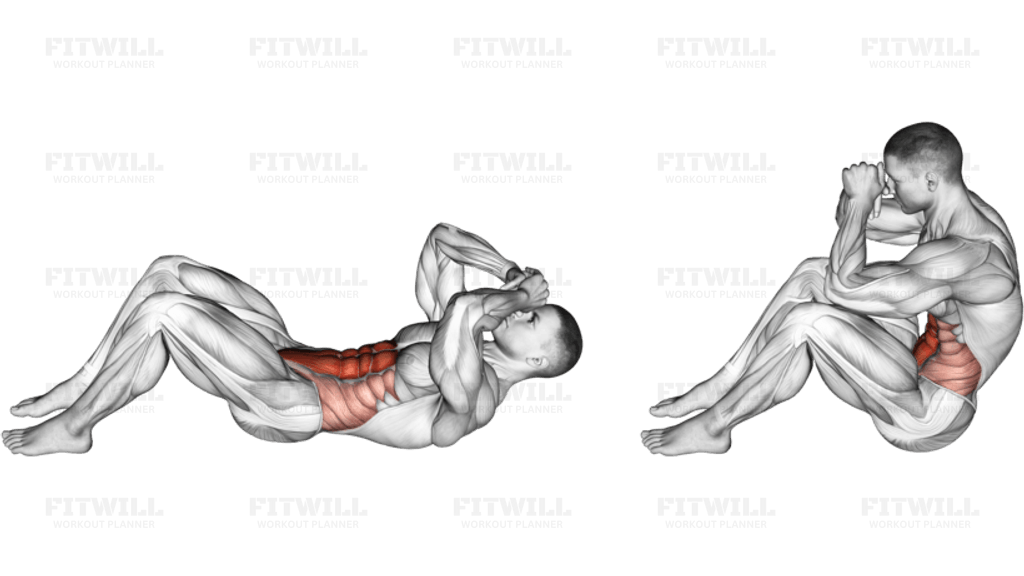
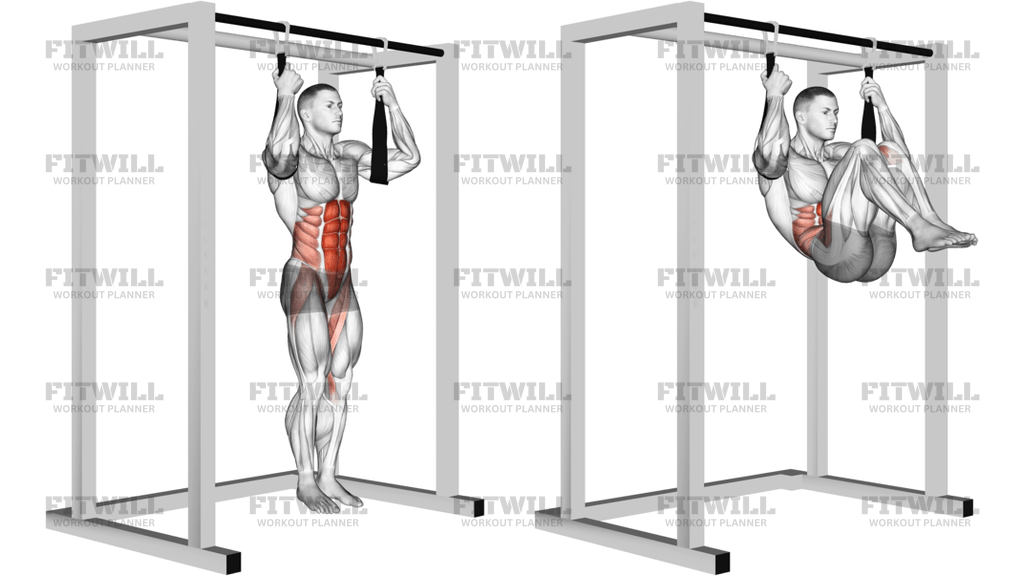
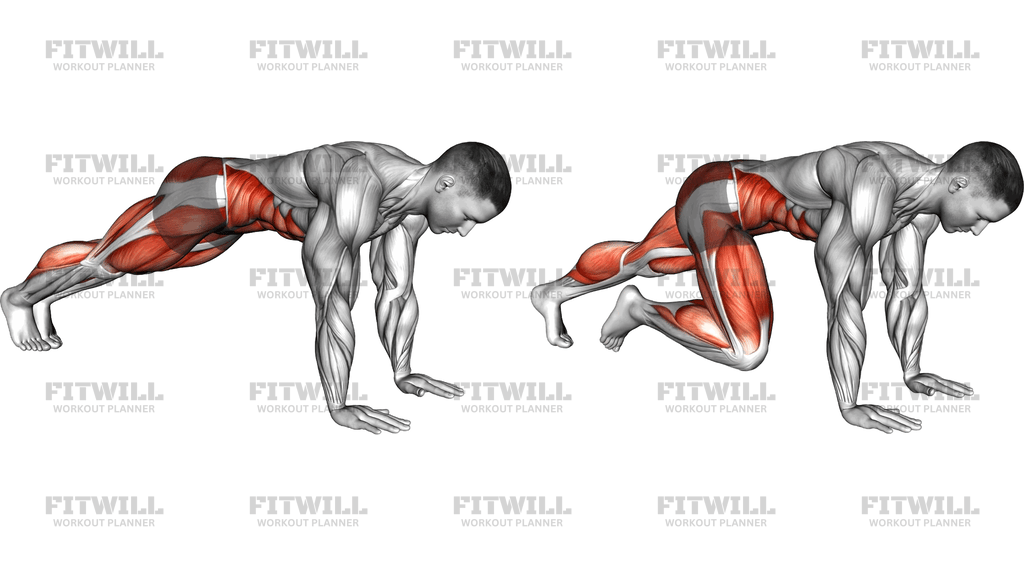
Jack Knife Floor is a floor-based core exercise that trains the abs while asking the hips and trunk to work together under constant tension. It is usually performed with both hands braced on the floor behind the hips, the torso leaned back, and the legs moving in an alternating tuck-and-extend pattern. The position looks simple, but the quality of the rep depends on how well you keep the ribs down, the pelvis controlled, and the movement smooth instead of rushed.
The exercise is especially useful when you want a body-weight core drill that challenges the rectus abdominis and the hip flexors without needing a machine or bench. Because one leg stays long while the other knee comes in, the body has to resist twisting and keep the torso steady. That makes Jack Knife Floor a good option for building core control, not just burning the abs.
The setup matters more than most people expect. Place your hands slightly behind your hips, press them into the floor, and lean back just enough that your core has to do the work of keeping you organized. If you sit too upright, the exercise becomes easier on the abs; if you lean too far back and lose support through the shoulders or wrists, the movement gets sloppy. The goal is a strong, supported starting position where you can switch legs without collapsing through the middle.
Each repetition should look deliberate. Pull one knee toward the chest while keeping the opposite leg long and low, then switch sides with a controlled exchange instead of throwing the legs around. Exhale as the knee comes in, keep the neck relaxed, and avoid letting the lower back arch when the extended leg reaches out. If you feel the hip flexors taking over or the trunk shaking, shorten the leg reach and slow the tempo.
Jack Knife Floor works well as part of a core block, warmup, or conditioning circuit because it keeps tension on the midsection without needing heavy loading. It is also easy to scale: bend the working knee more, reduce the range of the extended leg, or slow the switch to make it stricter. Use clean reps and stop before your shoulders slump or your low back starts to take over.
[ Workout Log & Planner ]
Put your next workout in Fitwill
Keep your plan and training log ready when you are.


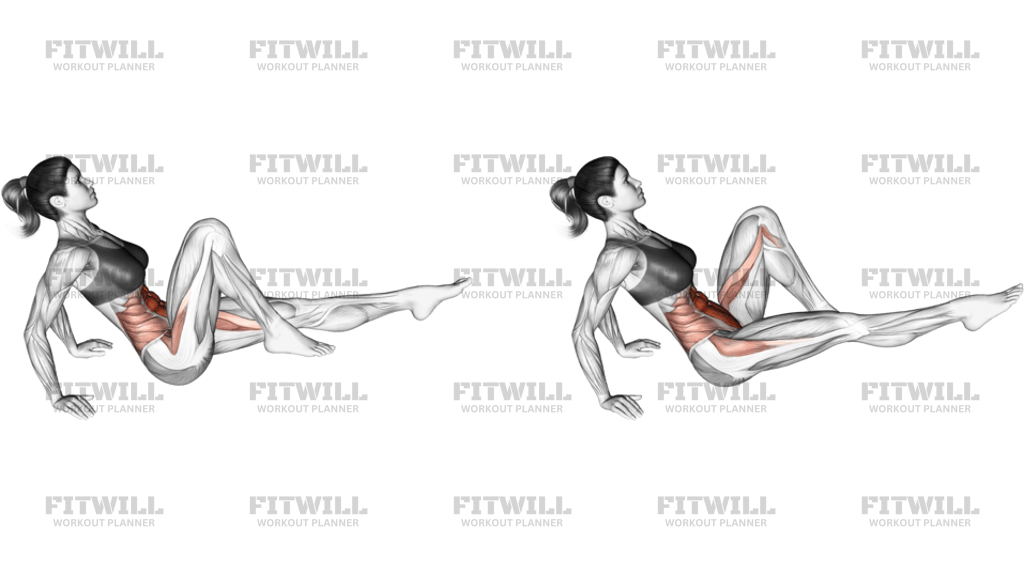
Instructions
- Sit on the floor and place your hands slightly behind your hips, fingers turned out or forward, with your chest lifted and your torso leaned back.
- Bend both knees, then extend one leg long in front of you while keeping the other knee closer to your chest.
- Press your palms into the floor and keep your shoulders away from your ears so your upper body stays supported.
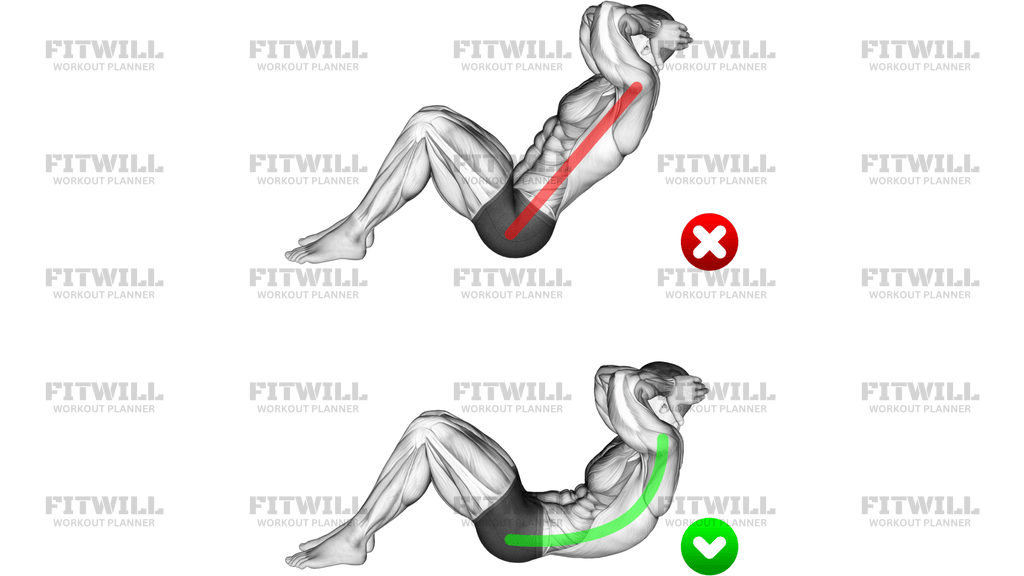
- Brace your abs and tuck your ribs down before you move the legs.
- Draw the bent knee in toward your chest as the straight leg stays long and low over the floor.
- Switch legs under control, changing sides without rocking your torso or swinging the feet.
- Exhale as the knee comes in and keep the lower back from arching when the opposite leg reaches out.
- Continue alternating for the planned reps, then plant both feet and sit tall before you let go of the support.
Tips & Tricks
- Keep your hands close enough behind you that you can support the lean without locking the elbows or shrugging the shoulders.
- If your low back arches when the leg reaches out, bend that leg more and shorten the reach.
- Let the extended heel hover just off the floor instead of dropping all the way down; that keeps the abs working through the switch.
- Think about sliding the knee in rather than yanking it up with the hip flexors.
- Move one side at a time so the torso stays quiet and the pelvis does not roll side to side.
- A slower switch makes the exercise harder and usually cleaner than trying to kick the legs through quickly.
- Keep the chin neutral and look slightly forward or up, not down toward your lap.
- If your wrists feel crowded, turn the fingers slightly outward and spread the support through the whole hand.
- Stop the set when you can no longer keep the ribs tucked and the extended leg low.
Frequently Asked Questions
What muscle does Jack Knife Floor target most?
The main target is the abs, especially the rectus abdominis, with the hip flexors and obliques helping control the alternating leg movement.
Is Jack Knife Floor good for beginners?
Yes, if you keep the leg reach short and move slowly. Beginners should start with a bent knee on the working side before trying a longer extension.
How do I keep my low back from taking over?
Lean back only as far as you can keep the ribs down and the pelvis steady. If the low back arches when the leg extends, reduce the range and keep the extended heel higher.
Should both feet stay off the floor the whole time?
Usually yes. One leg stays extended while the other knee tucks in, and the working leg switches before the feet relax on the floor.
What is the biggest mistake with Jack Knife Floor?
Most people move the legs faster than the torso can control. That turns it into a swing instead of a core exercise.
Why are my hip flexors working so much?
They help pull the knee in, but they should not dominate the rep. Shorten the leg extension and focus on curling the ribs down toward the pelvis to shift more work to the abs.
Can I make Jack Knife Floor easier?
Yes. Keep both knees more bent, reduce how far the extended leg reaches, and slow the switch so you can keep the torso stable.
Where should my hands go?
Place them slightly behind the hips on the floor so they can support your lean without forcing your shoulders forward.
Can Jack Knife Floor be used in a core circuit?
Yes. It fits well in a circuit with other floor-based core drills, as long as you keep the switches controlled and the trunk quiet.