Lever One-Arm Bent-Over Row Plate Loaded
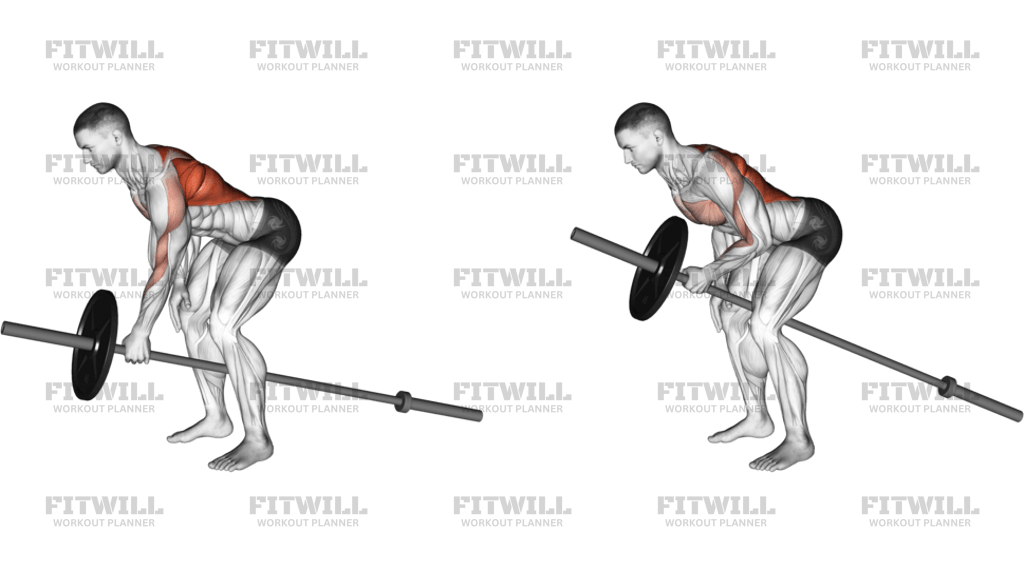
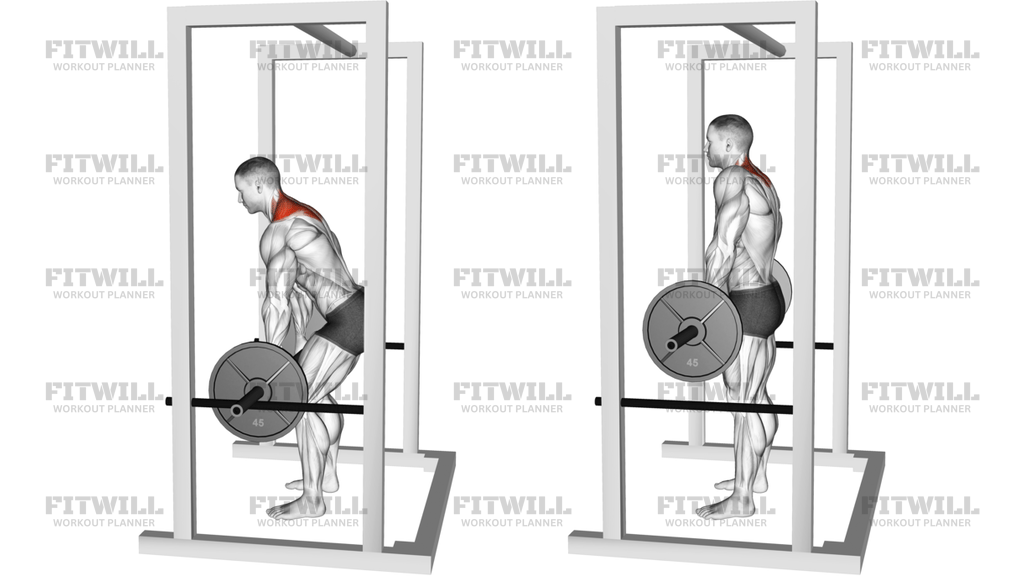
Lever One Arm Bent Over Row (plate Loaded) is a unilateral pulling exercise that trains the upper back through a long, supported row path. In the image, the lifter is hinged forward at the hips with a flat back and one hand driving a plate-loaded lever from a dead-hang position into a strong contraction near the torso. That bent-over setup is the whole point of the movement: it lets you load the back hard while keeping the torso fixed and the pull honest.
This exercise places the biggest demand on the traps and other upper-back muscles, with the rhomboids, lats, and biceps helping to control the path of the pull. Because only one side works at a time, the row also exposes side-to-side differences in strength, shoulder control, and torso stability. If one shoulder wants to rotate or shrug early, the set gets sloppy fast, so the hinge position and bracing matter as much as the arm drive.
A good repetition starts before the handle moves. Set your feet firmly, hinge until your torso is close to parallel with the floor, and keep your ribs down so the low back does not take over. From there, pull the loaded end toward your lower ribs or hip crease while keeping the elbow close to your body. The shoulder should move back and down as the row finishes, then return under control without letting the torso rise or twist.
The exercise is useful for back size, posture, and unilateral strength work, especially in programs that need a hard row without a free barbell swinging through the rep. Choose a load that lets you keep the torso locked, the neck long, and the path smooth from the first rep to the last. If the weight turns the movement into a shrug, a heave, or a partial twist, it is too heavy for clean work.
[ Workout Log & Planner ]
Put your next workout in Fitwill
Keep your plan and training log ready when you are.


Instructions
- Stand with your feet about hip-width apart and hinge forward at the hips until your torso is nearly parallel to the floor.
- Grip the plate-loaded handle with one hand and let the arm hang straight so the shoulder is set long at the bottom.
- Keep your knees softly bent, ribs down, and spine neutral before the first pull.
- Brace your trunk and keep your free arm quiet so your torso does not rotate as you row.
- Pull the loaded end toward your lower ribs or front hip by driving the elbow back close to your side.
- Squeeze the shoulder blade back and down at the top without shrugging toward your ear.
- Lower the weight slowly until the arm is fully extended and the shoulder stays controlled.
- Repeat for the planned reps, then reset your hinge before switching sides.
Tips & Tricks
- Keep your chest aimed toward the floor instead of letting the torso open up as the handle comes up.
- Think about pulling the elbow to the back pocket; that usually keeps the row path tighter than yanking with the hand.
- If your shoulder starts to shrug before the elbow moves, the load is too heavy or your setup is too upright.
- Pause briefly at the top only if you can keep the torso still; bouncing off the bottom removes tension from the back.
- Let the shoulder blade reach forward at the bottom, but do not round the upper back to get extra distance.
- Use a slower lowering phase than lifting phase to keep the lever honest and reduce momentum.
- Keep the neck in line with the spine so you are not craning up to watch the handle.
- Train each side with the same tempo and range so the weaker side does not hide behind the stronger one.
Frequently Asked Questions
What muscles does the one-arm lever bent-over row train most?
It emphasizes the traps and other upper-back muscles, with the rhomboids, lats, and biceps assisting the pull.
Where should the handle travel in this row?
Pull the loaded end toward your lower ribs or front hip, keeping the elbow close to your side.
Can I keep my free hand on my thigh for support?
If that helps you stay square and balanced, yes, but do not lean or twist into the support hand.
Why is the bent-over position important?
The hinge locks the torso in place so the back has to move the load instead of the hips or momentum.
Should I shrug at the top of the rep?
No. Finish by pulling the shoulder blade back and down, not by lifting the shoulder toward your ear.
Is this exercise beginner-friendly?
Yes, if you start with a light lever load and can hold a steady hip hinge without twisting.
What is a common mistake with the loaded end of the bar?
Using momentum to yank the weight up or letting the torso rise to steal range from the back.
How do I make the rep harder without changing the exercise?
Use a slower lowering phase, a firmer pause at the top, or a slightly heavier plate while keeping the same hinge and path.