Lever Seated Calf Raise
Lever Seated Calf Raise is a seated calf exercise performed on a leverage machine with the knees bent and the thighs anchored under a pad. That bent-knee position shifts a lot of the work to the soleus, while the larger calf muscles still contribute to ankle extension. Because the machine guides the load, the exercise is a good choice for building calf size, ankle control, and higher-rep strength without having to balance a free weight.
The setup matters more than it looks. Your sit bones should stay planted on the bench, the knee pad should pin the lower thighs down, and the balls of the feet should rest on the foot platform with the heels free to move. If the feet are too far forward, the range gets shortened; if they are too far back, the ankle angle can feel jammed. A stable torso and a quiet upper body let the calves do the work instead of letting body weight and momentum help the lift.
Each rep should move from a full, controlled stretch into a strong peak contraction. Lower the heels until you feel a clear stretch through the lower calf and Achilles area, then press through the forefoot to raise the heels as high as you can without bouncing. A brief pause at the top makes the contraction more honest, and a controlled descent keeps tension on the calves through the whole set. Exhale as you drive up and inhale as you lower.
This is a useful accessory lift for leg days, lower-body finishers, and athletes who need stronger plantar flexion for running, jumping, or change of direction. It is also beginner-friendly because the machine removes a lot of balance demand, but the exercise still punishes sloppy range and rushed reps. Stop the set if the hips start lifting, the ankles collapse inward, or the movement turns into a bounce off the footplate rather than a calf contraction.
Fitwill
Log Workouts, Track Progress & Build Strength.
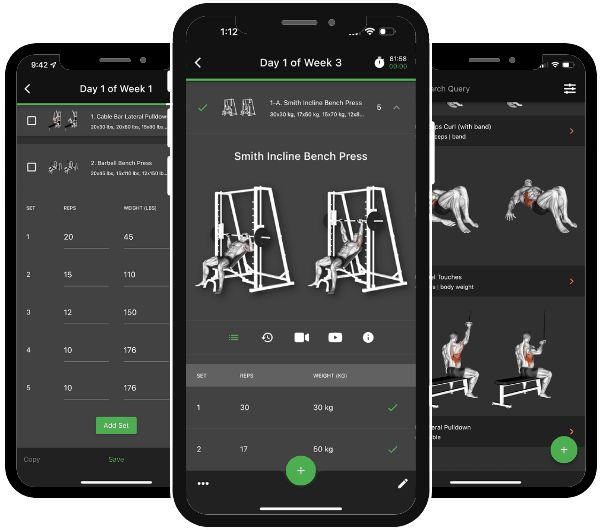
Achieve more with Fitwill: explore over 5000 exercises with images and videos, access built-in and custom workouts, perfect for both gym and home sessions, and see real results.
Start your journey. Download today!


Instructions
- Sit on the machine with your knees bent under the thigh pad and the balls of your feet on the platform, leaving your heels free to move.
- Adjust the seat and pad so your thighs are secured and your hips stay planted on the bench.
- Hold the handles or side grips, keep your chest tall, and set your feet so the pressure stays over the big toe and second toe.
- Let your heels drop under control until you feel a strong but manageable stretch in the calves.
- Press through the forefoot to raise your heels as high as possible without letting your knees or hips lift.
- Pause briefly at the top and squeeze the calves hard at the peak contraction.
- Lower the heels slowly back into the stretch, keeping tension on the calves instead of resting on the platform.
- Breathe out as you lift, breathe in as you lower, and repeat for the planned number of reps.
Tips & Tricks
- Keep the balls of the feet on the platform, not the arches, so the ankle can move through a full plantar-flexion pattern.
- If the knee pad is too light, the thighs will rise and the hips will help the lift; tighten the setup before adding load.
- Use a slightly slower lowering phase than the lifting phase to keep tension on the soleus and reduce bouncing.
- Do not let the ankles roll outward or inward as you press; keep the pressure centered through the big toe and second toe.
- A brief pause at the top makes the rep more effective than using extra weight and cutting the range short.
- If you cannot reach a clear heel drop without losing control, shorten the range slightly instead of forcing a painful stretch.
- Choose a load that lets you keep your torso still; rocking the upper body usually means the calves are no longer driving the set.
- Higher reps usually work well here because the machine isolates the calves and the soleus responds well to sustained tension.
Frequently Asked Questions
What muscle does Lever Seated Calf Raise target most?
It targets the calves, with a strong emphasis on the soleus because the knees stay bent during the movement.
Can beginners perform this exercise?
Yes. The machine makes it beginner-friendly because balance is not a major factor, but the range still needs to stay controlled.
Where should my feet sit on the platform?
Place the balls of your feet on the platform with your heels free to drop. If the feet are too far forward, you shorten the range; too far back can feel cramped at the ankle.
Should my knees stay still under the pad?
Yes. The thighs should stay pinned so the movement comes from the ankles, not from lifting the seat or bouncing the knees.
Why is the seated version different from standing calf raises?
With the knees bent, the seated version shifts more of the work toward the soleus and usually lets you isolate the lower leg more cleanly.
How far should I lower my heels?
Lower them until you feel a controlled calf stretch, but stop before the movement becomes painful or you lose contact with the foot platform.
What is the most common form mistake?
Using a bounce at the bottom or letting the hips and knees rise to finish the rep instead of driving the ankle through the full range.
How many reps work well here?
Moderate to high reps are often effective because the calves tolerate longer sets well and the machine makes controlled volume easy to accumulate.
Can I use this after squats or leg press?
Yes. It fits well as an accessory or finisher after bigger leg lifts when you want to isolate the calves without adding much balance demand.