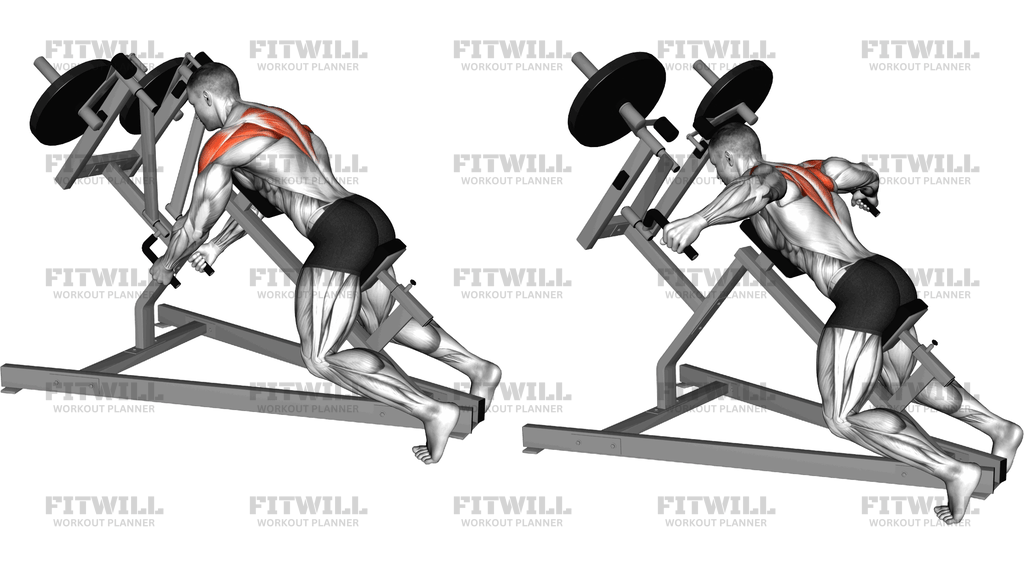
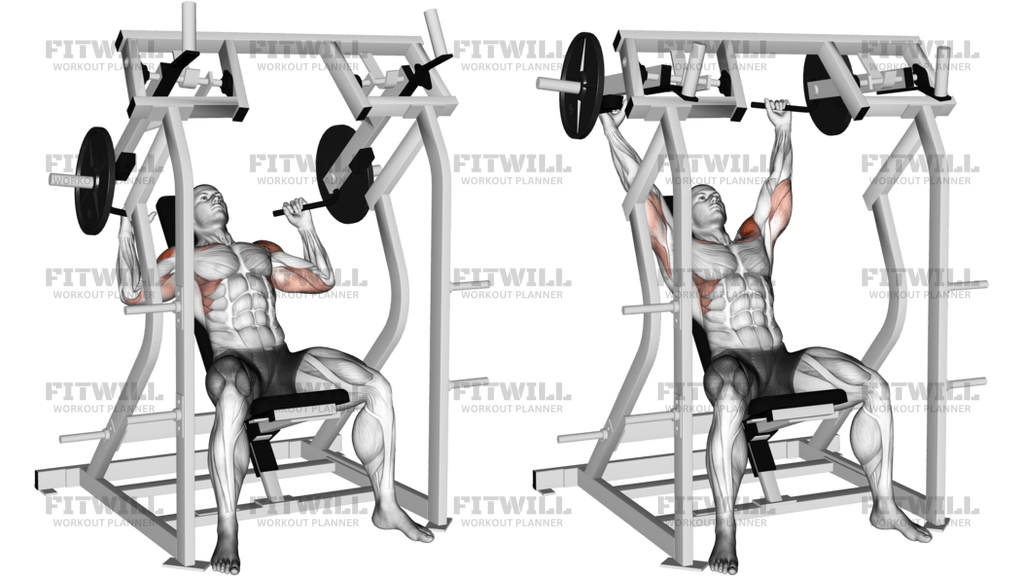
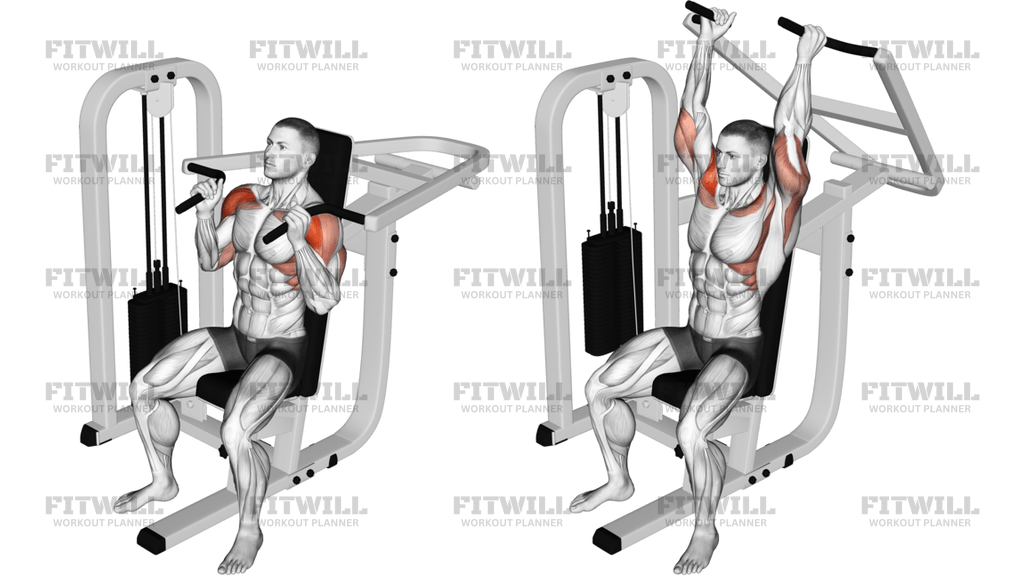
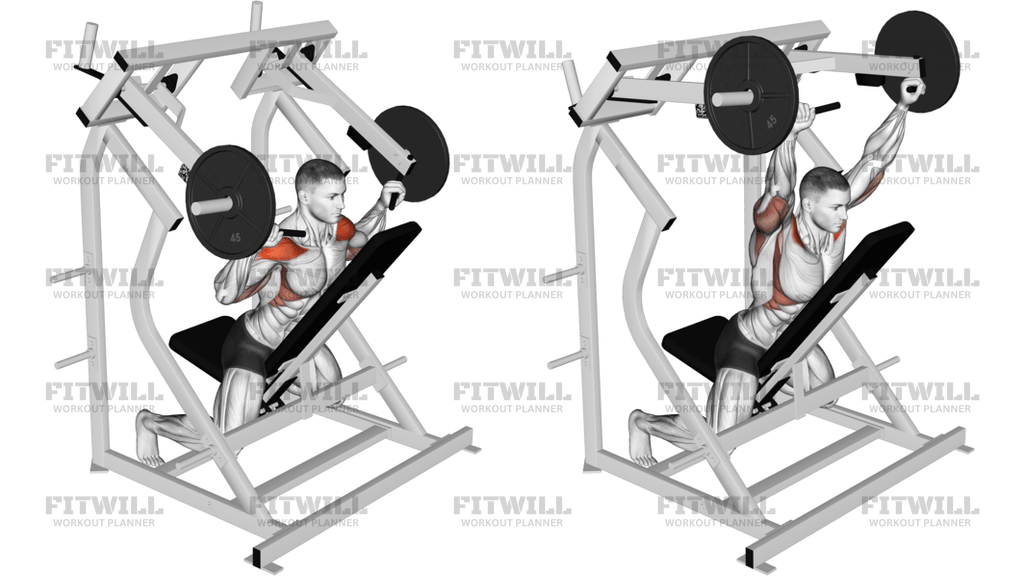
Lever Seated Reverse Fly
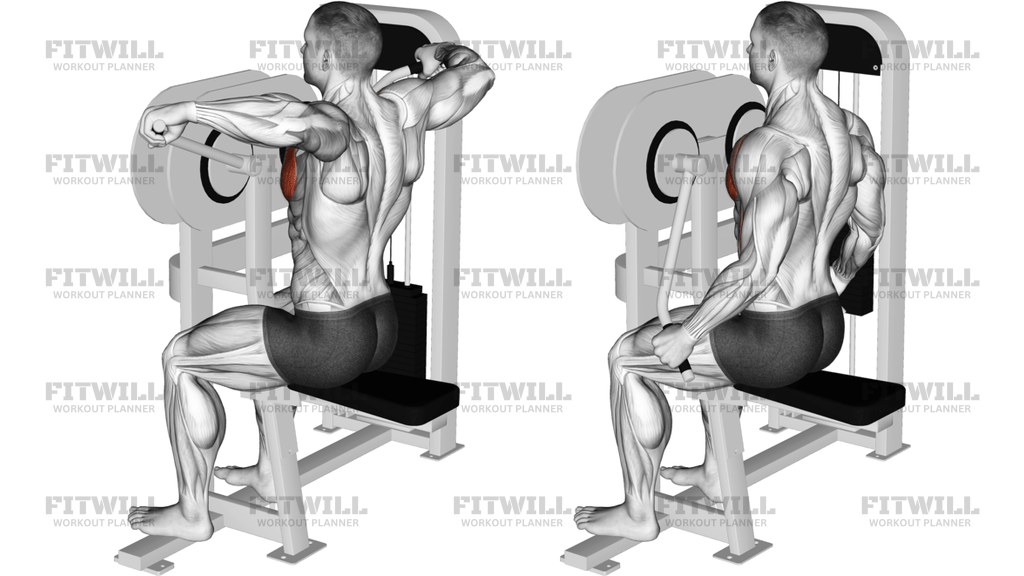
Lever Seated Reverse Fly is a machine-based rear-delt and upper-back exercise built around a wide horizontal opening of the arms. It is especially useful when you want to train shoulder extension and horizontal abduction with a fixed path that makes it easier to keep the motion strict and repeatable.
The leverage machine helps guide the movement, but the exercise still depends on a clean setup. Seat height, handle position, and torso angle all affect whether the rear delts do the work or whether the traps and lower back take over. When the handles line up with the shoulders and the chest stays tall, the movement feels much smoother and the target muscles stay loaded.
This is not a heaving or swinging exercise. Each rep should begin from a controlled stretch with slightly bent elbows, then travel outward until the upper arms are in line with the shoulders or just behind them. The shoulder blades should move naturally without pinching hard together or shrugging upward. A brief squeeze at the back of the rep usually makes the rear delts and mid-back work more honestly.
Lever Seated Reverse Fly is useful as accessory work after presses, rows, or pull sessions, and it also fits well in shoulder-focused training when you want more volume without loading the spine heavily. It can help improve posture awareness, scapular control, and the ability to keep the shoulders organized under tension. The main benefit comes from consistent, controlled reps rather than a large load.
Use a weight that lets you keep the chest steady, the neck relaxed, and the arms moving on the same path every rep. If the torso starts rocking or the shoulders rise toward the ears, the set is too heavy or the seat position is off. Done well, this exercise gives the rear delts and upper back a clear, focused stimulus with very little joint noise.
[ Workout Log & Planner ]
Put your next workout in Fitwill
Keep your plan and training log ready when you are.


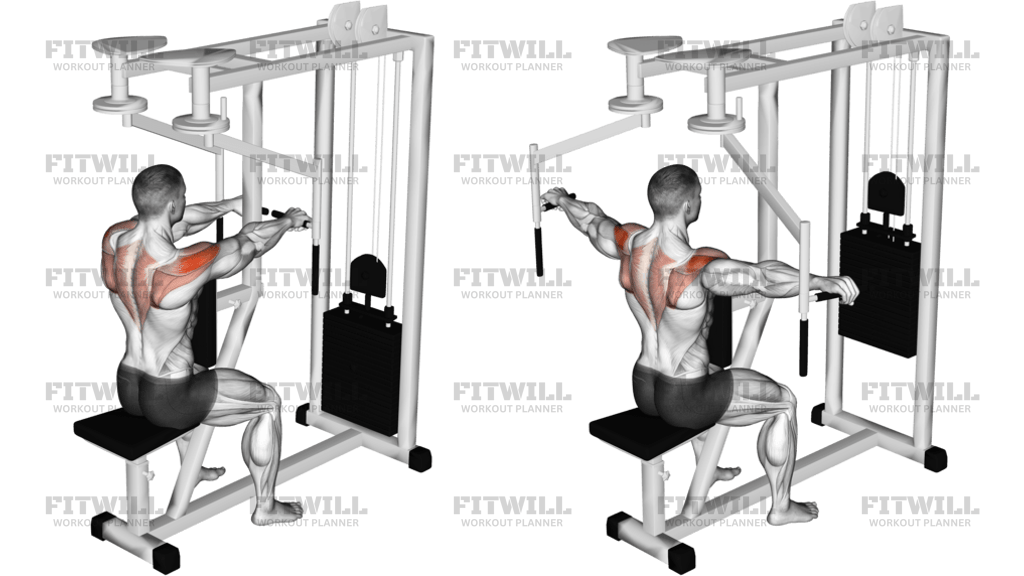
Instructions
- Set the seat so the handles start about shoulder height, then sit tall with your chest against the support and your feet flat on the floor.
- Grip the handles with neutral wrists and keep a small bend in your elbows before the first rep begins.
- Let the weight come to a controlled start so your shoulders stay down and your neck stays long.
- Exhale and sweep your upper arms out and back in a wide arc until they line up with your shoulders or slightly behind them.
- Keep the elbows softly bent and move the machine with the rear delts instead of turning the motion into a row.
- Pause briefly at the end of the fly and squeeze the shoulder blades together without shrugging.
- Inhale as you return the handles forward under control, stopping before the stack or pads slam together.
- Reset your shoulder position, then repeat for the planned number of reps without rocking your torso.
Tips & Tricks
- If the handles start above or below shoulder line, adjust the seat before you add weight.
- Think about moving the elbows out and back, not pulling the hands toward each other.
- Keep the ribs stacked over the pelvis so the lower back does not turn the rep into a lean-back.
- A lighter load with a clean pause at the back often hits the rear delts better than a heavier, shorter rep.
- Do not let the shoulders roll forward at the bottom; keep a small amount of tension in the upper back.
- Stop the set if you have to shrug to finish the last few reps.
- Use a slightly slower return than the opening phase to keep tension on the rear delts.
- If the machine allows it, choose a grip and arm path that keeps the wrists neutral instead of bent back.
- Keep your gaze forward and your neck relaxed so the traps do not dominate the movement.
- Aim for a smooth arc on every rep; jerky changes in direction usually mean the load is too heavy.
Frequently Asked Questions
What muscle does Lever Seated Reverse Fly target most?
The rear delts are the main target, with the rhomboids and mid traps helping control the squeeze.
How should I set the seat on the machine?
Set the seat so the handles start around shoulder height and you can keep your chest tall without reaching up or hunching forward.
Should my elbows stay straight?
No. Keep a soft bend in the elbows and hold that angle through the whole rep so the shoulder joint drives the movement.
How far back should I open my arms?
Open until your upper arms are in line with your shoulders or slightly behind them, but stop before the shoulders shrug or the torso twists.
Can I use heavy weight on this machine?
You can, but this exercise usually works best with moderate or lighter loads that let you keep the path smooth and the pause controlled.
Why do I feel it in my traps?
A little trap involvement is normal, but if your shoulders keep rising, lower the load and keep the neck long while you open the arms.
Is this a row or a fly?
It is a fly. The elbows travel outward in a wide arc instead of driving back close to the ribs like a row.
Can beginners use Lever Seated Reverse Fly?
Yes. Beginners usually do well with a light load, a short pause at the back, and a slow return to the start.